Monthly Stays in Germany: Hotel vs Boardinghouse vs Furnished Rental
Arriving in Germany is exhilarating, but the reality of finding a place to live can quickly turn that excitement into a bureaucratic headache. You're past the short-term Airbnb stage, but not quite ready to commit to a multi-year, unfurnished rental contract where you'll have to buy a kitchen. Many expats face this exact dilemma: how do you bridge the gap between temporary and permanent housing? This guide will walk you through the distinct options for monthly stays – hotels, boardhouses, and furnished rentals – helping you understand which one fits your unique situation in Germany.
Disclosure: This post may contain affiliate links. We may earn a commission at no extra cost to you if you make a purchase through these links. Read full disclosure.
The Initial Housing Headache: Why Traditional Rentals Aren't Always the First Step
Let's be honest, moving to a new country like Germany feels like being thrown into the deep end of a very specific, very German pool of bureaucracy. Your first thought might be, "I'll just find an apartment!" But anyone who's tried knows it's rarely that simple. The traditional rental market here is a beast, and it’s not designed for quick transitions. You need time to understand the system, scout different neighborhoods, and gather what feels like a small mountain of paperwork.
The Anmeldung Catch-22 and Apartment Scams
One of the biggest frustrations newcomers face is the infamous Anmeldung – registering your address. It's often required for everything from opening a bank account to getting your tax ID, yet many landlords won't rent to you without a German bank account, and you can't get a bank account without an Anmeldung. It’s a classic Catch-22 that leaves many expats in a state of limbo. Temporary accommodations that provide an Anmeldung certificate (Wohnungsgeberbestätigung) are gold, and it's a critical question to ask before you book.
Beyond that, the desperation to find housing makes new arrivals vulnerable to scams. We've heard too many stories of people paying deposits for apartments that don't exist, or sending money to "landlords" who disappear. Finding an apartment in Germany: Portals and Process is a whole journey in itself, and it's something you definitely want to tackle when you have a bit more stability and a clearer head. For now, monthly stays offer a safer harbor.
Furnishing Frustrations and Hidden Costs
So, you find an unfurnished apartment. Great! Except "unfurnished" in Germany often means really unfurnished. We're talking no kitchen cabinets, no stove, no fridge, sometimes not even light fixtures. Imagine trying to set up utilities and buy an entire kitchen in a foreign language, all while trying to start a new job or school. The thought alone is enough to send shivers down your spine. Understanding German rental contracts: Key terms and conditions will highlight the nuances, but the reality is that the financial outlay for furniture, appliances, and installation can be staggering – often thousands of euros – right when you've just spent a fortune moving. Monthly stays completely bypass this initial financial and logistical nightmare, allowing you to settle in and then calmly approach the long-term housing hunt when you're ready. This is where platforms like Booking.com really shine, giving you access to a wide variety of ready-to-move-into options.
Deciphering Your Options: Hotels, Boardinghouses, and Furnished Rentals
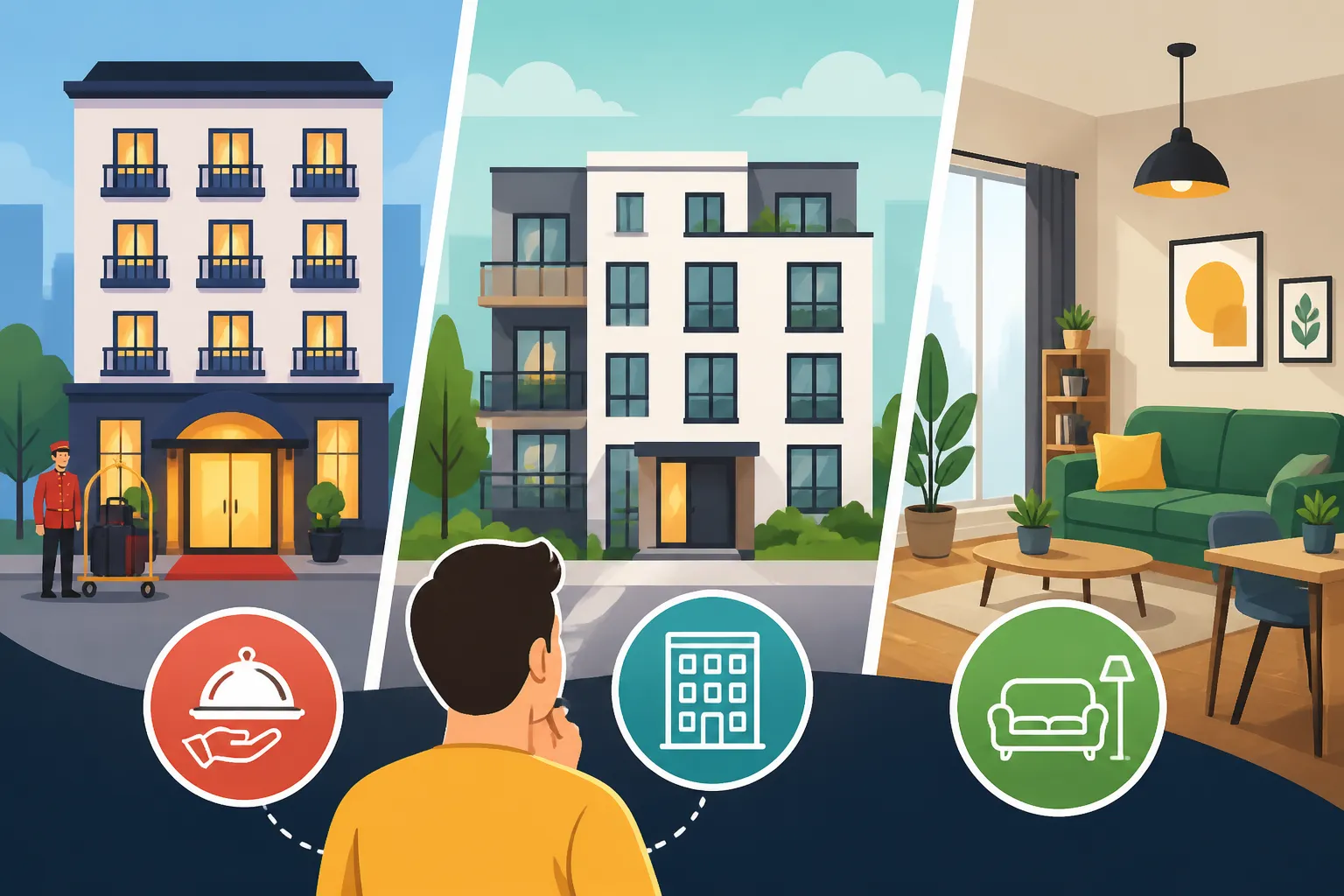
When you're looking for something more substantial than a week-long hotel stay but less permanent than a full apartment lease, Germany offers a few distinct categories. Each has its own charm and its own set of considerations, designed to cater to different needs and budgets. It's not a one-size-fits-all situation, and understanding the subtle differences can save you a lot of grief.
The Familiar Comfort of a Hotel for Extended Stays
Think about your typical hotel, but for longer than a weekend trip. Many hotels in Germany, particularly in major cities, offer discounted rates for stays exceeding a week or even a month. These aren't just for business travelers; they can be a surprisingly viable option for new expats, especially in your first few weeks or months. You get all the creature comforts you'd expect: daily cleaning, fresh towels, an on-site restaurant or breakfast, and usually a staffed reception desk that can help with local queries. The sense of security and having immediate support, especially if your German isn't quite up to snuff yet, can be incredibly reassuring. Plus, it's often the easiest to arrange before you even arrive in the country. You can quickly filter for extended stay options directly on Booking.com to compare these types of accommodations.
Boardinghouses: The Sweet Spot Between Hotel and Home
Ah, the Boardinghouse – a term you might not encounter much outside of Central Europe, but it's a fantastic concept for expats. Often referred to as "serviced apartments" in English, these are essentially apartments that come with some hotel-like services. You'll typically find a small kitchen or kitchenette, a living area, and a separate bedroom, giving you much more space and a feeling of independence than a standard hotel room. Yet, they often include weekly cleaning, linen changes, and sometimes even a communal laundry facility. They strike a brilliant balance, offering the privacy and self-sufficiency of an apartment with some of the conveniences of a hotel. For many, this is the ideal interim solution, providing a softer landing into German life.
Fully Furnished Apartments: Your Own Space, Ready to Go
This option is exactly what it sounds like: an apartment that comes completely furnished, right down to pots, pans, and sometimes even bedding. These can range from a single room in a shared flat (WG – Wohngemeinschaft) to a spacious studio or multi-room apartment. They are designed for longer stays – typically one month up to a year or more – and offer the most independent living experience among the three. You manage your own cleaning, cooking, and daily life, much like you would in your own home. The beauty here is that you simply arrive with your suitcases and you're all set, without the initial setup costs and hassles of furnishing a truly empty German flat. This is often the closest you'll get to feeling truly settled without signing a long-term lease.
Diving Deeper into Each Type of Monthly Stay
Now that we've got the lay of the land, let's peel back the layers and look at what each option truly entails. It's crucial to understand the nuances because what sounds good on paper might not always align with your day-to-day reality once you're on the ground. This is where the experienced expat perspective comes in – anticipating those small details that can make a huge difference in your comfort and sanity.
Extended-Stay Hotels: What to Expect and When They Work
When considering an extended-stay hotel, think of it as a comfortable, low-stress base camp. You get a private room, often with a dedicated workspace, and crucially, a daily dose of hospitality. The biggest advantages are immediate availability, usually flexible cancellation policies, and professional staff who can assist with anything from directions to translating a quick German phrase. Many will offer breakfast, which is a lifesaver in your first few weeks when you're still figuring out grocery stores and local rhythms. Some even have laundry facilities or small fitness centers.
However, the "extended stay" part means you'll likely feel the limitations of hotel living sooner rather than later. Cooking options are often minimal or non-existent, leading to higher food expenses. The space can feel cramped over time, especially if you have a lot of luggage or are sharing with a partner. While many offer special monthly rates, the cumulative cost can still be higher than other options. You can use platforms like Booking.com to find hotels that specifically cater to longer stays, often indicating kitchenettes or larger room formats, and to compare their long-term pricing.
Boardinghouses (Serviced Apartments): The Hybrid Solution
Boardinghouses are where the concept of "home away from home" really starts to take shape. They're designed for people who need more than a hotel but aren't ready for the full commitment of a private rental. You'll typically find separate sleeping and living areas, and a functional kitchenette or even a small, fully equipped kitchen. This allows you to cook your own meals, which can significantly cut down on living expenses and give you a sense of routine. Services like weekly cleaning and fresh linens are common, offering that touch of hotel convenience without daily intrusions.
The biggest benefit is the increased sense of privacy and space compared to a standard hotel room, yet with the security of a staffed building. Most boardinghouses are set up to provide the Wohnungsgeberbestätigung for your Anmeldung, which is a huge relief. They are often managed professionally, meaning less hassle with individual landlords. They usually bridge the gap in terms of cost too, sitting comfortably between expensive hotels and potentially cheaper but more commitment-heavy furnished rentals. Many of these excellent options are readily available for booking on platforms like Booking.com, giving you a clear overview of amenities and prices.
Dedicated Furnished Rentals: The Independent Choice
For those craving full independence and a genuine slice of local life, a dedicated furnished rental is the way to go. These are private apartments or rooms, often managed by individual landlords or specialized agencies, that come completely outfitted. The variety is immense, from chic city studios to spacious family homes, all ready for you to move into. You'll have your own address, your own kitchen, and usually complete control over your living space. This option provides the most authentic "living like a local" experience.
The trade-off for this independence is that you'll be responsible for everything a typical tenant would be: cleaning, managing your own utilities (though sometimes they're included in a "warm" rent), and dealing directly with the landlord for any issues. While some landlords are happy to provide Wohnungsgeberbestätigung, it's absolutely crucial to confirm this upfront. The process of securing one can also be more involved, potentially requiring more documentation than a hotel or boardinghouse. However, if you're looking for the most cost-effective solution for a longer monthly stay and value your autonomy, a furnished rental is a fantastic choice, especially when you're searching specifically for these kinds of apartments on platforms like Booking.com which have expanded their offerings.
Pros and Cons: A Side-by-Side Look
Choosing where to lay your head each month in Germany is a big decision, and like anything in expat life, each option comes with its own set of blessings and curses. Let’s break down the good, the bad, and the practicalities to help you weigh them against your own needs and priorities.
Advantages of Each Accommodation Type
| Feature / Type | Hotel (Extended Stay) | Boardinghouse (Serviced Apartment) | Furnished Rental (Private Apartment) |
|---|---|---|---|
| Convenience | Daily cleaning, staffed reception, on-site services. | Weekly cleaning, some services, more self-sufficient. | Full independence, no services unless arranged privately. |
| Flexibility | Easiest to book/cancel, shortest commitment often. | Good flexibility, often monthly or multi-month contracts. | Can be flexible (1-12 months), but more commitment than hotels. |
| Anmeldung Support | Often provided without issue. | Usually provided, a key selling point. | Must confirm with landlord, varies widely. |
| Privacy & Space | Limited space, less privacy (staff presence). | More space and privacy than a hotel, own kitchen. | Maximum space and privacy, truly your own home. |
| Kitchen/Cooking | Minimal or no kitchen, relies on dining out. | Kitchenette or small kitchen, good for basic cooking. | Full kitchen, complete self-catering. |
| Social Interaction | Can be lonely, transient guests. | Mix of long-term guests, potential for community. | Isolated unless you actively seek community outside. |
| Included Utilities | Always included. | Usually included. | Often included in "warm rent" but verify details. |
| Cost Transparency | Very clear upfront. | Clear, typically all-inclusive. | Can have more variables (utilities, internet setup might be extra). |
| Sense of "Home" | Less "homey," more functional. | Good balance, offers comfort and functionality. | Most like a traditional home. |
| Ease of Booking | Very easy, especially via platforms like Booking.com. | Quite easy, often found on Booking.com. | More involved, requires more communication and checks. |
Disadvantages and Potential Pitfalls
Extended-Stay Hotels:
The biggest drawback is the lack of a true home feel. Even with a great room, it’s still a hotel. You might get tired of eating out, or the limited space can start to feel oppressive. They can also be quite sterile, making it harder to build a sense of community or routine. While convenient, the daily services mean less privacy. The cost, even with long-stay discounts, can add up quickly over several months, making it one of the more expensive options in the long run.
Boardinghouses:
While a great compromise, boardinghouses aren't without their quirks. They can sometimes lack the "character" of a private apartment, feeling a bit generic. If you prefer absolute solitude, the shared common areas or presence of staff might be a minor irritant. While they offer more space than a hotel, they're typically still smaller than a full apartment, and the kitchens are often designed for light cooking rather than elaborate meal prep. Finding them can sometimes be trickier than hotels, though with the rise of platforms like Booking.com, more and more are becoming accessible.
Furnished Rentals:
The main challenge here is the booking process itself. You'll likely interact with individual landlords or smaller agencies, which can be slower, require more paperwork, and potentially involve language barriers. Some private landlords might also be hesitant to provide Wohnungsgeberbestätigung (Anmeldung confirmation), which is a non-negotiable for many expats. You're also fully responsible for cleanliness and any minor maintenance issues. While seemingly cheaper upfront, you might find hidden costs for internet setup, deep cleaning fees upon departure, or utilities that aren't quite as "inclusive" as they seem. It's crucial to read your rental agreement carefully and ensure everything is clear. This is where researching your options carefully on a trusted site like Booking.com can help you compare what's included.
Cost Considerations and Financial Planning
Understanding the financial implications is critical, especially when the cost of living in Germany: Budgeting guide for expats already presents its own challenges.
- Hotels will generally be the most expensive per night, but often have the most transparent pricing (everything is usually included). They might be justifiable for your first few weeks for sheer convenience and immediate support.
- Boardinghouses tend to fall in the middle. They offer a good balance of services and space for the price, often including utilities and some cleaning. This makes budgeting much easier, as your monthly cost is typically a fixed amount.
- Furnished Rentals can be the most cost-effective on a monthly basis, especially for longer durations. However, be wary of what's not included. Always clarify if electricity, heating, water, and internet are part of the "warm rent" (Warmmiete) or if they're separate costs. You might also need to pay a security deposit (Kaution) upfront, which can be several months' rent.
When comparing, calculate the total monthly cost, including any estimated utilities or services you might have to pay for separately. Don't forget to factor in the potential for a large security deposit for furnished rentals. The ease of booking and often bundled prices you find on Booking.com can simplify this comparison process for many types of monthly stays.
Making the Right Choice for Your German Journey
Deciding on your monthly stay accommodation isn't just about price; it's about what you need at this specific point in your expat journey. Are you fresh off the plane and overwhelmed? Or are you a seasoned expat in transition? Your personal circumstances, budget, and desired level of independence will all play a huge role.
When a Hotel is Your Best Bet
An extended-stay hotel is often your perfect initial refuge if:
- You're brand new to Germany and need maximum hand-holding. The comfort of a staffed reception, daily cleaning, and an easy, pre-arranged arrival can significantly reduce initial stress.
- Your stay is relatively short (1-4 weeks). For truly transitional periods, the higher cost is offset by unparalleled convenience and flexibility.
- You prioritize ease of Anmeldung and don't want to worry about paperwork. Hotels usually provide the Wohnungsgeberbestätigung without a fuss.
- You have a generous relocation package or a higher budget. The financial strain is less of a concern.
- You need a secure, reliable place with quick access to services and transportation.
This can be an invaluable "soft landing," allowing you to gradually adjust to the pace of Living in Germany: Essential Guide to Daily Life for New Expats before tackling more complex tasks. Many excellent options are listed on Booking.com, offering transparent pricing and easy booking.
Who Benefits Most from a Boardinghouse
Boardinghouses are the golden middle ground, making them ideal for:
- Medium-term stays (1-6 months). They offer a sustainable balance between cost and comfort for several weeks or months.
- Expats who want more space and the ability to cook. Having your own kitchen and separate living area dramatically improves quality of life compared to a hotel room.
- Those who still appreciate some services but desire more independence. Weekly cleaning and communal laundry facilities hit the sweet spot.
- Individuals or couples who value clear, inclusive pricing and an easy Anmeldung process. Boardinghouses are typically set up for this.
- People transitioning between unfurnished apartments or waiting for permanent housing.
If you're looking for that blend of hotel amenities and apartment living, a boardinghouse listed on Booking.com could be your perfect match. They provide that much-needed sense of privacy without fully throwing you into the deep end of German bureaucracy.
Why a Furnished Rental Might Be Your Ultimate Goal
A furnished rental truly offers the closest experience to having your own place without the long-term commitment. This option is perfect if:
- You plan a longer monthly stay (2+ months up to a year) but aren't ready for a traditional lease. The cost-effectiveness over time is significant.
- You crave maximum independence and privacy. You want to manage your own home life, cook extensively, and truly settle in.
- You're comfortable handling more responsibility for your living space. This includes cleaning and minor issues yourself.
- You’re on a tighter budget for accommodation. While potentially having a higher upfront deposit, the monthly rent for a furnished flat can often be lower than a hotel or even a boardinghouse.
- You've done your Anmeldung at a temporary spot and now seek a more homely base. Or you've confirmed the landlord will provide the Wohnungsgeberbestätigung.
- You're already somewhat familiar with German life and can navigate local processes.
Finding a reliable furnished rental often means diving into specific platforms, though Booking.com now also features many private apartments, making it a powerful tool for this search too. Just make sure you understand Understanding German Rental Contracts: Key Terms and Conditions.
Your Strategy for Finding and Booking Monthly Stays in Germany
The German housing market, even for short-term and monthly stays, can be competitive. You need a clear strategy to ensure you find a place that meets your needs without adding unnecessary stress to your relocation. Don't just stumble into the first option; be prepared and proactive.
Leveraging Online Platforms for Long-Term Bookings
When it comes to monthly stays, particularly in a foreign country, online booking platforms are your best friend. They offer unparalleled convenience, transparency, and a vast selection. Our top recommendation for finding a wide array of options across all three categories (hotels, boardinghouses, and furnished rentals) is Booking.com. It allows you to:
- Filter by dates: Crucially, you can input exact monthly stay durations, and the platform will adjust pricing accordingly, often showing significant discounts for longer bookings.
- Filter by amenities: Need a kitchenette? Pet-friendly? Free Wi-Fi? You can narrow down your search with ease.
- Read reviews: Real-world experiences from previous guests are invaluable, giving you insights into everything from cleanliness to the responsiveness of staff or landlords.
- Compare options side-by-side: See hotels, serviced apartments, and even some private furnished rentals all in one place, making direct comparisons straightforward.
Beyond Booking.com, you might also look at specialized furnished rental platforms, but for comprehensive comparison and ease, Booking.com often covers a significant portion of the market and offers diverse monthly stay deals. Always double-check the "property type" and "included services" details.
Key Questions to Ask Before You Book
Before you commit to anything, especially for a longer stay, be a diligent expat. Even if booking through a platform like Booking.com, don't hesitate to reach out to the property directly with specific questions. Here are the absolute must-asks:
- Can I register my address (Anmeldung) at this property? This is non-negotiable for most expats and needs to be confirmed in writing. If they say no, keep looking unless you have another Anmeldung solution.
- What is included in the monthly price? Be specific: utilities (electricity, heating, water), internet, TV, cleaning services, linen changes, etc. You don't want hidden surprises.
- What are the full payment terms? This includes security deposits (Kaution), advance payments, and cancellation policies. Get everything in writing.
- Is there a functional kitchen/kitchenette? What appliances and utensils are provided? (If important to you).
- What are the laundry facilities? Is there an in-unit washer, shared laundry room, or are there laundromats nearby?
- What happens if I need to extend or shorten my stay? Understand the flexibility and potential penalties.
- What about internet connectivity? Is it reliable, and is it included?
- Are pets allowed? (If applicable).
Asking these questions upfront will save you endless headaches down the line.
Smooth Transitioning to Permanent Housing
The beauty of a monthly stay is that it provides you with a safe, stable base from which to conduct your search for a permanent home. While staying in your monthly accommodation, you can actively look for long-term solutions, attend viewings, and gather the necessary documents like your SCHUFA and documents landlords want in Germany. You'll have the mental bandwidth to properly research neighborhoods, understand the nuances of the German housing market, and perhaps even improve your German language skills, which can be a huge asset in apartment hunting.
When you're ready to make the leap, remember to coordinate your move-out date from your monthly stay with your move-in date for your new place. This prevents being homeless for a few days – a scenario no expat wants to experience! Having a flexible monthly option, easily managed via a platform like Booking.com, provides the perfect springboard for your next chapter in Germany.
Disclaimer
This article is for general informational purposes only and does not constitute professional advice. Laws, prices and regulations vary by location and change over time. Consult a qualified professional for guidance on your specific situation.