Understanding German Medicine Dosages: Reading Labels and Instructions
German medication packaging, active ingredients, dosage instructions, and prescription types explained for expats navigating local pharmacies.
Navigate healthcare without confusion.
How medical system works, insurance essentials, clinics and hospitals, prescriptions, and what to do in emergencies.
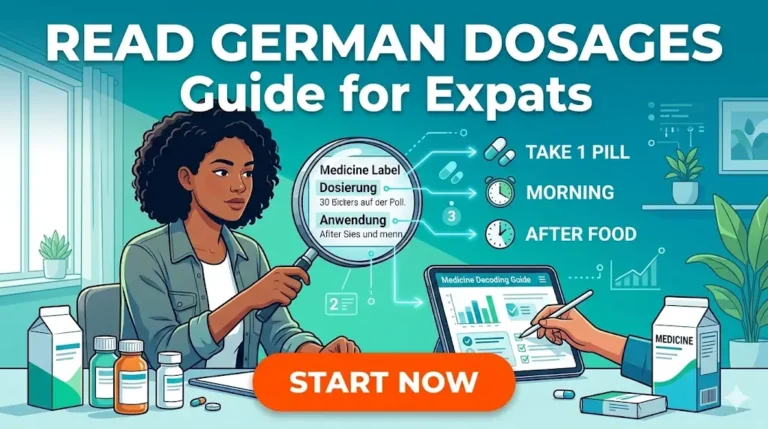
German medication packaging, active ingredients, dosage instructions, and prescription types explained for expats navigating local pharmacies.
The German pediatric system explains how to find a Kinderarzt, manage appointments, maintain the yellow booklet, and use child sick leave.
German physiotherapy requires a medical prescription for insurance coverage, while self-payers can bypass referrals using qualified practitioners.
Managing chronic conditions in Germany requires general practitioner coordination, specialist referrals, insurance navigation, and support resources.

German vision care standards explain how adults obtain prescriptions, select glasses or contact lenses, and navigate health insurance coverage.

German organ donation laws require explicit consent, explaining how expats can document medical choices using the digital register or physical donor cards.
Foreigners in Germany can donate blood by meeting strict language, residency, and medical eligibility requirements at local clinics.
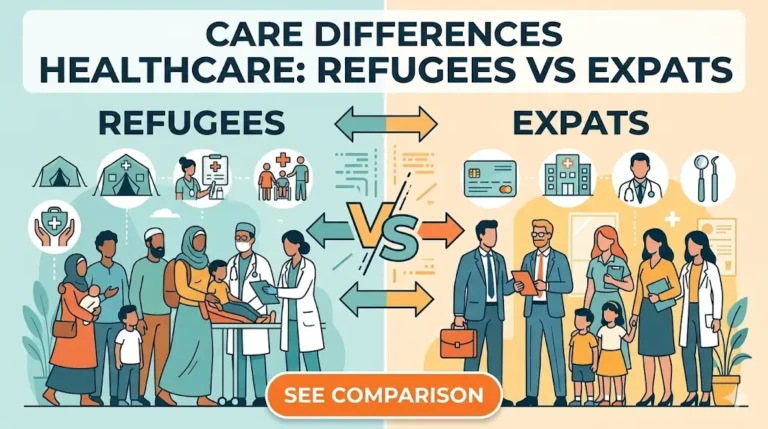
Healthcare differences between expats and refugees in Germany include distinct legal frameworks, insurance coverage levels, and administrative processes.

STD testing options in Germany include public health departments, specialized NGO checkpoints, and private clinics, with costs and insurance rules varying.

German cold remedies and pharmacy rules explain how expats safely treat winter illnesses using local pharmacies, herbal teas, and sick notes.