Moving to Germany from Southeast Asia: Freight Options and Budgets
Moving your entire life from a vibrant corner of Southeast Asia to the structured world of Germany is a monumental task, and honestly, the sheer thought of shipping your belongings across continents can feel utterly overwhelming. Forget the excitement of a new beginning for a moment; the reality of logistics, costs, and endless paperwork is often enough to make anyone second-guess their decision. This guide is here to walk you through the freight options, budgeting realities, and customs maze when moving to Germany from Southeast Asia, aiming to simplify the process and highlight how services like Sirelo can be your ultimate ally.
Disclosure: This post may contain affiliate links. We may earn a commission at no extra cost to you if you make a purchase through these links. Read full disclosure.
The Logistics of Leaving Southeast Asia for Germany: More Than Just Packing Boxes
Let's be real, moving from Southeast Asia to Germany isn't like hopping across states. You're not just changing zip codes; you're crossing vast oceans, hemispheres, and several time zones. This distance alone introduces complexities that a local move simply doesn't have, and preparing for it requires a different mindset.
Confronting Distance and Climate Realities
The first thing that hits you, besides the initial surge of excitement, is the sheer distance your belongings will travel. Whether you're in bustling Bangkok, vibrant Ho Chi Minh City, or serene Bali, your possessions are embarking on a journey of thousands of kilometers. This means prolonged transit times, which impact not only when you'll see your beloved items again but also how you need to pack them. Think about the tropical humidity your furniture is accustomed to versus the often dry, and sometimes freezing, German climate. Without proper packing, certain items, especially electronics, wooden furniture, or sensitive textiles, could suffer. You need to consider climate-controlled storage or robust dehumidifying agents for items that will be in transit for weeks or months. It’s not just about getting it there; it’s about getting it there intact and ready for a new environment.
The German Bureaucracy Awaits: Documents and Customs Prep
Ah, German bureaucracy. It's legendary, isn't it? And sadly, it doesn't take a holiday just because you're moving your life across the globe. When your shipment arrives, it has to clear German customs, and they are, shall we say, thorough. This isn't just a simple wave-through; it involves meticulous documentation to prove that your items are indeed personal effects and not commercial goods, ensuring you're not hit with hefty import taxes. From your visa and residence permit details to a comprehensive, itemized packing list, everything needs to be in order. Any discrepancy, missing signature, or incorrect form can lead to delays, additional storage fees at the port, and a major headache. Trust me, I've heard stories of people's belongings being stuck for weeks, adding unnecessary stress to an already stressful transition. Preparing these documents properly from the outset, often even before your items leave Southeast Asia, is absolutely non-negotiable. It's part of the extensive paperwork that defines life as an expat in Germany, from registering your address (Anmeldung) to understanding your financial obligations.
Deciding Your Shipping Method: Sea, Air, or a Clever Combination?
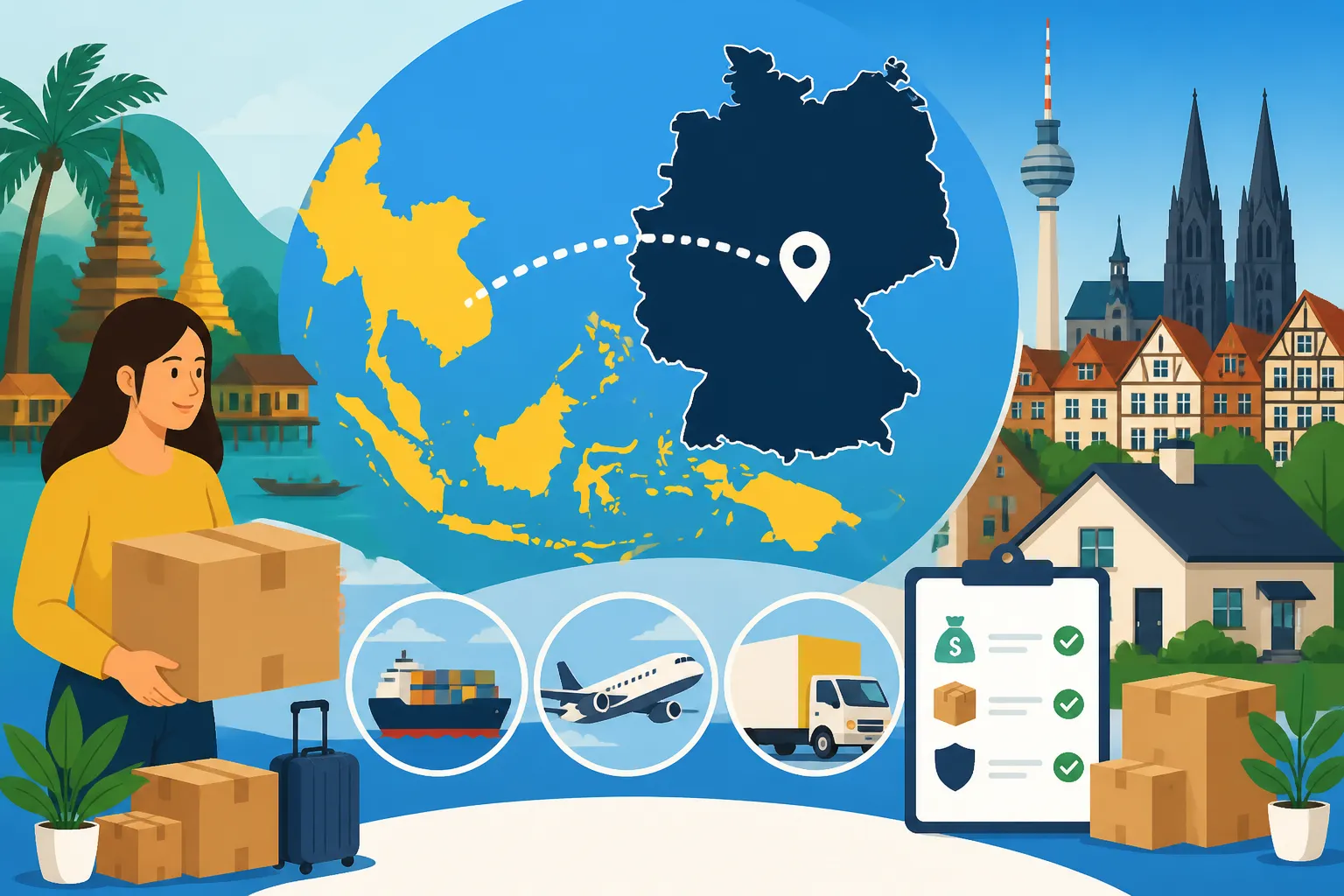
When you're looking at moving your cherished possessions from Southeast Asia to Germany, you generally have three main routes: by sea, by air, or a smart mix of both. Each has its pros and cons, especially when considering the significant distance and varied timelines.
Sea Freight: The Economical (But Slow) Journey
Sea freight is usually the go-to option if you're not in a rush and want to save some serious cash. It's by far the most cost-effective way to transport a large volume of goods. You'll often be looking at containers, either a full container load (FCL) if you have enough stuff to fill one, or a less than container load (LCL) where your items share space with other people's shipments.
What to Expect:
- Cost Efficiency: This is where sea freight shines. For bulky items like furniture, large appliances, or an extensive book collection, it's significantly cheaper per cubic meter than air freight. This is particularly appealing if you're on a tight budget after paying for visas and the initial costs of moving to Germany.
- Transit Time: Be prepared for patience. Shipments from Southeast Asia to Germany can take anywhere from 4 to 8 weeks, sometimes even longer, depending on the specific ports, shipping lines, and any unexpected delays at sea or in customs. You might be settling into your new apartment and still waiting for your bed.
- Ideal for: Non-essential items, furniture, a lifetime of accumulated possessions, or anything you don't need immediately upon arrival. Think about what you can't live without for two months versus what you need right away. You’ll want to ensure all items are expertly packed to withstand the journey, as they’ll be handled multiple times and exposed to varying conditions.
Air Freight: When Speed Trumps Cost
If you absolutely, positively need certain items quickly, air freight is your fastest option. It's the express lane for your belongings, often getting them to Germany within a matter of days or a couple of weeks, depending on the origin and destination.
What to Expect:
- Speed: This is the main advantage. If you're starting a new job quickly and need specific professional equipment, or simply can't imagine sleeping without your favorite pillow for two months, air freight delivers.
- High Cost: The speed comes at a premium. Air freight is considerably more expensive than sea freight, sometimes prohibitively so for large volumes. It's typically calculated by weight or volumetric weight, whichever is greater, so every kilo counts.
- Ideal for: Small, essential items like critical documents (though you should carry these with you!), some clothing, a few kitchen basics, or sentimental items you need to feel at home right away. It's also suitable for delicate electronics that might not fare well with the longer, rougher sea journey. Remember, there are also strict regulations on what can be sent via air, so check carefully for prohibited items.
The Hybrid Approach: A Balanced Strategy
Many savvy expats combine both methods to get the best of both worlds. This "hybrid" approach allows you to send urgent necessities by air, ensuring you have a few creature comforts and immediate essentials when you land, while the bulk of your belongings slowly makes its way via sea freight.
How it Works:
- You'd pack a couple of crucial boxes or a small crate with items you need within the first week or two (e.g., specific kitchen tools, favorite clothes, children's toys, essential work items) and send these by air.
- The rest – your furniture, books, extensive wardrobe, and non-urgent household goods – goes via sea freight.
- This strategy helps manage your budget by limiting expensive air freight to only what's absolutely necessary, while ensuring you're not living out of a suitcase for two months. It’s a pragmatic solution that many international movers, including those found through comparison platforms like Sirelo, can help you organize. This approach can really reduce the initial culture shock and make your first weeks in Germany much smoother.
| Freight Option | Best For | Average Transit Time (SEA to Germany) | Estimated Cost (Relative) | Key Considerations |
|---|---|---|---|---|
| Sea Freight | Large volumes, furniture, non-essentials | 4-8 weeks (or more) | Low to Moderate | Slow, robust packing needed, cost-effective for bulk |
| Air Freight | Small, urgent, essential items, delicate electronics | 5-10 days | High to Very High | Fast, expensive, weight/volume restrictions, limited items |
| Hybrid | Essential items quickly, bulk later | Air: 5-10 days; Sea: 4-8 weeks | Moderate to High | Balances speed & cost, ideal for a smoother transition |
Breaking Down the Budget: Understanding Freight Costs and Hidden Fees
Let's face it, moving internationally is expensive, and freight costs are often one of the biggest chunks of that budget. Planning your finances properly is crucial. You'll need to budget not just for the move itself, but also for the Cost of Living in Germany: Budgeting Guide for Expats. Knowing what drives the cost and what hidden fees to look out for can save you a lot of grief (and money).
Key Factors Influencing Your Shipping Quote
Several variables contribute to the final price tag of your international move. Understanding these can help you make informed decisions and potentially trim your costs.
- Volume and Weight: This is the most significant factor. The more stuff you send, the more it costs. Moving companies primarily quote based on cubic meters (volume) for sea freight and a combination of actual weight and volumetric weight for air freight. Therefore, decluttering before you pack is not just satisfying; it's financially smart. Seriously, do you really need that old broken chair or those dusty textbooks from college that you haven't touched in years?
- Distance and Origin/Destination: While the route from Southeast Asia to Germany is generally fixed, specific locations within both regions can impact the price. Shipping from a major port city like Singapore will likely be cheaper than from a remote island in the Philippines due to accessibility and infrastructure. Similarly, delivery to a bustling city like Berlin might have different costs than a small town in Bavaria.
- Type of Service: Do you want a full-service move (packing, loading, shipping, customs, unloading, unpacking) or a DIY approach? Full-service is more convenient but pricier. Door-to-door, door-to-port, or port-to-port services also vary in cost. Most expats opt for door-to-door for simplicity, but it does come with a higher price tag.
- Insurance: While optional, shipping insurance is highly recommended. Accidents happen, and a container could fall overboard, or items could be damaged during transit. The cost of insurance is usually a percentage of the declared value of your goods.
- Seasonality: Moving during peak seasons (e.g., summer months, end of year holidays) can sometimes lead to higher demand and thus higher prices for shipping services. If you have flexibility, moving during off-peak times might offer better rates.
Don't Get Surprised: Potential Hidden Costs
Oh, the dreaded hidden fees! They are a particular bane of international moves, and Germany is no stranger to them, especially with customs. These are the expenses that often aren't explicitly in the initial quote and can cause nasty surprises.
- Customs Duties and Taxes: While personal effects generally shouldn't incur import duties if you're truly moving residence and the goods have been in your possession for at least six months, documentation errors or certain items (like new purchases) can trigger charges. You need proof of your intent to reside, your visa, and a detailed inventory. For instance, if you bought a brand-new fridge just before moving and shipped it, customs might view it as a commercial import rather than personal effects.
- Port and Terminal Handling Charges: These are fees levied by ports and freight terminals for loading, unloading, and storing your container or cargo. They can sometimes be separated from the main shipping cost.
- Last-Mile Delivery Fees: If your final destination in Germany is far from a major port or urban center, the cost of transporting your goods from the nearest depot to your home can be an additional charge. Some companies might quote "door-to-door" but have caveats.
- Storage Fees: If there are delays with customs clearance, or if you're not ready to receive your shipment upon arrival, your items might be held in storage, incurring daily or weekly fees. This is a common frustration for newcomers trying to navigate the Ausländerbehörde simultaneously.
- Inspection Fees: In some cases, customs officials may decide to physically inspect your shipment, which can incur an inspection fee.
Smart Ways to Save Money on Your International Move
Even with all these costs, there are strategies to keep your budget in check. A little foresight can go a long way.
- Declutter Ruthlessly: As mentioned, less volume equals less cost. Host a garage sale, donate, or give away items that are replaceable, heavily used, or simply not worth the shipping cost. Think about the resale value in Germany versus the cost to ship. A cheap IKEA table might not be worth bringing from Singapore.
- DIY Packing (for Non-Delicate Items): While professional packing ensures maximum safety, you can save money by packing your own non-fragile items like clothes, books, and linens. Just be sure to use high-quality boxes and packing materials. For delicate items or electronics, professional packing is still highly recommended for insurance purposes.
- Compare Multiple Quotes: This is perhaps the most crucial step. Don't just go with the first moving company you find. Services like Sirelo exist precisely for this reason. By filling out one simple form, you can get multiple quotes from reputable international movers specializing in routes from Southeast Asia to Germany. This allows you to compare prices, services, and timelines side-by-side, potentially saving you thousands of euros. It's truly a game-changer for finding the best deal without endless individual research.
- Consider What to Buy New: Sometimes, it’s cheaper to sell your old appliances or furniture and buy new ones in Germany. For example, voltage differences (most of Southeast Asia uses 220-240V, same as Germany, but specific plugs differ) or the cost of shipping a large item might make it more sensible to purchase a new one once you've settled into your Housing in Germany: Renting, Buying, and Finding Your Home as an Expat.
Navigating German Customs: What You Can and Cannot Bring
German customs can be stringent, but they are also fair and transparent if you follow the rules. As an expat, your goal is to import your personal effects free of duties. This requires careful preparation and adherence to specific regulations.
Crucial Documentation for Smooth Customs Clearance
Think of German customs as a very particular librarian; they need everything in its proper place, perfectly labeled. Missing a single document can lead to delays and additional costs, turning your exciting arrival into a bureaucratic nightmare.
- Passport and Visa/Residence Permit: Proof of your identity and legal right to reside in Germany is fundamental. Make sure your visa or residence permit (e.g., an EU Blue Card or a Skilled Worker Visa) is valid and that you have copies. The customs office needs to verify you are truly moving your permanent residence.
- Proof of German Residence: This could be your signed rental contract (Mietvertrag) or a letter from your employer stating your relocation. It demonstrates you have a place to live in Germany and aren't just sending goods for speculative purposes.
- Detailed Packing List/Inventory: This is perhaps the most critical document. Every single box and item needs to be listed. The list should be in German (or accompanied by a certified German translation if originally in another language), meticulously itemized, and clearly state what's in each box. Avoid vague terms like "miscellaneous items." Instead, specify "Books (20x), Kitchenware (dishes, glasses), Clothing (shirts, trousers)." This helps customs officials quickly assess your shipment without needing to open every single box, which they are entitled to do if they have doubts.
- Proof of Ownership/Possession: You'll generally need to prove that the items have been in your possession for at least six months and are for your personal use. This often means providing purchase receipts for high-value items if requested. This rule is designed to prevent people from importing newly purchased goods duty-free under the guise of personal effects.
- Declaration Form: You'll need to complete a customs declaration form, often provided by your moving company, attesting that the goods are for personal use and not for resale.
- Power of Attorney: If your moving company is handling the customs clearance on your behalf (which is highly recommended), you’ll need to grant them a power of attorney (Vollmacht).
It’s a lot of paper, I know. But getting this right saves so much hassle. When comparing movers with Sirelo, make sure to ask about their customs assistance services – a good mover will guide you through this process.
Restricted and Prohibited Items: A Strict German Stance
Germany has strict rules about what can and cannot enter the country, for good reason. Violating these rules can lead to confiscation, fines, or even legal trouble. Always err on the side of caution.
- Prohibited Items:
- Illegal Drugs: This is a no-brainer. Absolutely forbidden.
- Firearms and Ammunition: Highly restricted and require specific permits, which are almost impossible for personal import without very specific circumstances. Do not attempt to ship these.
- Counterfeit Goods: Germany has a zero-tolerance policy for fake designer goods, electronics, or anything that infringes on intellectual property rights. If found, these will be confiscated and you could face fines.
- Endangered Species Products: Items made from protected animals or plants (e.g., ivory, certain leathers, exotic wood) are illegal under CITES regulations.
- Pornographic Material: Any material deemed obscene or related to child exploitation is strictly prohibited.
- Restricted Items (Require Permits/Special Conditions):
- Alcohol and Tobacco: While small quantities for personal use might be allowed if declared, large amounts could be subject to duties and taxes, even if they were your personal stock.
- Medication: Prescription medication for personal use is usually fine, but you should carry a doctor's note or prescription, ideally translated into German. Large quantities or controlled substances will require special permits. Don't risk it without checking.
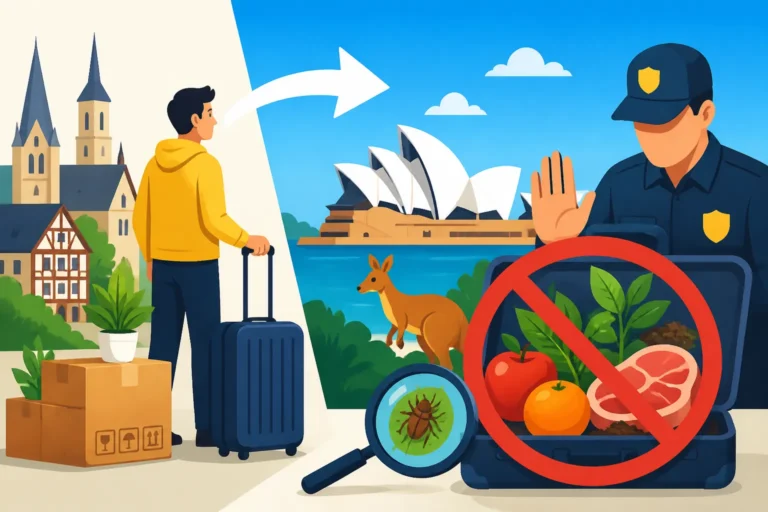
- Plants and Animal Products: Germany has biosecurity regulations. Certain plants, seeds, or animal products may be restricted to prevent the introduction of pests or diseases. This can include certain food items.
- Cultural Artifacts/Antiques: If you have valuable antiques or art, you might need export permits from your origin country and import permits for Germany, along with detailed appraisals.
- Vehicles: Importing a car or motorcycle involves a complex process of duty payment, conformity checks, and registration. It's often easier and cheaper to sell your vehicle in Southeast Asia and buy one in Germany.
My advice? If you're unsure about an item, either leave it behind or declare it openly and ask your moving company to verify the regulations. A little transparency now saves a lot of headaches later.
Finding Your Moving Partner: Why Comparing with Sirelo is a Game Changer
You've got enough on your plate with Healthcare in Germany: A Comprehensive Guide for Expats, sorting out your Money Matters in Germany: Complete Financial Guide for Expats, and getting your visa in order. The last thing you need is the added stress of finding a reliable international moving company from Southeast Asia. This is precisely where a platform like Sirelo becomes an indispensable tool, literally simplifying what could be an incredibly complex and time-consuming search.
Simplifying the Search for Reputable Movers
Back in my day, finding an international mover meant calling dozens of companies, explaining your situation repeatedly, and then trying to compare wildly different quotes that never seemed to include everything. It was a nightmare. Today, platforms like Sirelo have revolutionized this process.
How Sirelo Works for You:
- One Form, Multiple Quotes: Imagine spending less than five minutes filling out a single, comprehensive online form detailing your moving needs – where you're moving from in Southeast Asia, where you're headed in Germany, the approximate volume of your belongings, and your desired moving date. That's it.
- Vetted Movers: Sirelo doesn't just connect you with any company. They work with a network of pre-vetted, reputable international moving companies that specialize in routes like Southeast Asia to Germany. This means you’re not sifting through unreliable options; you're only getting quotes from movers with a proven track record. This is especially important for such a long-distance, high-stakes move.
- Direct Comparison: Once your request is submitted, you'll receive several quotes directly from these movers. This isn't just about price; it's about transparency. You can compare not only the bottom line but also what's included in each service package. Does one include packing? Does another offer better insurance options? Is customs clearance assistance clearly outlined? This direct comparison is invaluable, ensuring you choose the right partner, not just the cheapest. It empowers you to make an informed decision without the legwork.
The Benefits of a Transparent Quote Comparison
Moving isn't just about getting your stuff from A to B; it's about peace of mind. Using Sirelo offers several key advantages that go beyond just saving you money.
- Transparency and Clarity: International moving quotes can be notoriously opaque. Sirelo helps bring clarity to the process by enabling you to see exactly what each company offers. This transparency helps you avoid those dreaded "hidden costs" we talked about earlier, as you can specifically inquire about every line item and compare like-for-like. This is critical for budgeting effectively for your move.
- Cost Savings: By allowing you to easily compare several competitive offers, Sirelo naturally drives down costs. Movers know they are competing for your business, encouraging them to offer their best rates. This competitive environment translates directly into savings for you, which can then be put towards other essential initial expenses in Germany, like setting up your apartment or taking a German language course.
- Time-Saving: The time you save not having to research, contact, and negotiate with individual moving companies is immense. This precious time can instead be spent on other critical aspects of your relocation, such as finding a job, sorting out your Health Insurance in Germany: Understanding Public vs Private Coverage, or preparing for your arrival. Sirelo streamlines a huge part of your moving checklist, taking a significant burden off your shoulders.
- Customer Reviews and Support: Often, these platforms also provide access to customer reviews and ratings, giving you real-world insights into the quality of service offered by different movers. This peer-to-peer feedback is invaluable for choosing a company you can trust. Furthermore, some platforms offer support to help you understand the quotes and resolve any queries you might have.
In essence, Sirelo acts as your personal moving assistant, ensuring you find a reliable, affordable, and transparent solution for shipping your belongings from Southeast Asia to Germany. It removes a huge chunk of the logistical stress, allowing you to focus on the exciting new chapter ahead.
Disclaimer
The information provided in this article is intended for general guidance and informational purposes only. While we strive to offer accurate and up-to-date advice for expats moving to Germany, regulations regarding visas, customs, and immigration can change frequently. It is always recommended to consult official government sources, the German embassy or consulate in your home country, and qualified legal or moving professionals for advice tailored to your specific situation. We cannot be held responsible for any inaccuracies or outdated information.