Registering with a Pediatrician: Ensuring Healthcare for Your Children
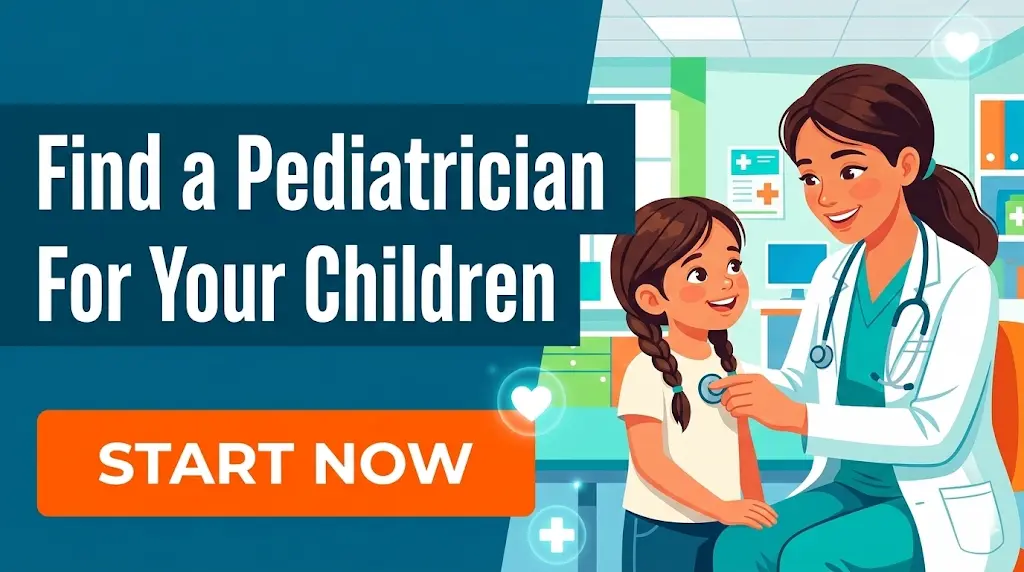
I remember calling thirteen different pediatric clinics in Berlin while holding my newborn, only to be met with the exact same blunt rejection: we are completely full. Securing a pediatrician in Germany is notoriously stressful for international parents navigating strict clinic catchment areas and doctor shortages. This guide breaks down exactly how to find a doctor, register for mandatory health checks, and ensure your child receives immediate medical care.
Disclosure: This post may contain affiliate links. We may earn a commission at no extra cost to you if you make a purchase through these links. Read full disclosure.
The Reality of the German Pediatric Shortage
When you arrive in Germany, you quickly learn that the medical system heavily relies on specialized practitioners rather than a single family doctor who treats every age group. While adults visit a general practitioner, children from birth to adolescence are almost exclusively treated by a pediatrician, known locally as a Kinderarzt.
Understanding Catchment Areas and Waiting Lists
One of the most frustrating hurdles expats face is the concept of the local catchment area. German pediatric clinics are technically private businesses, but those operating within the public health system are highly regulated regarding how many patients they can take. Because the country is facing a documented shortage of pediatricians, especially in major urban hubs like Munich, Frankfurt, and Berlin, clinics prioritize families who live within their immediate postal code.
If you attempt to register your child at a highly-rated clinic three neighborhoods over, the receptionists will almost certainly turn you away. They will instruct you to find a doctor closer to your registered address. You must start your search by looking at the clinics physically closest to your apartment. It is highly recommended to start calling these clinics months before your baby is born. If you have just moved to the country with an older child, your first priority upon arrival should be making these phone calls, even before you fully unpack. For a broader view on how specialists operate, you can review our guide on Navigating Medical Care in Germany: Doctors, Hospitals, and Pharmacies.
The Acute Emergency Loophole
If you have called every clinic in your district and every single one has told you they are not accepting new patients, you might feel entirely helpless. However, there is an unwritten rule and a legal obligation that veteran expats eventually discover: the acute consultation hour, or Akutsprechstunde.
By law, a doctor cannot turn away a patient experiencing an acute medical emergency. If your child suddenly develops a high fever, an ear infection, or severe stomach pain, you should look up the daily Akutsprechstunde hours for the pediatrician nearest to your home. These are usually open walk-in hours very early in the morning. You simply show up with your sick child and your health insurance card.
You will likely have to wait a very long time in the waiting room, but the doctor will eventually treat your child. The massive benefit of this stressful morning is that once your child has been treated at the clinic, they are officially registered in that doctor’s system. From that point forward, you are no longer a “new patient” begging for a spot; you are an existing patient who can call to schedule routine checkups and vaccination appointments.
Utilizing Online Booking and Support Services
If you prefer to avoid the stress of walk-in hours, technology can bridge the gap. Platforms like Doctolib and Jameda allow you to search for pediatricians and filter by the languages they speak. Finding an English-speaking Kinderarzt is incredibly comforting when you need to discuss complex developmental milestones or vaccination schedules.
If online portals yield no results, you can escalate the issue by calling the national medical service hotline at 116117. They have a mandate to assist patients who cannot find a doctor. Furthermore, if you require assistance navigating this complex infrastructure entirely in English, utilizing a digital-first insurance broker like Feather Insurance can be a lifesaver. They not only help you secure the right policy but provide dedicated support to help you understand your rights when you are struggling to access care within the system. Understanding these baseline medical rights is crucial, which is why reading Healthcare in Germany: A Comprehensive Guide for Expats should be your next step.
Navigating the Mandatory Child Health Checks
Germany places a massive emphasis on preventative medical care for children. Rather than only visiting the doctor when your child is sick, you are expected to follow a strict, standardized schedule of developmental checkups.
What is the Yellow U Heft Booklet
Within days of your baby being born in a German hospital, or during your first visit to a pediatrician if you moved from abroad, you will be handed a bright yellow booklet. This is the Kinder-Untersuchungsheft, universally referred to as the U-Heft.
This booklet is arguably your child’s most important medical document in Germany. It tracks their growth percentiles, their motor skill development, their language acquisition, and their vaccination history from birth until they start elementary school. You must bring this physical booklet to every single pediatric appointment.
If you lose the U-Heft, getting a replacement involves a massive amount of bureaucratic backtracking to recover the historical data from your pediatrician’s archives. Many parents buy protective covers for their U-Heft to keep it safe from diaper bag spills. Because these checkups focus so heavily on baseline health, many international parents also supplement their child’s diet to ensure they meet their growth curves comfortably. You can easily source high-quality, kid-friendly liquid vitamins, Omega-3s, and natural immune syrups through iHerb, which reliably delivers international wellness brands directly to German addresses.
The U1 to U9 Schedule Explained
The checkups are numbered from U1 to U9, followed by further checkups (J1, J2) in their teenage years. Each appointment corresponds to a highly specific window of your child’s life. The doctor will test reflexes, vision, hearing, and social interaction.
| Checkup Code | Age Window | Key Medical Focus Areas |
| U1 | Immediately after birth | Vital signs, breathing, heart function, Vitamin K drop administration. |
| U2 | 3 to 10 days old | Newborn screening, physical anomalies, reflexes, feeding check. |
| U3 | 4 to 5 weeks old | Hip ultrasound, hearing tests, maternal postpartum wellbeing check. |
| U4 | 3 to 4 months old | Motor skills, first major vaccination series, tracking eye movement. |
| U5 | 6 to 7 months old | Introduction to solid foods, mobility (rolling over), dental development. |
| U6 | 10 to 12 months old | Standing, crawling, first words, further vaccinations. |
| U7 | 21 to 24 months old | Language development (two-word sentences), toddler behavior, walking. |
| U8 | 46 to 48 months old | Fine motor skills, advanced speech, hearing and vision tests. |
| U9 | 60 to 64 months old | Pre-school readiness, social behavior, gross motor coordination. |
Mandatory Reporting and the Youth Welfare Office
A common trap for expats is assuming these checkups are merely optional suggestions. While technically voluntary in some federal states, the reality is far stricter. In states like Bavaria, Hesse, and North Rhine-Westphalia, participation in the U-Untersuchungen is legally mandatory and tracked by the government.
When you complete a checkup, your doctor removes a perforated tracking slip from the back of the U-Heft and sends it to a central health registry. If you miss a specific time window for a checkup, you will receive a formal reminder letter in the mail. If you ignore this letter, the local Youth Welfare Office, known as the Jugendamt, will be legally required to investigate your family to ensure the child is not suffering from medical neglect.
Always schedule these appointments months in advance. Pediatricians book out their U-checkup slots very quickly, and if you call too late, you might miss the designated age window, triggering a bureaucratic headache. Keeping your child’s baseline health strong during these critical developmental years, particularly when they start daycare and face constant seasonal viruses, is vital. We heavily explore strategies for surviving this phase in our Healthy Living in Germany: Wellness, Fitness, and Mental Health Guide.
Sorting Out Health Insurance for Your Dependents
Medical care for children in Germany is exceptionally comprehensive and, in most cases, entirely free at the point of service. However, the bureaucracy of enrolling your child into your insurance plan requires strict attention to detail.
Free Public Coverage and Family Insurance
If you are insured under the statutory public health insurance system, your children are entitled to free coverage under a policy known as Familienversicherung. This means your monthly premium does not increase, whether you have one child or five children.
To activate this, you cannot simply assume the hospital handles it. You must actively contact your insurance provider, such as TK, AOK, or SBK, and fill out a family insurance application form. You will need to submit your child’s official birth certificate or, if you have just moved to Germany, their passport and your local registration certificate. Once approved, your child will receive their own physical electronic health card with their photo on it (for older children) or just their name (for infants).
You must present this card at every visit. Public insurance covers all standard U-checkups, essential vaccinations, specialist referrals, and emergency hospital visits. For expats who hate dealing with German paperwork, Feather Insurance allows you to sign up for top-tier public insurance and add your dependents entirely through a modern, English-language dashboard, completely eliminating the stress of translating forms.
When to Consider Private Insurance for Your Child
The rules change dramatically if you or your spouse earn above the income threshold and have opted for private health insurance. If the higher-earning spouse is privately insured, the children usually cannot be covered for free under the lower-earning spouse’s public insurance.
In this scenario, you must purchase a separate private health insurance policy specifically for your child. While this means paying a monthly premium per child, it unlocks massive advantages in the German pediatric landscape. Pediatricians who are “completely full” for public patients suddenly have immediate openings for privately insured children. You gain access to private waiting rooms, rapid appointments with pediatric specialists without needing a referral, and access to chief physicians in children’s hospitals.
If you are navigating this route, Ottonova is an outstanding provider that offers premium, fully digital private health plans tailored perfectly for expat families, ensuring you get the fastest possible care for your kids. You can read a deep dive into how these premium structures operate in our guide on Private Health Insurance in Germany: Benefits, Costs, and Eligibility. Furthermore, if you want a hybrid approach, you can keep your child on free public insurance but purchase supplemental private plans through Feather Insurance to cover high-end pediatric dental care, glasses, and alternative medical treatments.
Managing Work When Your Child is Sick
One of the greatest, yet least understood, benefits of the German system is Kinderkrankengeld, or child sick pay. When your child inevitably catches a stomach bug from daycare and cannot attend, you are not forced to burn your precious annual vacation days.
If you are publicly insured, you are legally entitled to take paid days off work to care for your sick child. To claim this, you must take your child to the pediatrician on the first day of their illness. The doctor will issue a specific medical certificate stating that the child requires care at home. You submit this certificate to your employer and your health insurance company. Your health insurance will step in and pay a significant percentage of your lost wages for those days.
This system protects working parents from impossible choices between their careers and their children’s health.
What to Do in a Pediatric Emergency
Panic is universal when your child is seriously hurt or ill outside of standard business hours. Because most German pediatric clinics close early on Wednesdays and Fridays, and are entirely closed on weekends, you need a firm emergency action plan.
Using the On Call Service and Pharmacies
If your child has a high fever, a nasty cough, or an earache on a Sunday, do not go to a standard adult hospital. Instead, call 116117. This is the medical on-call service. They can direct you to the nearest pediatric practice that is on duty for the weekend, or in severe cases, dispatch an on-call doctor to your apartment.
If you just need fever reducers or rehydration salts late at night, you must find an emergency pharmacy. To ensure you are never caught unprepared at 2 AM, many seasoned expat parents build robust home medical kits. You can easily order specialized children’s electrolytes, gentle chest rubs, and high-quality thermometers through iHerb, which is vastly more convenient than hunting down a rural pharmacy in the dark.
Going to the Kindernotaufnahme
If your child is experiencing a true, life-threatening emergency, such as severe breathing difficulties, a suspected broken bone, or a deep laceration requiring stitches, you must go to a children’s hospital.
Look up the nearest Kindernotaufnahme, which translates to Pediatric Emergency Room. Do not go to a general hospital’s emergency room unless it is the absolute closest option, as they often do not have the specialized equipment or staff to treat infants and toddlers, and will simply put you in an ambulance to transfer you to a children’s facility. If your child is unresponsive or you cannot safely transport them yourself, you must immediately call 112 for an ambulance.
References
Primary sources (official)
- gesund.bund.de – Health checks for children and adolescents: https://gesund.bund.de/en/gesundheitsuntersuchungen-kinder-jugendliche
- Federal Ministry of Health (BMG) – Statutory health insurance (SHI): https://www.bundesgesundheitsministerium.de/en/themen/krankenversicherung/online-ratgeber-krankenversicherung/krankenversicherung/statutory-health-insurance-shi
Other helpful sources
- 116117 Patientenservice – Medical on-call service in Germany: https://www.116117.de/de/englisch.php
Disclaimer
This article is provided for informational purposes only and does not constitute medical or legal advice. Health insurance regulations, clinic acceptance policies, and emergency protocols in Germany are subject to regional variations and frequent legislative updates. Always consult directly with your registered pediatrician, official health insurance provider, or a certified medical professional regarding your child’s specific health and coverage needs.