Dental Emergency: What to Do if You Have a Toothache or Accident
Waking up at 2 AM on a Sunday with a blinding toothache in a foreign country is pure panic, especially when you realize everything is closed in Germany. I once chipped a molar on a Friday night and spent hours frantically Googling what to do. This guide breaks down exactly how to find emergency dental care, navigate costs, and get immediate relief.
Disclosure: This post may contain affiliate links. We may earn a commission at no extra cost to you if you make a purchase through these links. Read full disclosure.
Recognizing a True Dental Emergency in Germany
When you are in severe pain, your immediate instinct might be to rush to the nearest hospital. However, the German medical system strongly separates general medical emergencies from dental emergencies. Showing up at a standard hospital emergency room (Notaufnahme) for a toothache will often result in being turned away, as most general hospitals do not have a dental wing or an on-call dentist.
When to Seek Immediate Care
Understanding the severity of your situation dictates where you should go and who you should call. You are experiencing a true, critical dental emergency if you have any of the following symptoms:
- A knocked-out tooth (Zahnavulsion): This is the most time-sensitive emergency. Re-implantation has the highest success rate if performed within 30 to 60 minutes.
- Uncontrolled bleeding: If you have had a recent extraction or trauma and biting down on gauze for 20 minutes does not stop the bleeding.
- Severe facial swelling: If the swelling is spreading to your neck or eye, or if it begins to affect your breathing or swallowing. This indicates a severe infection that requires immediate medical intervention, and in this specific scenario, you should go to an ER with a maxillofacial surgery department (Mund-Kiefer-Gesichtschirurgie). If you cannot breathe, this is a life-threatening situation where you must refer to our guide on Medical Emergencies: What to Do and Where to Go in Germany and call an ambulance.
- Acute trauma to the face or jaw: Suspected fractures of the jawbone after a fall or accident.
What Can Wait Until Regular Hours
If your situation is not life-threatening and the pain is manageable, it is usually better to wait for regular business hours to visit your regular dentist (Hauszahnarzt). Situations that can typically wait 12 to 24 hours include:
- A lost filling or crown without severe pain: While uncomfortable, exposing the inner tooth structure is not an immediate emergency if it doesn’t hurt. You can often buy temporary dental cement at a local pharmacy to cover the hole.
- Mild to moderate tooth sensitivity: A dull ache that responds to over-the-counter painkillers.
- A chipped tooth with no nerve exposure: If the break is clean and not causing excruciating pain.
For these non-urgent issues, you should simply call your clinic the next morning. If you are new to the country and haven’t registered with a clinic yet, read our step-by-step tutorial on Going to the Dentist in Germany: How to Book and What’s Covered by Insurance.
Finding an Emergency Dentist After Hours
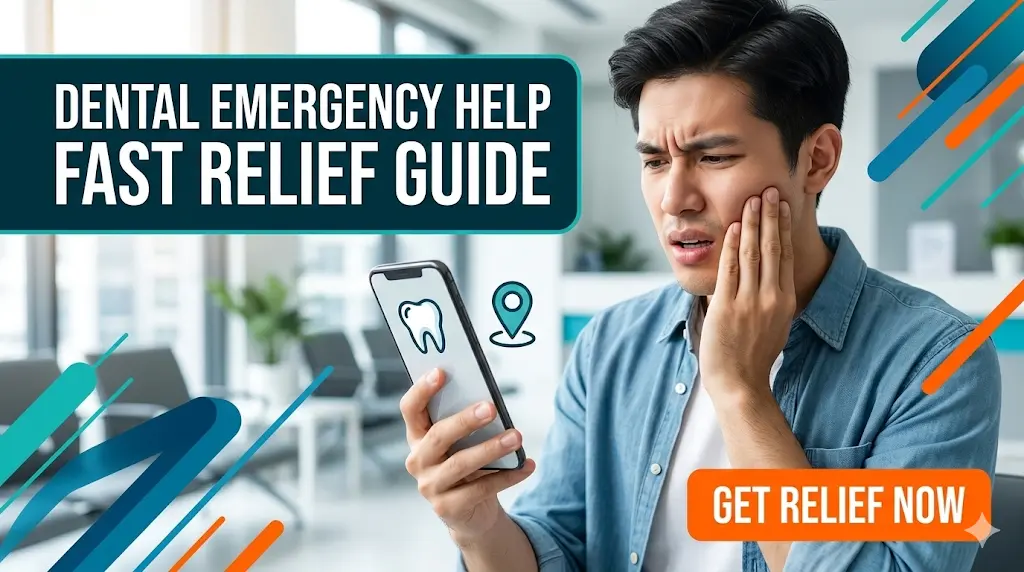
If your emergency falls on a weekend, a public holiday, or the middle of the night, you cannot simply walk into a random dental clinic. Instead, Germany operates a highly structured on-call system known as the Zahnärztlicher Notdienst (dental emergency service).
The Zahnärztlicher Notdienst System
By law, dentists in private practice across Germany must participate in a rotating emergency roster. This means that in any given city or district, there will always be at least one or two dental clinics open outside of regular hours specifically to handle emergencies.
Because the designated clinic changes every single day, you must look up which practice is currently on duty. You do not go to a central hospital; you go to the specific private practice of the dentist who is “on call” (Bereitschaft).
Using Local Online Portals and Hotlines
Finding the on-call dentist requires navigating local portals. Here is the step-by-step process to locate the emergency clinic near you:
- Use the 116117 Patient Service: The central medical on-call number in Germany is 116 117. You can call this number (free of charge) from any phone. However, the operators primarily speak German. Alternatively, you can visit the official website (116117.de), which has a dedicated section for Zahnärztliche Notdienste (dental emergency services). Keep in mind that for general life-threatening emergencies, this is not the right number; ensure you understand the differences outlined in Emergency Numbers in Germany: Calling 112, Poison Control, and More.
- Check your regional KZV website: The Kassenzahnärztliche Vereinigung (Association of Statutory Health Insurance Dentists) manages the emergency roster. Every federal state (e.g., KZV Bayern, KZV Berlin) has its own website. Searching “Zahnärztlicher Notdienst + [Your City]” on Google will almost always bring up the official local KZV portal.
- Look for the pharmacy notice: If you do not have internet access, you can go to the nearest pharmacy (Apotheke). Even if they are closed, every pharmacy in Germany is legally required to post a printed list in their window showing the nearest on-call pharmacy and often the phone number for the regional medical and dental emergency hotlines.
| Emergency Type | Who to Contact | Typical Wait Time |
| Life-threatening (Cannot breathe, massive facial trauma) | 112 (Ambulance / Notarzt) | Immediate |
| Severe toothache, broken tooth (Weekend/Night) | 116 117 or local KZV website (Zahnärztlicher Notdienst) | Varies (Walk-in at the designated on-call clinic) |
| Lost filling, mild ache (Weekday) | Your registered Hauszahnarzt | Next day appointment |
Navigating Costs and Insurance for Emergency Dental Care
The fear of a massive bill often prevents expats from seeking the care they desperately need. The German system is quite protective, but you must understand how your specific insurance handles emergency interventions.
Public Health Insurance Coverage
If you are insured under the statutory health insurance system (Gesetzliche Krankenversicherung or GKV), your emergency visit is heavily subsidized. You must bring your electronic health card (Gesundheitskarte) to the on-call clinic.
The public insurance will fully cover the immediate pain relief. This includes the initial examination, x-rays required to diagnose the emergency, local anesthesia, tooth extractions, and basic emergency fillings (usually amalgam or basic cement) needed to stabilize the tooth.
However, public insurance will not cover high-end restorations during an emergency visit. If you knock out a tooth and need a complex ceramic implant, the emergency dentist will only stabilize the area and stop the bleeding. You will be referred back to your regular dentist for the expensive restorative work, which you will likely have to pay for out of pocket. To fully grasp these baseline limitations, review Public Health Insurance gesetzliche Krankenkasse: What It Covers and Costs.
If you want to ensure you are never caught off guard by these massive restorative bills, it is highly recommended to sign up for supplemental dental insurance (Zahnzusatzversicherung). Feather Insurance offers excellent, expat-friendly supplemental plans that you can sign up for entirely in English. Their plans can cover the expensive ceramic crowns or implants that your basic GKV will reject after your emergency is stabilized.
Private Insurance and Out-of-Pocket Expenses
If you have private health insurance (Private Krankenversicherung or PKV), you are treated as a private patient during the emergency visit. The clinic will treat you, and then they will send an invoice directly to your home address based on the official fee schedule for dentists (GOZ).
Because emergency treatments occur outside regular working hours, dentists are legally allowed to apply a surcharge (Zuschlag) to your invoice. You must pay this invoice yourself and then submit it to your private provider for reimbursement.
For expats who want to bypass the public system’s limitations entirely, comprehensive private providers like Ottonova offer premium plans that cover high-end dental treatments and provide an English-speaking concierge service. If you have a dental emergency, you can use their app to instantly connect with a medical professional who will help you find an English-speaking emergency dentist and confirm your coverage limits on the spot.
Immediate Steps for Dental Accidents
Before you even reach the emergency dentist, the actions you take in the first few minutes after a dental accident can dictate whether a tooth is saved or lost forever.
Handling a Knocked-Out or Broken Tooth
If a tooth is completely knocked out (Zahnavulsion), time is your biggest enemy. The cells on the root surface die very quickly if they dry out.
- Find the tooth: Pick it up by the crown (the white biting surface). Never touch the root, as you will damage the delicate cells needed for reattachment.
- Do not scrub it: If the tooth is dirty, rinse it very gently with cold milk or saline solution. Do not use tap water if possible, and absolutely do not use soap or alcohol.
- Keep it moist: The absolute best place for the tooth is back in its socket. If you cannot reinsert it, place it in a specialized tooth rescue box (Zahnrettungsbox), which is a fantastic item to keep in a home first-aid kit. If you don’t have one, place the tooth in a glass of cold milk or hold it inside your cheek (be careful not to swallow it).
For those who play high-contact sports or cycle frequently in German cities, building a robust home and travel first-aid kit is crucial. You can easily order specialized dental first-aid supplies, temporary filling kits, and high-quality saline rinses through iHerb, which delivers reliably to German addresses and often carries specific international brands you cannot find locally.
Managing Pain While You Wait
If you are dealing with a severe, throbbing toothache and the emergency clinic doesn’t open for a few hours, you need to manage the pain safely.
German pharmacists are highly trained and can provide strong over-the-counter pain relief. Ibuprofen is generally preferred for dental pain due to its anti-inflammatory properties, whereas Paracetamol is less effective for dental swelling.
You can also ask the pharmacist for topical numbing gels containing lidocaine (such as Dynexan or Kamistad) or pure clove oil (Nelkenöl), which is a traditional and highly effective remedy for dulling nerve pain. Remember that the pharmacist can only provide temporary relief; they cannot dispense antibiotics for a dental infection without a prescription. For more context on what you can and cannot buy, consult Understanding the Apotheke’s Role: Minor Ailments the Pharmacist Can Help With.
Crucially, never place an aspirin directly on your gums next to the aching tooth. This is a persistent myth that will cause severe chemical burns to your soft tissue, compounding your emergency. Keep your mouth clean, use a cold compress on the outside of your cheek to reduce swelling, and get to the Notdienst as soon as possible.
References
Primary sources (official)
- Kassenzahnärztliche Bundesvereinigung (KZBV) – Patient Information: https://www.kzbv.de/
- 116117 Patientenservice – Zahnärztliche Notdienste: https://www.116117.de/de/zahnaerztliche-notdienste.php
Other helpful sources
- Migration und Gesundheit – The German Health Care System and Emergencies: https://www.migration-gesundheit.bund.de/en/health-care-system
Disclaimer
This article is for informational purposes only and does not constitute formal medical advice. If you are experiencing a life-threatening medical emergency, severe bleeding, or swelling that impairs your breathing, call 112 immediately or proceed to the nearest hospital emergency room. Dental insurance policies and emergency service structures vary by region and provider; always verify your coverage and local clinic availability directly.