First Aid Kit for Your Home: Must-Have Items in Germany
Getting sick on a Sunday in Germany when everything is closed, only to realize the local grocery store doesn’t sell a single painkiller, is a rite of passage. I learned this the hard way when a sudden weekend migraine left me completely stranded without ibuprofen. This guide walks you through building your German home first aid kit so you are never caught unprepared.
Disclosure: This post may contain affiliate links. We may earn a commission at no extra cost to you if you make a purchase through these links. Read full disclosure.
The Strict Divide Between Apotheke and Drogerie
Why You Cannot Buy Aspirin at the Supermarket
One of the biggest cultural shocks for expats moving to Germany from the US, UK, or Australia is the absolute monopoly pharmacies hold over medication. Back home, you might be used to tossing a massive bottle of 500 paracetamol pills into your grocery cart next to the milk and bread. In Germany, this is strictly illegal.
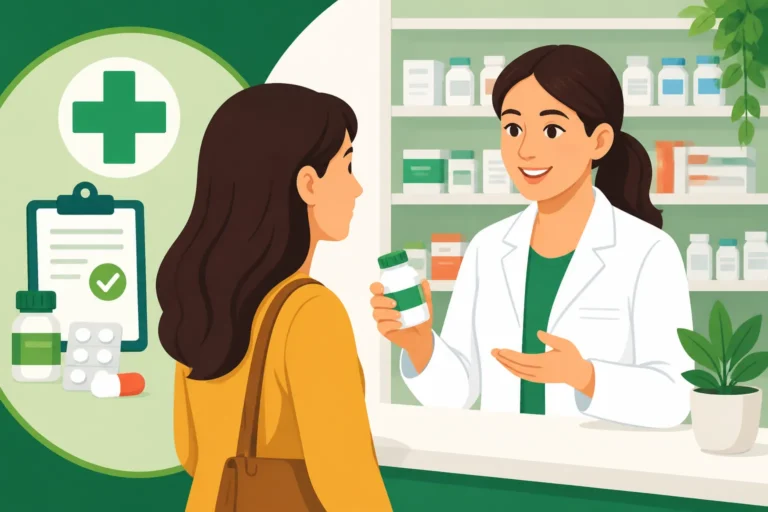
You cannot buy active medication at a supermarket, nor can you buy it at a Drogerie (drugstore) like dm or Rossmann. While those stores sell band-aids, vitamins, herbal teas, and throat lozenges, any product containing an active pharmaceutical ingredient—even basic aspirin, ibuprofen, or allergy medication—is restricted to a licensed Apotheke. This strict regulatory divide is a massive hurdle when you are already feeling unwell and just want quick relief. I highly recommend reading Pharmacies in Germany: Apotheke vs Drogerie Explained to fully grasp how this retail system works before you actually need it.
The Cost of Building Your Kit
Because medications are sold exclusively in pharmacies, the prices are generally much higher than what you might expect for over-the-counter (OTC) drugs in your home country. Furthermore, pharmacists will rarely sell you “bulk” bottles. Medication is typically dispensed in blister packs containing 10 to 20 tablets. The German medical philosophy emphasizes buying only what you need for an acute illness, rather than hoarding large supplies.
Building a comprehensive Hausapotheke (home pharmacy) from scratch at a local Apotheke can easily cost you upwards of €50 to €80. It is an investment, but it is an absolutely necessary one. When you inevitably catch a winter bug on a Friday evening, having these essentials already in your bathroom cabinet is priceless. To help you navigate the language barrier when you finally go shopping for these items, keep our Common German Medical Terms: A Mini Dictionary for Patients handy.
Essential Items for Your German First Aid Kit
Pain and Fever Relief (Schmerzmittel)
The foundation of any good first aid kit is reliable pain and fever management. When you walk into an Apotheke, you will need to ask the pharmacist specifically for what you want, as these items are kept behind the counter.
For general headaches, fever, and body aches, you will want to ask for Ibuprofen (usually sold in 400mg doses without a prescription) or Paracetamol (usually 500mg). If you suffer from migraines or severe tension headaches, Thomapyrin is a very popular German OTC option that combines aspirin, paracetamol, and caffeine.
If you have specific preferences for topical pain relief, such as deep-heating muscle rubs or specialized joint ointments that you used back home, local pharmacies might not stock your exact brand. In these cases, many expats find it much easier to order familiar recovery balms and holistic pain management supplements through global wellness platforms like iHerb, having them shipped directly to their German address.
Cold, Flu, and Digestion (Erkältung und Magen)
German doctors famously prefer prescribing rest and herbal teas for a standard cold rather than heavy medication. As a result, German cold remedies are often gentler than the aggressive multi-symptom syrups you might find in North America. To prepare for the winter, stock up on Nasenspray (decongestant nasal spray), Hustenstiller (cough suppressant for dry coughs), and Hustenlöser (expectorant for chesty coughs). For more details on surviving the winter bugs, check out Dealing with Cold and Flu Season: Common Remedies in Germany.
Stomach bugs are another sudden emergency you must prepare for. Your kit should absolutely include Loperamid (for diarrhea) and Elotrans or Oralpädon (electrolyte powders to prevent dehydration). A classic German staple for general stomach upset and nausea is Iberogast, an herbal liquid drop that many locals swear by.
Wound Care and Bandages (Verbandsmaterial)
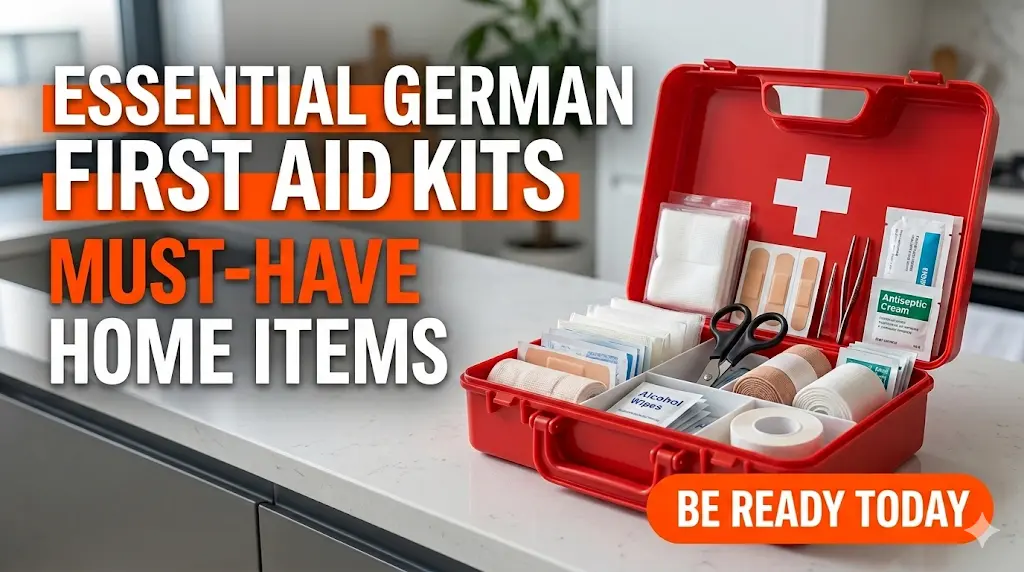
For cuts, scrapes, and minor kitchen burns, your kit needs basic wound care. You can actually buy excellent, cheap bandage supplies at a Drogerie like dm, saving you the pharmacy markup.
Make sure you have Pflaster (standard band-aids), Mullbinden (gauze bandages), and Kompressen (sterile compresses). Crucially, you need a good wound disinfectant. Octenisept is the standard, painless antiseptic spray used in almost every German household and hospital. A smart expat hack is to simply buy a generic car first aid kit (DIN 13164 standard) from a hardware store or Amazon. By law, German cars must carry these, and they contain an incredible, highly organized assortment of sterile bandages, scissors, and a foil rescue blanket for about €10.
| Category | German Term | Use Case / Equivalent |
| Pain/Fever | Ibuprofen (400mg) | Standard painkiller, fever reducer |
| Pain/Fever | Paracetamol (500mg) | Tylenol equivalent |
| Wound Care | Octenisept | Painless antiseptic spray |
| Wound Care | Pflaster | Band-aids / plasters |
| Digestion | Loperamid | Imodium equivalent |
| Digestion | Elotrans | Electrolyte powder (hydration) |
| Cold/Flu | Nasenspray | Decongestant nasal spray |
Navigating Expat Preferences and Insurance
Sourcing Familiar International Brands
It is incredibly common to feel frustrated when a local pharmacist tells you that your preferred melatonin dosage, a specific antihistamine, or your trusted brand of vitamin C is either unavailable or requires a doctor’s prescription in Germany. The German medical system is conservative, and dosages for over-the-counter supplements are kept intentionally low.
When you cannot find exactly what your body is used to, you do not have to settle. Many of us in the expat community routinely use iHerb to bridge this gap. Sourcing your preferred wellness supplements, specific vitamins, and larger quantities of international health products via iHerb ensures your home kit actually serves your needs without forcing you to constantly navigate the local pharmacy bureaucracy.
Prescriptions and Health Insurance Coverage
If your first aid needs require stronger medication, you will have to visit a doctor for a prescription (Rezept). If you are enrolled in the public statutory health insurance (Gesetzliche Krankenversicherung), most prescribed, medically necessary medications are covered, leaving you with just a small co-pay of €5 to €10 at the pharmacy counter.
However, getting an appointment to get that prescription can take days. If you are insured through premium private health insurance providers like Ottonova, you often have access to 24/7 tele-doctor apps. This means you can get a digital consultation and an electronic prescription sent directly to your phone within minutes, completely bypassing the waiting room. Understanding these coverage perks is vital when choosing your insurance tier. If you are still deciding how to set up your coverage, specialized expat brokers like Feather Insurance provide excellent English-language guidance to help you navigate the system.
Emergency Protocols and Night Pharmacies
Using the Apotheken Notdienst
Even with a well-stocked Hausapotheke, emergencies happen. If you run out of an essential item at 10 PM on a Saturday, you cannot wait until Monday morning. Fortunately, Germany operates a legally mandated emergency pharmacy network called the Apotheken-Notdienst.
Every night and every Sunday, a rotating selection of pharmacies stays open 24/7. To find the nearest one, you can check the website aponet.de or look at the front door of any closed pharmacy; they are legally required to post a printed list of the nearest open Notdienst locations. When you visit a night pharmacy, you will usually ring a bell and speak to the pharmacist through a small service hatch. Be prepared to pay a small emergency surcharge (usually around €2.50) on top of your medication costs.
When to Call the Doctor Instead
Your home first aid kit is meant for minor ailments. If you or a family member are experiencing a high fever that won’t break, severe pain, or a suspected infection, do not rely on your bathroom cabinet. You need professional medical care.
If it is after normal clinic hours but not a life-threatening emergency, you can call the medical on-call service (Ärztlicher Bereitschaftsdienst) at 116117. They can dispatch a doctor to your home or direct you to an after-hours clinic. If you need to miss work to recover, simply medicating at home is not enough to protect your salary.
By keeping your Hausapotheke stocked, understanding your insurance options with tools like Feather Insurance or Ottonova, and knowing how to source your international favorites through iHerb, you can handle almost any minor health hiccup Germany throws your way.
References
Primary sources (official)
- Bundesgesundheitsministerium (Federal Ministry of Health): Official guidelines on pharmacy regulations, the dispensing of medications, and the Apotheken-Notdienst system.https://www.bundesgesundheitsministerium.de/
- Aponet.de: The official health portal of German pharmacists, featuring the nationwide search tool for emergency night and Sunday pharmacies.https://www.aponet.de/
Other helpful sources
- Make it in Germany: The German government’s official information portal for international professionals, detailing how the healthcare and pharmacy systems function for expats.https://www.make-it-in-germany.com/en/living-in-germany/health-healthcare
- Deutsches Rotes Kreuz (German Red Cross): Recommendations and official checklists for home first aid kits and emergency preparedness.https://www.drk.de/
Disclaimer
The information provided in this article is for general informational and educational purposes only and does not constitute professional medical, legal, or financial advice. Medication availability, pharmacy regulations, and the exact coverage limits provided by insurance companies are subject to change and vary based on your specific policy. Always consult with a licensed medical professional or pharmacist before starting any new medication, and call 112 in the event of a medical emergency.