German Pharmacies (Apotheke): Prescriptions and Advice
Walking into a German supermarket looking for a simple pack of ibuprofen only to realize the shelves are stocked with nothing but tea and vitamins is a rite of passage for every expat. I remember my first winter in Berlin, shivering with a fever, wandering through three different grocery stores before a kind neighbor explained that even a basic painkiller requires a trip to a specialized shop. This guide solves the mystery of the German Apotheke, ensuring you never feel lost when you need medical relief.
Disclosure: This post may contain affiliate links. We may earn a commission at no extra cost to you if you make a purchase through these links. Read full disclosure.
Understanding the German Apotheke Culture
The first thing you need to realize is that the German pharmacy, or Apotheke, is a highly regulated and respected institution. Unlike the massive "drugstores" you might find in the US or the UK, which sell everything from milk to mascara, a German Apotheke is almost exclusively focused on health. You won't find a snack aisle here. Instead, you find a clinical, professional environment where the staff are highly trained medical experts.
In Germany, the distinction between a Drogerie (like dm or Rossmann) and an Apotheke is absolute. You go to a Drogerie for toothpaste, diapers, and organic snacks. You go to an Apotheke for anything that is considered apothekenpflichtig—medication that legally must be sold by a pharmacist. This includes things that are sold over-the-counter in other countries, like high-dose aspirin or cough syrup with active medicinal ingredients. It can feel like an unnecessary hurdle when you just want a quick fix for a headache, but the system is designed to prioritize patient safety and professional consultation.
The Red "A" symbol is your beacon. You will see this stylized red letter above every pharmacy in the country. It is a protected symbol, and seeing it guarantees that a licensed pharmacist is on-site. In Germany, a pharmacy must be owned and operated by a pharmacist, which prevents massive corporate chains from dominating the market. This results in a very high density of small, independent pharmacies, often passed down through families. For a deeper look at how this fits into the broader system, see our guide on Navigating Medical Care in Germany: Doctors, Hospitals, and Pharmacies.
The Role of the Pharmacist
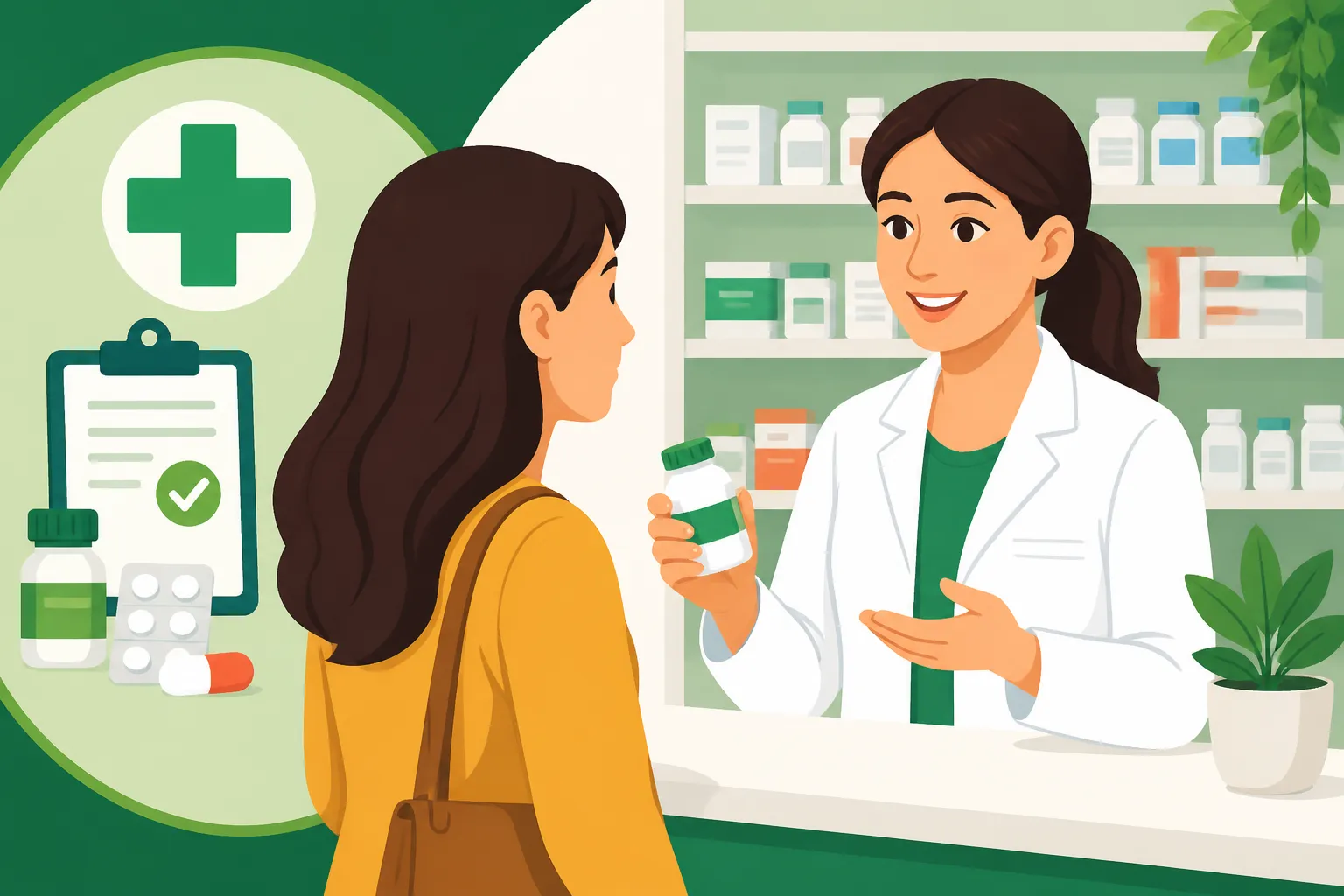
When you step up to the counter, you aren't just talking to a retail clerk; you are talking to someone who has completed years of rigorous university study. Pharmacists in Germany are authorized to give detailed medical advice and can often help you decide if you actually need to see a doctor or if an OTC remedy will suffice. I have personally saved hours in waiting rooms by simply asking my local Apotheker for a recommendation for a skin rash or a persistent cough.
They take their advisory role very seriously. Do not be surprised if they ask you several questions about your symptoms, other medications you are taking, or even your general lifestyle. This isn't them being nosy; it’s a legal and professional obligation to ensure you don’t have a dangerous reaction. This level of care is one of the pillars of The German Apotheke Experience: Why Pharmacies Are More Than Just Medicine.
The Physical Layout and Atmosphere
German pharmacies are usually divided into two sections: the "Sichtwahl" (the shelves behind the counter that you can see but not touch) and the "Freiwahl" (the shelves in the front with lotions, herbal teas, and bandages). Most medications, even non-prescription ones, are kept in the Sichtwahl or even further back in the "Magazin." You have to ask for them.
This can be intimidating if your German isn't perfect, but many pharmacists in larger cities speak excellent English. If you’re feeling overwhelmed by the administrative side of living here, services like Feather Insurance can help you navigate the complexities of the healthcare system so you can focus on getting better. The atmosphere is generally quiet and private, often with discrete zones for consultations.
Navigating the German Prescription System
The German prescription system is famously colorful. When a doctor hands you a piece of paper, the color of that paper tells the pharmacist exactly who is paying for the medication and how much you need to contribute. If you are new to the country, this "color-coding" can look like a bureaucratic puzzle, but it’s actually quite logical once you know the key.
For most expats on public insurance, the pink slip (Kassenrezept) is what you will see most often. This is the standard prescription for medications covered by the "gesetzliche Krankenkasse." You usually only pay a small co-payment, while the insurance covers the rest. If you are curious about what else your insurance handles, you might want to read about Public Health Insurance (gesetzliche Krankenkasse): What It Covers and Costs.
Pink, Blue, Green, and Yellow Prescriptions
The pink prescription is valid for 28 days from the date of issue. If you wait longer than a month to go to the pharmacy, the slip becomes invalid for insurance purposes, and you might have to pay the full price or go back to the doctor for a new one. I once made the mistake of leaving a pink slip in my drawer for six weeks, only to find out it was "expired" at the counter—save yourself the hassle and go to the Apotheke immediately.
Blue prescriptions are typically for private patients or for medications that are not covered by public insurance. If you have private insurance, you pay the full amount at the pharmacy, keep the receipt, and then send it to your provider for reimbursement. For those considering this route, Private Health Insurance in Germany: Benefits, Costs, and Eligibility offers a detailed comparison. Providers like ottonova have made this even easier by allowing you to scan your receipts directly into an app for faster payout.
Green prescriptions are technically "recommendations." These are for OTC medications that the doctor thinks will help you but aren't legally covered by insurance. You pay the full price for these. Yellow prescriptions are for strictly regulated substances, such as strong painkillers or certain ADHD medications, and they have very short validity periods (usually seven days).
| Prescription Color | Who is it for? | Validity Period | Typical Cost to Patient |
|---|---|---|---|
| Pink (Rosa) | Publicly Insured | 28 Days | €5 – €10 Co-payment |
| Blue (Blau) | Privately Insured / Self-pay | 3 Months | Full price (reimbursable) |
| Green (Grün) | Recommendations (OTC) | Indefinite | Full price |
| Yellow (Gelb) | Regulated Substances | 7 Days | Varies by insurance |
The Move to E-Prescriptions
Germany is finally embracing the digital age with the "E-Rezept." Instead of a paper slip, your doctor may give you a printout with a QR code, or better yet, save it directly to your health insurance card (eGK). You simply hand your card to the pharmacist, they scan it, and your prescription appears on their screen. This is a massive improvement for anyone who has ever lost a paper slip on the way to the bus stop.
Digital-first insurers like ottonova are at the forefront of this, integrating e-prescription data into their platforms to provide a seamless experience. If you are someone who prefers managing your life through an app, this shift is a welcome relief from the traditional paper-heavy German bureaucracy. You can learn more about this in our article on Telemedicine in Germany: Online Doctor Appointments and e-Prescriptions.
Understanding Pharmacy Co-payments
Even with public insurance, you aren't getting everything for free. The "Zuzahlung" is a mandatory co-payment that usually ranges from €5 to €10 per medication. It is calculated as 10% of the price of the drug, but with a minimum of €5 and a maximum of €10. If the drug costs less than €5, you just pay the actual price.
There are certain exemptions, such as for children under 18 or for people with chronic illnesses who have reached a certain "burden limit" (Belastungsgrenze) of their annual income. If you find yourself spending a significant portion of your salary on medication, it is worth talking to your Krankenkasse about an exemption certificate.
Over-the-Counter Medication and Advice
As I mentioned earlier, "over-the-counter" (OTC) in Germany doesn't mean "on the shelf at the grocery store." It means "available at the pharmacy without a prescription." This category is known as apothekenpflichtig. Because these drugs can only be sold in an Apotheke, you are paying for the safety of having a professional check your choice.
This can be frustrating when you just need some nasal spray at 9:00 PM on a Saturday. However, the benefit is that you can get high-quality advice on Common Over-the-Counter Medicines in Germany: A Guide for Cold, Pain, and More without needing to make a doctor's appointment. Most pharmacists will even suggest "Hausmittel" (home remedies) like specific teas or inhalations that are culturally very popular in Germany.
Why You Can’t Buy Aspirin at the Supermarket
The German logic is that even common drugs like paracetamol or ibuprofen carry risks if taken incorrectly. By restricting sales to pharmacies, the government ensures that every sale is potentially preceded by a "How often are you taking this?" or "Do you have any stomach issues?" For an expat used to buying 500-count bottles of painkillers at a warehouse club, the 10-pack limit at a German pharmacy can be a shock.
If you are just visiting or are here on a short-term contract, travel-focused options like SafetyWing can provide the necessary health coverage to ensure that if you do need more significant medication, your costs are handled. But for the small stuff, you’ll be paying out of pocket at the Apotheke counter.
Seeking Professional Medical Advice
If you have a minor ailment—a cold, a slight burn, or a digestive issue—the Apotheke should be your first stop. Before you go through the effort of Finding a Doctor (Hausarzt) in Germany: How to Choose and Register, see what the pharmacist says. They can provide creams for allergies, drops for dry eyes, and a wide variety of herbal medicines that are clinically tested and highly effective.
Germans have a deep respect for "Naturheilkunde" (natural healing). You will see entire sections of the pharmacy dedicated to homeopathy, herbal extracts, and essential oils. While some expats are skeptical of these, many of the herbal teas and tinctures (like those for coughs or sleep) are staples of German life and surprisingly powerful.
Common German Brand Names for Expats
Navigating brand names is another hurdle. Tylenol doesn't exist here; you’re looking for Paracetamol (often branded as Ben-u-ron). Advil is replaced by various Ibuprofen brands like Aktren or Ibutop. If you are looking for Pepto-Bismol, you won’t find it; you’ll likely be suggested Iberogast, a herbal liquid that Germans swear by for all stomach woes.
It helps to know the active ingredient name rather than the brand name. Writing down "Ibuprofen 400mg" or "Cetirizine" on a piece of paper and showing it to the pharmacist is a foolproof way to get what you need without the language barrier becoming an issue. For a more detailed breakdown, check our guide on Understanding German Medicine Dosages: Reading Labels and Instructions.
After-Hours and Emergency Services
Germans value their rest, which means almost everything—including pharmacies—is closed on Sundays and after 6:00 or 8:00 PM on weekdays. But what happens if you get a piercing earache at midnight or your child develops a fever on a Sunday morning? This is where the "Notdienst" (emergency service) system comes in.
Every day, a rotating schedule of pharmacies stays open 24/7 to handle emergencies. This ensures that no matter where you live, there is always an open pharmacy within a reasonable distance. However, be prepared to pay a small "Notdienstgebühr" (emergency fee), usually around €2.50, for the service after hours.
The Notdienst System
The system is highly organized. Every pharmacy has a sign in their window listing the nearest open pharmacies for that night and the coming weekend. It’s a literal map or list printed out and taped to the glass. In the digital age, you can also find this information online or through various apps. I’ve often found myself standing in front of a closed Apotheke at 10:00 PM, using my phone light to read the list of which pharmacy in the neighborhood is actually on duty.
For a step-by-step on how to navigate this, read Pharmacy Sundays: How to Find an Open Apotheke After Hours. It’s also important to note that you don't usually walk into the pharmacy during Notdienst. Instead, you ring a bell at a small window (the "Notdienstklappe"). You speak to the pharmacist through the glass, they get your medicine, and you pay through a small drawer. It feels a bit like a secret transaction, but it’s for the safety of the pharmacist working alone at night.
Finding an Open Pharmacy on Sundays
Sundays in Germany are quiet, but the Notdienst is always there. You can search on websites like aponet.de to find the "Notdienstsuche." You just enter your zip code, and it tells you exactly which Apotheke is open. If you are covered by a modern plan like those from Feather Insurance, they often provide resources or links to help you find these services quickly when you're in a panic.
If your situation is more serious than just needing medication, you should know how to navigate the broader medical landscape. Check our article on Health Insurance in Germany: Understanding Public vs Private Coverage to understand how emergency visits are billed compared to pharmacy runs.
Safety and Security During Emergency Visits
The Notdienst is intended for urgent needs. While they will sell you a bottle of aspirin if you have a migraine, they aren't there for you to do your weekly shopping for vitamins or face cream. The pharmacists are often tired from a long shift, so it’s best to be direct, have your prescription or symptoms ready, and have cash or a card on hand. Most modern pharmacies now accept cards even at the emergency window, but having €20 in cash is a safe "expat rule of thumb" in Germany.
Managing Your Healthcare Costs and Insurance
While the quality of care in Germany is high, the costs can add up if you aren't careful about how you use your insurance. Whether you are on the public system or have a private plan through a provider like ottonova, understanding how to get your money back for medications is crucial for your monthly budget.
For public patients, the process is mostly automatic at the counter. You pay your co-payment, and the pharmacist handles the billing with your Krankenkasse. For private patients, the process requires a bit more legwork, but it often allows for more flexibility and access to specialized medications.
Private vs. Public Insurance Reimbursement
If you are privately insured, you are a "Selbstzahler" at the pharmacy. You pay the full price of the prescription upfront. The pharmacist will then give you the medication along with a stamped copy of the prescription and a detailed receipt. You must keep these! You then submit them to your insurance company.
This is where the "expat-friendly" nature of your insurer matters. Traditional German private insurers might require you to mail in paper receipts once a month. In contrast, tech-savvy companies like ottonova allow you to take a photo of the receipt and get reimbursed in days. If you're a digital nomad or frequent traveler, having coverage like SafetyWing ensures you have a safety net, though their pharmacy reimbursement rules are specific to emergency needs.
Saving Money on Medications
Did you know that you can often ask for a "Generikum" (generic version) of a drug? In Germany, pharmacists are often legally required to give you the cheapest version of a medication that is covered by your specific insurance's "Rabattvertrag" (discount contract). This might mean you get a different brand name than what the doctor wrote down, but the active ingredient is identical.
If you are paying out of pocket for OTC meds, don't be afraid to ask: "Gibt es eine günstigere Alternative?" (Is there a cheaper alternative?). Often, a generic paracetamol is half the price of the heavily marketed brand names. This is one of many tips we cover in our comprehensive guide on Health Insurance in Germany: Understanding Public vs Private Coverage.
Online Pharmacies (Versandapotheken)
For chronic medications that you need every month, online pharmacies like DocMorris or Shop Apotheke can be a lifesaver. They often offer lower prices for OTC products and can even process e-prescriptions. They deliver right to your door, which is a godsend if you are too sick to leave the house. However, for an immediate need, the local brick-and-mortar Apotheke remains the gold standard because of the face-to-face advice.
Practical Tips for a Smooth Apotheke Visit
After years of living here, I've developed a few "pro-tips" for dealing with German pharmacies. First, always carry your health insurance card. Even if you don't have a prescription, some pharmacies can use it to keep a record of what you've bought in case of drug interactions. Second, don't be afraid to ask for the "Packungsbeilage" (leaflet) in English. While the physical printout will be in German, many pharmacists can point you to an online version or explain the dosage clearly.
Language is the biggest barrier for many. If your German is shaky, remember these key phrases:
- "Ich habe eine Erkältung." (I have a cold.)
- "Haben Sie etwas gegen Kopfschmerzen?" (Do you have something for a headache?)
- "Wie oft muss ich das einnehmen?" (How often do I have to take this?)
Understanding Dosage and German Instructions
German doctors and pharmacists use specific shorthand for dosages. If they write "1-0-1" on the box, it means take one in the morning, zero at lunch, and one in the evening. If it says "vor dem Essen," that means before a meal. Knowing these small details can prevent errors. For a full list of these terms, check out Understanding German Medicine Dosages: Reading Labels and Instructions.
Also, pay attention to the "Haltbarkeitsdatum" (expiry date). German pharmacies are very strict about this, and they will never sell you anything close to expiry. Once you get home, keep your medications in their original boxes, as the "Beipackzettel" (information sheet) contains vital information that is often lost if you just throw the pills in a drawer.
Loyalty Cards and Extra Services
Many local pharmacies offer a "Kundenkarte" (customer card). It’s free and offers several benefits, such as a small discount on non-prescription items and a year-end printout of all your co-payments, which you can use for tax deductions. Some pharmacies also offer extra services like blood pressure checks, diabetes screenings, or even fitting for compression stockings.
These small neighborhood shops are a wealth of health resources. By building a relationship with your local Apotheker, you gain an ally in the often-confusing world of German healthcare. Whether you are dealing with a minor flu or managing a long-term condition, the Apotheke is more than just a shop—it’s your primary gateway to feeling better in your new home. For more on the big picture, read our Healthcare in Germany: A Comprehensive Guide for Expats.
Disclaimer
The information provided in this article is for informational purposes only and does not constitute professional medical or legal advice. While we strive to keep the details accurate and up-to-date, healthcare regulations and insurance policies in Germany can change frequently. Always consult with a licensed medical professional or a qualified insurance advisor regarding your specific health needs and coverage. For the most current official information, please refer to the German Federal Ministry of Health or your specific health insurance provider.