What SafetyWing Does Not Cover in Germany: The Exclusion List, Line by Line
Navigating the labyrinthine world of health insurance in Germany as an expat can feel like a full-time job in itself, and when you finally find a seemingly straightforward option like SafetyWing, it’s easy to breathe a sigh of relief. However, as many of us discover, the devil is always in the details, especially when it comes to what your policy doesn't cover. This guide is here to cut through the jargon and explain exactly where SafetyWing draws its lines, so you can make informed decisions for your health and wallet while living or traveling in Germany.
Disclosure: This post may contain affiliate links. We may earn a commission at no extra cost to you if you make a purchase through these links. Read full disclosure.
The Foundational Philosophy Behind SafetyWing's Exclusions
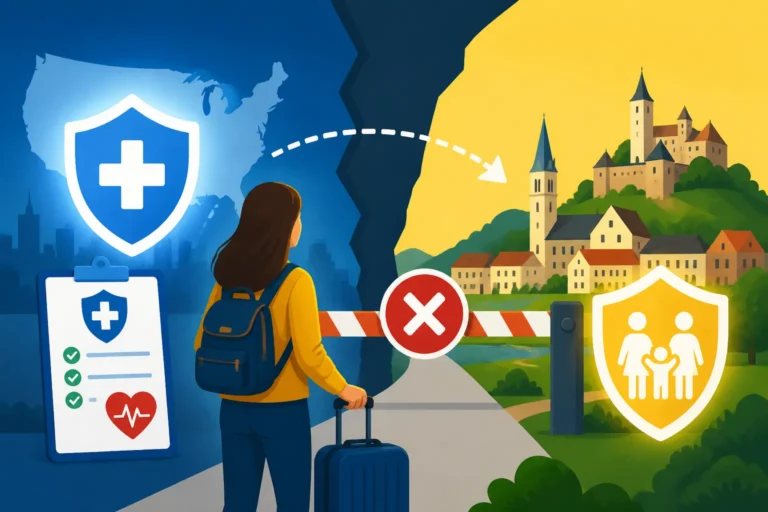
Before we dive into the nitty-gritty of what SafetyWing won't cover, it’s crucial to understand the very nature of this type of insurance. SafetyWing is designed primarily as a travel medical insurance for digital nomads and remote workers. It’s built for flexibility, international coverage, and generally to cover unexpected, acute medical emergencies while you’re abroad or in transit. It’s not a substitute for a comprehensive, long-term health insurance policy from a German Krankenkasse (health insurance provider).
This distinction is key because it shapes all the exclusions. Insurance companies operate on risk assessment. They categorize events and conditions to ensure they can sustain their business while providing a safety net. For a company like SafetyWing, which targets a mobile, often transient population, their policy is crafted to cover the immediate, unforeseen issues that could arise. This means planned, routine, or pre-existing conditions typically fall outside their scope, as they represent predictable, ongoing costs that would skyrocket premiums for everyone. Believe me, I’ve seen countless expats arrive in Germany thinking their short-term travel insurance will cover everything, only to face a rude awakening when a chronic condition flares up or they need a routine check-up. Understanding this fundamental difference is the first step to avoiding disappointment and ensuring you're adequately covered, especially if Germany is becoming more than just a temporary stop.
Specific Medical Exclusions to Be Aware Of
When you pore over any insurance policy, the exclusion list is where the dream of full coverage often meets the reality of practical limits. With SafetyWing, which is a fantastic product for its intended purpose, these exclusions are particularly important for anyone spending extended time in Germany. Let's break down the common medical areas where you generally won't find coverage.
Pre-Existing Conditions and Chronic Illnesses
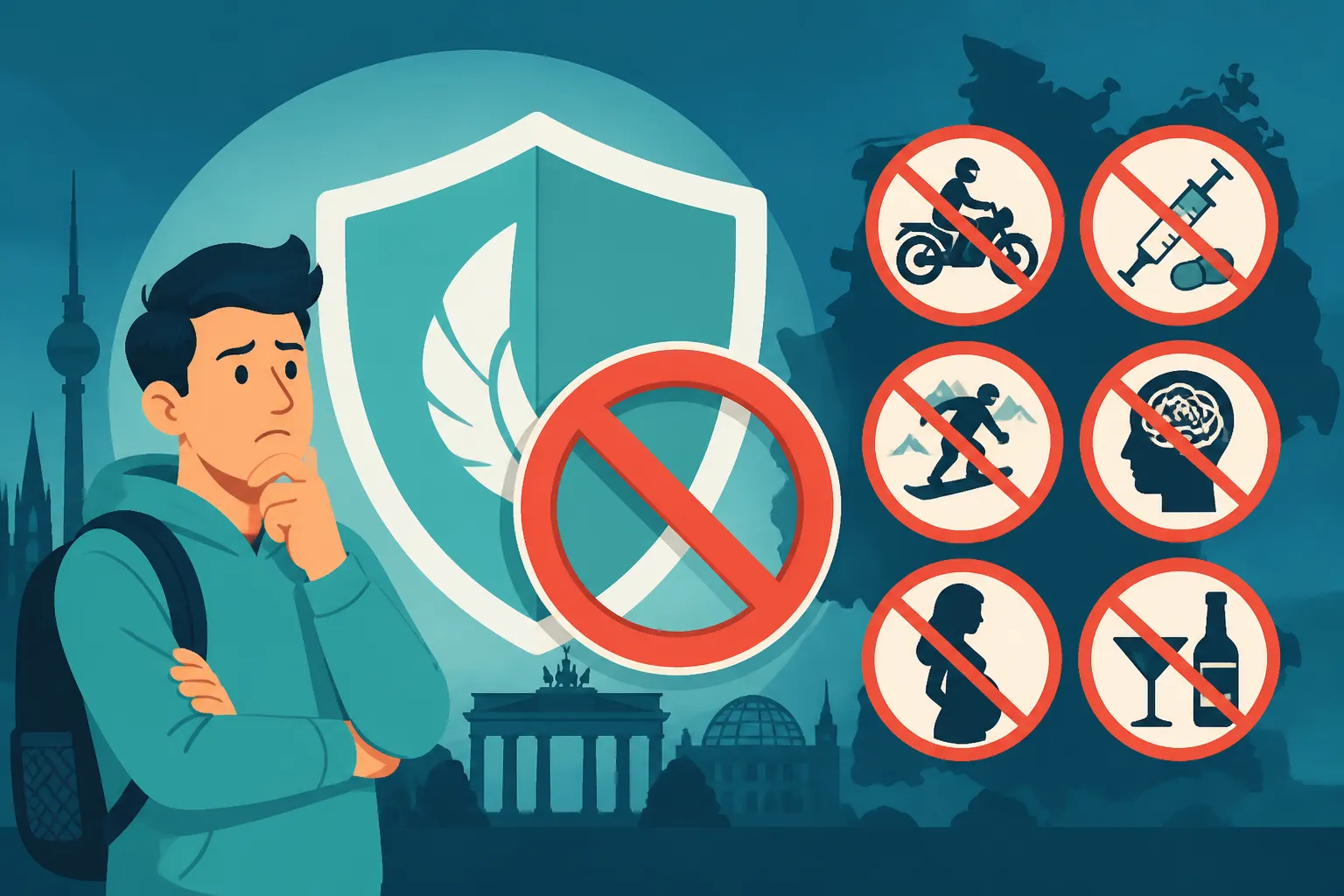
This is arguably the biggest area of concern for many expats. SafetyWing generally does not cover pre-existing conditions. What does "pre-existing" mean in this context? Typically, it refers to any illness, injury, or medical condition for which you've received diagnosis, care, or treatment, or for which symptoms were present, within a certain period (often 180 days or 6 months) before your coverage started.
Imagine this scenario: you've been managing Type 2 diabetes for years, controlled with medication. If you move to Germany and sign up for SafetyWing, any medical costs related to your diabetes – routine check-ups, medication refills, or even complications arising from it – would likely be excluded. The policy is designed for new and unexpected illnesses or injuries. This can be incredibly frustrating if you rely on regular specialist visits or specific medications. For long-term residency and managing a chronic condition in Germany, this is precisely why a proper German health insurance plan, be it public or private, is indispensable. They have different rules and often cover pre-existing conditions after certain waiting periods or specific underwriting processes, which SafetyWing as a travel medical plan simply isn't designed for. If you're pondering the long-term, remember that a proper Healthcare in Germany: A Comprehensive Guide for Expats will tell you about the local system built for this very purpose.
Routine Check-ups and Preventive Care
Forget your annual physical, cancer screenings, or routine vaccinations when relying solely on SafetyWing. This insurance typically does not cover routine medical examinations, preventive care, or health screenings that are not directly related to an acute illness or injury.
In Germany, the public health insurance system places a strong emphasis on Vorsorgeuntersuchungen (preventive check-ups). Things like annual dentist visits, regular gynecological exams, basic health checks for adults over 35, and childhood vaccinations are all standard offerings under a public Krankenkasse. With SafetyWing, these are out. If you decide to get an annual flu shot or a general check-up just because it's good practice, you'll be paying out of pocket. This isn't a flaw in SafetyWing; it's just not what it's built for. It’s for the unexpected broken leg, not the proactive health management that German insurance encourages. This is a common point of confusion for newcomers, as the idea of not having coverage for preventive care can feel alien if you come from a system that heavily subsidizes it.
Maternity, Childbirth, and Fertility Treatments
For those planning to start a family or who are already pregnant, SafetyWing is not an appropriate long-term solution for maternity care in Germany. The policy generally excludes costs related to pregnancy, childbirth, and postnatal care, unless specifically stated otherwise or if it's an acute, life-threatening complication that arises unexpectedly and is covered under their acute illness clause. But even then, it's very limited.
Fertility treatments are almost universally excluded from travel medical insurance policies. This means if you’re looking into IVF or other reproductive health services in Germany, SafetyWing won't cover those costs. German public health insurance, on the other hand, provides extensive Pregnancy and Childbirth in Germany: Prenatal Care to Delivery and even covers a portion of fertility treatments under specific conditions. This is a huge area where the distinction between travel medical insurance and comprehensive German health insurance becomes starkly clear. If you're considering having a baby in Germany, relying on SafetyWing would leave you with exorbitant out-of-pocket expenses.
Mental Health Services (Non-Emergency)
While SafetyWing may cover acute psychiatric emergencies – situations where you pose an immediate danger to yourself or others and require hospitalization – it does not cover routine or long-term mental health care, therapy, or counseling. This is a significant exclusion, particularly in a world where mental well-being is increasingly recognized as vital.
If you’re seeking therapy for anxiety, depression, or simply need ongoing psychological support, SafetyWing won't pick up the tab for weekly sessions or psychiatric consultations for medication management. The German healthcare system, while it has its own challenges with Mental Health Care in Germany: Finding Therapists and Psychologists due to wait times, does cover these services under public or private health insurance. For many expats dealing with culture shock, homesickness, or the general stresses of moving, access to mental health support is critical. SafetyWing, unfortunately, is not designed to be that safety net for ongoing mental wellness.
Routine Dental and Vision Care
Emergency dental work – think a sudden toothache requiring an extraction, or a cracked tooth from an accident – might be covered by SafetyWing up to a certain limit. However, routine dental check-ups, cleanings, orthodontics (braces), veneers, or major restorative work like crowns or implants are typically excluded.
The same goes for vision. If you have a sudden eye injury, that might be covered. But routine eye exams, purchasing new glasses or contact lenses, or elective procedures like Lasik surgery are not. In Germany, basic dental care is covered by public insurance, but many opt for supplementary Dental Insurance in Germany: Do You Need Extra Coverage for Teeth to cover higher costs. Vision care is usually only covered for significant medical need or children; otherwise, glasses are mostly out-of-pocket, but at least the exam is often covered by basic German insurance. With SafetyWing, you're on your own for any non-emergency dental or vision needs.
Elective and Cosmetic Procedures
This one might seem obvious, but it's worth stating clearly: SafetyWing does not cover any elective procedures, cosmetic surgery, or treatments that are not medically necessary. If you want a rhinoplasty, a tummy tuck, or even a specific dermatology treatment for aesthetic reasons, you'll be paying for it entirely yourself. This applies to virtually all insurance, but for expats exploring healthcare options, it's an important point of clarity. Medical necessity is a crucial standard for any insurer, and if a procedure doesn't meet that bar, it won't be covered.
Non-Medical and Activity-Based Exclusions You Might Overlook
Beyond direct medical conditions, insurance policies also include exclusions based on activities, circumstances, or the nature of your claim. With SafetyWing's focus on digital nomads and travelers, these can sometimes catch people off guard.
High-Risk Sports and Activities
While SafetyWing is generally quite good about covering a range of recreational sports, there are limits. Extreme sports, high-risk activities, or professional athletic pursuits are typically excluded. This could include things like mountaineering, rock climbing, skydiving, paragliding, or deep-sea diving, especially if they involve competition or are undertaken without proper safety measures and supervision.
If you're an avid adventurer planning to hit the slopes in the German Alps or explore the country's extensive hiking trails, always check the specifics. Most policies will cover recreational skiing or hiking, but if you're attempting an unguided ascent of a challenging peak, you might find yourself without coverage if something goes wrong. Always read the policy's activity clause thoroughly before engaging in any potentially risky hobbies, especially if you plan on participating in organized events or competitions. Even a seemingly innocent activity can fall under "high-risk" if performed without due diligence or if it's explicitly named on their exclusion list.
Travel to Restricted or War Zones
This exclusion is fairly standard across all travel insurance. SafetyWing will generally not cover claims if you travel to a country or region for which a government authority (like your home country's foreign ministry or the German Foreign Office) has issued a travel warning or advisory against non-essential travel or has declared a state of war or civil unrest.
While Germany itself is a safe and stable country, if your travels take you beyond its borders to a region deemed dangerous, your SafetyWing coverage could be invalidated. This is a critical point for any digital nomad who might be moving between various countries. Always check travel advisories for your destination before you go, as ignoring them could leave you in a dire situation without insurance support.
Self-Inflicted Injuries and Substance Abuse
Like most health insurance policies, SafetyWing will not cover injuries or illnesses that are self-inflicted, or those resulting from drug abuse, alcohol intoxication, or criminal acts. This is a fundamental principle of insurance: you cannot intentionally cause harm to yourself or engage in illegal activities and expect the insurer to pay for the consequences.
This means if you get into an accident while driving under the influence, or if medical issues arise directly from long-term drug abuse, your claims will almost certainly be denied. This is not unique to SafetyWing but is a universal clause in nearly all insurance contracts globally. It serves as a stark reminder that personal responsibility plays a crucial role in insurance coverage.
When SafetyWing Is Your Hero (and When It's a Stepping Stone)
So, after detailing all these exclusions, you might be thinking, "What does SafetyWing cover then?" And that's a fair question! But here's the kicker: for its intended purpose, SafetyWing is absolutely a hero for many expats and digital nomads, especially when you first arrive in Germany or are moving frequently.
SafetyWing shines brightest as a travel medical insurance that covers unexpected medical emergencies and acute illnesses or injuries. If you suddenly get appendicitis, break your leg in a cycling accident, or contract a nasty flu that requires a doctor's visit and medication, SafetyWing is there for you. It covers hospital stays, doctor visits, prescription drugs, and even emergency medical evacuation – the very things that could financially cripple you with unexpected, high medical costs abroad. It's affordable, flexible, and designed for people who don't have a fixed home base. Many expats use it to meet visa requirements for short stays or to bridge the gap while waiting to get into the German public or private health insurance system. For example, to secure a Schengen Visa for Germany: Short-Stay Visa Requirements and Tips, a travel medical insurance like SafetyWing is often sufficient.
The Transition to Comprehensive German Health Insurance
However, it’s imperative to understand that SafetyWing is a stepping stone, not a permanent destination, for anyone planning to establish long-term residency in Germany. For true peace of mind and comprehensive coverage that meets German legal requirements and offers the benefits German residents expect, you must transition to a local German health insurance plan.
German law mandates comprehensive health insurance for all residents. This means either public health insurance (gesetzliche Krankenkasse) or private health insurance (private Krankenversicherung). These local plans cover those pre-existing conditions (after any initial waiting periods), routine check-ups, extensive mental health support, maternity care, and far more comprehensive dental and vision benefits that SafetyWing explicitly excludes.
When should you make the switch?
- As soon as you obtain a residence permit that allows long-term stay: Once you move beyond a short-term visa and become a full resident, German insurance is legally required.
- If you start working for a German employer: Most employees in Germany are automatically enrolled in the public health insurance system.
- If you have pre-existing conditions or plan a family: You absolutely need the comprehensive coverage of a German plan. If you’re dealing with Managing Chronic Illness in Germany: Regular Care and Support Resources, you know how vital comprehensive coverage is.
- If you want full access to Germany's excellent preventive care: To benefit from annual check-ups, screenings, and vaccinations, a local plan is essential. For insights into local options, check out Public Health Insurance (gesetzliche Krankenkasse): What It Covers and Costs or Private Health Insurance in Germany: Benefits, Costs, and Eligibility.
SafetyWing is an incredible tool for flexibility and emergency coverage while on the move, and I've personally used it during my initial nomadic days. It allows you to explore Germany and get settled without the immediate burden of a full German policy. But for truly integrating and making Germany your home, understanding its limitations means knowing when to gracefully transition to the robust, albeit bureaucratic, German system. Don't be caught out. Understand SafetyWing's role as your temporary guardian angel, and then embrace the comprehensive protection offered by a proper German Krankenkasse. For students, there are even specific plans like Health Insurance for Students in Germany: Affordable Options and Requirements that are much more suitable.
Here’s a quick overview of what SafetyWing typically covers versus what it generally excludes:
| Feature/Condition | SafetyWing (Travel Medical) Coverage | German Health Insurance (Public/Private) Coverage (General) |
|---|---|---|
| Emergency Medical | Yes (accidents, acute illness, hospitalization) | Yes (comprehensive, including specialist care and follow-ups) |
| Pre-existing Conditions | No (with limited exceptions for acute flare-ups of chronic conditions) | Yes (after waiting periods or specific underwriting for private plans; public is broader) |
| Routine Check-ups | No (preventive care, screenings, vaccinations) | Yes (extensive preventive programs, annual check-ups) |
| Maternity/Childbirth | No (or very limited for acute, life-threatening complications) | Yes (comprehensive prenatal, delivery, postnatal care) |
| Mental Health (Long-term) | No (only acute psychiatric emergencies) | Yes (therapy, psychiatric consultations, long-term support) |
| Routine Dental | No (only emergency dental for pain/injury) | Yes (basic cleanings, fillings, some restorative; often requires supplemental for more) |
| Routine Vision | No (only eye injuries, not exams or glasses) | Yes (eye exams, sometimes glasses for medical need; usually out-of-pocket otherwise) |
| High-Risk Sports | Limited/No (for professional or extremely dangerous activities) | Generally Yes (for recreational; professional sports have specific insurances) |
| Elective/Cosmetic | No | No (unless medically necessary) |
| Travel to Home Country | Limited duration for visits back home, check policy. | Irrelevant, as it's for residence in Germany. EHIC for EU travel. |
Ultimately, SafetyWing is a fantastic initial solution for the truly nomadic spirit or for those early days getting your feet wet in Germany. But once you're settling in, you need to transition to a system that acknowledges your new status as a resident, not just a visitor. Knowing the ins and outs of both allows you to navigate the sometimes baffling German bureaucracy with confidence.
Disclaimer
The information provided in this article is intended for general informational purposes only and does not constitute professional medical, legal, or financial advice. Health insurance policies, especially those from international providers like SafetyWing, are complex and subject to change. It is crucial to always refer to the most current policy documents directly from SafetyWing or any other insurance provider for precise coverage details, exclusions, and terms. For specific advice regarding your individual situation and compliance with German health insurance laws, we strongly recommend consulting with a qualified insurance broker or legal professional in Germany. While we strive to provide accurate and up-to-date information, we cannot guarantee its completeness or applicability to every unique circumstance.