Common Over-the-Counter Medicines in Germany: A Guide for Cold, Pain, and More
Navigating a foreign healthcare system can be daunting, especially when you are simply looking for relief from a common cold or a mild headache. This comprehensive guide helps you understand exactly how and where to find over-the-counter medications in Germany.
Disclosure: This post may contain affiliate links. We may earn a commission at no extra cost to you if you make a purchase through these links. Read full disclosure.
Navigating the German Pharmacy System
When you move to Germany, one of the first things you will notice is that you cannot simply buy a bottle of pain relievers at the local supermarket. The distribution of medication is strictly regulated to ensure patient safety and proper professional guidance. Understanding this system is crucial for managing your health and building a functional home medical kit.
The Role of the Apotheke
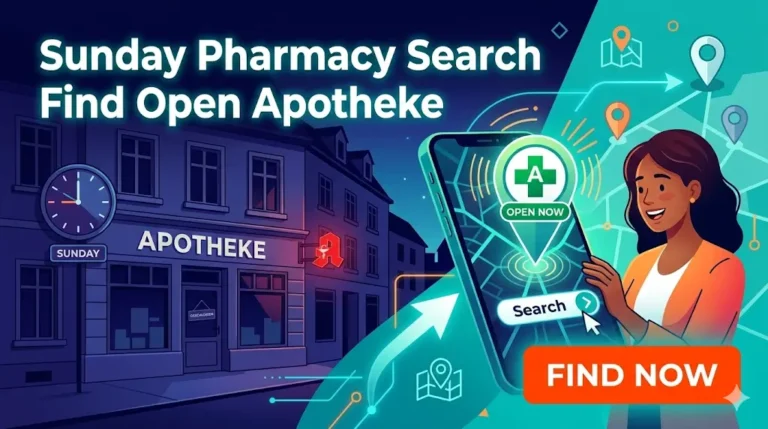
In Germany, the primary place to purchase any form of actual medication is the local pharmacy, known as an Apotheke. You can easily spot them in every neighborhood by the large, illuminated red “A” displayed outside. These are not merely retail stores; they are heavily regulated healthcare facilities staffed by highly trained pharmacists who are required by law to provide consultation on the medications they dispense.
When you walk into an Apotheke, you usually cannot browse the aisles for pain relievers or cold medicines. Instead, all medications, even those that do not require a prescription, are kept behind the counter. You must speak directly with the pharmacist or pharmacy technician to request what you need. They will ask about your symptoms, any other medications you are taking, and guide you toward the correct product and dosage. This personalized service ensures you do not accidentally mix incompatible medications.
For many expats, this setup can feel intimidating, especially if there is a language barrier. However, most pharmacists in major German cities speak excellent English and are incredibly helpful. If you prefer dealing with medical advice in your native language, you can always read up on Pharmacies in Germany Apotheke: How to Get Medication and Advice to prepare for your visit. It is also helpful to know that while some basic health needs are covered by public insurance, navigating what is reimbursed often leads expats to explore private options like Ottonova for more comprehensive coverage and English-speaking support.
Apotheke versus Drogerie
A common point of confusion for newcomers is the difference between an Apotheke and a Drogerie. A Drogerie, such as dm, Rossmann, or Müller, looks somewhat like an American drugstore. They sell toiletries, cosmetics, cleaning supplies, baby products, and health foods. However, they are legally prohibited from selling any true pharmaceutical medications.
You will find a health aisle in a Drogerie, but it only contains supplements, vitamins, herbal teas, throat lozenges without active pharmaceutical ingredients, and highly diluted natural remedies. If you are looking for specific dietary supplements or international vitamin brands that are hard to find in a Drogerie, many expats use iHerb to have these shipped directly to their homes in Germany. For actual medical relief, such as ibuprofen or medicated cough syrup, you must go to the Apotheke.
Understanding this division saves you a lot of time. If you have a sore throat and want a mild herbal lozenge or some chamomile tea, the Drogerie is perfect and much cheaper. If you have a severe sore throat and need a numbing spray or a medically active lozenge, you have no choice but to visit the Apotheke. For a deeper dive into this topic, you can read Understanding German Pharmacies vs Drugstores: Where to Get What.
Identifying What Requires a Prescription
Medications in Germany fall into three main categories. The first is freely available items like basic vitamins and teas found in the Drogerie. The second is “apothekenpflichtig” medications, which are over-the-counter but must be purchased at a pharmacy. The third is “verschreibungspflichtig,” which strictly requires a doctor’s prescription.
For the second category, you do not need a doctor’s note, but you do need to ask the pharmacist. This includes standard pain relievers, mild allergy medications, and basic cold and flu remedies. Keep in mind that the dosage heavily dictates the category. For example, ibuprofen up to 400mg is available over-the-counter, but if you need ibuprofen 600mg or 800mg, you must have a prescription from a licensed physician.
Navigating these rules can be tricky when you are used to buying large bottles of high-dose painkillers off the shelf in your home country. Germany strongly prefers to monitor medication intake, meaning over-the-counter pain relievers are sold in small boxes, typically containing 10 to 20 tablets.
Essential Medicines for Pain Relief and Fever
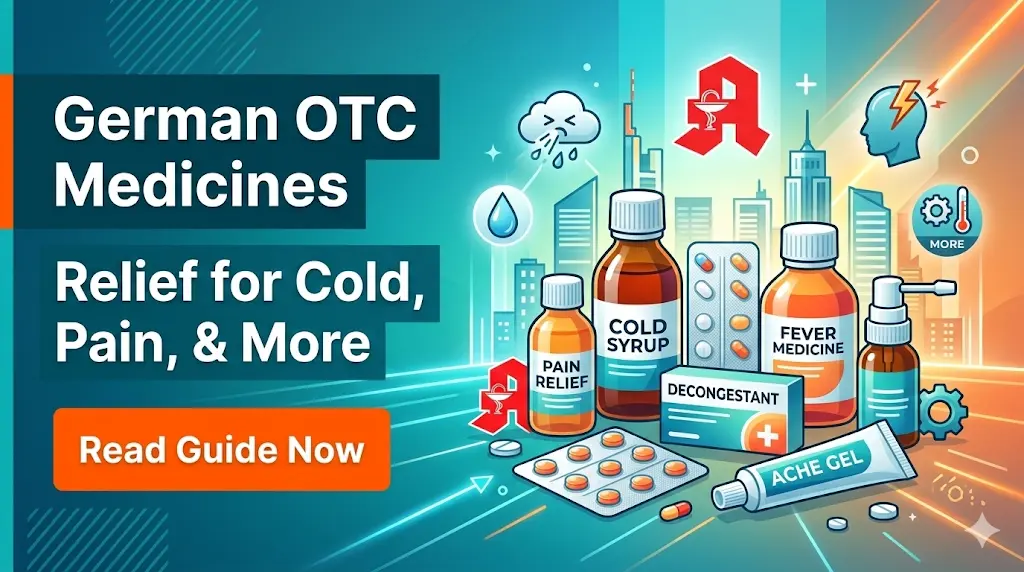
Building your at-home medicine cabinet starts with the basics: pain relief and fever reduction. The active ingredients available in Germany are the same as those worldwide, but the brand names and the way they are administered might differ from what you are used to.
Ibuprofen and Paracetamol Options
Ibuprofen and Paracetamol are the absolute staples of German pain and fever management. Paracetamol, known in some countries as acetaminophen, is widely used for mild to moderate pain and is the go-to fever reducer, especially for children. The standard over-the-counter dose for adults is 500mg. You can ask for generic versions by simply saying “Paracetamol,” but popular brand names include ben-u-ron.
Ibuprofen is preferred for pain that involves inflammation, such as muscle aches, menstrual cramps, or toothaches. The highest dose you can get without a prescription is 400mg. Popular brands include Dolormin and Nurofen, but asking for generic Ibuprofen will usually save you a few euros. Pharmacists will almost always ask if you want the brand name or the generic version, which is just as effective.
When purchasing these, you might notice the prices are slightly higher than buying in bulk at a foreign supermarket. When managing your health budget in a new country, using a multi-currency account like Wise can help you track your local spending and manage transfers from your home country seamlessly.
Aspirin and Alternative Painkillers
Aspirin is deeply ingrained in German medical history, having been developed by the German company Bayer. It is widely available over-the-counter for headaches and general pain relief. You will often find it sold in effervescent tablets, known as Aspirin Effect or Aspirin Complex, which dissolve in water.
Another option you might encounter, though less common in some English-speaking countries, is Diclofenac. While high oral doses require a prescription, low-dose oral Diclofenac and topical Diclofenac gels like Voltaren are available over-the-counter. Voltaren gel is highly recommended by German pharmacists for localized sports injuries, joint pain, and muscle strains.
It is important to communicate your specific type of pain to the pharmacist. If you have a tension headache, they might suggest something different than if you have a sprained ankle. If you are ever in severe, unmanageable pain that over-the-counter meds cannot handle, do not hesitate to seek immediate help. You can read more about emergency procedures in Emergency Numbers in Germany: Calling 112, Poison Control, and More.
Formats and Dosages Explained
German pharmacies offer medications in several formats that might surprise new arrivals. While coated tablets and capsules are common, effervescent tablets are incredibly popular. These are large tablets that you drop into a glass of water, where they fizz and dissolve, creating a medicated drink. Many Germans prefer this method as it is believed to be gentler on the stomach and absorbs more quickly into the system.
You will also frequently find suppositories, especially for infants and toddlers. While this format is less common for children in places like the US or UK, German pediatricians and pharmacists highly recommend them for quick fever reduction when a child is vomiting or refusing oral medication.
Always pay close attention to the dosage instructions provided by the pharmacist and written on the box. German medical culture is quite precise, and taking more than the recommended dose of over-the-counter medication is strongly discouraged. If you are looking for non-medicated ways to support your body during recovery, exploring the vast herbal supplement options on iHerb can be a great complementary approach.
| Active Ingredient | Common German Brand Name | Primary Over-the-Counter Use |
| Ibuprofen (up to 400mg) | Nurofen, Dolormin, IBU-ratiopharm | Inflammation, muscle pain, menstrual cramps, fever |
| Paracetamol (up to 500mg) | ben-u-ron, Paracetamol-ratiopharm | Fever reduction, mild headaches, general aches |
| Acetylsalicylic acid | Aspirin, Aspirin Complex | Headaches, mild pain, cold symptoms |
| Diclofenac (Topical) | Voltaren Schmerzgel | Localized joint pain, sprains, muscle strains |
Conquering Cold and Flu Season
The German approach to the common cold often starts with fresh air, rest, and herbal teas. However, when symptoms become unbearable, the Apotheke offers a wide range of reliable over-the-counter remedies to help you power through the winter months.
Decongestants and Nasal Sprays
When you have a blocked nose in Germany, the immediate local response is a nasal spray. Nasenspray is arguably the most common cold remedy sold in the country. The standard active ingredient is Xylometazoline, which rapidly reduces swelling in the nasal passages.
Brands like Olynth, Nasic, and generic ratiopharm sprays are household names. Nasic is particularly popular because it includes a small amount of Dexpanthenol to soothe the irritated nasal lining. Pharmacists will strictly warn you not to use these medicated sprays for more than five to seven days to prevent rebound congestion.
For a milder, daily alternative, Germans use seawater nasal sprays. These are essentially sterile saline solutions that help clear mucus without the risk of dependency. You can find these both in the Apotheke and the Drogerie. If you want more tips on surviving the winter sniffles, check out our dedicated post on Dealing with Cold and Flu Season: Common Remedies in Germany.
Cough Syrups and Lozenges
Coughs are taken very seriously in Germany, and the remedies are highly specialized. You will be asked if you have a dry, tickly cough or a productive, chesty cough, as the medications for these are entirely different.
For a dry cough, you need a cough suppressant. Silomat is a common over-the-counter brand that helps calm the cough reflex so you can sleep. For a chesty cough, you need an expectorant to help thin the mucus. Mucosolvan and ACC Akut are the standard pharmaceutical choices. ACC Akut comes in those famous effervescent tablets that you dissolve in water.
Germany also has a massive market for plant-based cough remedies. Prospan, made from ivy leaf extract, is an incredibly popular expectorant for both adults and children. Gelomyrtol, made from essential oils like eucalyptus and myrtle, comes in capsules and works to clear both the chest and the sinuses. If you are managing healthcare costs for your family, relying on comprehensive private insurance like Ottonova can sometimes offer perks or easier doctor access when over-the-counter meds are not enough.
Combination Cold Medications
In many countries, combination cold and flu remedies that pack a painkiller, a decongestant, and a cough suppressant into one pill are very common. In Germany, pharmacists generally prefer to treat specific symptoms individually rather than using a “shotgun” approach.
However, combination medications do exist and are quite popular. Grippostad C and Meditonsin are frequent requests at the pharmacy counter during winter. Grippostad C contains paracetamol, an antihistamine, caffeine, and vitamin C. Aspirin Complex is another favorite, combining pain relief with a decongestant.
When buying these, you can use your standard bank cards, or an international card like Wise if you have just arrived and are still setting up local banking. It is always wise to consult the pharmacist before taking combination meds, especially if you are already taking other individual symptom relievers, to avoid accidental double-dosing of ingredients like paracetamol.
Digestive Health and Stomach Remedies
Stomach bugs, heavy German food, or travel-induced indigestion can quickly ruin your week. Fortunately, German pharmacies are well-stocked with fast-acting and effective treatments for all sorts of gastrointestinal distress.
Antacids and Heartburn Relief
If you are suffering from heartburn after a heavy meal of Schnitzel and beer, you will need a reliable antacid. Talcid and Rennie are the most common chewable tablets that neutralize stomach acid quickly. They are mild, easy to take, and available without a prescription.
For more persistent acid reflux, you can purchase low-dose proton pump inhibitors over the counter. Pantoprazol is the most common active ingredient here, available in small packs of 20mg tablets. These are intended for short-term use, typically up to 14 days. If your symptoms persist beyond this, the pharmacist will firmly advise you to see a doctor.
Having access to quick medical appointments is one reason many expats prefer private health insurance setups, and providers like Feather Insurance can help you navigate these choices smoothly.
Solutions for Nausea and Indigestion
Nausea and vomiting are usually treated with the active ingredient Dimenhydrinate. Vomex A is the standard brand name you will encounter. It comes in tablets, syrups for children, and suppositories, which are highly recommended if you are unable to keep oral medication down.
For general stomach upset, fullness, and mild indigestion, Germany leans heavily into herbal medicine. Iberogast is a legendary liquid herbal blend in Germany. It contains extracts from nine different plants, including chamomile, caraway, and peppermint. You mix a few drops into a glass of water. It is a staple in almost every German household medicine cabinet for treating vague stomach discomfort and cramps.
If you are setting up your new apartment, making sure you have some Iberogast or Vomex on hand is a smart move.
Probiotics and Natural Alternatives
Gut health is a major focus in German wellness culture. Following a course of antibiotics or a severe stomach bug, it is common practice to rebuild the stomach flora. Perenterol, a yeast-based probiotic, is widely sold to treat acute diarrhea and to stabilize the gut.
You will also find a massive selection of medicinal teas in both pharmacies and drugstores designed specifically for digestion. Magen-Darm-Tee is a standard blend usually featuring fennel, anise, and caraway. It is an inexpensive and soothing first line of defense for mild tummy aches.
If you prefer specific high-dose probiotic capsules that might not be standard in a German pharmacy, ordering them via iHerb is a common workaround for expats wanting to maintain their specific gut health routines.
Allergies and First Aid Basics
Beyond colds and stomach aches, managing seasonal allergies and minor scrapes is a necessary part of daily life. Germany has specific seasons for different types of pollen, and knowing what to buy can save you from weeks of misery.
Antihistamines for Seasonal Allergies
Spring in Germany is beautiful, but it brings a wave of pollen. Over-the-counter antihistamines are readily available, but they are kept strictly behind the counter at the Apotheke. You cannot buy them at the Drogerie.
The two most common generic active ingredients are Cetirizin and Loratadin. Cetirizin is highly effective but can cause drowsiness in some people, while Loratadin is generally considered non-drowsy. You can ask for generic versions to keep costs down. You can also find antihistamine eye drops and nasal sprays, such as Vividrin or Livocab, which are excellent for localized relief.
If your allergies are severe and over-the-counter medications are not working, you should see an allergist.
Wound Care and Antiseptics
German wound care revolves around a few specific, highly trusted products. The most important is Octenisept, an antiseptic spray used to clean cuts, scrapes, and minor burns painlessly. It does not sting like alcohol or iodine, making it perfect for children and adults alike.
Once a wound is clean, the absolute champion of the German medicine cabinet comes into play: Bepanthen. This is a healing ointment containing dexpanthenol. It is used for everything from minor cuts and tattoos to dry skin and diaper rash. It promotes skin healing and prevents scarring.
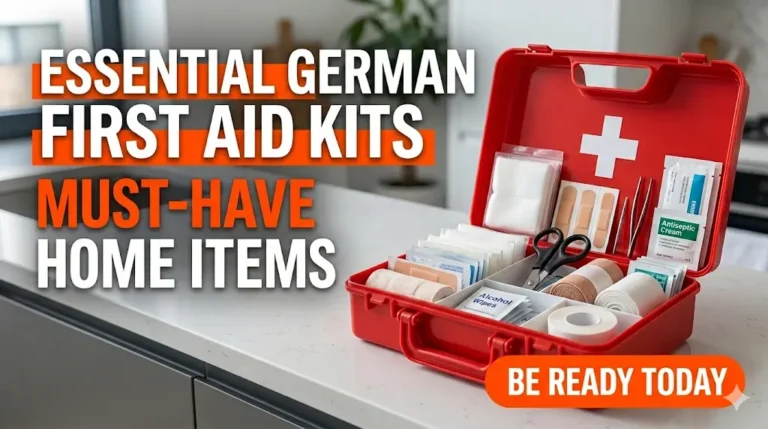
You will also need to buy plasters at the Apotheke or Drogerie. Hansaplast is the dominant brand for bandages. Keeping a stock of Octenisept, Bepanthen, and Hansaplast is the baseline for any functional home first aid kit.
Burn Creams and Insect Bite Relief
Summers in Germany mean barbecues, lakes, and unfortunately, mosquitoes and wasps. For insect bites, Fenistil gel is the absolute go-to product. It is a topical antihistamine that stops the itching and reduces the swelling almost immediately.
For mild sunburns or minor kitchen burns, cooling gels are available, but Bepanthen Cooling Foam Spray is also a popular choice to draw out the heat and moisturize the damaged skin.
By familiarizing yourself with these basic over-the-counter options, you can handle most minor ailments comfortably and confidently. Just remember the golden rule of German healthcare: when in doubt, just ask the pharmacist. They are medical professionals dedicated to helping you find the right solution.
References
Primary sources official
- Federal Ministry of Health (Bundesministerium für Gesundheit): https://www.bundesgesundheitsministerium.de/
- Federal Institute for Drugs and Medical Devices (BfArM): https://www.bfarm.de/
Other helpful sources
- Apotheken Umschau (Leading German Pharmacy Magazine): https://www.apotheken-umschau.de/
- The German Red Cross (First Aid Guidelines): https://www.drk.de/
Disclaimer
The information provided in this article is for educational and informational purposes only and does not constitute medical advice. Medication rules, dosages, and availability can change. Always consult with a certified pharmacist or a licensed medical doctor in Germany before starting any new medication, especially if you are pregnant, nursing, taking other prescriptions, or treating children. Do not ignore professional medical advice or delay seeking treatment based on information found online.