How to Use the 116117 Service to Find Care in Germany
You are staring at a thermometer that reads 39 degrees Celsius, it is 8:00 PM on a Friday, and your regular doctor’s office has been locked up for hours. I remember the sheer panic I felt during my first winter in Munich when I came down with a brutal kidney infection on a public holiday; I didn’t want to clog up the emergency room, but I couldn't wait until Monday. This guide solves that exact dilemma by teaching you how to use the 116 117 service, Germany’s essential bridge between the family doctor and the ER.
Disclosure: This post may contain affiliate links. We may earn a commission at no extra cost to you if you make a purchase through these links. Read full disclosure.
Understanding the Role of 116 117 in the German Healthcare System
In Germany, the medical system is highly structured, and there is a clear distinction between life-threatening emergencies and urgent medical needs that occur outside of business hours. The 116 117 number is the gateway to the Ärztlicher Bereitschaftsdienst (Medical On-Call Service). This service is designed for conditions that are not life-threatening but cannot wait until the next business day when your Finding a Doctor (Hausarzt) in Germany: How to Choose and Register would normally be open.
The 116 117 service is a nationwide initiative funded by the Association of Statutory Health Insurance Physicians. It is available 24 hours a day, 7 days a week, though its primary function is to provide care during the "off-hours"—evenings, nights, weekends, and the many public holidays that often catch expats off guard. Whether you are dealing with a high fever, a sudden painful rash, or an ear infection that is making it impossible to sleep, this is the number you call.
It is important to remember that this service is not for routine check-ups or renewing a long-term prescription. It is for acute issues. If you are a digital nomad or a frequent traveler using Travel Health Insurance: What Expats Need for Schengen Visa & Short Trips, you might be worried about whether you can use this service. The good news is that 116 117 is available to everyone in Germany, regardless of whether you have public or private insurance. In fact, companies like SafetyWing often cover the costs associated with these types of urgent care visits for those on shorter stays.
When to Call 116 117 vs. 112
One of the most common mistakes expats make is calling the wrong number. In Germany, 112 is strictly for life-threatening emergencies—think heart attacks, unconsciousness, severe accidents, or heavy bleeding. If you call 112 for a sore throat, you are taking resources away from people in critical danger. Conversely, waiting for 116 117 when you are having trouble breathing is dangerous.
The 116 117 service is for "non-emergency" urgent care. If the condition is something you would normally take to your GP if it were 10:00 AM on a Tuesday, then 116 117 is the correct choice for 10:00 PM on a Saturday. For a full breakdown of the various contact points, you should review Emergency Numbers in Germany: Calling 112, Poison Control, and More to ensure you have the right numbers saved in your phone.
The Benefits of Using the On-Call Service
Using 116 117 instead of heading straight to the Notaufnahme (Emergency Room) has several benefits. First, it keeps the ER clear for actual trauma cases. Second, the wait times at a Bereitschaftsdienstpraxis (on-call practice) are often significantly shorter than in a hospital ER, where non-urgent cases are deprioritized. Third, it provides a much more comfortable environment for children or the elderly who may find the chaos of a hospital overwhelming.
For those with specialized coverage through providers like ottonova, you may find that your private insurance portal offers additional digital concierge services, but the 116 117 system remains the standard physical infrastructure for after-hours care across the country.
How to Access the 116 117 Service
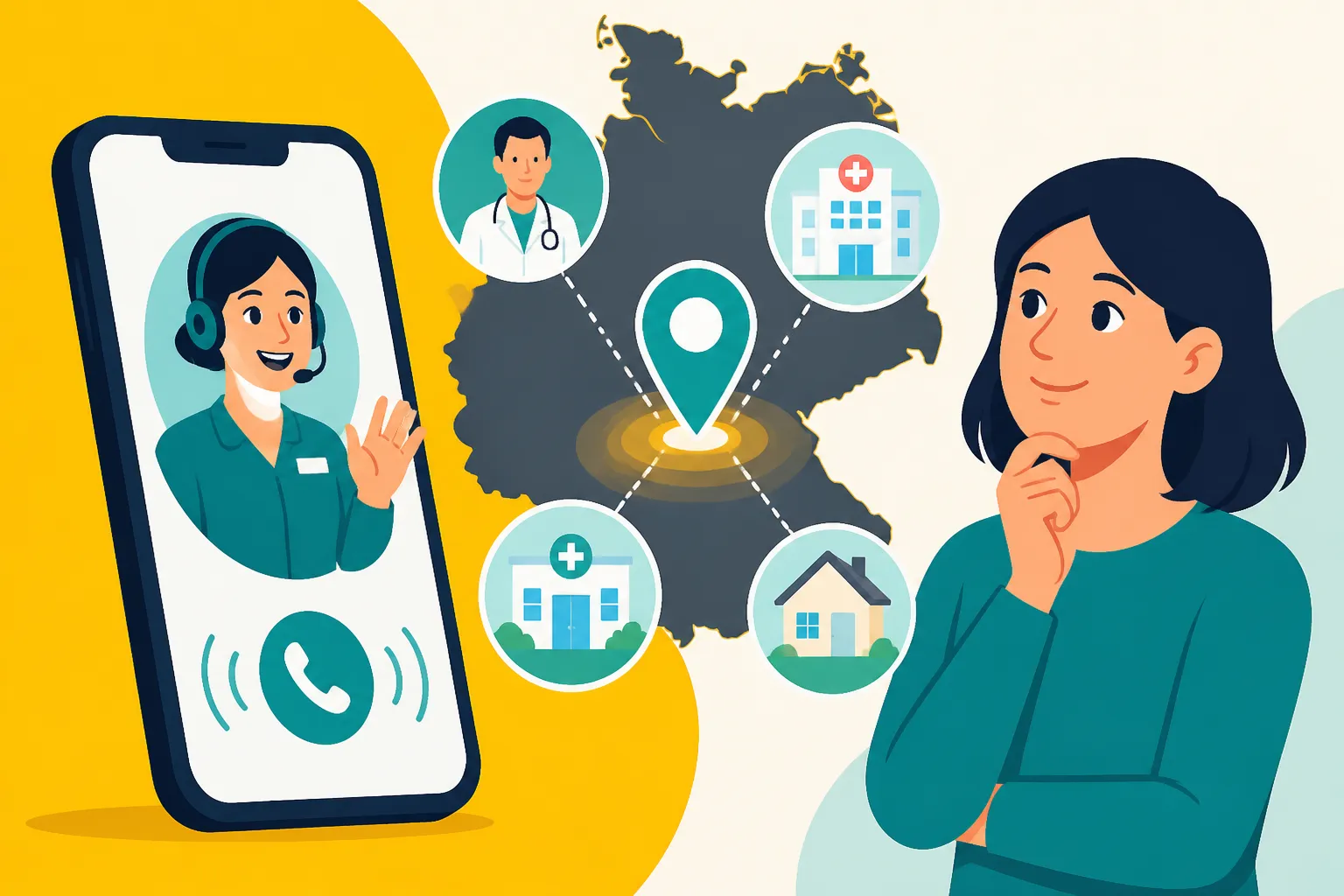
There are three primary ways to access the medical on-call service: by phone, through the official website, or via the 116117.de app. Each method has its own advantages depending on your level of German and the urgency of your situation.
Calling the Hotline
Dialing 116 117 from any landline or mobile phone in Germany is free. When you call, you will be connected to a dispatch center. Be prepared for the fact that the initial greeting will be in German. While many dispatchers do speak English, it is not guaranteed. If your German is shaky, I highly recommend having a few key phrases ready or asking a German-speaking friend to help you make the call.
The dispatcher will ask for your location (PLZ or postal code is vital) and a description of your symptoms. They use a standardized assessment system called "SmED" (Structured Medical First Assessment in Germany) to determine the severity of your case. Based on your answers, they might:
- Tell you to go to the nearest on-call doctor's office.
- Dispatch a mobile doctor to your home (if you are physically unable to travel).
- In some cases, if they realize your situation is more serious, they will transfer you directly to the 112 emergency dispatch.
Using the 116117.de Website and App
For many expats, the website and app are much easier to navigate than a phone call. The digital platforms allow you to use translation tools to understand the questions. The "Patienten-Navi" on the website asks a series of questions about your symptoms and then provides a recommendation.
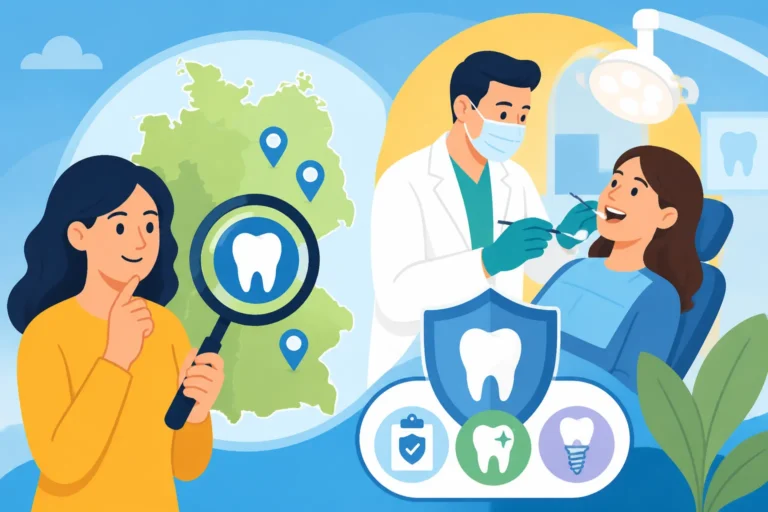
The website is particularly useful for finding the nearest Bereitschaftsdienstpraxis. Often, these are located within or adjacent to a hospital, but they operate independently. You can simply enter your zip code and see a map of open locations and their current hours. This is an excellent way to avoid the stress of a phone conversation in a foreign language while you are feeling unwell. Understanding Navigating Medical Care in Germany: Doctors, Hospitals, and Pharmacies will give you more context on how these different facilities interact.
Real-World Scenario: The Weekend Fever
Imagine your toddler develops a 40-degree fever on a Saturday afternoon. You check the 116 117 app and find that the nearest pediatric on-call practice is at the local clinic in the next neighborhood. Instead of waiting hours in a general hospital ER, you can take them to a specialized Kindernotfallpraxis (Pediatric Emergency Practice) listed on the app. This ensures they are seen by a pediatrician rather than a general trauma surgeon.
| Feature | 112 (Emergency) | 116 117 (On-Call) | Hausarzt (GP) |
|---|---|---|---|
| Availability | 24/7 | 24/7 (Primarily off-hours) | Business Hours |
| Severity | Life-threatening | Urgent but stable | Routine/Acute |
| Home Visits | Ambulance only | Yes (if medically necessary) | Rarely |
| Location | Hospital ER/On-site | On-call practice/Your home | Doctor's Office |
| Cost | Covered by insurance | Covered by insurance | Covered by insurance |
What to Expect During a 116 117 Consultation
Once the dispatcher or the app has directed you to a specific location or arranged a home visit, the process feels very much like a standard doctor's visit, albeit a bit more rushed.
Visiting a Bereitschaftsdienstpraxis
If you are told to go to an on-call practice, you do not need an appointment. You simply show up during their operating hours. However, you must bring your health insurance card (Gesundheitskarte). If you are insured through a modern provider like Feather Insurance, you should ensure your digital or physical card is ready. Even if you have private insurance, the practice will need to document your details to send you the invoice later.
The wait times can vary. On a Saturday morning or a Sunday evening, expect a bit of a wait. You will be seen by whatever doctor is on duty—this could be a general practitioner, an internist, or a surgeon. Their goal is to stabilize your condition, provide immediate relief (like a prescription or a shot), and give you instructions for follow-up care with your regular doctor.
The Home Visit (Hausbesuch)
Home visits are a unique and wonderful feature of the German system, but they are reserved for those who truly cannot leave their house. If you have a debilitating migraine, a severe back injury that prevents walking, or a very high fever with dizziness, the dispatcher may send a doctor to you.
The doctor travels in a specially marked 116 117 vehicle. They carry basic diagnostic tools and some medications. If they decide you need a prescription, they will write one on the spot. If you are worried about the cost of these services, remember that Public Health Insurance (gesetzliche Krankenkasse): What It Covers and Costs generally covers these visits fully, minus the standard small co-pay for medications.
Language and Communication Challenges
It is a common fear for expats that the doctor won't speak English. While the medical community in Germany is highly educated and most doctors speak some English, the stress of the situation can make communication difficult. I always suggest having a translation app open or a list of your symptoms written down in German. For more help with this, check out our guide on Finding English-Speaking Doctors: Resources and Tips for Expats.
Logistics: Prescriptions, Sick Notes, and Follow-ups
Using the 116 117 service isn't just about the consultation; it’s about what happens afterward to ensure your recovery and your legal standing with your employer.
Getting Medications After Hours
If the on-call doctor gives you a prescription, your local neighborhood pharmacy will likely be closed. This is where the Apotheken-Notdienst (Pharmacy Emergency Service) comes in. You can ask the doctor which pharmacy is on duty, or use the 116 117 app to find the nearest open pharmacy. Be aware that pharmacies charge a small "emergency fee" (usually around €2.50) for prescriptions filled during the night or on Sundays. You can learn more about this in our article on Pharmacy Sundays: How to Find an Open Apotheke After Hours.
The Sick Note (Krankschreibung)
One of the most important things for employees in Germany is the Arbeitsunfähigkeitsbescheinigung (AU), or the sick note. If you miss work, your employer will eventually require this document. On-call doctors can issue an AU, but they usually only cover the days until you can see your regular doctor.
Ensure you ask the doctor specifically for a "Krankschreibung" if you know you won't be able to make it to work on Monday. Since January 2023, most of these are transmitted electronically to your insurance provider (eAU), but you should still ask if you need to notify your employer manually. For a deeper dive into your rights, read Sick Leave in Germany: How to Get a Sick Note (Krankmeldung) and Your Rights.
Coordinating with Your Regular Doctor
The 116 117 service is a "one-off" intervention. The doctor you see will usually provide you with a brief written report or a "Patientenbrief" to take to your regular GP. It is your responsibility to follow up. On Monday morning, you should call your regular Hausarzt to schedule a follow-up appointment. They will review the treatment provided by the on-call service and decide on long-term management or further testing. If you need specialized care, they will handle the Specialists and Referrals: How to See a Specialist Doctor in Germany process.
Essential Tips for a Smooth 116 117 Experience
To make the most of this service and reduce your stress during a medical "mini-crisis," keep these tips in mind:
- Keep your data ready: Always have your insurance card, your current medications list, and your address (including the floor and apartment number) next to the phone.
- Be patient but persistent: The phone lines can get busy during peak times like flu season. If you can’t get through, try the app's digital assessment.
- Use the "116117 Terminservice": Outside of emergencies, the 116 117 service also helps people find appointments with specialists when wait times are too long. This is a separate branch of their service but uses the same number.
- Know your private insurance perks: If you are with ottonova, check if you have a video-call doctor option. Sometimes a quick video chat can save you a trip to the physical on-call office.
- Check for "Bereitschaft" for dental issues: 116 117 is for general medicine. If you have a toothache, you need the Zahnärztlicher Notdienst. The 116 117 operator can often give you the number, but it is a different set of doctors. Refer to Dental Emergency: What to Do if You Have a Toothache or Accident for specific advice.
Navigating the German medical system is a rite of passage for every expat. While it feels daunting at first, the 116 117 service is a remarkably efficient safety net. It ensures that no matter when you get sick, there is a professional ready to help you, allowing you to avoid the ER and get back to your bed as quickly as possible.
Disclaimer
This article is for informational purposes only and does not constitute professional medical advice, diagnosis, or treatment. Always seek the advice of your physician or other qualified health provider with any questions you may have regarding a medical condition. Never disregard professional medical advice or delay in seeking it because of something you have read on this website. If you think you may have a medical emergency, call 112 or go to the nearest emergency room immediately.