How to Get a Visa Appointment at a German Consulate
Trying to secure a visa appointment at a German consulate can feel like trying to grab the last bottle of water in a desert. I remember sitting in a dark room at 3:00 AM, frantically refreshing the booking page until my eyes burned, only to see the same "no appointments available" message for the fifth week in a row. This guide is designed to help you navigate that exact frustration, providing the strategic "hacks" and deep procedural knowledge you need to finally get that elusive slot and move forward with your life in Germany.
Disclosure: This post may contain affiliate links. We may earn a commission at no extra cost to you if you make a purchase through these links. Read full disclosure.
Understanding the German Consulate Booking System
The first thing you need to realize is that the German foreign mission in your home country operates on a system of extreme scarcity. Unlike many other countries where you can simply walk in or call for an appointment, Germany uses a centralized online booking portal known as the RK-Termin system for most locations. However, the experience varies wildly depending on whether you are applying for a short-term stay or a long-term relocation.
If you are heading to Germany for a vacation or a short business trip, you are likely looking for a National (D) Visa vs Schengen Visa for Germany distinction. Short-term Schengen visas are often outsourced to third-party providers like VFS Global or TLScontact, which usually have more slots but charge an additional service fee. Long-term visas—such as the EU Blue Card Germany: Eligibility, Benefits, and Application Process or student visas—almost always require you to book directly through the consulate’s own portal. This direct portal is where most of the "bottleneck" happens.
In high-demand regions like India, Turkey, or the United States, the consulate may not even show you a calendar. Instead, they use a "waiting list" system. You register your details, and then you wait weeks or even months for the consulate to email you an appointment date. This is a test of patience, and the biggest mistake people make is registering multiple times, which can actually lead to your entries being deleted as "spam" by the automated system.
The Strategic Timing of Slot Releases
Timing is everything in the world of German bureaucracy. While there is no official, global "reset" time for the appointment servers, veteran expats and seasoned travelers have noticed patterns. Most consulate servers refresh at midnight Central European Time (CET). If you are in a different time zone, you need to do the math. For many in North America, this means checking in the late afternoon; for those in Asia, it might be early morning.
When the clock strikes midnight in Germany, the system often releases cancelled appointments or new batches for the coming weeks. I’ve found that the window of opportunity is usually less than five minutes. You should have all your passport details, your planned entry date, and your contact information saved in a text file so you can copy and paste them instantly. Typing manually is too slow; by the time you enter your passport number, someone using a "copy-paste" strategy has already taken the slot.
Another tip I’ve learned the hard way is to check the system on Wednesday and Thursday mornings. Often, the consulate staff processes cancellations mid-week, and these slots go back into the pool immediately. Don't bother checking on weekends unless you are just practicing navigating the interface. The administrative staff isn't working, and new slots are rarely added on a Sunday.
Preparing Your Documents Before You Book
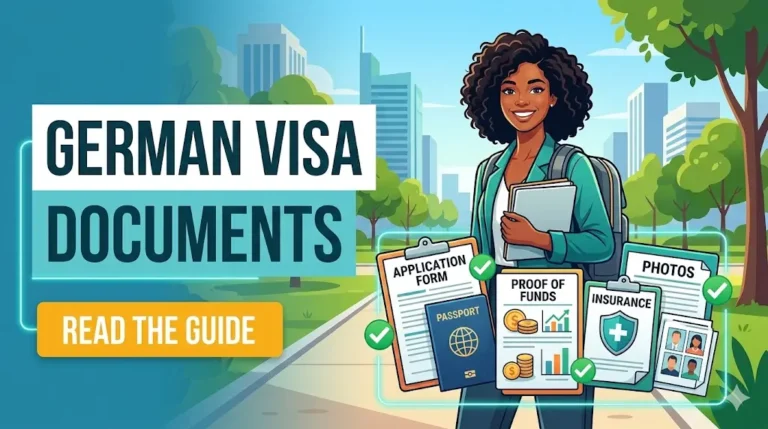
You might think you should find an appointment first and then worry about the paperwork, but that is a dangerous game. In many cases, once you find a slot, it might be for only two or three days away. If you don't have your Documents Required for German Visa Applications: Complete Guide ready, you will be forced to cancel, and you might be blocked from booking again for several weeks as a "no-show" penalty.
One of the biggest hurdles is the proof of financial means. If you are a student or a job seeker, you will almost certainly need a blocked account. Services like Expatrio are lifesavers here because they allow you to set up the account entirely online and receive your "01" confirmation document quickly. Without that specific piece of paper, your appointment is a waste of time. Similarly, German consulates are notorious for their strictness regarding translations. If your birth certificate or marriage license isn't in German or English, you need to use a certified service like Lingoking. Their translations are recognized by German authorities, which prevents the heartbreak of being turned away at the consulate window because your translation wasn't "official" enough.
| Feature | Direct Consulate Booking | VFS Global / TLScontact |
|---|---|---|
| Visa Types | Long-term (National/D-Visa) | Short-term (Schengen) |
| Service Fee | €0 (only the visa fee) | €30 – €40 extra service fee |
| Availability | Extremely limited, high competition | Higher volume of appointments |
| User Experience | Basic, often technical glitches | More polished, premium services available |
| Document Check | Very strict at the window | Preliminary check by staff |
Navigating the Online Portal Without Losing Your Mind
The RK-Termin portal looks like it was designed in the late 90s, and it behaves like it, too. One specific frustration is the CAPTCHA system. It is often case-sensitive and remarkably difficult to read. If you fail the CAPTCHA three times, the system might lock your IP address for an hour. To avoid this, I always recommend opening the site in an "Incognito" or "Private" browser tab. This prevents old cookies from interfering with the session, which is a common cause of the dreaded "Session Expired" error right as you're about to click 'confirm.'
When you are filling out the registration form, be extremely careful with your email address. The confirmation email often contains a cancellation link. If you lose that email or if there was a typo in your address, you cannot cancel your appointment. If you can’t cancel it, you can’t book a new one until the old date has passed. It’s a bureaucratic loop that has trapped many people for weeks. Always double-check every character before hitting submit.
Furthermore, make sure you are choosing the correct category. If you book an appointment for a "Schengen Visa" but show up with papers for an EU Blue Card Germany: Eligibility, Benefits, and Application Process, the officers will likely refuse to see you. They have strict quotas for each type of visa, and they do not have the flexibility to switch categories on the fly.
What to Do When the System Says No Appointments Available
If you’ve been checking for weeks and see nothing, it’s time to look into the "Warteliste" or Waiting List. Not all consulates have this, but for those that do, it is your only path forward. When you register for the waiting list, you won't get to choose a date. The consulate will eventually assign you one. My advice here is to be ready to travel. I once got an email on a Tuesday for an appointment on a Friday in a city four hours away. You have to make it work.
If your situation is a genuine emergency—such as a death in the family or a job start date that is literally days away—you can try writing an "Urgent Appointment Request" email. However, be warned: the bar for an "emergency" is incredibly high. A job contract starting next month is usually not considered an emergency by German standards; they expect you to have started this process months ago. If you do email them, keep it brief, attach your proof of urgency (like a signed contract or medical letter), and use a clear subject line like "URGENT: Employment Visa – [Your Name] – [Passport Number]."
For those applying for work, you should ask your future employer about the "Fast-Track Procedure for Skilled Workers." This involves your employer going to the local Ausländerbehörde in Germany on your behalf. If approved, the consulate is legally required to give you an appointment within three weeks. It costs about €411, but it is the single most effective way to bypass the standard booking madness.
Preparing for the Appointment Day
Once you finally have that confirmation PDF in your inbox, the real work begins. You need to organize your folder in the exact order the consulate's checklist specifies. They don't want to see you fumbling through loose papers. I personally use clear plastic sleeves for each document type: one for the application form, one for Apostilles and Certified Translations for German Immigration, and one for your financial proof.
Don't forget the photos. German visa photos have very specific "biometric" requirements. They aren't the same as US passport photos or standard "glamour" shots. They must have a specific head height and a neutral expression. I've seen people sent out of the consulate to find a photo booth ten minutes before their slot because their photos were "too smiley."
Also, ensure your Medical Insurance for German Visa Applications: What You Need is valid from the day you plan to enter. If your insurance only starts on the first day of your job, but you arrive three days early to find an apartment, the consulate will flag that gap and delay your visa.
Final Check and Common Pitfalls to Avoid
The most common reason for a Visa Denied for Germany: Common Reasons and Next Steps isn't actually a lack of qualifications—it's a lack of preparation. Small errors on the application form, such as forgetting to sign in both required places or using the wrong date format (it’s DD.MM.YYYY in Germany!), can lead to an immediate rejection.
If you find yourself overwhelmed, remember that you can How to Track Your German Visa Application Status once the interview is done. The hardest part is truly just getting through that door. Stay persistent, keep your Student Visa Blocked Account (Sperrkonto): What It Is and How to Set It Up or work documents organized, and don't give up on the refresh button. You only need to win the battle against the booking system once.
Before you go, make sure you have your Proof of Financial Means for Visas: Blocked Accounts and Sponsorship Letters in order and that any documents not in German have been handled by a professional like Lingoking. It’s better to spend a little extra on a service like Expatrio now than to lose months of time because of a technicality at the consulate window.
Disclaimer
The information provided in this guide is for informational purposes only and does not constitute legal advice. Visa regulations and consulate procedures in Germany are subject to frequent change. Always consult the official website of the German Federal Foreign Office (Auswärtiges Amt) or your local German consulate for the most up-to-date requirements.