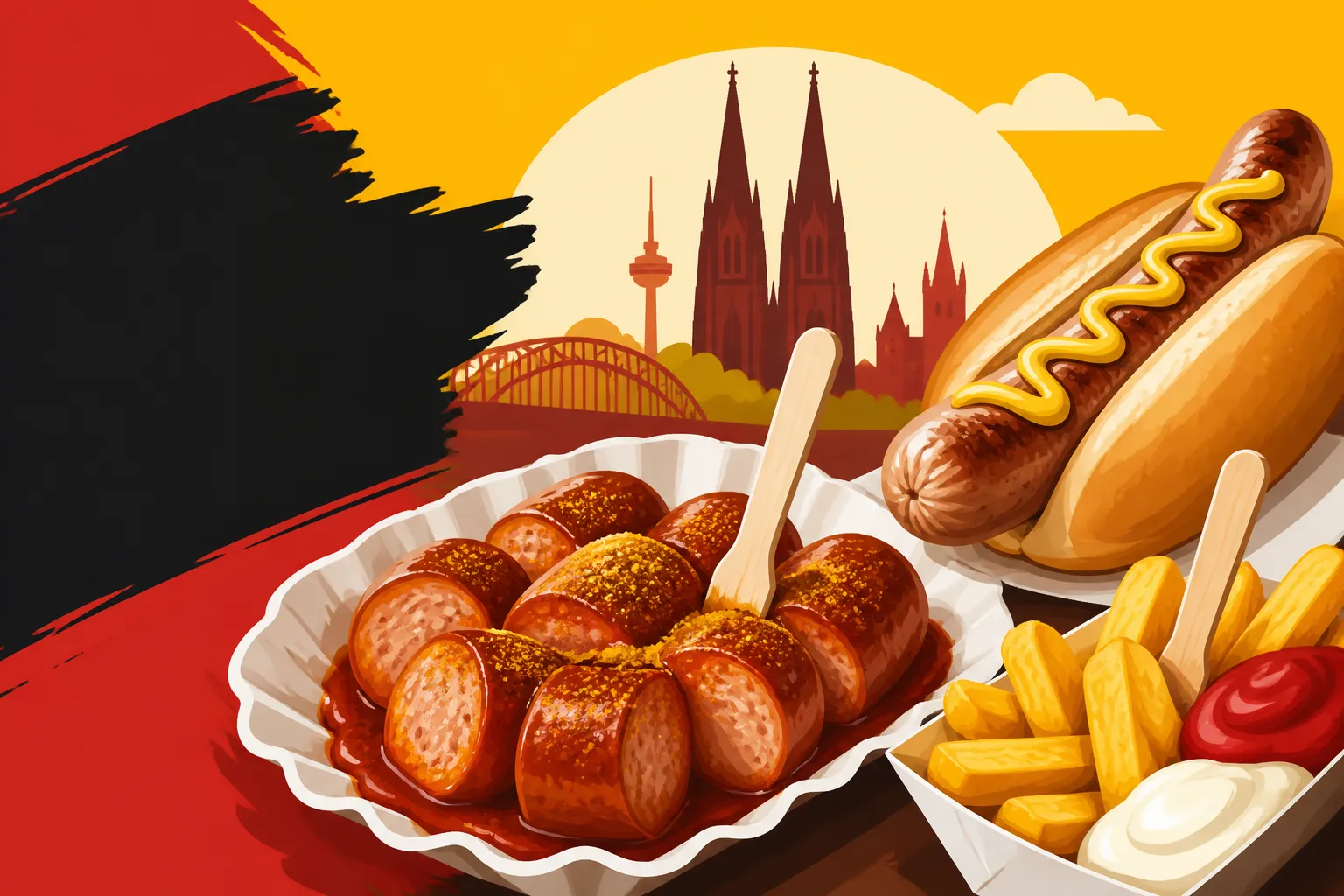
Sausages and Street Food in Germany (Currywurst and More)
Oh, the sheer joy (and occasional confusion!) of diving into German street food. When I first arrived in Germany, I, like many, imagined a culinary landscape dominated by heavy roasts and giant portions of potatoes. And while those certainly have their place, the real revelation was the vibrant, endlessly varied world of German street food, especially the sausages. Trust me, if you think you know German sausage, you're in for a delightful education. This isn't just about grabbing a quick bite; it's about experiencing a fundamental part of German culture, standing shoulder-to-shoulder with locals, and finding joy in simple, delicious traditions.
Disclosure: This post may contain affiliate links. We may earn a commission at no extra cost to you if you make a purchase through these links. Read full disclosure.
This guide is your friendly, expat-approved companion to navigating the delicious, fast-paced, and sometimes overwhelming world of German street food, from the iconic Currywurst to the lesser-known regional gems. We’ll explore what to eat, where to find it, and how to order like a seasoned pro, ensuring your culinary adventures are nothing short of spectacular.
The Heart of German Street Food: Sausages Galore
You simply cannot talk about German street food without dedicating a significant chunk of time to its glorious sausages, or "Wurst" as they're known here. These aren't just mere hot dogs; they are culinary institutions, each with its own history, regional variations, and fiercely loyal following. It’s a bit like a national sport, debating which Wurst is superior!
Currywurst: Germany's Unofficial National Dish
Ah, the Currywurst. If there's one dish that truly defines German street food, it has to be this one. Born from post-war ingenuity in Berlin, it quickly captured the hearts (and stomachs) of Germans, spreading its flavorful gospel across the entire country. At its core, it’s a simple concept: a steamed, then fried, pork sausage, usually sliced, generously smothered in a rich tomato-based sauce seasoned with curry powder, and typically served with a side of crispy fries ("Pommes").
But don't let its humble description fool you; the variations are endless, and everyone has their favorite "Imbiss" (snack bar) that, according to them, serves the only authentic Currywurst. You’ll find it with or without the skin (known as "mit Darm" or "ohne Darm"), with sauces ranging from mildly sweet to fiery hot, and with varying blends of curry spices. Some places even offer vegetarian or vegan versions now, a testament to its enduring popularity and adaptability. In cities like Berlin, where it originated, you can find museums dedicated to it, showcasing just how much this simple snack means to the local culture. It's a quick, satisfying, and deeply comforting meal, perfect for a cold day or a late-night bite after exploring the city.
Bratwurst: The Grilling Champion
While Currywurst might be the superstar, Bratwurst is the undisputed champion of the grill. This classic German sausage is primarily made from pork, though beef and veal versions exist, and it's always grilled or pan-fried, never boiled. Its name literally means "fry sausage," and that’s precisely how it shines. The sheer diversity of Bratwurst across Germany is mind-boggling, with almost every region boasting its own distinct variety, often protected by geographical indications.
Take the "Nürnberger Rostbratwurst," for example. These tiny, finger-sized sausages from Nuremberg are usually served as "Drei im Weckla" (three in a bun) with a dollop of mustard. They're seasoned with marjoram and have a protected status, meaning only those produced in Nuremberg and adhering to strict guidelines can bear the name. Then there's the "Thüringer Rostbratwurst," a longer, leaner sausage from Thuringia, known for its distinctive blend of spices like caraway and garlic, traditionally grilled over beech wood charcoal. In Baden-Württemberg, you might encounter the "Rote Wurst," a thicker, reddish sausage, sometimes scored at the ends so it curls up while grilling. Regardless of the regional twist, a good Bratwurst is characterized by its juicy interior, slightly crisp casing, and robust, savory flavor, making it a perfect quick meal at any market or outdoor event.
Other Must-Try Wurst Varieties
Beyond the titans of Currywurst and Bratwurst, Germany’s street food stalls offer an impressive array of other sausages that are equally deserving of your attention. Each has its own unique character, preparation, and serving traditions, showcasing the rich tapestry of German butchery.
"Bockwurst" is another staple you’ll frequently encounter. This smoked sausage, often made from finely ground pork and veal, is typically simmered rather than grilled, giving it a plump texture and a delicate smoky flavor. It’s usually served warm with a simple bread roll (Brötchen) and a generous smear of mustard, offering a comforting and straightforward snack. It’s a popular choice during colder months, often found at kiosks or served in cozy pubs.
If you ever find yourself in Bavaria, particularly in Munich, you absolutely must try "Weisswurst" (white sausage). This traditional Bavarian delicacy is made from finely minced veal and pork back bacon, seasoned with parsley, lemon, mace, onions, ginger, and cardamom. It's unique for two reasons: its pale, white appearance and the tradition that dictates it should be eaten before noon. It's served warm in a bowl of hot water, and Bavarians traditionally "zuzeln" (suck) the meat out of the skin, though most people just use a knife and fork. Crucially, it's always served with sweet mustard ("süßer Senf") and a pretzel. Don't even think about asking for regular mustard with Weisswurst – that's a culinary faux pas!
Finally, for something distinctly different, there are "Frankfurter Würstchen." These thin, parboiled sausages, made from pure pork, are protected by strict regulations and can only be called "Frankfurter" if produced in the Frankfurt area. They are very much akin to what many internationally might consider a "hot dog" sausage, but with a refined flavor and snap. Served simply with a bread roll and mustard, they are light, delicate, and a classic example of German sausage craftsmanship.
Here's a quick reference for some popular German street food sausages:
| Sausage Type | Primary Region | Key Characteristics | Common Serving |
|---|---|---|---|
| Currywurst | Berlin (but nationwide) | Sliced, fried pork sausage with curry tomato sauce | With fries (Pommes) or a roll |
| Nürnberger Bratwurst | Nuremberg, Bavaria | Small, finger-sized, seasoned with marjoram, grilled | Three in a bun (Drei im Weckla) |
| Thüringer Bratwurst | Thuringia | Long, lean, robust spices (caraway, garlic), charcoal-grilled | In a roll with mustard |
| Bockwurst | Nationwide | Smoked, plump, usually boiled/simmered | In a roll with mustard |
| Weisswurst | Bavaria | White, veal/pork bacon, parsley, eaten before noon | With sweet mustard and pretzel |
| Frankfurter Würstchen | Frankfurt | Thin, pure pork, parboiled, delicate snap | In a roll with mustard |
Beyond the Wurst: Diverse German Street Eats
While sausages undoubtedly reign supreme in the German street food kingdom, you'd be missing out if you didn't explore the delicious world of other savory snacks and meals that grace "Imbiss" menus, markets, and food trucks across the country. Germany's street food scene is far more diverse than many newcomers expect, offering everything from crispy potato treats to Middle Eastern-inspired delights that have become truly German.
Hearty Potato Delights
Potatoes are a cornerstone of German cuisine, so it’s no surprise they feature prominently in the street food scene. One of my personal favorites, especially during cooler weather, is "Kartoffelpuffer" or "Reibekuchen." These are savory potato pancakes, grated and fried until golden brown and crispy, often reminiscent of hash browns but with a unique German flair. While traditionally served with a dollop of applesauce ("Apfelmus") for a sweet-savory contrast, you can also find them with smoked salmon, crème fraîche, or even savory herb quark. They're a staple at Christmas markets and local fairs, where the scent of frying potatoes wafts through the air, drawing you in.
And of course, there are "Pommes Frites" – good old fries! But in Germany, they often come with a twist. The classic order is "Pommes Rot-Weiß," which means "red-white fries," referring to the generous squirts of ketchup and mayonnaise that adorn them. It might sound unusual if you're not used to mayo with fries, but trust me, it’s a delightful combination and utterly addictive. For something a bit more substantial, many stalls offer "Backkartoffel," baked potatoes with various toppings like sour cream, herb quark, chili con carne, or grilled vegetables, making for a surprisingly healthy and customizable street meal.
Döner Kebab: A German-Turkish Icon
You might be surprised to learn that "Döner Kebab" is not only a massive hit in Germany but has also become a deeply ingrained part of its culinary landscape, almost as ubiquitous as Currywurst itself. Introduced by Turkish immigrants, the Döner Kebab has evolved into a distinctly German version of the Turkish classic, adapting to local tastes and becoming a fast-food sensation. I remember my first Döner, thinking it was just a regular kebab, but the German interpretation with its fresh salad, specific sauces, and often wider pita bread is truly its own thing.
A typical German Döner features thinly sliced, seasoned meat (usually chicken, turkey, or veal, stacked vertically and roasted on a rotisserie), fresh salad (lettuce, tomato, onion, red cabbage), and a choice of sauces (herb, garlic, or a spicy chili sauce), all tucked into a warm, crispy pita bread ("Döner Tasche") or wrapped in a flatbread ("Dürüm"). It’s a complete meal in one, offering a fantastic balance of flavors and textures, and it’s especially popular for a quick lunch or as a late-night savior after a few beers. The sheer number of Döner shops in any German city speaks volumes about its popularity and its status as a beloved German street food icon.
Other Savory Snacks
Beyond the heavy hitters, Germany's street food vendors offer a delightful assortment of other savory snacks that are perfect for a quick bite or an exploration of regional flavors. If you find yourself near the coast, particularly in northern Germany, keep an eye out for "Fischbrötchen." This simple yet incredibly satisfying sandwich features fresh or pickled fish (often Matjes herring, smoked salmon, or Rollmops) tucked into a crusty bread roll, sometimes with raw onions and a remoulade sauce. It’s a taste of the sea, fresh and invigorating, and a far cry from the landlocked Wurst.
Another fantastic option, increasingly found at markets and food festivals beyond its traditional Alsatian home, is "Flammkuchen" (also known as Tarte Flambée). This is a thin, crispy flatbread base traditionally topped with crème fraîche, thinly sliced onions, and lardons (smoked bacon bits), then baked in a wood-fired oven. It’s lighter than pizza but equally flavorful, with its smoky, creamy, and savory notes making it incredibly moreish. It offers a wonderful alternative to heavier street food options and is great for sharing.
And let's not forget the humble but mighty "Brezel" (pretzel). While often associated with beer gardens, a freshly baked, perfectly salted Brezel from a bakery stall is a sublime street food experience. The exterior is crisp and salty, while the interior is soft and chewy. It’s simple, iconic, and a perfect accompaniment to almost any activity, whether you're strolling through a market or waiting for your train. German Food Culture: Eating and Drinking as a Visitor can tell you more about how these fit into the broader culinary scene.
Navigating the German Street Food Scene
Stepping up to a German Imbiss or street food stall can feel a little intimidating if you're new to the country. The pace is often quick, ordering might be in rapid-fire German, and knowing where to go can make all the difference. But don't worry, with a few pointers, you'll be navigating the scene like a local in no time, savoring every delicious moment.
Finding the Best Imbisse and Stalls
The best street food, as with many things, is usually found where the locals are queuing. A long line at an "Imbiss" is often the clearest sign of quality and popularity. Don’t be afraid to join it! These local haunts, often unpretentious and focused solely on their craft, are where you’ll find the most authentic and delicious offerings. You can often spot them by the sizzling sounds and enticing aromas wafting down the street.
Beyond the everyday Imbisse, Germany's vibrant calendar of street markets and seasonal events is a goldmine for street food enthusiasts. Christmas markets, for instance, are renowned for their incredible food stalls, offering everything from unique regional sausages to sweet treats and warming Glühwein. Christmas Markets and Festive Germany is a must-read if you plan to visit during winter. Throughout the year, many cities also host "Wochenmärkte" (weekly markets) where local vendors sell fresh produce alongside hot snacks, or dedicated food truck festivals that bring together a diverse range of international and local street food. To find these hidden gems and popular spots, don't hesitate to use local knowledge. Ask hotel staff, your hosts, or even friendly locals you encounter for their personal recommendations. Many online guides and apps also compile lists of highly-rated street food spots in major cities.
Ordering Like a Local: Tips and Phrases
Ordering can be a fun challenge, especially if your German is still in its early stages. Don’t panic! Most vendors are used to tourists and appreciate any effort you make. A friendly smile and a few key phrases will go a long way. To order one of something, you can simply point and say "Einmal, bitte" (One, please) or "Ich hätte gerne ein/eine [item name], bitte" (I would like one [item name], please). For Currywurst, you might be asked "mit Darm oder ohne Darm?" (with or without skin?) and "scharf?" (spicy?). For Pommes, "Pommes Rot-Weiß" (fries with ketchup and mayo) is a common request.
Payment is often primarily cash at smaller stalls and Imbisse. While more places are now accepting card payments, especially in bigger cities, it's always a good idea to have some euros on hand, particularly for traditional street food vendors. Cash vs Card in Germany: What Visitors Should Know offers more detail on payment habits. Don't worry about being perfect; a little bit of German effort, combined with pointing and a friendly attitude, will usually get you exactly what you want. After all, the universal language of delicious food transcends linguistic barriers! Ordering Food and Drinks in German: A Practical Phrasebook can equip you with more useful phrases.
The Street Food Experience: Ambiance and Culture
Eating street food in Germany is more than just consuming a meal; it's a social and cultural experience. The ambiance at an Imbiss or market stall is typically lively, unpretentious, and efficient. You'll often find people standing at high tables or simply on the pavement, enjoying their food and engaging in quick conversations. It's a democratic dining experience, where everyone from businesspeople to students queues up for the same delicious fare.
The speed and efficiency of service are truly something to behold. These vendors are masters of their craft, turning out orders with remarkable swiftness, especially during peak hours. Don't expect leisurely, sit-down dining; the focus is on quick, satisfying food meant to be enjoyed on the go. This informal setting often fosters a sense of community, even among strangers. It's a casual, authentic way to observe German daily life, engage with locals (even if just with a nod and a smile), and truly immerse yourself in the local vibe. It’s part of the charm and authenticity that makes German street food so memorable.
Pairing Your Street Food: Drinks and Accompaniments
A fantastic street food meal isn't complete without the perfect beverage to wash it down and the right accompaniments to enhance its flavors. In Germany, the choices are often simple, classic, and perfectly matched to the hearty nature of the food. It's about finding that balance that makes every bite and sip a delight.
Classic Drink Pairings
When it comes to pairing drinks with German street food, especially sausages, beer is often the first thing that comes to mind for good reason. A crisp, refreshing "Pilsner" or a lighter "Helles" lager is typically the ideal companion for most Bratwurst or Currywurst, cutting through the richness and cleansing the palate. You'll find these readily available at most Imbisse, often on tap. Beer, Wine, and German Drinking Culture dives deeper into Germany's rich beverage traditions.
However, if beer isn't your preference, or if you're looking for something non-alcoholic, there are plenty of excellent choices. "Apfelschorle," a refreshing sparkling apple juice, is incredibly popular and wonderfully thirst-quenching. Other German soft drinks like "Fassbrause" (a non-alcoholic, fermented fruit-based soda, often with a malty flavor) or "Spezi" (a mix of cola and orange soda) also offer unique and refreshing options. And, of course, a simple "Mineralwasser" (sparkling mineral water) is always a good choice for hydration, often served with a slice of lemon. Don't be surprised if "Wasser" defaults to sparkling; if you prefer still, ask for "stilles Wasser."
Sauces and Sides: The Flavor Enhancers
The accompaniments are just as important as the main dish in German street food culture, particularly the array of mustards and the ever-present duo of ketchup and mayonnaise. "Senf" (mustard) comes in various strengths and styles, each suited to different sausages. For Bratwurst, you'll typically be offered "mittelscharfer Senf" (medium hot mustard) or "scharfer Senf" (hot mustard), which add a zesty kick. With Weisswurst, as mentioned before, "süßer Senf" (sweet mustard) is non-negotiable, offering a unique, slightly sugary and spiced flavor profile that perfectly complements the mild sausage.
Ketchup and mayonnaise are the dynamic duo for fries, but also often offered with Currywurst. While some purists might frown upon too much ketchup with a perfectly sauced Currywurst, many enjoy the combination. And the love for mayonnaise with fries in Germany is something you simply have to embrace! Beyond these staples, at some stalls, especially those offering traditional German fare, you might find "Gurken" (pickled cucumbers) or other pickled vegetables available, providing a tangy counterpoint to the savory richness of the meat. These little additions truly elevate the street food experience, allowing you to customize your meal to your exact taste preferences.
Health, Habits, and Hidden Gems
The German street food scene is continuously evolving, embracing new dietary preferences and seasonal delights, while still cherishing its deeply rooted traditions. It's a landscape that offers surprising options for everyone, and often reveals delightful regional specificities that are well worth seeking out.
Street Food for Every Diet: Vegetarian and Vegan Options
Gone are the days when German street food was exclusively a meat-eater's paradise. The surge in vegetarian and vegan lifestyles across Germany has profoundly impacted the street food scene, making it far more inclusive. It's now quite common to find "vegetarische Currywurst" or "vegane Döner," made with plant-based sausages or meat substitutes, often with sauces specially adapted to be meat-free. These options are no longer just afterthoughts; many places pride themselves on offering delicious, satisfying alternatives that stand up to their meat counterparts.
Beyond the specific meat substitutes, many potato-based dishes like Kartoffelpuffer (without bacon) or baked potatoes with vegetable fillings are inherently vegetarian. Look for stalls advertising "Veggie" or "Vegan" options, especially in larger, more cosmopolitan cities. This growing trend means that no matter your dietary preference, you can still fully participate in and enjoy the vibrant German street food culture. It's a wonderful sign of how German culinary traditions are adapting to modern tastes while maintaining their core appeal.
Seasonal and Festival Street Food
German street food truly comes alive during its numerous seasonal festivals and markets, where specialized delicacies appear, offering a limited-time gastronomic experience. The most famous example, of course, is the "Weihnachtsmarkt" (Christmas market), which transforms city squares into twinkling winter wonderland filled with unique food stalls. Beyond the aforementioned Glühwein, you’ll find "Bratäpfel" (baked apples filled with marzipan and raisins), "Lebkuchen" (gingerbread), and various types of festive sausages unique to the season. Christmas Markets and Festive Germany is your ultimate guide here.
But it's not just Christmas. Throughout the year, local "Volksfeste" (folk festivals), wine festivals, and regional celebrations bring out special food vendors. For example, during spring, asparagus season might see stalls offering Spargelgerichte (asparagus dishes), while autumn markets might feature Federweißer (new wine) paired with Zwiebelkuchen (onion tart). These seasonal offerings are an incredible way to experience hyper-local German culinary traditions and often provide some of the most memorable street food encounters. To truly make the most of these, consider looking up local events via platforms like GetYourGuide, which often lists food tours or market experiences, helping you discover these delicious, fleeting moments. When you're traveling between cities to catch different festivals, Omio can be incredibly helpful for planning your train or bus journeys, ensuring you don't miss a single delicious stop!
Beyond the Usual Suspects: Regional Specialties
Venturing beyond the big cities often uncovers a treasure trove of regional street food specialties that are less known internationally but deeply cherished locally. For instance, in Bavaria, while Weisswurst is famous, you might also find "Leberkäse" served hot in a Brötchen. Despite its name, which literally translates to "liver cheese," it contains neither liver (usually) nor cheese, but is a finely ground meatloaf-like creation, baked until it has a crisp brown crust. It's incredibly savory and hearty, a true Bavarian comfort food.
Another regional gem is the "Handbrot" or "Lángos," a fried flatbread, often topped with sour cream, garlic, and cheese, which, while having Hungarian roots, is a firm favorite at many German festivals and markets, particularly in the east. Each region, even each city, often has its own specific variations of established dishes or entirely unique offerings. It could be a specific type of Kartoffelpuffer served with a local topping, a particular kind of mustard unique to a small town, or a pastry that's only found at a certain regional fair. Don't be afraid to wander off the beaten path, look at what the locals are eating, and try something new – that's where some of the most authentic and delicious discoveries are made. If you plan to explore different regions, Booking.com can help you find cozy accommodations near bustling markets or local Imbisse, ensuring you're always close to the action.
Disclaimer
Please note that while this guide provides comprehensive information, details such as prices, opening hours, and specific offerings of street food vendors can change rapidly. It's always a good idea to check local listings or ask for current information. Enjoy your culinary adventure through Germany's delicious street food scene!