German Easter and Spring Traditions
Ah, Spring in Germany! It's a truly magical time, full of vibrant greens pushing through the last vestiges of winter, the scent of fresh earth, and the promise of longer, brighter days. But for us expats, it's also when we first encounter a fascinating, sometimes bewildering, array of German Easter and Spring traditions. You might arrive expecting cute bunnies and chocolate, only to find intricate public holiday rules, some very specific decorations, and a distinct lack of open shops on certain days. Trust me, I've been there, staring at a closed supermarket on Karfreitag wondering where all the groceries went! This guide will walk you through everything you need to know to not just survive, but truly embrace, the unique charm of spring celebrations in Germany.
Disclosure: This post may contain affiliate links. We may earn a commission at no extra cost to you if you make a purchase through these links. Read full disclosure.
The Lead-Up to Easter: From Karneval's End to Palm Sunday Preparations
Germany's spring festivities don't just kick off with Easter; they're a delightful crescendo that begins much earlier, often with the wild abandon of Karneval before transitioning into the more reflective period of Lent and the anticipation of new life. It’s a fascinating journey that highlights the deep cultural roots and regional variations you'll find across the country.
Fastnacht, Fasching, or Karneval: The Grand Finale of Winter
Before the solemnity of Lent descends, Germans across many regions, especially the Rhineland, throw one last huge party to chase away winter spirits. This is the famous Karneval, or Fasching, or Fastnacht, depending on where you are. Think parades, elaborate costumes, political satire, and a general atmosphere of joyful chaos. The "crazy days" culminating in Rose Monday (Rosenmontag) and Shrove Tuesday (Fastnachtsdienstag) are a spectacle you absolutely have to experience once. It's a time when rules seem to bend a little, inhibitions drop, and even the sternest German will likely crack a smile and perhaps a silly hat. Then comes Ash Wednesday (Aschermittwoch), and just like that, the party's over. Suddenly, cities become quiet, the confetti is swept away, and the Lenten season, or Fastenzeit, begins. This stark transition can be quite a jolt for newcomers, shifting from flamboyant revelry to a more subdued period of reflection and, for some, fasting.
Lenten Customs and Palm Sunday Traditions
The 40 days of Lent in Germany, traditionally observed between Ash Wednesday and Easter Sunday, see many people give up certain luxuries like alcohol, meat, or sweets, mirroring practices in other Christian traditions. However, it’s not as universally strict as it once was, and many people now use it as a personal period for healthy habits or self-improvement. As Easter approaches, the anticipation builds. Palm Sunday (Palmsonntag) marks the beginning of Holy Week. While not as overtly celebrated as in some other countries with large processions, you'll still see children carrying small, decorated Palmbüschel (palm bouquets) to church. These are typically small bundles of pussy willows, boxwood, and other early spring greens, sometimes adorned with ribbons or small painted eggs, symbolizing Jesus' entry into Jerusalem. It’s a gentle, charming tradition that often involves families gathering the greens themselves, a lovely way to connect with the burgeoning nature outside. These simple green sprigs are a common sight in homes during this time, often placed in vases as a precursor to the more elaborate Easter decorations to come.
Holy Week and German Easter Holiday Customs
As Holy Week progresses, the traditions intensify, blending Christian observance with ancient pagan spring rituals. This is where you'll really start to notice how embedded these holidays are in the German calendar, with distinct customs for each day leading up to Easter Sunday.
Gründonnerstag (Maundy Thursday) and Karfreitag (Good Friday)
Gründonnerstag, or Maundy Thursday, might sound like "Green Thursday," and indeed, tradition dictates eating green foods on this day. Many German families enjoy dishes featuring spinach, various herbs, or the first young nettles, to symbolize renewal and purification. It's a day of preparation, both culinary and spiritual, before the quiet solemnity of Karfreitag.
Ah, Karfreitag – Good Friday. For many expats, this is perhaps the first major "culture shock" day regarding German holidays. It's a Stiller Feiertag (silent holiday), which means not only are all shops closed, but there are also strict rules about public entertainment. No dancing, no loud music, no big parties, and even many cinemas will close or show only solemn films. It's profoundly quiet. I remember my first Karfreitag, completely unprepared, trying to find a corner store for a forgotten item, only to realize the entire city had effectively shut down. It's a day for reflection, family, and perhaps a walk in nature. Fish is traditionally eaten on Karfreitag as a meat-free meal, so don't be surprised if restaurants offer special fish menus. This quietness extends to Ostersonntag and Ostermontag, too, though less strictly regarding entertainment.
The Delightful Tradition of Easter Eggs and Nests
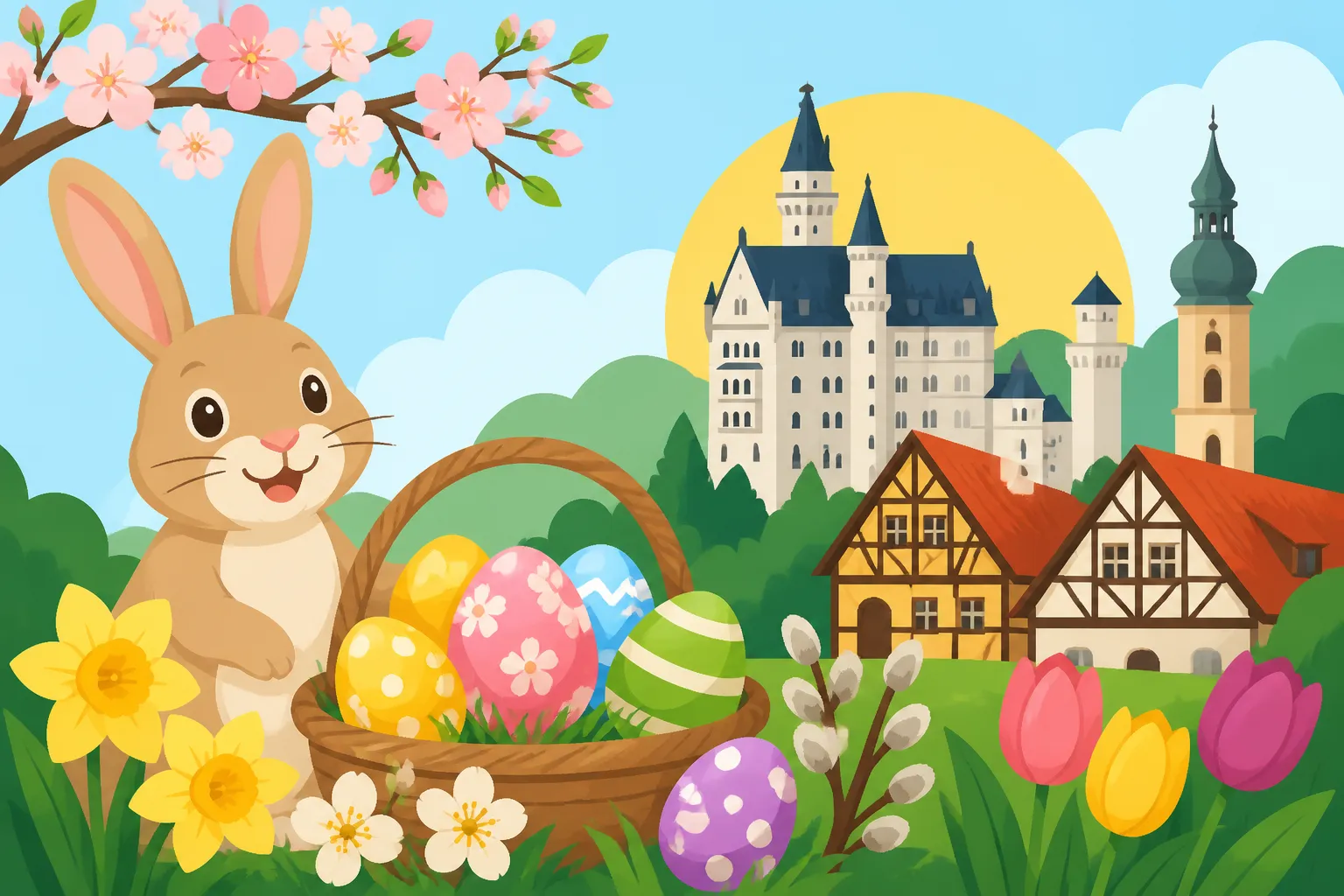
No German Easter is complete without Ostereier (Easter eggs) and Ostnester (Easter nests). The tradition of coloring eggs is ancient and widely practiced. You'll find a bewildering array of beautifully decorated eggs, from simple dyed ones to intricate, hand-painted masterpieces, in supermarkets and at local markets. Families often gather to dye eggs together, using kits or natural dyes like onion skins and beetroot. The eggs, along with chocolate bunnies and other treats, are hidden by the Osterhase (Easter Bunny) in Ostnester for children to find on Easter Sunday morning. These "nests" aren't actual bird nests, but rather small baskets or arrangements of grass and leaves that hold the treats. For parents, preparing the Ostnester and hiding them is a cherished ritual, often involving early morning stealth operations.
This egg-hiding tradition is a core part of the fun for children. It's a bit like a treasure hunt, usually happening in the garden if the weather allows, or inside the house if it's still chilly. You'll see children eagerly searching every nook and cranny for their colorful bounty. If you're planning a trip during this period and want to see how these traditions are woven into the local fabric, checking out what's on offer via GetYourGuide for city-specific Easter activities could give you a lovely insight into local celebrations.
The Heart of the Holiday: Easter Weekend Celebrations
Easter weekend in Germany is a time for family, food, and the joyous recognition of spring's full arrival. With two public holidays – Easter Sunday and Easter Monday – it’s a perfect opportunity for travel, feasting, and enjoying the great outdoors.
Ostersonntag (Easter Sunday) and Ostermontag (Easter Monday)
Ostersonntag is a day of church services, family gatherings, and, of course, the grand egg hunt. After the children have discovered their Ostnester, families often enjoy a leisurely Easter breakfast or brunch, featuring the collected eggs, special Easter bread (Osterbrot), and plenty of coffee. Later, a traditional Easter roast, often lamb, is served. The atmosphere is relaxed and celebratory.
Ostermontag is another public holiday, and just like Karfreitag, most shops will be closed. This can catch new expats off guard, so remember to stock up on groceries before the long weekend! Many Germans use Ostermontag for day trips, family visits, or walks in nature. It’s a gentler, less boisterous holiday than some, focused on quiet enjoyment and time with loved ones. If you're looking to explore a different region during these long holidays, consider using platforms like Omio to find train or bus tickets, as planning ahead is key for holiday travel.
Easter Fires and Spring Decorations
One of the most visually striking Easter traditions in Germany are the Osterfeuer (Easter Fires). Primarily in northern Germany, on the evening of Easter Saturday or Sunday, huge bonfires are lit. These fires are an ancient pagan custom, meant to ward off evil winter spirits and welcome spring. They are often community events, bringing people together with food, drink, and a shared sense of celebration. It's quite a sight to see these massive fires blazing against the night sky, a primal and heartwarming experience.
Beyond the fires, German homes and public spaces burst with spring decorations. Delicate pussy willow branches, birch twigs, and other early blossoms are brought inside and adorned with colorful painted eggs, often hung with small ribbons. You'll see these Osterstrauch (Easter bushes/trees) everywhere, from living rooms to shop windows. Little ceramic bunnies, chicks, and lamb figures also pop up, creating a charming, wholesome atmosphere. It's a wonderful way to bring the freshness of spring indoors, and a reminder that even after the cold, new life always emerges.
Here's a quick overview of key Easter dates and their associated traditions:
| Date Relative to Easter Sunday | German Name | English Translation | Common Traditions/Activities | Shops Closed? | Public Holiday? |
|---|---|---|---|---|---|
| 47 days before | Aschermittwoch | Ash Wednesday | End of Karneval, start of Lent (Fastenzeit). | No | No |
| 7 days before | Palmsonntag | Palm Sunday | Children carry Palmbüschel. Beginning of Holy Week. | No | No |
| 3 days before | Gründonnerstag | Maundy Thursday | "Green meal" traditionally eaten (e.g., spinach, herbs). | No | No |
| 2 days before | Karfreitag | Good Friday | Day of solemn reflection. Traditionally eat fish. No loud music/dancing. | Yes | Yes |
| 1 day before | Ostersamstag | Easter Saturday | Preparations for Easter Sunday. Easter bonfires (Osterfeuer) in some regions. | No | No |
| Easter Sunday | Ostersonntag | Easter Sunday | Egg hunt, family brunch/lunch, church services. | Yes | Yes |
| Day after Easter Sunday | Ostermontag | Easter Monday | Family visits, day trips, walks in nature. | Yes | Yes |
Beyond Easter: Embracing German Spring Festivities
Just when you think the holiday fun is over, Germany rolls out a whole new set of spring traditions and seasonal delights. From witches' dances to maypoles and delicious seasonal foods, there’s plenty to keep you enchanted as the days grow longer and warmer.
Walpurgisnacht and Maibaum Aufstellen
As April draws to a close, a very different kind of celebration emerges: Walpurgisnacht on the night of April 30th to May 1st. This is an ancient pagan festival, particularly prominent in regions like the Harz Mountains, where legend has it that witches gather on Brocken mountain. Across Germany, it's celebrated with bonfires, music, and general merriment, often seen as a final, dramatic send-off to winter and a joyous welcome to spring. It's a night of magic and folklore, a stark contrast to the quiet reflection of Easter.
Then, on May 1st, comes Maibaum Aufstellen (raising the Maypole). This vibrant tradition is celebrated in many towns and villages, especially in Bavaria. A tall, elaborately decorated tree trunk, often painted with colorful stripes and adorned with wreaths, ribbons, and symbols of local crafts, is ceremoniously erected in the town square. This is a huge community event, often accompanied by traditional Bavarian music, dancing, and plenty of beer and food. It’s a wonderful display of local pride and community spirit. If you want to experience authentic German village life, finding a Maibaum celebration on May 1st is a fantastic way to do it. You might want to book your accommodation in advance through sites like Booking.com if you plan to visit a smaller town for this unique experience.
Spargelzeit: The White Gold of Germany
No discussion of German spring is complete without mentioning Spargelzeit – asparagus season! From mid-April until June 24th, white asparagus, lovingly referred to as "white gold," dominates German cuisine. Farmers' markets overflow with bundles of fresh asparagus, and restaurants proudly feature Spargel on special seasonal menus. It's served in countless ways: classic with hollandaise sauce or melted butter, boiled potatoes, and schnitzel or ham; in soups; in salads; or even as a pizza topping.
For new expats, Spargelzeit can be a revelation. This isn't your average green asparagus from back home; the white variety has a delicate, slightly sweet, and earthy flavor. It's an absolute must-try. You’ll find communities celebrating Spargel with festivals, dedicated markets, and even asparagus routes for cycling or driving. It’s a culinary obsession that truly defines spring here, and it’s one of the tastiest ways to experience the seasonal rhythm of German life. You might even want to seek out some of the local specialties at a traditional German restaurant.
Frühlingsfeste: Spring Festivals and Markets
Beyond specific holidays, spring in Germany is dotted with Frühlingsfeste (Spring Festivals) and charming local markets. These festivals, often smaller and more community-focused than the famous Christmas Markets, celebrate the return of warmer weather and outdoor life. You'll find fairground rides, food stalls (hello, Spargel!), beer gardens, and artisan crafts. They are a wonderful opportunity to experience local culture in a relaxed, family-friendly setting.
Many cities also host Frühlingsmärkte (Spring Markets), where you can buy plants, garden decorations, and regional products. These events, though perhaps less grand than their Christmas counterparts, offer a genuine glimpse into local life and provide a lovely way to spend a sunny spring day. Walking through a bustling market, maybe with a Bratwurst in hand and the sounds of a local band playing, is a truly German spring experience. Keep an eye on local event calendars or pop into your local Tourist Information office to find out what's happening near you. This is also where you might find opportunities for some lovely Day Trips and Weekend Getaways Across Germany to experience different regional spring celebrations.
Navigating Practicalities and Cultural Nuances
Understanding German spring traditions goes beyond knowing what they are; it's also about figuring out the practicalities and cultural nuances that can make or break your experience as an expat.
Public Holidays and Shop Closures
This is probably the biggest practical headache for expats: the sheer number of public holidays in spring, many of which result in everything being closed. As mentioned, Karfreitag, Ostersonntag, and Ostermontag are national public holidays where shops are closed. Then there's May 1st (Tag der Arbeit – Labour Day), and often Christi Himmelfahrt (Ascension Day) and Pfingsten (Pentecost) which fall in May or early June, also bringing shop closures. It's crucial to plan your grocery shopping and errands around these days. Getting caught without milk or bread on a sunny Ostermontag is a rite of passage for many expats! Always check a public holiday calendar for your specific region, as some holidays are regional.
Beyond shops, banks, post offices, and most government offices will also be closed. Public transport generally runs on a reduced holiday schedule. The best advice I can give is to embrace the quietness. Use these days to relax, spend time with family and friends, or explore nature, rather than stressing about chores. Many tourist attractions, museums, and restaurants do remain open, offering alternatives. For understanding how these closures work, it's worth reading up on Quiet Hours and Sundays in Germany Ruhezeit.
Language and Social Etiquette During Spring Festivals
While many Germans in tourist areas speak English, knowing a few key German phrases will always enhance your experience, especially at local festivals. Simple greetings like Guten Tag, Danke schön, and phrases for ordering food or drinks go a long way. Germans appreciate the effort. Don't be shy to ask questions if you don't understand a tradition – most locals are proud of their heritage and happy to explain.
When it comes to social etiquette, punctuality is still valued, even in more relaxed settings. While a festival might not require precise timing, arriving on time for a family meal or a pre-arranged gathering is expected. Also, be mindful of noise levels, especially on Stille Feiertage like Karfreitag. Germans generally appreciate respect for communal rules and a calm demeanor. During community events, embrace the Gemütlichkeit (coziness/friendliness), but always be aware of your surroundings. If you're planning to buy regional produce or crafts at a market, remember that many vendors still prefer cash, so have some euros on hand, as Germany is still quite cash-centric. For more financial tips, check out Money for Travel in Germany: Cash, Cards, and ATMs.
Conclusion: Embracing the German Spring Journey
Germany's spring traditions are a rich tapestry woven from history, faith, and a deep connection to the changing seasons. From the solemnity of Good Friday to the vibrant community spirit of a Maibaum celebration and the culinary delight of Spargelzeit, this season offers a unique insight into German culture. It might take a little adjusting, especially with the shop closures and the quietness of certain holidays, but these nuances are part of what makes living here so wonderfully authentic. So, stock up on your groceries, don a light jacket, and step out to embrace the "white gold," the bonfires, and the blooming beauty that German spring has to offer. You won't regret immersing yourself in these unforgettable experiences.
Disclaimer
Please note that while this guide aims to provide accurate and comprehensive information, traditions and regulations can vary by region and may change. Always cross-reference information with local sources or official announcements for the most up-to-date details. This content is for informational purposes only and does not constitute official advice.