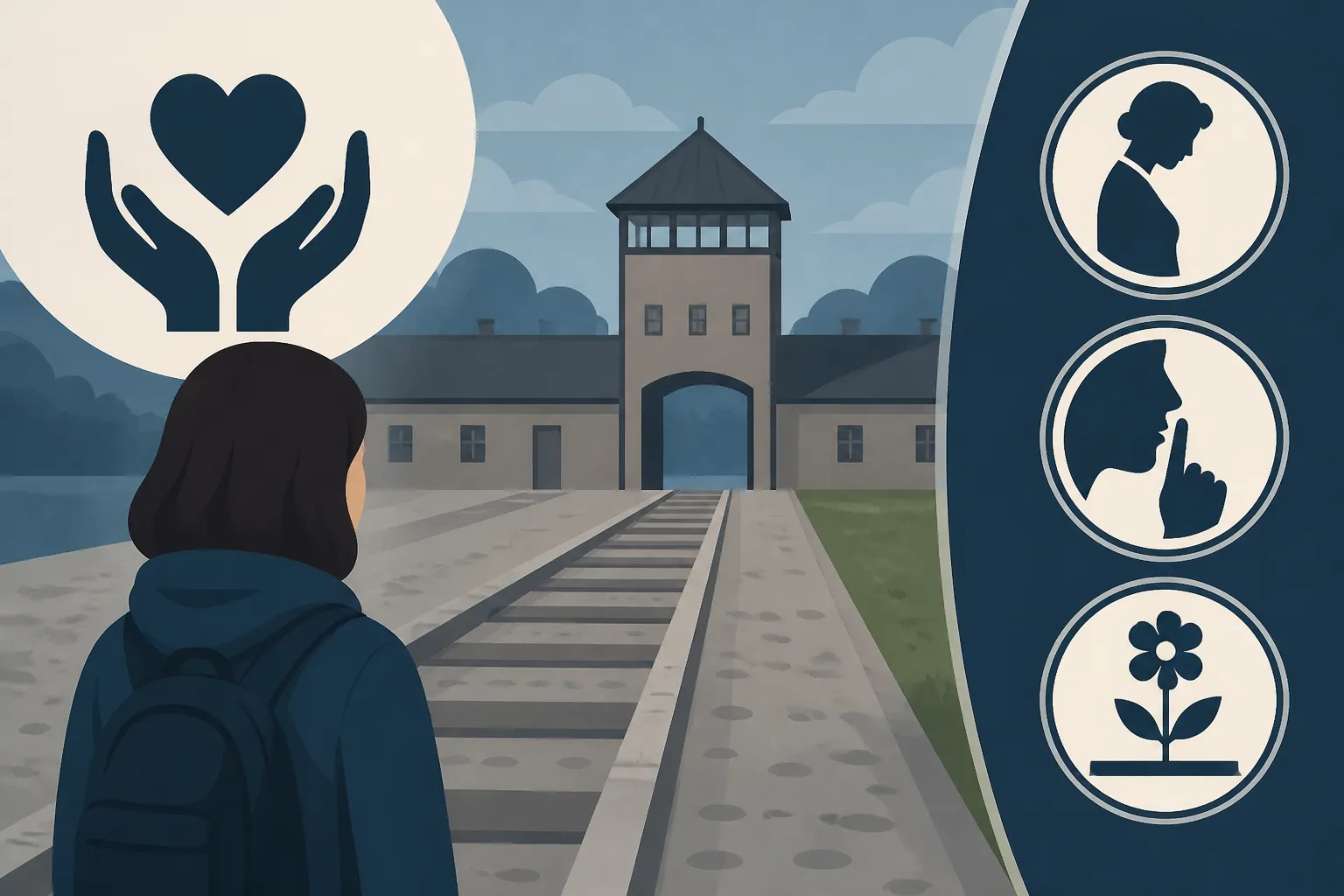
How to Visit a Concentration Camp Memorial Respectfully in Germany
Visiting a concentration camp memorial in Germany is a profoundly sobering experience, one that most expats and tourists feel compelled to undertake at some point during their time here. It’s a journey into the darkest chapters of human history, and it's completely normal to feel a mix of apprehension, sadness, and a deep sense of responsibility to bear witness. This guide isn't about telling you what to feel, but rather how to approach these sacred and solemn sites with the respect and understanding they truly deserve, ensuring your visit is meaningful and contributes to remembrance.
Disclosure: This post may contain affiliate links. We may earn a commission at no extra cost to you if you make a purchase through these links. Read full disclosure.
Understanding the Significance and Purpose of Memorial Sites
When you decide to visit a former concentration camp, you're not just stepping onto a historical landmark; you are entering a place where unfathomable suffering occurred. Germany has made immense efforts to transform these sites from places of horror into vital centers of education and remembrance. This transformation is a continuous, deeply felt national endeavor, and it shapes how these sites are presented and how visitors are expected to interact with them.
More Than Just Historical Sites: A Place of Remembrance and Education
The primary purpose of these memorial sites is twofold: to commemorate the millions of victims of Nazi atrocities and to serve as stark warnings against hatred, totalitarianism, and genocide. For Germans, these sites are an integral part of their Vergangenheitsbewältigung – the process of coming to terms with the past. For visitors, they offer a unique, if challenging, opportunity to confront history, understand its human cost, and reflect on the responsibility to prevent such events from ever happening again.
When you walk through the gates of, say, Dachau or Sachsenhausen, you're not just seeing old barracks or gas chambers. You're confronting tangible evidence of human depravity and resilience. The silence, often punctuated only by the wind, can be deafening, forcing you to truly listen to the stories etched into every brick and every memorial plaque. It's an active form of learning, far removed from a textbook, that leaves an indelible mark. Many find it emotionally exhausting, but also incredibly important. It's a testament to the fact that Germany, as a society, has chosen to confront its past head-on, rather than sweep it under the rug, a decision that commands respect.
Different Types of Memorials: Concentration Camps, Extermination Camps, and Satellite Camps
It's important to understand that not all Nazi camps served the same purpose, though all were instruments of terror and death. While many visitors associate all camps with extermination, a critical distinction exists, particularly for sites located within modern-day Germany.
- Concentration Camps (Konzentrationslager – KL): These were the first type of camps established by the Nazi regime, even before World War II began. Their initial purpose was to imprison political opponents, "undesirables" (like homeless people, homosexuals, and Romani), and Jews. Over time, their function expanded to include forced labor and the systematic murder of prisoners through starvation, disease, and brutal treatment. Examples in Germany include Dachau (the very first regular concentration camp, near Munich, established in 1933), Sachsenhausen (near Berlin, primarily for political prisoners and "enemies of the state"), and Buchenwald (near Weimar, known for its extensive forced labor system and medical experiments).
- Extermination Camps (Vernichtungslager): These camps were specifically designed and built for the sole purpose of industrial-scale mass murder, primarily of Jews, Romani, and other targeted groups, using gas chambers. Most of these were located in occupied Poland, such as Auschwitz-Birkenau, Treblinka, and Sobibór. While there were no pure extermination camps on German soil, concentration camps in Germany, like Dachau and Buchenwald, also saw horrific numbers of deaths through systematic brutality, starvation, and occasional localized gassing actions, even if they weren't designed for the same industrialized extermination process as the camps in Poland.
- Satellite Camps (Außenlager): Many larger concentration camps had vast networks of smaller satellite camps spread across Germany and occupied territories. These were often labor camps, providing slave labor for various industries, including armaments and construction. Conditions in these camps were equally brutal, with high mortality rates. Many local towns in Germany might have smaller, less well-known memorial sites or plaques commemorating these satellite camps.
Understanding these distinctions helps you appreciate the specific history and focus of each memorial site you visit in Germany. Each one tells a unique, yet interconnected, story of suffering and human degradation.
Here's a quick overview of some major concentration camp memorials in Germany:
| Memorial Site Name | Location | Primary Purpose / Historical Context | Noteworthy Aspects |
|---|---|---|---|
| Dachau Memorial Site | Near Munich | First regular concentration camp (1933), initially for political prisoners. Prototype for later camps. | Extensive museum, original barracks, gas chamber replica/testing site. |
| Sachsenhausen Memorial Site | Near Berlin | Established 1936, administrative center for all concentration camps. Held political prisoners, Jews, Romani, homosexuals. | Unique triangular layout, SS training ground nearby, extensive archives. |
| Buchenwald Memorial Site | Near Weimar | Established 1937, for political prisoners, Jews, Romani, homosexuals. Known for forced labor and medical experiments. | Large memorial tower, extensive original camp structures, diverse prisoner groups. |
| Ravensbrück Memorial Site | North of Berlin | Established 1939, primarily for women prisoners. Later included satellite camps for forced labor. | Focus on women's experiences, children's camp, large memorial space. |
| Bergen-Belsen Memorial Site | Near Celle | POW camp, then concentration camp, also a "exchange camp." Liberated by British forces. | No original buildings, but mass graves and powerful documentation center. |
| Flossenbürg Memorial Site | Bavaria | Established 1938, primarily a labor camp for granite quarrying. | Remote location, guard towers, extensive quarry, large visitor center. |
Planning Your Visit: Preparation and Practicalities
Visiting a concentration camp memorial is not a casual outing. It requires thoughtful preparation, both emotionally and logistically, to ensure you engage with the site respectfully and meaningfully.
Emotional and Mental Preparation
Let's be real: these visits are tough. They are meant to be. You're confronting a dark, painful chapter of history, and it's perfectly normal to feel overwhelmed, sad, angry, or even physically unwell during and after your visit. I've been there myself. The sheer weight of human suffering that permeates these places can be suffocating.
Before you go, take some time to mentally prepare. Read a little about the specific camp you're visiting. Understand its history and the types of prisoners held there. Don't expect a theme park experience – this is a place of profound sorrow and remembrance. Be prepared to feel uncomfortable; that discomfort is part of the learning process.
Give yourself permission to take breaks during your visit. If you feel overwhelmed, step away from a particular exhibit, find a quiet bench, or simply close your eyes for a moment. It's important to process these emotions rather than suppress them. Some people find it helpful to journal afterwards or to talk about their experience with a trusted friend or family member. Don't rush out immediately; allow for a period of reflection. After my first visit to Dachau, I spent the rest of the day in quiet contemplation, just letting the weight of it all settle. It's a heavy burden, but an essential one to carry, even if just for a day. If you struggle with the lingering feelings, seeking support for emotional well-being is always valid.
Logistical Considerations and Booking
Getting to these sites and navigating them often requires a bit of planning.
Transportation:
Most major memorial sites are well-connected by public transport. For example, Dachau is easily reachable by S-Bahn from Munich, followed by a short bus ride. Sachsenhausen is also accessible from Berlin by S-Bahn and local bus. Using platforms like Omio can help you find the best train or bus connections to the nearest towns. If you're coming from a different city, say, Hamburg or Frankfurt, planning your train journey with Deutsche Bahn well in advance can also save you money and stress. For those who prefer driving, rental cars offer flexibility, but be aware of parking availability at the sites.
Organized Tours:
If you're apprehensive about navigating the logistics or prefer a guided experience that offers deeper context, consider joining an organized tour. Many companies offer day trips from major cities to nearby memorial sites, often including transportation and a knowledgeable guide. Websites like GetYourGuide offer various options for such tours. A good guide can provide invaluable historical background, personal anecdotes (where appropriate), and help facilitate a more structured and informed visit, especially if you’re concerned about language barriers. While many memorials have information in English, a dedicated English-speaking guide can clarify nuances.
Accommodation:
If you're traveling a longer distance, you might consider staying overnight in a nearby town. Platforms like Booking.com can help you find suitable accommodation. However, when choosing a place, try to pick one that allows for quiet reflection rather than a party atmosphere. This isn't the kind of trip where you want to immediately dive into boisterous nightlife afterwards.
What to Bring:
- Comfortable Shoes: You'll be doing a lot of walking, often on uneven terrain.
- Weather-Appropriate Clothing: Dress for the elements, as much of the visit will be outdoors. An umbrella or sunscreen is often a good idea.
- Water and a Snack: While some sites have small cafes, it’s wise to bring your own.
- Tissues: Emotions can run high.
- Small Bag: Keep your belongings secure and your hands free.
- Headphones: If you plan to use an audio guide.
Other Practicalities:
- Opening Hours and Entry Fees: Most concentration camp memorials in Germany are free to enter, though donations are always welcome and help with maintenance and educational programs. Check their official websites for current opening hours, as these can vary by season.
- Guided Tours: Even if you don't book an external tour, many memorial sites offer their own guided tours (often for a small fee) or provide free audio guides. These are highly recommended for understanding the context and enormity of what happened. They often delve into aspects not immediately apparent from the exhibits alone.
- Language: Most memorial sites have extensive English translations for their exhibits and signs. However, knowing a little German can enhance the experience, though certainly not required. Resources for Learning German: Top Language Schools and Resources for Expats can always help you brush up.
Conduct at the Memorial Site: Showing Respect
Your behavior at a concentration camp memorial site is paramount. These are not tourist attractions in the conventional sense; they are sacred grounds of remembrance. Every action, conscious or unconscious, contributes to the atmosphere and shows respect for the victims.
Dress Code and Demeanor
Imagine visiting a cemetery or a place of deep spiritual significance – your dress and actions should reflect that same level of solemnity.
- Dress Code: Choose modest, respectful clothing. Avoid overly casual attire like swimwear, skimpy outfits, or clothing with offensive or provocative slogans. Think quiet colors, long sleeves/trousers, and comfortable but presentable shoes. You are visiting a place of immense suffering, not a beach or a party.
- Demeanor: Maintain a quiet and reflective demeanor throughout your visit. Keep conversations hushed and to a minimum. Avoid loud laughter, boisterous behavior, or excessive chatter. This is a place for contemplation, not socializing. Respect the silence that often blankets these grounds; it speaks volumes. If you’re with children, ensure they understand the gravity of the place and encourage them to be quiet and respectful. Remember, German etiquette generally values quiet and order, so this aligns with local norms, as detailed in German Etiquette: Do’s and Don’ts in Social and Professional Settings.
Photography and Filming
This is an area where respect is often most visibly, and unfortunately, most frequently, disregarded.
- Be Mindful and Respectful: Photography is often allowed at these sites, but it comes with a huge ethical responsibility. The purpose of your photos should be documentation, remembrance, and perhaps sharing the history with others in a meaningful way, not for personal branding or trivialization.
- Avoid Selfies and Trivialization: Under no circumstances should you take selfies, pose for cheerful photos, or engage in any behavior that trivializes the immense tragedy of the site. This includes grinning, thumbs-up gestures, or any other celebratory poses. It is deeply disrespectful to the victims and their memory. Think of the context: you are standing where people suffered and died.
- Focus on the Site, Not Yourself: If you do take photos, focus on the architecture, the memorials, the exhibits, and the somber atmosphere. Capture the essence of the place as a historical record.
- Respect Signage: Some areas, especially inside crematoria or certain exhibition rooms, may explicitly prohibit photography. Always look for and obey these signs.
- Consider Not Taking Photos at All: Sometimes, the most respectful and impactful way to experience these sites is to put your phone or camera away and simply be present, allowing yourself to fully absorb the weight of the history without the distraction of a lens. Your memories and reflections will be far more valuable than any photo you take.
Engaging with the Exhibits and Information
The memorial sites have invested significant resources into creating comprehensive exhibitions and educational materials. Make the most of them.
- Read Everything: Take your time to read the informational panels, prisoner testimonies, and historical summaries. These provide crucial context and personalizes the unfathomable numbers.
- Watch Documentaries: Many sites have short documentaries playing in their visitor centers. These are often powerful and provide a deeper insight into the daily life, the atrocities, and the liberation of the camps.
- Join a Guided Tour: As mentioned earlier, guided tours can be incredibly insightful. The knowledge and perspective of a trained guide can bring the history to life in a way that self-guided exploration cannot. They can also answer your questions and facilitate discussion.
- Avoid Touching Artifacts: Unless explicitly stated otherwise, do not touch any artifacts, barracks, walls, or other structures. These are fragile historical relics and must be preserved.
- Reflect, Don't Rush: Don't treat the visit as a checklist item to rush through. Allow yourself time to pause, reflect, and sit in silence. Visit the various memorials within the site – the Jewish memorial, the international memorial, the religious sites – and understand their specific meaning. This depth of engagement is why sites like these are so important, serving as profound points of learning in a world that needs constant reminders of history's lessons.
Post-Visit Reflection and Internalizing the Lessons
The experience of visiting a concentration camp memorial doesn't end when you walk out the gates. For many, the feelings, questions, and weight of the history linger long after, and processing this is an important part of the journey.
Processing Your Experience
It's common to feel a complex array of emotions after visiting such a site: sorrow, anger, disbelief, perhaps a renewed sense of purpose. Don't be surprised if these feelings last for days or even weeks. This is a normal and healthy response to confronting such immense suffering.
- Acknowledge Your Feelings: Don't try to dismiss or suppress what you feel. Give yourself space to process it. It's okay to feel deeply disturbed.
- Journaling: Writing down your thoughts and feelings can be a powerful way to organize and understand your experience. What impacted you most? What questions arose?
- Discussion: Talking about your visit with someone you trust – a partner, friend, or family member – can be therapeutic. Sharing your perspective and hearing theirs can help you process the gravity of what you witnessed.
- Quiet Contemplation: Sometimes, simply allowing for quiet time to reflect is all that's needed. Stepping away from distractions and letting the experience sink in can be profoundly impactful. Perhaps a peaceful walk in a park or by a quiet river, away from the bustle of city life, could help. If you live in one of the Best Cities in Germany for Expats: Pros and Cons of Each, finding that quiet spot might be easier than you think.
The purpose of these sites is not to leave you feeling hopeless, but to empower you with knowledge and a deeper understanding of the human capacity for both cruelty and resilience. It's about ensuring "never again."
Continuing the Education
Your visit is just one step in understanding this complex history. The lessons learned at a concentration camp memorial are not static; they require ongoing engagement and reflection.
- Further Reading: Explore books, historical accounts, and survivor testimonies about the Holocaust and the specific camp you visited. Websites of organizations like Yad Vashem or the United States Holocaust Memorial Museum offer extensive resources.
- Documentaries and Films: There are countless powerful documentaries and films that can deepen your understanding of this period.
- Engage in Dialogue: Discuss what you've learned with others. Share the stories of the victims and the warnings of history.
- Support Human Rights: Channel your feelings into action. Support organizations that promote human rights, fight against discrimination, and combat antisemitism and other forms of hatred. The lessons from these camps are profoundly relevant today, in an ever-complex global landscape.
- Remember the Purpose: Always remember that these memorials exist to honor the dead, educate the living, and serve as a perpetual reminder of the fragility of human rights and the dangers of unchecked ideology. By visiting respectfully and internalizing its lessons, you contribute to this vital mission of remembrance.
In Germany, the commitment to never forget is palpable. From the Stolpersteine (stumbling stones) found on sidewalks throughout many cities to the comprehensive exhibitions at the memorials, the country has consciously woven remembrance into its national fabric. As visitors, we have a responsibility to engage with this history thoughtfully and respectfully, ensuring that the voices of the past continue to speak to us and guide us towards a more just and humane future. Your journey through these sites is not just a personal one, but a shared act of global remembrance.
Disclaimer
Please remember that while I strive to provide accurate and helpful information based on my experience and available data, this guide is for informational purposes only. The situation for expats and visitors in Germany can change, and it's always wise to consult official government websites and current local guidelines for the most up-to-date and legally binding information. Specific rules for each memorial site, including opening hours and visitor regulations, should be checked on their respective official websites before your visit.