The Baltic and North Sea Coasts for Visitors
Germany offers so much more than its bustling cities, fairytale castles, and majestic Alpine peaks. For those of us who've spent a fair bit of time here, we know the true magic often lies in the less-trodden paths, and two of Germany's most captivating, yet frequently overlooked, treasures are its stunning North Sea and Baltic Sea coastlines. If you've been craving a different kind of German adventure, one filled with salty air, endless horizons, and a unique blend of nature and culture, then you've absolutely landed in the right spot. This guide is going to peel back the layers of these incredible coastal regions, helping you navigate their distinct charms, plan your visit, and discover why they should be high on your German exploration list.
Disclosure: This post may contain affiliate links. We may earn a commission at no extra cost to you if you make a purchase through these links. Read full disclosure.
The Allure of Germany's Coastlines: More Than Just Mountains and Cities
When most people picture a trip to Germany, their minds typically conjure images of Bavarian beer gardens, the vibrant energy of Berlin, or the historic charm of Cologne. And while those are all fantastic experiences, I'm here to tell you that overlooking Germany's northern coastlines would be a real shame. These regions offer a completely different vibe, a slower pace, and a refreshing escape that many expats, myself included, have come to cherish.
Why the German Coasts are a Hidden Gem for Expats and Tourists
As an expat, I remember feeling a bit overwhelmed by the sheer number of incredible inland destinations. It took me a while to realize that Germany isn't landlocked! The northern coasts are a breath of fresh air, literally and figuratively. They present a stark contrast to the dense forests and rolling hills of the south, offering vast sandy beaches, dramatic cliffs, and unique ecosystems that you simply won't find anywhere else in the country. They're perfect for unwinding, for families, and for anyone looking to connect with nature without the typical tourist throngs you might find in more famous spots.
For tourists, it's a chance to see a different side of Germany, one that combines picturesque seaside resorts with fascinating maritime history and truly unparalleled natural beauty. You get the meticulous German efficiency blended with a relaxed, almost maritime-influenced pace of life. Plus, these areas tend to be a bit more budget-friendly than, say, a peak season trip to Munich, making them an attractive option for a longer, more sustainable holiday. You'll find delicious, fresh seafood, charming guesthouses, and a genuine sense of peace that can be hard to come by in the larger metropolitan areas.
North Sea vs. Baltic Sea: Understanding the Core Differences
Okay, so Germany has two coastlines. But what's the difference? This is where it gets interesting, as each sea offers a distinct character, largely shaped by geography, tides, and historical development.
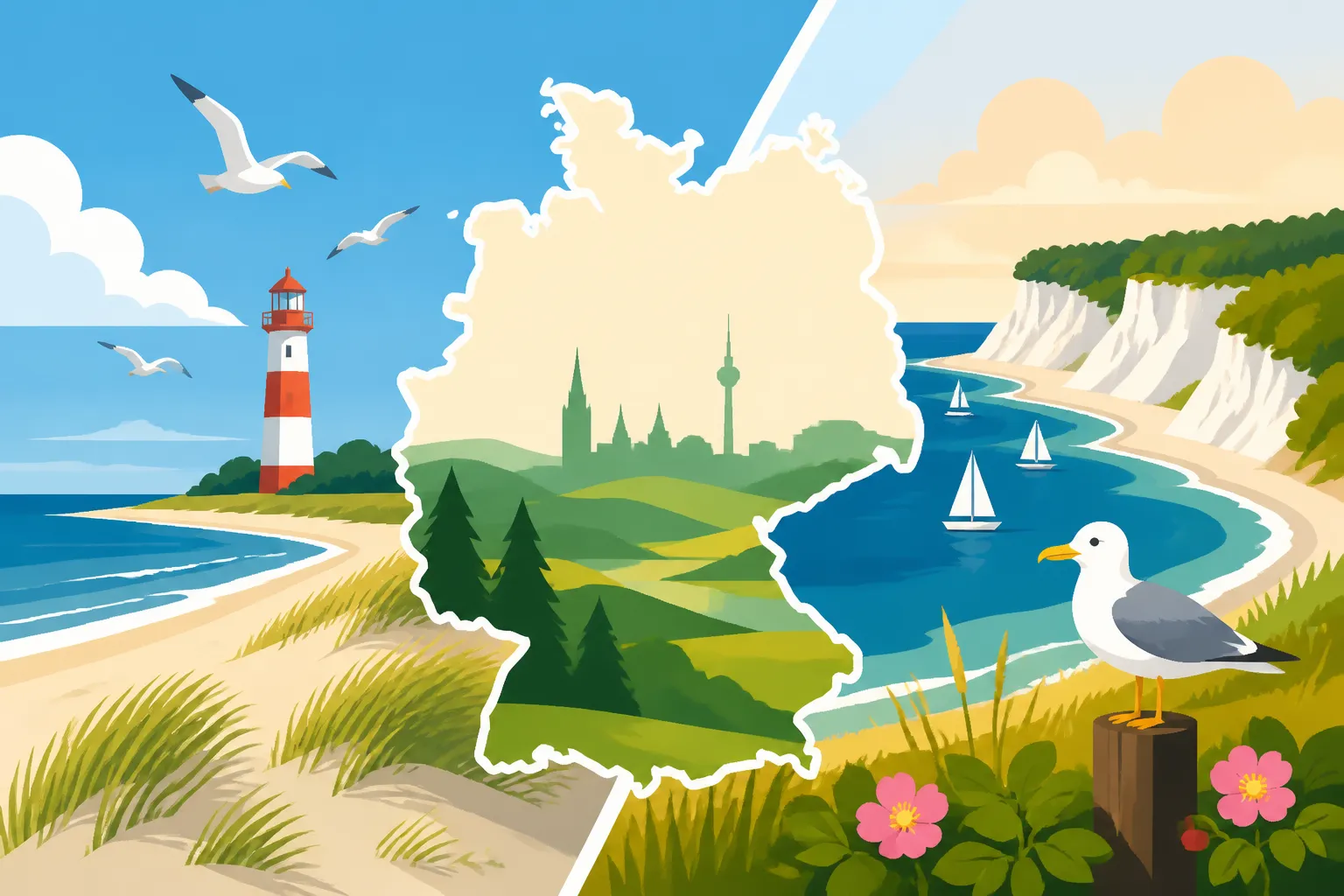
The North Sea (Nordsee) is the wilder, more dramatic sibling. It's an open ocean, part of the Atlantic, and thus experiences significant tides. This means its coastline is characterized by vast mudflats, sandbanks, and a constant interplay between land and sea. Think rugged beauty, brisk winds, and the unique experience of walking on the seabed at low tide. The North Sea is famous for its powerful winds, making it a hotspot for windsurfing and kitesurfing. The water tends to be cooler, and the weather can change quickly. Its islands, like Sylt or Norderney, are often windswept and have a more exclusive, yet still natural, appeal. The most prominent feature is the Wadden Sea, a UNESCO World Heritage site, where the tidal flats create an incredible ecosystem for migratory birds and marine life.
The Baltic Sea (Ostsee), on the other hand, is much calmer. It's an inland sea, almost like a giant lake, with very little tidal movement. This makes for generally gentler waves, warmer waters in summer, and long, sandy beaches that are perfect for swimming and sunbathing. The Baltic coast is often lined with white cliffs, dense forests, and picturesque seaside resorts, many dating back to the 19th century, with stunning Bäderarchitektur (spa architecture). Its islands, such as Rügen and Usedom, boast expansive beaches, tranquil bays, and a more Mediterranean-like feel during the summer months. Historically, the Baltic was crucial for the Hanseatic League, and this rich trading heritage is still evident in its beautiful, historic cities.
Here’s a quick overview of their main differences:
| Feature | North Sea (Nordsee) | Baltic Sea (Ostsee) |
|---|---|---|
| Character | Wild, rugged, dramatic, open ocean | Calm, gentle, serene, inland sea |
| Tides | Significant (up to several meters) | Minimal to none |
| Landscape | Wadden Sea mudflats, dunes, strong winds, islands | Long sandy beaches, cliffs, forests, lagoons, islands |
| Water Temp. | Generally cooler | Warmer in summer |
| Activities | Wadden Sea walks, kitesurfing, windsurfing, hiking | Swimming, sunbathing, cycling, spa treatments |
| Key Attractions | Wadden Sea UNESCO site, Frisian Islands, St. Peter-Ording | Rügen, Usedom, Darß, Hanseatic cities, historic resorts |
Diving into the North Sea (Nordsee): Rugged Beauty and Tidal Wonders
The North Sea coast of Germany, stretching from the Dutch border all the way up to Denmark, is a truly unique destination. It's a place where nature reigns supreme, offering an ever-changing landscape shaped by the powerful forces of wind and water. You'll find yourself mesmerized by the vastness of the Wadden Sea, charmed by the quaint island villages, and invigorated by the fresh, salty air.
Experiencing the Wadden Sea National Parks: A UNESCO World Heritage Site
The Wadden Sea (Wattenmeer) is the undeniable jewel of the German North Sea coast. This incredible intertidal zone, which stretches along the coasts of Germany, Denmark, and the Netherlands, is the largest unbroken system of intertidal sand and mudflats in the world. It was designated a UNESCO World Heritage site in 2009, and for very good reason. Imagine walking miles out into what appears to be a never-ending expanse of mud and sand, only to know that in a few hours, the entire area will be submerged under the sea. This constant ebb and flow creates an incredibly dynamic and fertile ecosystem, teeming with life.
You absolutely have to experience a guided mudflat walk (Wattwanderung). There are many certified guides available, and it’s crucial to go with one for safety reasons due to the rapidly changing tides. These walks teach you so much about the delicate balance of the ecosystem, from the tiny lugworms creating their distinctive casts to the countless migratory birds that use the Wadden Sea as a crucial stopover point on their long journeys. It’s an immersive, almost meditative experience, truly showcasing the raw power and beauty of nature. The national parks associated with the Wadden Sea, such as the Schleswig-Holsteinisches Wattenmeer National Park, are dedicated to preserving this unique environment and offer educational centers and observation points.
Island Hopping: The Frisian Islands (Ostfriesische Inseln and Nordfriesische Inseln)
Dotting the North Sea coastline are the enchanting Frisian Islands, divided into the East Frisian (Ostfriesische) and North Frisian (Nordfriesische) Islands. Each island has its own distinct personality, but all offer a tranquil escape from mainland life. They are largely car-free, meaning you'll be getting around by foot, bike, or horse-drawn carriage – talk about a digital detox!
The East Frisian Islands include popular spots like Norderney, Spiekeroog, and Juist. Norderney is one of the more lively islands, with a bustling town center, beautiful beaches, and a vibrant cultural scene. Spiekeroog, on the other hand, is a car-free oasis known for its pristine nature, therapeutic climate, and serene atmosphere, perfect for quiet relaxation. Juist, often called the "Long Island" due to its slender shape, offers endless stretches of sandy beaches and a focus on wellness. Getting to these islands typically involves a ferry from towns like Norddeich Mole, Bensersiel, or Neuharlingersiel.
The North Frisian Islands, further north, boast islands like Sylt, Föhr, and Amrum. Sylt is the "it" island, known for its chic resorts, gourmet restaurants, and a more exclusive atmosphere, often attracting celebrities and the affluent. Its dramatic west coast with its red cliffs and wild dunes is breathtaking. Föhr is often called the "Green Island" due to its lush landscapes and sheltered location, making it ideal for families. Amrum is famous for its incredible Kniepsand beach, one of Europe's widest beaches, offering ample space for walking and playing. Ferries to these islands depart from places like Dagebüll or Niebüll. To explore these options, consider checking services like Omio for ferry and train connections.
Charming Coastal Towns and Resorts: From Büsum to St. Peter-Ording
Even on the mainland, the North Sea offers a string of delightful towns and resorts that are worth exploring. These communities have a rich maritime history, often serving as fishing ports or centers for coastal protection.
Büsum is a classic example of a Schleswig-Holstein fishing village turned charming seaside resort. It's famous for its harbor and the fresh North Sea shrimp (Krabben) you can get directly from the boats. The "Green Beach" (actually a grassy dike) is unique, and it’s a popular spot for families due to its shallow water areas and playgrounds.
Further north, St. Peter-Ording is a truly iconic destination. Its most distinguishing feature is its incredibly wide, expansive beach, stretching for miles and featuring stilt-house restaurants (Pfahlbauten) perched high above the sand. These iconic structures are a symbol of the North Sea coast and offer breathtaking views. St. Peter-Ording is also a recognized North Sea spa and sulfur bath, known for its therapeutic climate and wellness offerings. It’s a fantastic place for long walks, kitesurfing, or just breathing in the revitalizing air.
For those looking to venture slightly inland but still within the North Sea's sphere of influence, consider towns like Husum, often called the "grey city by the sea" (though it's far from grey!). This charming town with its historic harbor, Theodor Storm connections, and annual crocus blossom festival offers a delightful blend of culture and coastal proximity.
Exploring the Baltic Sea (Ostsee): Gentle Shores and Historic Charm
Shifting our gaze eastward, the German Baltic Sea coast presents a gentler, yet equally captivating, alternative. Here, the landscape is characterized by fine sandy beaches, picturesque cliff lines, and ancient forests, all kissed by the calm, often shimmering waters of the Baltic.
Beaches and Bays: Rügen, Usedom, and the Darß Peninsula
The Baltic coast is renowned for its magnificent beaches and stunning islands. Two of the largest and most popular islands are Rügen and Usedom.
Rügen, Germany's largest island, is a marvel of natural beauty and historic elegance. It boasts the iconic Königsstuhl chalk cliffs in Jasmund National Park, which plunge dramatically into the turquoise sea – a sight that has inspired artists for centuries. You can take boat trips from Sassnitz to see the cliffs from the water or hike the trails within the national park. Rügen is also famous for its charming seaside resorts like Binz and Sellin, where you'll find exquisite examples of Bäderarchitektur with their ornate wooden villas and elegant piers. The island offers endless cycling paths through ancient beech forests and along the coast, making it a paradise for active travelers.
Usedom, an island shared with Poland, is often called the "sunshine island" (Sonneninsel) because it consistently records the most hours of sunshine in Germany. Its extensive, fine sandy beaches are perfect for sunbathing and swimming, particularly popular with families. Resorts like Ahlbeck, Heringsdorf, and Bansin, often referred to as the "Three Imperial Baths" (Drei Kaiserbäder), exude old-world charm with their grand piers, promenade, and beautiful villas. The Amber Promenade connects these towns, offering a delightful walk.
Nestled between Rostock and Stralsund, the Darß Peninsula is another natural gem. This unique spit of land is largely protected as part of the Vorpommersche Boddenlandschaft National Park. Its wild, untamed west beach, often strewn with driftwood, is repeatedly voted one of Europe's most beautiful natural beaches. The Darß is a haven for nature lovers, especially birdwatchers, as thousands of cranes migrate through here in spring and autumn. The charming artists' village of Ahrenshoop, with its thatched-roof houses and vibrant arts scene, is a particular highlight. You can rent bikes and explore the dense Darßwald forest or simply enjoy the tranquility of the lagoons (Bodden) on the eastern side.
Hanseatic Cities and Historic Ports: Lübeck, Rostock, and Stralsund
The Baltic Sea was the lifeblood of the Hanseatic League, a powerful medieval trading confederation. This rich history is palpable in the region's magnificent Hanseatic cities, which now stand as UNESCO World Heritage sites, boasting stunning brick Gothic architecture.
Lübeck, often called the "Queen of the Hanseatic League," is arguably the most famous. Its picturesque old town, surrounded by water and dominated by its seven spires, is a UNESCO World Heritage site. Don't miss the Holstentor, the iconic city gate, and explore the charming narrow alleys and courtyards. Lübeck is also world-renowned for its marzipan, so be sure to indulge in some Niederegger Lübeck Marzipan, a local specialty. The city’s history as a trading powerhouse is evident in its grand merchant houses and impressive churches.
Rostock, a bustling port city, offers a vibrant mix of old and new. Its historic Kröpeliner Straße, the main shopping street, leads to the striking Gothic Marienkirche (St. Mary's Church) with its impressive astronomical clock. The city's maritime heritage is still very much alive, with modern ferries departing for Scandinavia and a lively harbor area. Just a short tram ride away is the seaside resort of Warnemünde, with its wide sandy beach, lighthouse, and charming promenade, making it a popular spot for day-trippers and cruise ship passengers.
Stralsund, another UNESCO World Heritage city, offers stunning views of the Strelasund strait and the island of Rügen. Its well-preserved old town features impressive brick Gothic churches, gabled houses, and the historic market square. The Ozeaneum, a state-of-the-art oceanographic museum, is a major attraction, offering fascinating insights into the marine life of the Baltic and North Seas. It’s a great place to learn about the biodiversity of these unique waters, perfect for families and curious minds alike.
Wellness and Relaxation: Spa Towns and Seaside Retreats
The Baltic Sea coast has a long tradition as a destination for wellness and relaxation, dating back to the 19th century when seaside resorts became popular among the European aristocracy. Today, this tradition continues with numerous spa towns and therapeutic retreats.
Many resorts along the coast, like Heiligendamm (Germany's oldest seaside resort), Kühlungsborn, and Timmendorfer Strand, offer extensive spa facilities, ranging from seawater thalassotherapy treatments to traditional sauna and massage options. The clean sea air itself is considered therapeutic, particularly beneficial for respiratory conditions. These towns often feature long, elegant promenades perfect for a leisurely stroll, charming cafes, and often piers that stretch far out into the sea, offering panoramic views.
The focus here is truly on unwinding and rejuvenating. Imagine starting your day with a walk along the beach, enjoying a leisurely Kaffee und Kuchen in the afternoon, and ending it with a relaxing spa treatment. This slower pace of life is a welcome antidote to the stresses of modern living, allowing you to truly disconnect and recharge. These seaside retreats embody the essence of "slow travel," encouraging visitors to linger, breathe deep, and soak in the tranquil atmosphere.
Planning Your Coastal Adventure: Logistics and Practical Tips
Navigating a trip to Germany's coasts is relatively straightforward, but a little planning goes a long way, especially when considering transportation, accommodation, and the best time to visit.
Getting There: Transportation Options and Best Routes
Getting to the German coasts is generally quite convenient thanks to Germany's excellent transportation infrastructure.
By Train: Deutsche Bahn (DB) is your best friend here. Major coastal towns like Rostock, Stralsund, Lübeck, and even some points on the islands (like Westerland on Sylt or Binz on Rügen) are well-connected by regional and intercity trains. For example, you can easily reach the North Sea coast from Hamburg or the Baltic coast from Berlin. I always recommend checking the Deutsche Bahn Guide: Using Trains for City and Long-Distance Travel for schedules and tickets. Booking in advance can often save you money, especially on ICE connections.
By Car: Renting a car offers the most flexibility, especially if you plan on exploring multiple smaller towns or venturing off the main routes. The Autobahn network connects you swiftly to the northern regions. However, be aware that many of the Frisian Islands are car-free, requiring you to park on the mainland and take a ferry. Consider familiarizing yourself with Renting a Car and Driving on the Autobahn to ensure a smooth journey. For planning car routes, tools like Google Maps are indispensable.
By Bus: Long-distance bus services like FlixBus also connect many German cities to coastal towns, often offering a more budget-friendly alternative to trains. This can be particularly useful for direct routes from cities that might not have immediate train connections. You can often find great deals on platforms like Omio, which compares different transport options.
Ferries: To reach the islands, ferries are essential. They typically depart from various mainland ports (e.g., Cuxhaven, Emden, Dagebüll for the North Sea; Sassnitz, Schaprode for the Baltic). Booking ferry tickets in advance, especially during peak season, is highly recommended.
Accommodation: Where to Stay (and Booking Savvy)
Accommodation options along both coasts are diverse, ranging from luxury hotels and charming guesthouses (Pensionen) to self-catering apartments (Ferienwohnungen) and campsites.
For a traditional seaside experience, look for hotels or Pensionen in the historic spa towns, especially along the Baltic Sea, where you can admire the stunning Bäderarchitektur. Many of these offer wellness facilities themselves. If you're traveling with family or planning a longer stay, a Ferienwohnung (holiday apartment) can be a fantastic and often more economical choice, offering kitchen facilities and more space. Booking.com is a popular choice for finding a wide range of accommodation, from hotels to apartments, and I've personally found it very reliable for securing places with good reviews.
For those on a tighter budget or seeking a more immersive nature experience, camping is a popular option, with many well-equipped campsites located near beaches and natural parks. Remember to book well in advance, especially for popular destinations like Sylt or Rügen during school holidays or summer.
Best Time to Visit and What to Pack
The best time to visit Germany's coasts largely depends on what kind of experience you're looking for.
Summer (June-August): This is peak season. The weather is warmest, perfect for swimming, sunbathing, and all kinds of water sports. However, it's also the busiest and most expensive time. Beaches will be crowded, and booking accommodation and ferries months in advance is essential.
Spring (April-May) and Autumn (September-October): These shoulder seasons are, in my opinion, fantastic. The weather is milder, the crowds are thinner, and prices are generally lower. It's ideal for cycling, hiking, and enjoying the natural beauty without the summer rush. The Darß Peninsula in autumn, for example, is spectacular for watching crane migrations.
Winter (November-March): While cold and often windy, the coasts in winter offer a stark, dramatic beauty. Long walks on deserted beaches, cozying up in a warm cafe, and enjoying the therapeutic sea air can be incredibly rejuvenating. Many towns still have charming Christmas markets in December, adding a festive touch.
What to Pack: Regardless of the season, layering is key. The weather can be unpredictable. Always bring a windproof and waterproof jacket, even in summer, as coastal winds can pick up quickly. Comfortable walking shoes are a must, especially for mudflat walks or exploring islands. For summer, don't forget swimwear, sunscreen, and a good hat. In cooler months, warm sweaters, a scarf, and gloves will be your best friends. And, of course, your camera to capture those stunning seascapes!
Activities and Experiences: Beyond the Beach
While the beaches are undoubtedly a major draw, the German North and Baltic Sea coasts offer a wealth of activities and experiences that go far beyond just sunbathing.
Outdoor Activities: Cycling, Hiking, and Water Sports
Both coastlines are a paradise for outdoor enthusiasts.
Cycling: Flat terrain and well-maintained cycle paths make both regions ideal for biking. You can rent bikes almost everywhere. Along the Baltic, the Ostseeküsten-Radweg (Baltic Sea Cycle Route) is a famous long-distance trail offering stunning views and connecting many resorts and towns. On the North Sea side, cycling along the dikes provides exhilarating experiences and unique perspectives of the Wadden Sea.
Hiking: From the dramatic cliffs of Rügen to the expansive mudflats of the Wadden Sea, hiking opportunities are abundant and varied. Jasmund National Park on Rügen is particularly popular for its forest trails and cliff walks. Guided hikes, particularly the Wadden Sea walks, offer both educational and physical rewards.
Water Sports: The North Sea, with its stronger winds, is a hotspot for kitesurfing and windsurfing, especially in places like St. Peter-Ording. Lessons and equipment rental are readily available. The calmer waters of the Baltic Sea are more suited for stand-up paddleboarding (SUP), kayaking, and sailing. Many resorts offer boat rental and guided tours, including scenic excursions around the islands.
Culinary Delights: Fresh Seafood and Regional Specialties
Prepare your taste buds for a treat! The coastal regions are renowned for their fresh seafood and unique regional specialties.
Fish, Fish, and More Fish: Whether it's freshly caught herring (Hering), cod (Dorsch), plaice (Scholle), or the famous North Sea shrimp (Krabben), you'll find an abundance of delicious fish dishes. Head to the local fish stalls in the harbors for a quick, tasty Fischbrötchen (fish sandwich) – a true North German staple. Many restaurants pride themselves on serving fish caught that very day, ensuring unparalleled freshness.
Regional Specialties: Beyond fish, each region has its unique flavors. Along the North Sea, you might encounter Labskaus, a hearty dish of corned beef, potatoes, onions, and often served with fried egg and pickled beetroot – it's definitely an acquired taste but a local classic! On the Baltic side, look for dishes featuring sea buckthorn (Sanddorn), a tart berry often used in juices, jams, and even liqueurs, particularly popular on Rügen and Usedom.
When dining out, remember that German food culture: Eating and Drinking as a Visitor often involves slightly earlier dinner times than in some other countries, and many smaller restaurants might have specific opening hours. Don't be afraid to ask for local recommendations – the staff usually know the best spots for authentic cuisine.
Family Fun and Accessibility
Both coasts are wonderfully family-friendly. The calm, shallow waters of the Baltic Sea are ideal for children to swim and play safely. Many beaches offer playgrounds, minigolf, and other kid-oriented activities. The Wadden Sea, with its fascinating creatures and endless space, provides a natural playground for curious young minds. Museums like the Ozeaneum in Stralsund are highly engaging for all ages.
In terms of accessibility, many coastal towns and promenades are well-equipped with ramps and accessible pathways. Some beaches even offer beach wheelchairs for rent. However, it's always wise to check specific accessibility details with your accommodation provider or local tourist information office, especially when planning to visit smaller islands or nature reserves. Websites like GetYourGuide often list tours and activities with accessibility information, which can be helpful for pre-planning.
Navigating Local Culture and Etiquette
While the coastlines offer a relaxed atmosphere, it's still Germany, and understanding some local nuances will make your visit even smoother.
Local Customs and Communication
The people along the coast are often known for their friendly, straightforward demeanor, sometimes even a bit reserved compared to their southern counterparts. In the north, particularly Schleswig-Holstein, you might hear a low "Moin!" as a universal greeting at any time of day – it’s a charming local touch. While English is widely spoken in tourist areas and among younger generations, having a few German phrases under your belt will always be appreciated. Even a simple "Danke schön" (thank you very much) or "Entschuldigung" (excuse me) goes a long way. Consider brushing up on some German Language and Everyday Communication for Visitors before your trip.
Sunday closures are a very real thing in Germany, and the coastal towns are no exception. Shops, except for some small bakeries and shops in train stations or tourist hubs, will be closed. Plan your grocery shopping accordingly! This is just part of the fabric of German life and contributes to the relaxed Sunday atmosphere.
Environmental Respect and Preservation
Both the North and Baltic Sea coasts are areas of immense natural beauty and ecological importance. Visitors are expected to treat the environment with respect. This means sticking to marked paths in national parks, not disturbing wildlife, and always disposing of your waste properly. The German Recycling System Explained: How to Sort Trash and Recycle Properly is something you'll encounter even in holiday homes, and adherence helps preserve these pristine environments for everyone. The Wadden Sea in particular is a fragile ecosystem, so following guidance from national park authorities is crucial. Protecting these areas is a shared responsibility, ensuring they remain beautiful for future generations of visitors and locals alike.
Disclaimer
Please note that while this guide provides comprehensive and up-to-date information based on extensive knowledge and real-time search, travel regulations, opening hours, and specific offerings can change. Always check the latest information with official sources and local authorities before making your travel plans. This content is for informational purposes only and does not constitute professional advice.