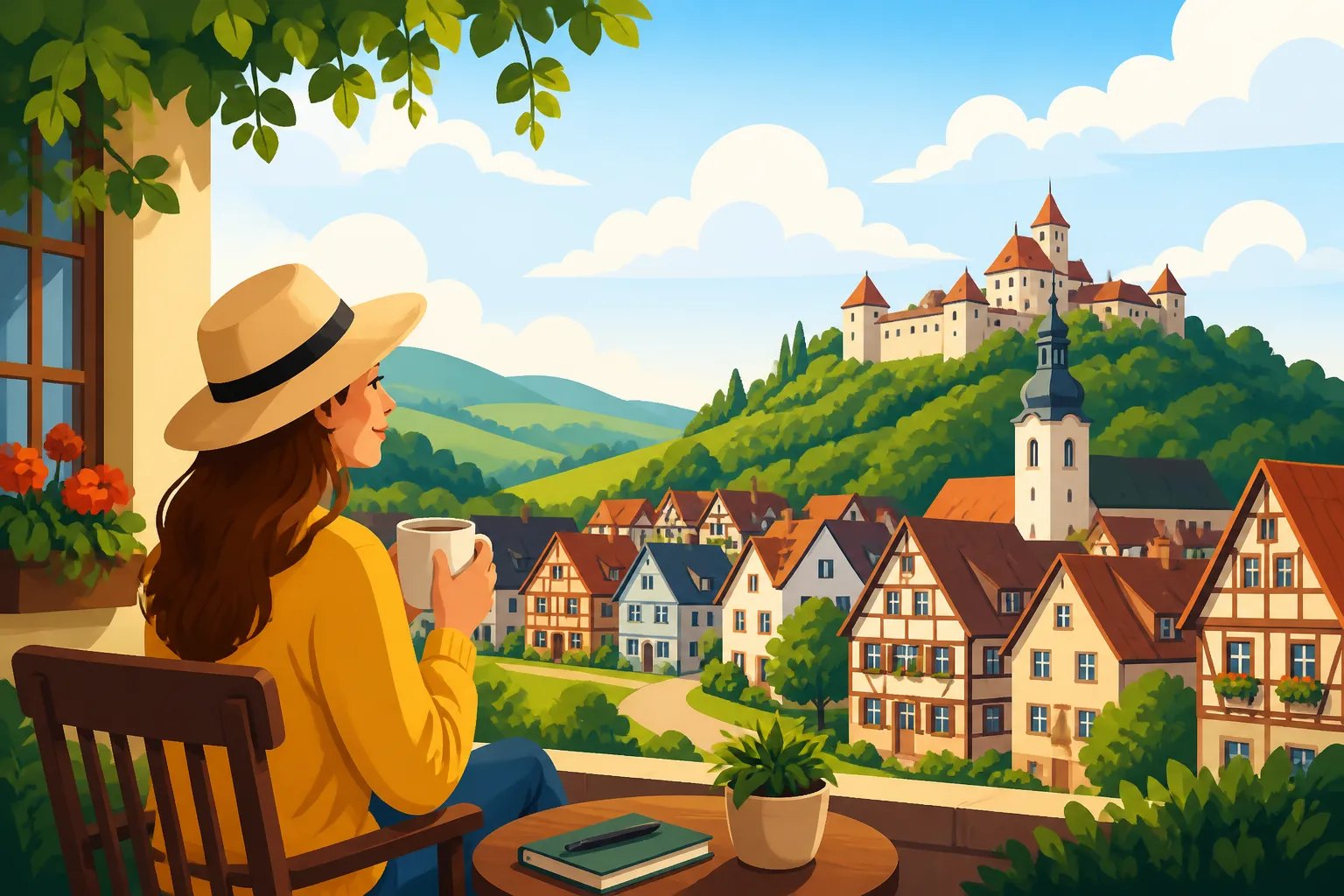
Slow Travel in Germany: Staying Longer in One Place
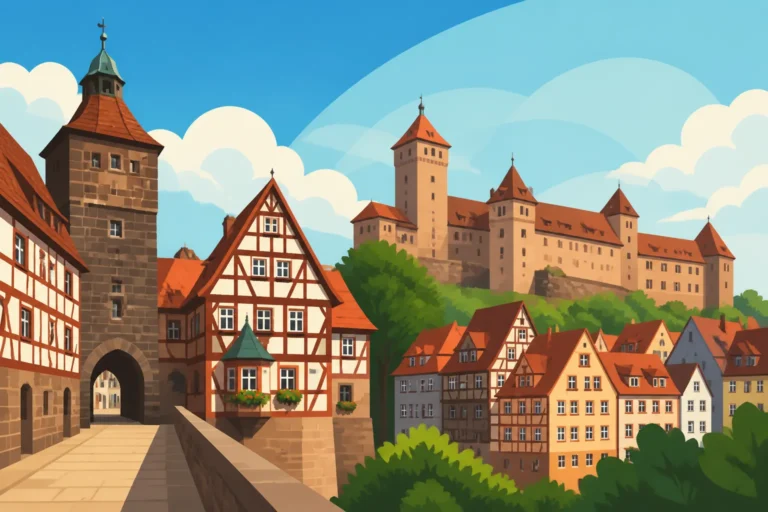
You know, when you first think of visiting Germany, your mind probably jumps to a whirlwind tour: zipping from the Brandenburg Gate in Berlin to the castles of Bavaria, maybe squeezing in Oktoberfest, all in a frantic week or two. And while there's nothing wrong with a fast-paced adventure, many of us expats, and even those just passing through, have discovered a far more enriching way to experience this incredible country: slow travel. This isn't about ticking off landmarks; it's about settling in, breathing deep, and truly getting under the skin of a single place, letting Germany reveal its quieter, more authentic self. This comprehensive guide will walk you through how to embrace slow travel in Germany, helping you choose a perfect base, manage the logistics of a longer stay, and immerse yourself deeply in the local culture.
Disclosure: This post may contain affiliate links. We may earn a commission at no extra cost to you if you make a purchase through these links. Read full disclosure.
What Exactly Is Slow Travel, and Why Germany?
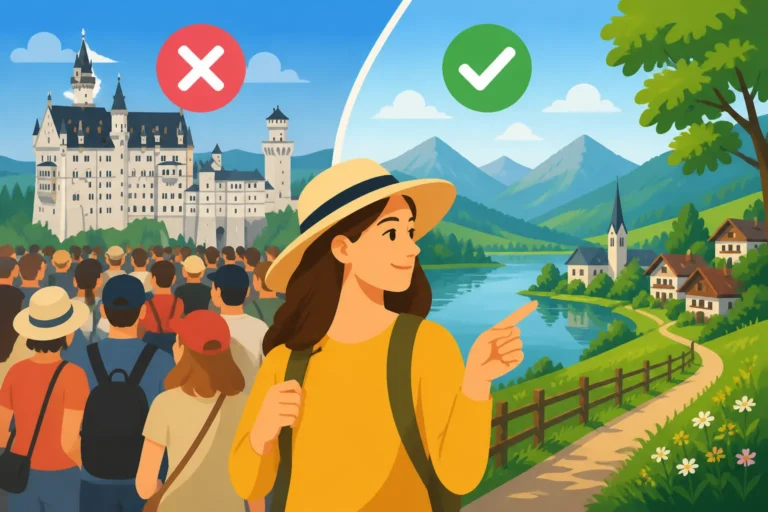
Let’s be honest, the modern travel industry often pushes us towards a "see it all, do it all" mentality. We jet from city to city, snapping photos, rushing through museums, and barely having time to finish a coffee before we're off to the next attraction. But for many, this leaves you feeling more exhausted than rejuvenated, with a collection of fleeting impressions rather than genuine memories. Slow travel is the antidote, and Germany, with its diverse landscapes, rich history, and well-structured infrastructure, offers an unparalleled canvas for this more deliberate approach.
Embracing the "Langsamkeit" Mindset
"Langsamkeit" in German simply means "slowness," but it’s more than just a literal translation when it comes to travel. It's a philosophy, a conscious decision to reject the hurried itinerary and embrace a more mindful pace. Imagine spending your mornings at a local bakery, getting to know the owner, rather than rushing through a hotel breakfast. Picture yourself taking leisurely strolls through a local park, observing the changing seasons, instead of sprinting between tourist traps. This isn't about doing less; it's about doing more deeply. It’s about letting serendipity guide you, allowing for spontaneous conversations with locals, and discovering the rhythm of daily life in a way that simply isn't possible when you're constantly packing and unpacking. You might spend an entire afternoon in a small, independent bookstore, or dedicate a day to mastering a few German phrases with a patient shopkeeper. This kind of immersion builds a far more profound connection to a place than any checklist ever could.
The beauty of "Langsamkeit" is that it also reduces the stress of travel. You won't feel the pressure to visit every single sight because your goal isn't consumption, but connection. If you miss a popular attraction, it's not a failure; it's an opportunity to discover something else, perhaps a hidden gem only known to locals. It encourages you to live, even temporarily, like a resident rather than a perpetual visitor, fostering a sense of belonging and truly understanding the nuances of German daily life.
Germany's Unique Appeal for Slow Travelers
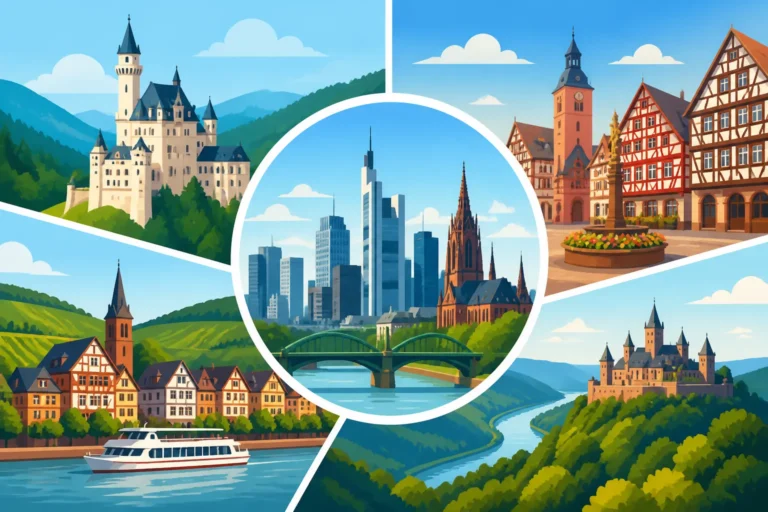
Germany is surprisingly perfect for slow travel, often overlooked in favor of its flashier European neighbors for this particular style of trip. Firstly, the country is incredibly diverse, offering everything from the dramatic peaks of the Bavarian Alps to the serene beaches of the Baltic Sea, from bustling cosmopolitan cities like Berlin and Hamburg to countless picturesque, historic villages nestled in rolling hills. This means you can choose a region and find endless exploration within a small radius, rather than needing to cover vast distances.
Secondly, Germany boasts an exceptional quality of life and infrastructure. Public transport is efficient and reliable, making it easy to explore your chosen region without the need for a car. You'll find incredible food, safe environments, and a general sense of order that makes longer stays remarkably comfortable. The locals, while initially perceived as reserved, are incredibly welcoming once you break the ice, especially if you show an interest in their culture and language. This rich blend of scenic beauty, cultural depth, and practical comfort makes Germany an ideal destination for those looking to linger and truly absorb their surroundings. From the sprawling vineyards along the Moselle to the quiet forests of the Black Forest, or the vibrant neighborhoods of a city like Leipzig, there are countless corners waiting to be explored at a leisurely pace.
Choosing Your Slow Travel Base in Germany
The first, and arguably most crucial, step in planning your slow travel adventure is selecting your home base. This isn't just picking a city; it's choosing a temporary lifestyle. Think deeply about what you want your daily life to look like. Do you dream of waking up to birdsong and fresh country air, or the gentle hum of a bustling city?
City vs. Countryside: Finding Your Rhythm
This is a fundamental choice that will shape your entire slow travel experience. Each offers distinct advantages and challenges.
City Life: Opting for a city like Munich, Cologne, or even a smaller, vibrant university town like Heidelberg, means you'll have an abundance of amenities, cultural attractions, and social opportunities right on your doorstep. You'll likely find more English speakers, easier access to international cuisine, and a constant buzz of activity. Public transport will be excellent, reducing your reliance on a car. You can spend weeks exploring a single neighborhood, finding your favorite cafe, discovering local markets, and attending various events. The trade-off might be higher costs, more noise, and a greater sense of anonymity, especially in the larger metropolises. However, even within big cities, distinct neighborhoods often feel like small towns, offering a strong sense of community. For instance, Berlin's Prenzlauer Berg or Kreuzberg areas have their own unique vibes, with independent shops, local parks, and a slower pace than the city center.
Countryside Charm: If your idea of slow travel leans towards tranquility, nature, and a stronger connection to traditional German life, then a rural base might be perfect. Imagine a small village in Bavaria, a spa town in the Black Forest, or a wine-growing community along the Rhine or Moselle. Here, life moves at a noticeably slower pace. You'll likely spend your days hiking, cycling, exploring local vineyards, or simply enjoying the peace and quiet. The costs might be lower, and you'll probably form closer connections with locals due to the smaller community size. However, you'll need to be prepared for potentially fewer English speakers, a greater reliance on a car (though public buses do connect many villages), and fewer diverse entertainment options. Supplies might require a trip to a larger town, and evenings might be quieter. But for those seeking genuine relaxation and a deeper dive into regional culture, the German countryside is an absolute dream. Consider places like the villages in the Harz Mountains or along the Bodensee (Lake Constance) for unparalleled natural beauty and a relaxed atmosphere. You can find more details on Germany's Regions and Where to Go: A Traveler's Overview to help you decide.
Researching and Selecting the Perfect Spot
Once you have a general idea, it’s time to dive into the specifics. Start by thinking about your interests. Are you a history buff? Perhaps a town with a rich medieval past like Rothenburg ob der Tauber or Nuremberg would appeal. A nature lover? Consider an area near a national park, like the Bavarian Forest. Foodie? The wine regions are calling your name.
Look at various regions and cities. Online forums for expats in Germany can be a goldmine of information, offering real-world perspectives on different areas. Don’t just rely on pretty pictures; dig into the practicalities:
- Cost of Living: Research average rent, grocery prices, and utility costs. The Cost of Living in Germany: Breakdown of Expenses (Rent, Food, Transport) article can be incredibly helpful here.
- Connectivity: How easy is it to reach by train or bus? What are the local public transport options? Can you easily take day trips to places of interest?
- Language Barrier: While slow travel encourages learning German, some areas are more English-friendly than others, especially in larger cities or university towns.
- Community: Are there local clubs, groups, or activities you could join to meet people? Even if your German isn't perfect, finding a hiking group or a local sports club can be a great way to integrate.
- Climate: Germany’s climate varies. Do you prefer milder winters or snowy landscapes? Warm summers or cooler mountain air?
Utilize tools like Google Maps to virtually "walk" through potential neighborhoods. Check out local news websites or tourism boards for events happening throughout the year. Don’t underestimate the power of a quick search for "expat groups in [City Name]" or "things to do in [Village Name] for a month." The more research you do, the more confident you'll be in your choice, setting the stage for an incredible, immersive experience.
Practicalities of Longer Stays
Moving beyond a typical tourist trip means you need to think about more than just booking a hotel for a few nights. Longer stays involve a different set of logistical considerations, from finding suitable accommodation to navigating daily life.
Accommodation for Extended Periods
Forget the hotel room – for slow travel, you need a home. This is where options like furnished apartments, guesthouses (Pensionen), or even house-sitting opportunities truly shine.
Furnished Apartments (Ferienwohnungen / Apartments): These are often the sweet spot. Websites like Booking.com, Airbnb, and local German platforms (such as Immobilienscout24, though it's primarily for longer-term unfurnished rentals, you might find some furnished options) offer a wide range of apartments suitable for weeks or months. You get a kitchen, laundry facilities, and usually more space than a hotel. This allows you to cook your own meals, live more independently, and truly settle in. When searching, look specifically for "Ferienwohnung" (holiday apartment) or "Wohnung auf Zeit" (temporary apartment). Ensure you understand what's included in the rent – utilities, internet, and cleaning services can vary. Always check the reviews and communicate clearly with the host about your extended stay plans. This type of accommodation offers a fantastic way to experience living like a local. For more insights, consult our guide on Finding an Apartment in Germany: Best Websites and Tips for Expats.
Guesthouses (Pensionen): In smaller towns and rural areas, traditional guesthouses can be a charming and often affordable option for longer stays. They typically offer a private room and sometimes a shared kitchen or communal areas. You might get breakfast included, offering a lovely way to start your day and potentially interact with other guests or the owners. While perhaps not as private as an apartment, they often provide a warm, family-run atmosphere that fosters a sense of belonging. They are particularly prevalent in picturesque regions like the Black Forest or the Bavarian Alps.
Things to consider:
- Rental Contracts: Even for short-term furnished rentals, you might encounter a basic contract. Read it carefully and understand the terms, especially regarding notice periods and the return of any deposit. Our guide on Understanding German Rental Contracts: Key Terms and Conditions can provide valuable context.
- Internet Access: Essential for remote work or staying connected. Confirm reliable Wi-Fi is included.
- Laundry Facilities: Having access to a washing machine (Waschmaschine) is a huge bonus for extended trips.
- Location: Beyond the immediate area, consider proximity to grocery stores, public transport stops, and amenities.
Getting Around Like a Local (Without Rushing)
The beauty of slow travel is that you’re not rushing from A to B. You're enjoying the journey itself. Germany's excellent public transport system is your best friend here.
Trains (Deutsche Bahn): Germany's rail network is extensive, connecting even smaller towns. While you might not be taking high-speed ICE trains daily, regional trains (RE, RB) are perfect for exploring your immediate surroundings. Consider purchasing a Deutschland-Ticket if you plan to travel extensively within Germany for a month, as it offers unlimited travel on regional and local public transport for a fixed monthly fee. Omio is a great resource for checking train schedules and booking tickets across Germany and even connecting to other European destinations. You can learn more in our Deutsche Bahn Guide: Using Trains for City and Long-Distance Travel.
Buses and Trams: Within your chosen town or city, buses and trams are often the easiest way to get around. Learning the local routes and schedules will quickly make you feel like a resident. Most cities have excellent apps for planning journeys and buying tickets, or you can purchase tickets at stops or on board. For detailed information on local passes, check out Public Transport Tickets and Passes: Navigating German Transit Systems.
Bicycles: Germany is a very bike-friendly country. Many towns and cities have extensive cycling paths, and renting a bike for a week or a month can be a wonderful way to explore at your own pace, especially in scenic rural areas or smaller cities. It allows you to discover hidden corners and enjoy the fresh air.
Walking: Embrace walking! It's the ultimate slow travel mode. Stroll through neighborhoods, wander along riverbanks, or hike through forests. You'll notice so much more on foot than you ever would from a car or bus window.
Managing Your Budget for Slow Travel
One of the great myths about longer trips is that they must be prohibitively expensive. In fact, slow travel can often be more economical per day than a fast-paced vacation.
Accommodation: As mentioned, choosing a self-catering apartment over a hotel dramatically cuts down costs. Monthly rates are usually significantly cheaper than daily rates.
Food: Eating out for every meal quickly depletes your budget. With a kitchen, you can shop at local supermarkets like Edeka, Rewe, or Aldi, visit farmers' markets, and cook your own meals. This isn’t just about saving money; it’s about experiencing German culinary culture firsthand, from local produce to regional specialties.
Transport: Opting for monthly passes (like the Deutschland-Ticket) or multi-day public transport tickets instead of individual fares can save you a bundle. Cycling and walking are free!
Activities: Focus on free or low-cost activities. Museums often have free entry days, parks are always free, and many local events (like weekly markets or street festivals) are inexpensive to enjoy. Instead of expensive guided tours, use apps like GetYourGuide for self-guided walking tours, or simply wander with a good map and an open mind. Learn a few phrases of German, and you might even stumble into a free local event or conversation.
Mindful Spending: Slow travel encourages you to be more intentional with your money. Instead of impulse souvenir purchases, you might invest in a high-quality local product or a memorable experience. Your budget becomes a tool for deeper immersion, not just consumption.
Deepening Your Experience: Beyond the Tourist Trail
This is where slow travel truly shines – the opportunity to move beyond surface-level observations and genuinely connect with your temporary home. It’s about more than just seeing; it’s about participating.
Embracing Local Culture and Community
One of the biggest joys of slow travel is the chance to integrate, even just for a little while, into a local community.
Frequent Local Haunts: Find a neighborhood bakery, a specific cafe, or a small Kneipe (pub) and become a regular. Over time, the staff will recognize you, and you might start having simple conversations. These small interactions are invaluable for feeling like you belong. Imagine ordering your morning Brötchen and coffee from the same person for weeks, exchanging pleasantries in broken German. These connections are the fabric of local life.
Farmers' Markets (Wochenmärkte): Not only are these fantastic places to buy fresh, seasonal produce, but they are also vibrant social hubs. Spend time browsing, observing the interactions, and trying local delicacies. It’s a sensory experience and a wonderful window into daily life.
Local Events: Keep an eye out for local advertisements for festivals (Volksfeste), concerts, art exhibitions, or community gatherings. These are often free or inexpensive and provide an authentic glimpse into local traditions and entertainment. Many towns will have a "Stadtfest" (city festival) or a "Weinfest" (wine festival) at various times of the year.
Volunteering: If you have an extended stay, consider volunteering for a local charity, animal shelter, or community garden. It's a fantastic way to meet people who share your interests, practice your German, and give back to the community that is hosting you.
Join a Club: Whether it’s a sports club, a hiking group, a book club, or even a local choir, joining a hobby group is an excellent way to connect with Germans who share your passions. While it might feel intimidating at first, Germans are often very welcoming once you show genuine interest. For more tips on connecting, read our guide on Making Friends in Germany: Social Tips for Expats.
Learning German: More Than Just "Bitte" and "Danke"
While many Germans in tourist areas speak English, particularly the younger generation and in larger cities, making an effort to learn the language will exponentially deepen your slow travel experience. It’s a sign of respect and opens countless doors.
Start with Basics: Before you even arrive, learn fundamental phrases: greetings, how to order food, ask for directions, and express gratitude. Even a few words go a long way.
Daily Practice: Don't be afraid to use your German! Order your coffee, ask for prices, or try to chat with shopkeepers. Most Germans appreciate the effort, even if you make mistakes. They might even switch to English to help you, but try to stick with German as much as you can.
Language Apps and Classes: Utilize apps like Duolingo or Babbel for daily practice. If you're staying for several weeks or months, consider enrolling in a local German language course, perhaps at a Volkshochschule (adult education center). This is an amazing way to meet other expats and learners, and it provides a structured environment for improvement. Our resource on Learning German: Top Language Schools and Resources for Expats can point you in the right direction.
Immersion: Watch German TV, listen to German radio, and try to read local newspapers. You won't understand everything, but your brain will start to pick up patterns and vocabulary. Even sitting in a cafe and simply listening to conversations around you is a form of immersion. The more you immerse yourself, the faster you’ll learn, and the richer your slow travel experience will become.
Uncovering Hidden Gems and Local Secrets
When you're not rushing, you have the luxury of time to explore beyond the well-trodden paths. This is where the real magic of slow travel happens.
Walk aimlessly: Put away your map sometimes and just wander. You’ll stumble upon charming streets, unexpected parks, tiny bakeries, or intriguing small businesses you never would have found otherwise.
Ask Locals: Once you've made a few connections, don't be shy to ask for recommendations. "Wo gehen die Einheimischen hin?" (Where do the locals go?) is a golden phrase. They'll tell you about the best local restaurant, the prettiest hiking trail, or a secret viewpoint that no guide book would ever mention.
Utilize Local Resources: Check local libraries for community guides, browse local magazines for upcoming events, or simply look at bulletin boards in town squares or supermarkets. These often advertise small, local happenings.
Visit Smaller Museums and Galleries: Beyond the big-name institutions, many towns have fantastic smaller museums dedicated to local history, art, or specific trades. These offer unique insights and are often less crowded.
Explore Neighboring Villages: Take a local bus or bike ride to a village a few kilometers away. You'll discover different regional architecture, local traditions, and perhaps a delightful cafe with homemade Kuchen (cake). These spontaneous explorations often lead to the most memorable discoveries.
Challenges and How to Overcome Them
Slow travel, while immensely rewarding, isn't always a postcard-perfect dream. Like any extended stay in a foreign land, it comes with its own set of unique hurdles. But with the right mindset and a bit of preparation, these can be easily navigated.
Battling Homesickness and Loneliness
Even the most seasoned expat or traveler can face moments of homesickness, especially when you're not constantly moving and are trying to build a new, albeit temporary, routine. The initial novelty wears off, and the comfort of familiarity can feel very far away.
Acknowledge and Validate Your Feelings: It's completely normal to miss your loved ones, your routines, or even your favorite snack from back home. Don't suppress these feelings. Talk to friends or family, journal about it, or simply allow yourself to feel it without judgment.
Maintain Connections: Schedule regular video calls with family and friends. Share your experiences, both the good and the challenging. Knowing you're connected can be a powerful antidote to loneliness.
Create New Routines: Just as you had routines at home, try to establish some in Germany. Maybe it’s a morning walk, a weekly visit to the market, or a specific day for exploring a new area. Routines provide comfort and a sense of normalcy.
Actively Seek Connection: This is where putting yourself out there becomes crucial. Attend language meetups, join expat groups online or in person, or participate in local activities. While it can be daunting, these efforts are vital for building a new support network. Websites like Meetup.com or local community centers often list groups for various interests, from hiking to board games. Even if you're shy, pushing past that initial discomfort can lead to wonderful friendships. Remember, many locals might be just as curious about you as you are about them, and the simple act of sharing a smile or a "Guten Tag" can be the start of something.
Navigating Bureaucracy with Patience
Ah, German bureaucracy! It's a rite of passage for every expat and even those on longer stays. While tourists typically skirt most of it, a slow traveler might encounter bits and pieces, especially if dealing with longer-term rentals or specific services. The system is incredibly organized, but it can feel rigid and confusing if you're not used to it.
The Anmeldung (Address Registration): If you're staying for more than a few weeks, especially in an apartment, you might need to register your address (Anmeldung) at the local Bürgeramt. This is a crucial step for many official processes, though for pure tourists it's not usually required. It's best to check the rules for your specific visa or country of origin. If you do need to do it, bring all your documents, including your passport and the Wohnungsgeberbestätigung (a landlord confirmation form). Be prepared for appointments and sometimes long waits, depending on the city. You can find a detailed guide on The Anmeldung: Registering Your Address in Germany.
Mail and Packages: Understanding the German postal system (Deutsche Post) can be tricky. Bills and official communications usually come via physical mail, not email. Get used to checking your mailbox regularly. If you need to send packages, the Post office (Postamt) is where you'll go.
Embrace the Process: The best advice is to approach bureaucracy with a deep breath and a large dose of patience. Germans value precision and adherence to rules. Don't try to rush things, and always bring all requested documents, ideally with copies. When in doubt, ask for clarification. Many official websites now offer English versions, and sometimes there are specific "international" counters at larger Bürgerämter. It may feel frustrating at times, but the system, though cumbersome, is generally fair and efficient once you understand its logic.
| Aspect | Fast Travel (Typical Tourist) | Slow Travel (Longer Stay) |
|---|---|---|
| Pace | Rushed, packed itinerary, quick sightseeing | Relaxed, flexible, deep immersion |
| Focus | Seeing landmarks, ticking off a list | Experiencing daily life, local culture, self-discovery |
| Accommodation | Hotels, hostels, short-term rentals | Furnished apartments, guesthouses, longer rentals |
| Food | Restaurants, tourist-oriented eateries | Cooking at home, local markets, neighborhood cafes |
| Transport | High-speed trains, flights, guided tours | Public transport, walking, cycling, regional trains |
| Interactions | Limited, transactional with service staff | Building connections with locals, regular interactions |
| Language | Rely on English, minimal local phrases | Active effort to learn and use German, immersion |
| Budget (Daily) | Often higher due to convenience spending | Potentially lower due to self-catering, local prices |
| Planning | Detailed itinerary, pre-booked tours | Flexible framework, allowing for spontaneity |
Making the Most of Your Slow Travel Adventure
You've chosen your spot, handled the practicalities, and are starting to feel the rhythm of German life. Now, how do you truly maximize this unique opportunity to create lasting, meaningful memories?
Documenting Your Journey Mindfully
In our hyper-connected world, it's easy to fall into the trap of constantly documenting for others rather than truly experiencing for yourself. Slow travel offers a chance to shift that focus.
Journaling: Instead of just snapping a quick picture, take time to write. Describe the smells of the bakery, the sounds of the church bells, the details of a conversation. What did you feel? What insights did you gain? A journal becomes a deeply personal record of your evolving perspective and experiences. It allows for reflection and processing, turning fleeting moments into cherished memories.
Photography with Purpose: Of course, take photos! But perhaps focus on capturing the everyday beauty: a local street scene, the intricate details of a building, a candid moment at a market. Instead of just documenting the "what," try to capture the "how" and "why." Spend time composing your shots, and perhaps even challenge yourself to take photos that convey the sense of slowness and peace you're experiencing.
Sensory Souvenirs: Rather than buying mass-produced souvenirs, seek out items that evoke a memory: a special blend of local tea, a unique ceramic piece from a regional artisan, a cookbook of German recipes, or a bottle of local wine. These tangible items, when back home, will transport you back to your experiences through taste, smell, or touch. Or perhaps the best souvenir is a new skill, like a few German phrases or a perfected recipe.
Leaving a Positive Footprint
As a temporary resident, you have an opportunity to be a responsible and respectful visitor. This isn't just about environmental impact, but also about cultural and social engagement.
Support Local Businesses: Instead of only frequenting international chains, make an effort to shop at local bakeries, butchers (Metzger), independent cafes, and small boutiques. Your money directly supports the local economy and helps maintain the unique character of the community. Plus, you’ll often find higher quality and more authentic products.
Respect Local Customs and Laws: Familiarize yourself with German etiquette and social norms. This includes things like quiet hours (Ruhezeit), recycling rules, and even seemingly small things like greeting people when entering a small shop. Showing respect for the local way of life goes a long way. You can dive deeper into this topic with our article on German Culture & Etiquette: A Guide to Social Life and Customs.
Minimize Environmental Impact: Germany is very environmentally conscious. Embrace their recycling system (Mülltrennung), conserve energy and water in your accommodation, and use public transport or bicycles whenever possible. Reduce plastic waste by carrying a reusable water bottle and shopping bag.
Engage Respectfully: Be open to conversations, but also respect personal space and privacy. If you have questions about local culture, ask them politely and with an open mind. Be an ambassador for your own culture by being curious and kind. By being a thoughtful and engaged temporary resident, you not only enrich your own experience but also contribute positively to the community you are visiting, leaving behind good will and perhaps even paving the way for future slow travelers.
Slow travel in Germany isn't just a trip; it's an education, a journey of self-discovery, and a chance to truly connect with a place on a profound level. It takes a little more planning and a shift in mindset, but the rewards—deeper understanding, richer memories, and a genuine sense of belonging—are immeasurable. So, next time you're dreaming of Germany, consider slowing down and letting the country unfold before you, one leisurely day at a time.
Disclaimer
Please note that while this guide provides comprehensive information, travel regulations, visa requirements, and local customs in Germany can change. Always verify the latest information from official government sources, embassies, and local authorities before and during your trip. This article is for informational purposes only and does not constitute legal, financial, or medical advice.