How to Buy Deutsche Bahn Tickets and Save Money
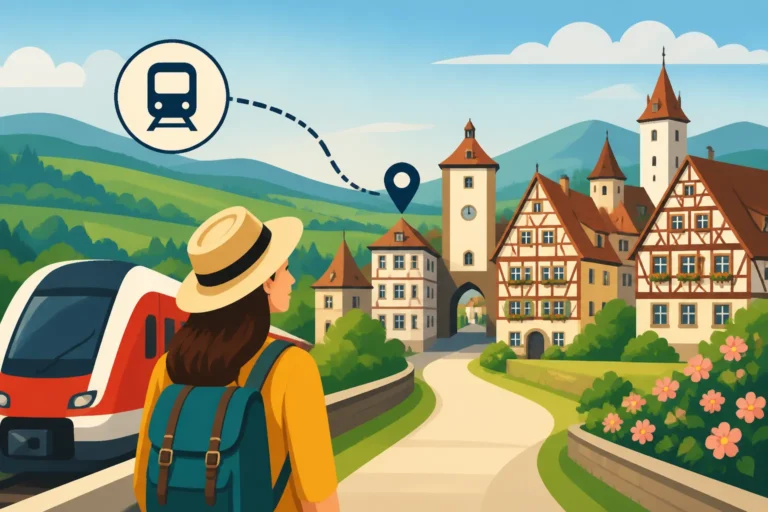
Ah, Deutsche Bahn. The backbone of German transportation, yet often the bane of an expat's existence! Trying to figure out the train system here, from buying tickets to understanding the jargon and, more importantly, saving a few euros, can feel like attempting to solve a Rubik's Cube blindfolded. But don't you worry, my friend. I've been there, wrestled with the ticket machines, and missed more than one connection. This comprehensive guide is here to untangle the German rail network for you, making your train journeys not just possible, but even affordable.
Disclosure: This post may contain affiliate links. We may earn a commission at no extra cost to you if you make a purchase through these links. Read full disclosure.
Getting Started with Deutsche Bahn: Your Gateway to German Travel
First things first, let's talk about what Deutsche Bahn (DB) actually is. It's the national railway company here in Germany, and it runs pretty much every train you'll encounter, from lightning-fast intercity connections to local commuter lines. For many of us living here, it's our main way to explore this beautiful country, visit friends, or even get to work in a larger city.
The Power of the German Rail Network
Germany boasts an incredibly extensive and efficient rail network, mostly operated by Deutsche Bahn. You'll encounter a few different types of trains, each serving a distinct purpose:
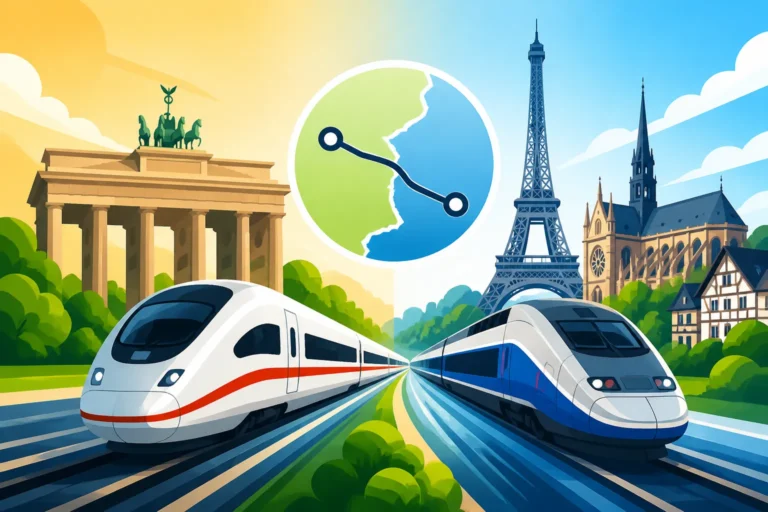
- ICE (Intercity-Express): These are the kings of the German railways – sleek, white, and incredibly fast. They connect major cities like Berlin, Munich, Frankfurt, and Hamburg in record time. Think of them as your express route across the country. Booking these well in advance is often key to getting a good deal.
- IC/EC (Intercity/Eurocity): A step down from ICE in speed, but still comfortable and connecting many cities, often venturing into neighboring European countries too. They're a solid choice for longer journeys where an ICE might not be available or too pricey.
- RE (Regional-Express): These trains connect larger towns and cities within a specific region, making fewer stops than local trains. They're faster than local services and are a great option for day trips or medium-distance travel within a Bundesland (federal state).
- RB (Regionalbahn): The local heroes! These trains stop at nearly every station in a region, perfect for short hops and getting to smaller villages. They form the backbone of local public transport.
- S-Bahn (Stadtschnellbahn): These are essentially commuter trains, part of the wider public transport network in major metropolitan areas, connecting suburbs to city centers. They're usually integrated into local transport fare systems, but can sometimes be covered by longer-distance DB tickets.
Understanding these train types helps you choose the right ticket for your journey, as certain special tickets (like the Deutschland-Ticket or Ländertickets) only apply to specific categories of trains.
Decoding Deutsche Bahn Ticket Types
Navigating DB's fare structure can feel like deciphering ancient hieroglyphs, especially when you're just starting out. But once you get the hang of it, you'll see there's a method to the madness. The main ticket types you'll encounter are:
- Flexpreis: This is your full-flexibility ticket. It's usually the most expensive, but it allows you to take any train on your chosen route on the selected day, with no specific train binding. You can even cancel it for free up to the day before travel. Great for when your plans are still a bit up in the air, but not for budget travel.
- Sparpreis & Super Sparpreis: These are the magic words for saving money! These are advance purchase tickets with heavily discounted prices, but they come with strings attached. We'll dive much deeper into these later, but the main takeaway is: book early, be specific about your train, and be prepared for limited flexibility.
- Ländertickets: These are regional day tickets, allowing unlimited travel within a specific German state for a set price, often for groups. An absolute lifesaver for exploring a region on a budget.
- Deutschland-Ticket: The newcomer! This is a monthly subscription ticket for €63 that allows unlimited travel on all local and regional public transport across Germany. It's a game-changer for many, but has some important limitations (no ICE/IC/EC trains, mainly). If you're using this, make sure to check out our guide on What Is the Deutschland-Ticket and Is It Worth It?.
Most tickets also give you the option to choose between 1st Class and 2nd Class. For most expat budgets, 2nd Class is perfectly comfortable, offering plenty of space and amenities. 1st Class offers more spacious seating, sometimes quieter cabins, and occasionally at-seat service on ICE trains, but it comes at a significant premium. Unless you're on an expense account or truly value the extra space, 2nd Class is usually more than adequate.
Your Step-by-Step Guide to Buying DB Tickets
Alright, now that we've demystified the different train types and tickets, let's get down to brass tacks: how do you actually buy these tickets? You've got a few solid options, and each has its pros and cons.
Online and App Purchases: The Expat's Best Friend
For most of us, this is the most convenient and often the best way to buy tickets, especially if you're looking for those sweet Sparpreis deals.
-
The Deutsche Bahn Website (bahn.de): This is your primary hub. The site is available in English, which is a massive relief, believe me.
- Step 1: Plan Your Journey. Go to bahn.de and enter your departure station, destination, date, and preferred time. You can specify if you want one-way or return.
- Step 2: Choose Your Connection. The site will display various connections, showing different train types (ICE, IC, RE), travel times, and prices. This is where you'll see the Flexpreis alongside the often much cheaper Sparpreis or Super Sparpreis options if available for your chosen route and time.
- Step 3: Select Your Fare. Click on the price that suits you. Pay close attention to the conditions (e.g., non-refundable for Super Sparpreis).
- Step 4: Add Extras. You'll be prompted to add a seat reservation (highly recommended for ICE trains, especially during peak travel times or on popular routes like from Berlin to Munich) and potentially other extras like bicycle transport. A seat reservation typically costs a few euros, but it guarantees you a spot, which is invaluable on a busy train.
- Step 5: Passenger Information. Enter your name and date of birth. If you have a BahnCard, this is where you input its details to get your discount.
- Step 6: Payment. You can typically pay with a credit card (Visa, Mastercard, American Express), PayPal, or sometimes direct debit (if you have a German bank account). Once confirmed, you'll receive your ticket by email. You can print it or save it as a PDF on your phone.
-
The DB Navigator App: This app is an absolute must-have for anyone traveling by train in Germany. Seriously, download it! It's essentially the website in your pocket, often even more user-friendly for on-the-go bookings and managing your trips. Learn more about its features in our guide on How to Use the DB Navigator App in Germany.
- The booking process is almost identical to the website.
- Your purchased tickets are stored directly in the app, making them super easy to access. Just show the QR code to the conductor.
- It also provides real-time updates on delays, platform changes, and connections, which is incredibly useful for troubleshooting when things go awry (and they sometimes do!).
A Quick Tip: While the DB website and app are primary, don't forget about third-party platforms that sometimes offer competitive options or make multi-modal comparisons easy. Services like Omio allow you to compare train, bus, and even flight options side-by-side, which can be useful if you're trying to figure out the cheapest way to get from A to B. Sometimes, you might even find that a long-distance bus is significantly cheaper for shorter routes, especially if you haven't booked a train far in advance.
Ticket Machines and Travel Centers: When You Need In-Person Help
While online and app purchases are king, sometimes you need a physical ticket, or you're just more comfortable dealing with a machine or a human.
-
Ticket Machines (Fahrkartenautomat): You'll find these ubiquitous machines at every train station, from the smallest stops to the largest hubs.
- Language Options: Most machines offer multiple language options, including English. Look for the flag icon or "Sprache" button.
- User-Friendly Interface: They are generally quite intuitive. You enter your destination, date, and then choose your desired connection and fare.
- Payment: Machines accept cash, debit cards (EC-Karte/Girocard), and credit cards. Be aware that some older machines might not accept all credit cards, so having a debit card or some cash is a good backup.
- Printing Your Ticket: Once payment is complete, your ticket will be printed out. Don't forget to collect it!
- Best Use: Great for last-minute purchases, regional tickets (like a Länderticket), or when you just need to print a pre-booked online ticket (though showing it on your phone is usually fine).
-
DB Reisezentrum (Travel Centers): These are the customer service centers you'll find at larger train stations. They're staffed by DB employees who can help you with anything from buying complex tickets to planning multi-leg international journeys or dealing with issues like delays.
- Pros: Personalized advice, help with complicated routes, dealing with refunds or changes, and often a better understanding of special offers. If you're struggling with a particular query or need to understand complex rules, a human touch can be invaluable.
- Cons: Be prepared for potential queues, especially during peak travel times. The staff might not always speak fluent English, depending on the station, so having a few German phrases or a translation app ready can be helpful.
- Best Use: Complex itineraries, international travel, BahnCard purchases, or when you need human assistance for specific questions or problems.
Understanding Seat Reservations
For ICE trains, especially on popular routes or during peak hours (like Friday afternoons or Sunday evenings), a seat reservation is highly recommended. It’s typically a small additional fee (€5.50 for 2nd class, €6.90 for 1st class per journey segment as of 2026), but it can save you the stress of wandering through crowded carriages looking for a free spot – or worse, standing for several hours. When you book online or via the app, you'll be prompted to add a reservation. You can even choose your preferred seat (window, aisle, table seat, quiet zone, family zone). If you don't reserve, any unreserved seat is fair game, but be prepared to move if someone with a reservation shows up.
Mastering the Art of Saving Money on DB Tickets
Now for the really juicy part: how do you keep your wallet happy while enjoying the wonders of German rail travel? Deutsche Bahn offers several excellent ways to cut costs if you know where to look and how to plan.
The Magic of Early Booking: Sparpreis and Super Sparpreis
These are your absolute best friends for saving money on long-distance travel. The trick here is advance planning.
- Super Sparpreis: These are the cheapest tickets you'll find, often starting as low as €17.90 for a long-distance journey. They are train-specific, non-refundable, and non-changeable. If you miss your booked train, your ticket is generally invalid (unless the delay was DB's fault, which we'll cover later). Think of it like a budget airline ticket – once it's booked, it's set in stone.
- Sparpreis: A bit more flexible than Super Sparpreis, these tickets are also train-specific and sold in advance, but they usually allow you to cancel for a fee (currently €10) before the first day of validity, receiving a voucher. The prices are slightly higher than Super Sparpreis but still significantly cheaper than Flexpreis.
How to find them: Always book as far in advance as possible. DB usually releases tickets about six months before the travel date. Use the bahn.de website or the DB Navigator app and look for the prices highlighted as Sparpreis or Super Sparpreis. As the train fills up, these cheaper tickets disappear, so acting fast is crucial. Our guide on How Early Should You Book ICE Trains in Germany? delves deeper into this strategy.
Leveraging the BahnCard for Frequent Travelers
If you plan to travel by train frequently, investing in a BahnCard can lead to substantial savings over the year. It's essentially a discount card.
- BahnCard 25: Gives you a 25% discount on Flexpreis, Sparpreis, and Super Sparpreis fares. This is the most popular option and often pays for itself after just a few longer journeys.
- BahnCard 50: Offers a 50% discount on Flexpreis fares and a 25% discount on Sparpreis and Super Sparpreis fares. This is great for those who travel a lot and sometimes need the flexibility of Flexpreis.
- BahnCard 100: This is the ultimate pass – a flat annual fee that allows you unlimited travel on almost all DB trains (and many local transport networks) across Germany. It's expensive but can be worth it for very frequent commuters or digital nomads who constantly travel.
BahnCards are usually valid for one year, though trial versions are sometimes available. You can purchase them online or at a DB Reisezentrum. Keep in mind that the BahnCard itself is a subscription, and if you don't cancel it in time (usually 6 weeks before expiry), it will automatically renew.
Exploring Regional and Group Tickets
For day trips within a region or traveling with a group, these tickets are incredibly cost-effective.
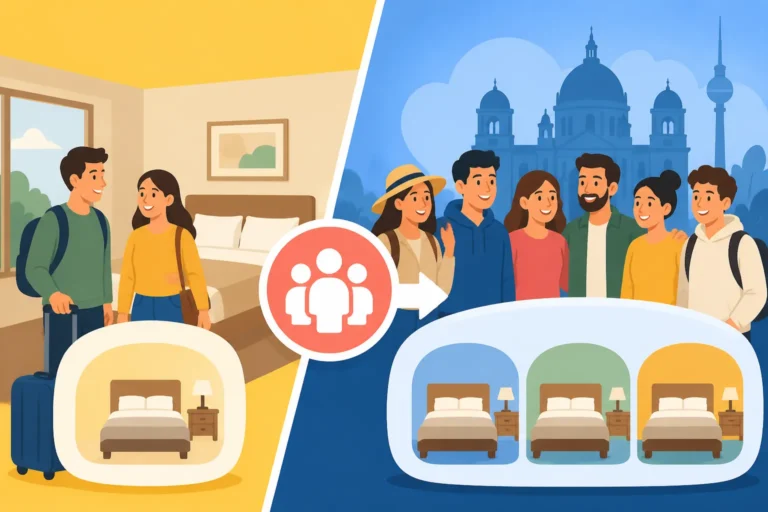
- Ländertickets (State Tickets): Each of Germany's 16 federal states offers its own Länderticket. For example, the Bayern-Ticket (Bavaria Ticket) allows unlimited travel on all regional trains (RE, RB, S-Bahn) and most local buses, trams, and U-Bahns within Bavaria for a day. They usually start around €29 for one person, with each additional person (up to 5) adding a small amount (e.g., €8-10). These are fantastic for exploring a specific region with friends or family. Remember, they are only valid on regional trains, not ICE/IC/EC.
- Quer-durchs-Land-Ticket (Across the Country Ticket): Similar to Ländertickets but valid across all of Germany, this ticket allows unlimited travel on regional trains for one day for a fixed price, also for groups. It's a bit more expensive than a Länderticket but offers greater geographical flexibility.
- Deutschland-Ticket (Germany Ticket): As mentioned, this is a monthly subscription (€63/month) that covers all local and regional public transport (RE, RB, S-Bahn, U-Bahn, Trams, Buses) throughout Germany. It's a fantastic deal if you use public transport frequently or plan extensive regional travel. However, it explicitly does not cover ICE, IC, or EC trains. This is crucial for planning your journey. If you accidentally hop on an ICE with a Deutschland-Ticket, you'll be treated as a fare dodger, which comes with a hefty fine. For a deeper dive, check out our article What Is the Deutschland-Ticket and Is It Worth It?.
These regional and group tickets are typically valid from 9 AM on weekdays until 3 AM the following day, and all day on weekends and public holidays. They are ideal for leisure travel and exploring smaller towns. Our Regional Trains and the Deutschland-Ticket Explained guide offers even more details.
Flexibility is Key: Off-Peak Travel and Route Variations
Sometimes, a bit of flexibility in your travel plans can unlock significant savings.
- Travel Off-Peak: Just like flights, train tickets are often cheaper outside of peak hours. Avoid early morning commuter times, late afternoon/early evening rush hour, and popular travel days like Fridays and Sundays. Tuesdays, Wednesdays, and Saturdays often see lower fares.
- Consider Slower Routes: While ICE trains are fast, they are also the most expensive. Sometimes, taking a slightly longer route involving Regional-Express trains (RE) can dramatically cut the cost, especially if you're not in a huge hurry. This is where the Ländertickets and Deutschland-Ticket truly shine.
Third-Party Platforms and Package Deals
Don't limit yourself to just the DB website. Sometimes, other platforms can offer insights or even bundled deals. While Omio is great for comparing different transport options, including buses, you might also find that combining train travel with activities or accommodation can sometimes offer unexpected value. For instance, platforms like GetYourGuide or Booking.com occasionally offer package deals that might include discounted train travel as part of a city break or a tour, though this is less common for just train tickets. Always compare prices to ensure you're getting the best deal.
Insider Tips and Troubleshooting for Smooth Journeys
Even with the best planning, life in Germany's rail system can throw you a curveball. Here are some extra tips to navigate the network like a seasoned pro.
Dealing with Delays and Cancellations: Your Rights as a Passenger
Let's be real: German trains are usually punctual, but delays happen. When they do, it can be frustrating, especially if you have a tight connection or an important appointment. Thankfully, as a passenger, you have rights!
- Fahrgastrechte (Passenger Rights): If your train is delayed by more than 60 minutes at your destination, you're entitled to 25% of your ticket price back. If it's delayed by more than 120 minutes, you get 50% back. This applies to Flexpreis, Sparpreis, and Super Sparpreis tickets.
- Claiming Compensation: You can usually fill out a "Fahrgastrechte-Formular" (Passenger Rights Form) which is available at DB Reisezentren or can be downloaded from the DB website. You'll need your original ticket and proof of delay (sometimes the conductor can provide this, or you can screenshot the delay info from the DB Navigator app).
- Accommodation/Alternative Transport: For significant delays or cancellations, especially late at night, DB is obligated to help you find alternative transport or even accommodation if you can't reach your destination on the same day. Always speak to a DB staff member in a Reisezentrum or at the information desk first.
- Missed Connection due to Delay: If you have a Sparpreis or Super Sparpreis ticket and miss a subsequent connecting train because an earlier DB train was delayed, your ticket for the subsequent leg usually remains valid, and you can take the next available train to your destination, even if it's an ICE, without an extra charge. Always verify this with a DB staff member or at an information desk if possible.
Knowing your rights takes some of the sting out of a delay. Keep an eye on the DB Navigator app for real-time updates; it often shows alternative connections automatically.
Navigating Language Barriers
While many DB staff in larger stations speak English, you might encounter situations where English isn't as widely spoken, especially in smaller towns or with older staff.
- Learn Key Phrases: A few basic German phrases can go a long way: "Wo ist Gleis…?" (Where is platform…?), "Ist dieser Zug nach…?" (Is this train to…?), "Entschuldigung" (Excuse me), "Danke schön" (Thank you very much). Our guide on German Language and Everyday Communication for Visitors might be helpful.
- Translation Apps: Have Google Translate or DeepL ready on your phone. They can be invaluable for quickly understanding signs or communicating with staff.
- Visual Cues: German train stations are generally very well signposted. Look for the yellow departure boards (Abfahrt) and white arrival boards (Ankunft) which list train numbers, destinations, departure/arrival times, and platforms.
Beyond Trains: Intermodal Travel Considerations
While Deutsche Bahn is fantastic, sometimes another mode of transport might be cheaper or more convenient, especially if you're comparing costs without an advance-booked Sparpreis.
- Long-Distance Buses: Companies like FlixBus offer an extensive network across Germany and Europe. They are often significantly cheaper than last-minute train tickets, though usually slower. Consider them for routes where train prices are exorbitant or for destinations not well-served by rail. Check out our guide on Long-Distance Buses in Germany: FlixBus and Networks.
- Car Sharing: Platforms like BlaBlaCar allow you to find or offer rides with private drivers, which can be an economical option for certain routes.
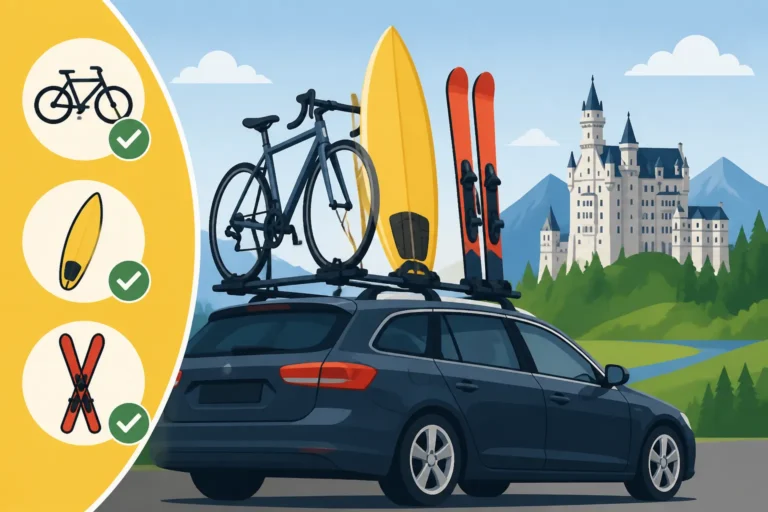
- Rental Cars: For exploring very rural areas or specific road trips (like the Romantic Road), renting a car might be the best option for flexibility. However, remember the costs of fuel, parking, and rental fees. For more on this, see Getting Around Germany: Trains, Buses, Flights, and Car Hire.
Knowing these alternatives can help you round out your travel planning and ensure you're always getting the best deal for your specific needs.
Ultimately, mastering the art of buying Deutsche Bahn tickets and saving money comes down to a few core principles: plan ahead, be flexible, and know your options. The more you use the system, the more comfortable you'll become, and soon you'll be navigating German trains like a true local, confidently snatching up those Super Sparpreis deals and enjoying the ride. Just remember to always validate your ticket if it's not a print-at-home or app ticket, and always have your ticket ready for the conductor!
| Ticket Type | Flexibility | Price Range (Rough Estimate) | Best Use Case | Refundability/Changeability |
|---|---|---|---|---|
| Flexpreis | High (take any train on selected route/day) | High (Full Price) | Last-minute travel, unpredictable schedules | Refundable (usually free up to day before travel) |
| Sparpreis | Limited (train-bound) | Medium (Discounted) | Planned long-distance travel, booked in advance | Refundable for a fee (currently €10) as a voucher before first day of validity |
| Super Sparpreis | Very Limited (strictly train-bound) | Low (Deeply Discounted) | Budget-conscious long-distance travel, booked far in advance | Non-refundable, non-changeable |
| Ländertickets | High (unlimited regional travel within one state) | Low (Fixed price for the state) | Day trips within a federal state, group travel | Non-refundable, non-changeable |
| Deutschland-Ticket | High (unlimited regional travel across Germany) | Low (€63/month subscription) | Frequent regional travel, daily commuting | Monthly subscription, can be cancelled usually by the 10th of the month for the next month |
Disclaimer
Please note that while I strive to provide the most current and accurate information, rules and prices regarding Deutsche Bahn tickets, fares, and passenger rights can change. It's always a good idea to double-check the latest conditions on the official Deutsche Bahn website (bahn.de) or via the DB Navigator app before making your travel plans. This guide is for informational purposes only and does not constitute legal or financial advice.