How to Find Free Festival Events in German Cities
Coming from a country where "festival" usually means a three-hundred-euro ticket and a wristband, I was shocked to discover that some of the best cultural experiences in Germany don’t cost a single cent. Many newcomers find themselves stuck in the "tourist trap" loop of paying for expensive museum entries and concert halls because the local, free events are often hidden behind German-language community boards or obscure neighborhood websites. This guide will show you exactly how to tap into the "Umsonst & Draußen" (Free & Outside) culture so you can experience world-class music, art, and street life without draining your bank account.
Disclosure: This post may contain affiliate links. We may earn a commission at no extra cost to you if you make a purchase through these links. Read full disclosure.
Navigating the Local Digital Landscape for Free Events
The biggest hurdle you’ll face isn’t a lack of events; it’s a lack of centralized information in English. In my first year in Berlin, I missed the legendary Fête de la Musique because I was looking at the wrong websites. Most "official" tourism portals prioritize ticketed events because they have marketing budgets. To find the real free gems, you have to go hyper-local.
Mastering Search Keywords and Local Apps
If you want to find the real deal, you need to use the magic words: "Eintritt frei" (entry free) and "Umsonst und Draußen." When you are searching on Google or local event platforms, combine these terms with your city name. Websites like Gratis-in-Berlin.de or Munich.de’s event calendar are goldmines, but they are often in German. Use a browser translator to navigate the "Veranstaltungen" (events) tab.
Social media is also your best friend here. Beyond the standard Facebook events, look for "Neu in [City Name]" groups. These communities are filled with expats and locals who share flyers for neighborhood "Straßenfeste" (street festivals) that never make it to the big English-language blogs. I’ve found some of the most soulful jazz concerts and indie film screenings just by following the "Kulturbüro" (Culture Office) of my specific neighborhood on Instagram.
Using Regional Portals and Tourism Boards Properly
Every major city has a "Kulturamt" or a city-run website that maintains a calendar of public events funded by taxpayers. These are inherently free. For example, the Hafengeburtstag in Hamburg or the Museumsuferfest in Frankfurt offer massive outdoor stages with live music for zero cost.
Before you commit to a city, check Getting Around Germany: Trains, Buses, Flights, and Car Hire to see how feasible it is to hop between regions. Sometimes a neighboring city has a massive free street fair that beats whatever is happening in your home base. If you’re traveling from further away, you can use Omio to compare the cheapest regional train or bus options, ensuring the money you saved on the festival doesn't go entirely into the transit.
Iconic Free Festivals by Major City
Germany loves its street culture, and every major city has at least one "Hero" event that is completely free to the public. These aren't small, amateur gatherings; they are massive productions with professional lineups.
Berlin: The Capital of Street Culture
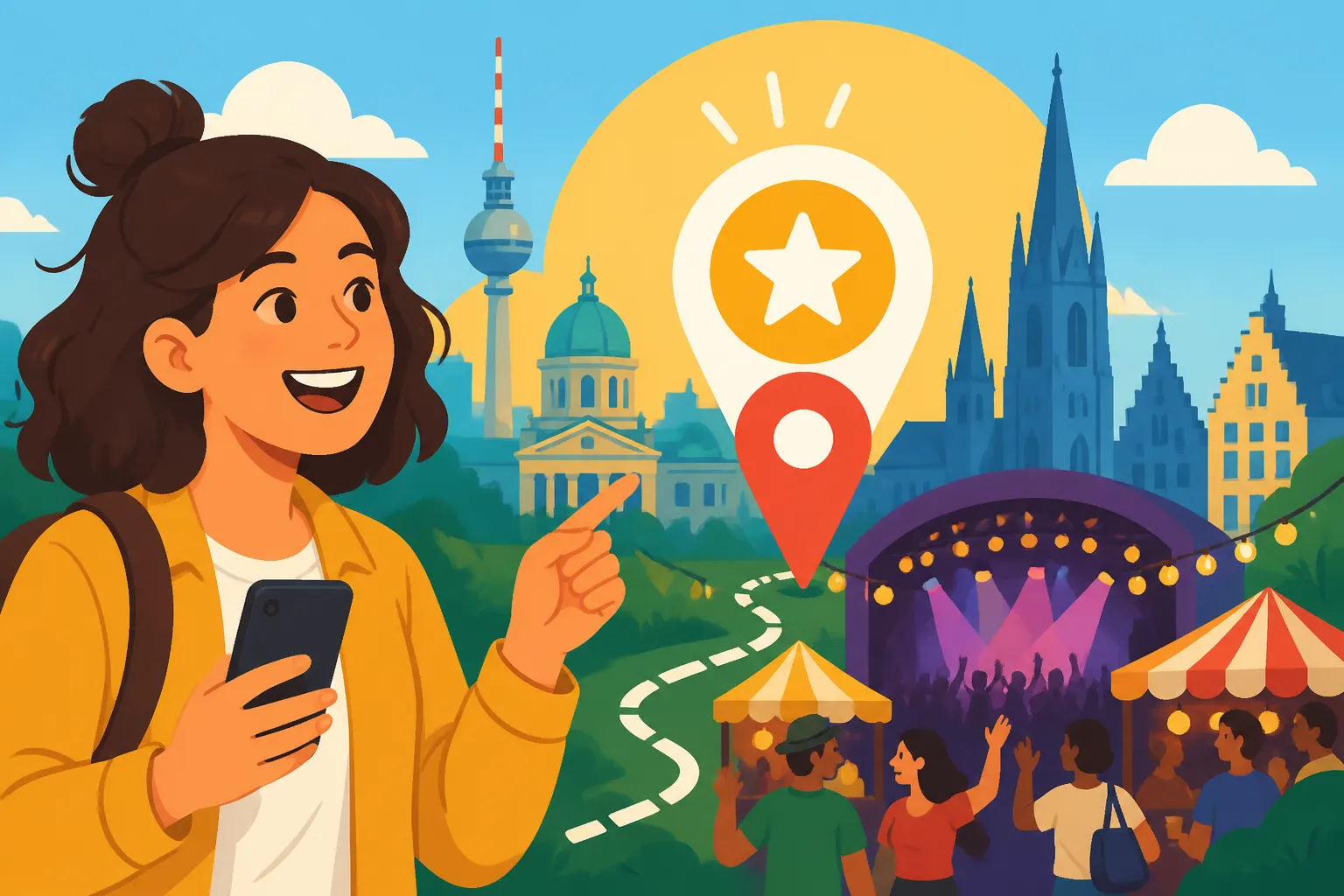
Berlin is the undisputed king of free festivals. The standout is the Fête de la Musique every June 21st, where the entire city becomes a stage. From techno in a park to choirs in a church, everything is free. Another must-see is the Karneval der Kulturen (Carnival of Cultures), a four-day street festival in Kreuzberg celebrating diversity. It’s loud, crowded, and completely free to walk through and enjoy the parades.
When visiting the capital, check out Living in Berlin: Neighborhoods and Practical Tips to figure out where to stay. Some neighborhoods like Neukölln have smaller, "Kiez" festivals that are even more authentic than the big city-wide events. For these high-traffic weekends, I usually check Booking.com several months in advance to find a guesthouse that isn't triple the price, as the free nature of these festivals draws huge crowds.
Munich and Southern Traditions
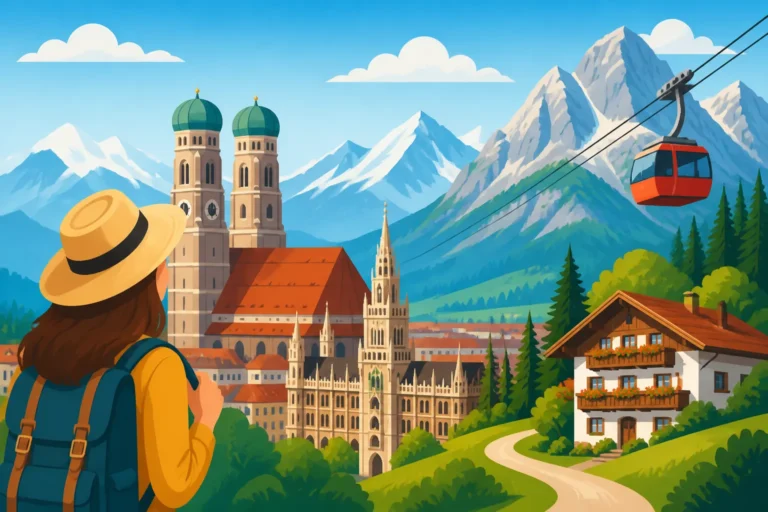
In Munich, while the Oktoberfest tents are technically free to enter, the cost of food and drink is astronomical. If you want a true free festival, look for the Corso Leopold or the Zamanand Festival. They shut down the massive Leopoldstraße boulevard for a weekend of art, street food, and social activism. It’s a great way to see the city's posh side let its hair down.
Down south, the tradition of the Volksfest is strong. While rides cost money, the atmosphere, the parades, and the live music in the public squares are often free. You can find more about the timing of these in Germany's Biggest Festivals: A Year-Round Calendar. If you want to understand the history behind these southern traditions before joining the party, booking a guided walking tour through GetYourGuide on your first day can give you the context you need to appreciate the festivities.
Hamburg and the Northern Waterfront
Hamburg’s Hafengeburtstag (Port Anniversary) is one of the largest maritime festivals in the world. While there are private boat tours you can pay for, the "Harbour Mile" is packed with free live music stages. It’s a sensory overload of salty air, fried fish, and rock and roll. Similarly, the Alstervergnügen around the city’s central lake offers fireworks and performances that don’t cost a dime.
| Festival Name | City | Best For | Typical Month |
|---|---|---|---|
| Fête de la Musique | Nationwide (Berlin focus) | All genres of live music | June |
| Karneval der Kulturen | Berlin | Diversity, parades, world music | May/June |
| Hafengeburtstag | Hamburg | Maritime culture and rock stages | May |
| Museumsuferfest | Frankfurt | Art, culture, and river views | August |
| Corso Leopold | Munich | Street art and social discussions | May/Sept |
| Christopher Street Day | Nationwide | Pride parades and electronic music | July/August |
Understanding the Logistics of "Free" in Germany
While the entry is free, the "German way" of organizing these events comes with some cultural rules you need to know. If you show up unprepared, you’ll end up spending forty euros on "incidental" costs like drinks and deposits.
The Pfand System and Festival Drinks
In most free festivals, you aren't allowed to bring your own glass bottles for safety reasons. You’ll buy a drink at a stand, and you will be charged a "Pfand" (deposit), usually between 1 and 5 euros, for the plastic cup or glass. Do not throw these away! You get your money back when you return the cup. This is a common pitfall for newcomers who treat the cups like disposables and wonder why their "free" night out cost them an extra 20 euros in lost deposits.
Also, remember that Cash vs Card in Germany: What Visitors Should Know is vital here. Even in "high-tech" cities, the small beer stand at a street festival will almost certainly be "Nur Cash" (cash only). I’ve seen countless expats wait in a 20-minute line only to be turned away at the front because they only had Apple Pay.
Navigating the Crowd and Transport
Free festivals in Germany are incredibly popular, meaning the public transport system will be pushed to its limit. If you are using Regional Trains and the Deutschland-Ticket Explained, be aware that regional trains heading into a city like Cologne during Karneval and Fasching in Germany: Cologne and the Rhineland will be standing-room only.
To avoid the stress, I recommend arriving in the city a day early. You can use Omio to find off-peak bus or train times that get you there before the masses. Once you're in the city, Public Transport Tickets and Passes: Navigating German Transit Systems will be your guide to getting to the specific park or square where the stage is located. Often, the city will put on "Sonderzüge" (special trains) for these festivals, which are listed on the local transit apps like BVG (Berlin) or MVV (Munich).
Pro-Tips for the Veteran Expat Experience
After a decade of attending these events, I’ve learned that the "free" experience is much better if you follow a few unwritten rules of German social etiquette.
Respecting the "Ruhezeit" and Local Neighbors
Even during a massive festival, Germans are protective of their peace. Many free street festivals have a hard cutoff at 10:00 PM or 11:00 PM because of noise ordinances. If the music stops suddenly, don’t complain; it’s just the law. If you are staying in an Airbnb or a hotel near the festival site, be mindful of Respecting Quiet Hours: How to Keep Good Relations with Neighbors. Just because there's a party outside doesn't mean you should be shouting in the hallways of your building at 2:00 AM.
Safety and Essentials
Germany is generally very safe, but crowded free festivals are prime spots for pickpockets. Keep your wallet in a front pocket or a cross-body bag. Also, public toilets at these events are often "Dixie-Klos" (portable toilets) or require a 50-cent coin for a cleaning attendant. Always carry a small pack of tissues and some copper coins.
If you’re planning a trip around several of these festivals, using Booking.com to find accommodation near a central station is a smart move. It allows you to drop your bags and head straight to the festival grounds without navigating the city's inner-traffic during peak hours. If the festival is spread out across the city, you can use GetYourGuide to find bike rentals or E-scooter tours to hop between stages more efficiently than the crowded U-Bahn.
Final Thoughts on Finding Your Scene
Finding free festivals in Germany is about more than just saving money; it’s about experiencing the "Kiez" (neighborhood) soul of the country. Whether it’s a small puppet theater festival in a hidden park in Leipzig or a massive techno parade in the streets of Berlin, these events are where the real Germany happens. Don't be afraid to wander away from the main stage. Often, the best "free" event is a small acoustic set happening on a side street that wasn't even on the official map. Use the tools mentioned here, keep your cash ready, and enjoy the best culture Europe has to offer for exactly zero euros.
Disclaimer
The information provided in this guide is for educational and informational purposes only. While every effort has been made to ensure the accuracy of the dates, locations, and costs mentioned, festival schedules in Germany are subject to change by local authorities and organizers. Always verify event details on official city websites or social media channels before traveling. The author and publisher are not responsible for any cancellations, changes in entry requirements, or personal property loss during public events.