How to Say Please, Thank You, and Sorry in German
Walking into a local bakery in Munich or trying to navigate a busy train platform in Berlin can be an intimidating experience for any newcomer. You want to be respectful, but the fear of mispronouncing a word or using the wrong level of formality often leads to awkward silence. This guide solves that anxiety by breaking down exactly how to use "please," "thank you," and "sorry" in real-world German contexts.
Disclosure: This post may contain affiliate links. We may earn a commission at no extra cost to you if you make a purchase through these links. Read full disclosure.
The Cultural Weight of Politeness in Germany
When I first moved to Germany, I was struck by what many expats call the "German Directness." To the uninitiated, it can feel a bit abrasive. You might be at a counter, and the person serving you simply says, "Next!" without a melodic "How can I help you today?" This isn't necessarily rudeness; it is efficiency. However, because the culture is so direct, the words you choose for politeness carry a surprising amount of weight. They are the social grease that keeps interactions from grinding into friction.
In Germany, politeness is often tied to the distinction between formal and informal address. If you are a tourist or a new expat, you will almost always want to stick to the formal "Sie" until invited otherwise. Understanding Polite German: Du vs Sie for Visitors is the foundation of every interaction. Using "please" and "thank you" correctly shows that you respect the local customs and are making an effort to integrate, even if your grammar isn't perfect yet.
I remember my first week in Frankfurt, trying to check into a hotel I found on Booking.com. I was exhausted, my German was non-existent, and I accidentally used the informal "Du" with the receptionist. The air in the room practically turned to ice. It wasn't until I managed a sheepish "Entschuldigung" (Excuse me) that the tension broke. Those small words are your best tools for de-escalating cultural misunderstandings.
How to Say Please in German: The Versatility of Bitte
The word "Bitte" is arguably the most powerful word in the German language. It is a linguistic Swiss Army knife. While its primary translation is "please," its meaning shifts dramatically depending on when and how you say it. If you learn nothing else before your trip, learn this word and its various inflections.
Using Bitte to Make a Request
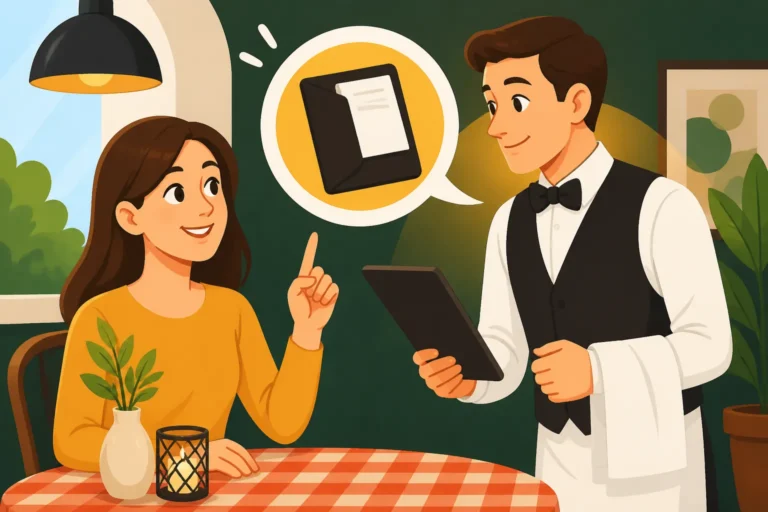
In its most basic form, "Bitte" is used exactly like "please" in English. When you are Ordering Food and Drinks in German: A Practical Phrasebook, you simply add it to the end of your request. For example, "Ein Kaffee, bitte" (A coffee, please). It softens the directness of the statement. Without it, you are essentially barking an order, which even the most efficient German waiter will find distasteful.
If you are looking for more specific assistance, such as asking for directions to a tour meeting point you booked through GetYourGuide, you might start with "Bitte?" as a way to get someone’s attention. It translates roughly to "May I ask you something?" or "If you please?" in this context.
The Many Faces of Bitte
Aside from "please," "Bitte" also serves as "You’re welcome," "Pardon?" and even "Here you go."
- You're Welcome: When someone says "Danke" (Thank you) to you, the standard response is "Bitte" or the more polite "Bitte schön."
- Pardon/What?: If you didn't hear what someone said—perhaps a conductor on an ICE train you booked via Omio is asking for your ticket—you can say "Bitte?" with a rising intonation. This is much more polite than saying "Was?" (What?).
- Here You Go: When a waiter places a plate in front of you, they will often say "Bitte schön." In this case, they aren't asking for anything; they are simply acknowledging the completion of a task.
Expressing Gratitude: The Art of Saying Thank You
While "Danke" is the universal word for "thanks," Germans have a hierarchy of gratitude. Choosing the right one depends on the level of service or the kindness you’ve received. In a society that values "Ordnung" (order) and clear boundaries, a well-placed "thank you" can go a long way in building rapport with your neighbors or colleagues.
From Casual to Formal Thanks
"Danke" is perfectly fine for quick interactions, like when someone holds a door for you or when the cashier at the supermarket hands you your change. However, if you want to sound more natural and appreciative, you should expand your vocabulary.
"Danke schön" and "Danke sehr" are the equivalents of "Thank you very much." They are polite, standard, and safe for almost any situation, from checking out of your apartment to thanking a guide on a walking tour. If someone has gone out of their way to help you—perhaps by helping you understand How to Ask for the Bill in a German Restaurant when you're confused by the total—you might use "Vielen Dank" (Many thanks) or even "Herzlichen Dank" (Heartfelt thanks).
The "Danke" vs. "Bitte" Trap
One of the most common mistakes for English speakers happens during a transaction. In English, if someone offers you something and you say "Thank you," it usually implies "Yes, I would like that." In Germany, the opposite is often true.
If a waiter asks if you want more water and you say "Danke," they will likely take your glass away. To them, "Danke" in this context is short for "No, thank you." If you actually want the water, you should say "Bitte." This subtle difference can lead to a lot of thirsty expats! Always remember: "Bitte" for "Yes" (Please/Yes please) and "Danke" for "No" (No thanks).
Navigating Mistakes: How to Say Sorry in German
The German language has several ways to apologize, and they aren't interchangeable. Using the wrong "sorry" can make a situation more confusing than it needs to be. As an expat, you will inevitably find yourself needing to apologize, whether it’s for blocking a bike lane or accidentally sitting in someone's reserved seat on a train booked through Omio.
Entschuldigung: The "Excuse Me" Apology
"Entschuldigung" is your go-to word for minor infractions and for getting someone's attention. If you need to push past someone on a crowded U-Bahn, you say "Entschuldigung." If you accidentally bump into someone at a Christmas market, you say "Entschuldigung."
It is also the standard way to start a question with a stranger. "Entschuldigung, wissen Sie, wo der Bahnhof ist?" (Excuse me, do you know where the train station is?). It is formal, respectful, and widely accepted. If you want to be even more polite, you can say "Entschuldigen Sie, bitte." This is the version you’d use with someone you don't know, such as a hotel clerk you are speaking with after finding a room on Booking.com.
Tut mir leid: The "I’m Sorry" of Regret
"Tut mir leid" literally translates to "It does me sorrow." You use this when you have actually caused a problem or when you are expressing sympathy. If you are late for a meeting with a landlord, "Entschuldigung" isn't enough; you should say "Es tut mir leid, dass ich zu spät bin."
You also use "Tut mir leid" in situations where you are refusing a request. For instance, if someone asks you for directions and you don't know the answer, you would say, "Tut mir leid, ich bin auch nicht von hier" (I'm sorry, I'm also not from here). It conveys a deeper level of personal involvement than a simple "Excuse me."
| Phrase | English Translation | Context |
|---|---|---|
| Bitte | Please / You're welcome | Universal; used for requests and responses. |
| Bitte schön | You're very welcome / Here you go | More polite version of "Bitte." |
| Danke | Thanks | Casual and quick interactions. |
| Vielen Dank | Many thanks | When you want to show real appreciation. |
| Entschuldigung | Excuse me / Sorry | For getting attention or minor bumps. |
| Tut mir leid | I'm sorry | Expressing regret or sympathy. |
| Verzeihung | Pardon | Very formal; often used in older literature or very polite circles. |
Real-World Scenarios and Nuances
To truly master these phrases, you have to see them in action. German social etiquette is built on predictable patterns. If you follow the pattern, you’ll find that people are much more patient with your language skills.
At the Grocery Store (The Checkout Sprint)
The German supermarket checkout is a high-stress environment. The cashiers are incredibly fast, and there is a social expectation that you will bag your items just as quickly. When the cashier tells you the total, you might say "Danke" as you hand over the money. When they give you the receipt, a "Danke schön, einen schönen Tag noch" (Thank you, have a nice day) is the standard way to finish. If you accidentally block the next person in line while fumbling with your bags, a quick "Entschuldigung" will usually earn you a polite nod rather than a frustrated sigh.
On Public Transportation
Public transport is where most cultural collisions happen. If you are standing in the doorway of a tram and someone needs to get off, they will say "Entschuldigung." Your response should be to move immediately and perhaps say "Oh, Entschuldigung" back. If you are traveling long distances and have a question about your platform, which you might have seen on your Omio app, approaching a DB employee with "Entschuldigung, eine Frage bitte…" (Excuse me, one question please…) is the most effective way to get help. Knowing How to Use the DB Navigator App in Germany can also reduce the need for these apologies in the first place.
Interacting with Service Staff
Whether you are at a restaurant or asking a concierge about GetYourGuide tours, remember that service staff in Germany are professionals, not your friends. They value clear, polite communication. Always start with a greeting ("Guten Tag"), use your "Bitte" when ordering, and always end with a "Danke." This simple structure shows that you understand German Etiquette and Social Life for Visitors and are not just another tourist expecting everyone to conform to your home country's norms.
Why Small Words Matter Most
It’s easy to get bogged down in the complex grammar of the German language—the four cases, the three genders, the word order that seems to put the verb in another zip code. But for the average traveler or new expat, these things are secondary. What matters most is the intention behind your words.
Using "Bitte," "Danke," and "Entschuldigung" correctly shows that you are an empathetic visitor. It signals that you are trying to bridge the cultural gap. I have found that even the "grumpiest" Berliner softens a little bit when an expat uses a sincere "Entschuldigung" for a mistake. These words are your safety net. They allow you to make mistakes, to be confused, and to be a foreigner in a strange land while still maintaining your dignity and showing respect to your hosts.
If you are planning your move or a long trip, I highly recommend looking into a German Language and Everyday Communication for Visitors guide to expand beyond these three basics. But even if you don't, keeping "Bitte," "Danke," and "Entschuldigung" in your pocket will get you through 90% of your daily interactions with a smile—or at least a very polite German nod.
Disclaimer
The information provided in this guide is for educational and informational purposes only. Language usage and social norms can vary significantly by region in Germany (for example, Bavaria versus Hamburg) and are subject to change over time. While every effort has been made to ensure accuracy based on personal expat experience and current linguistic standards, readers are encouraged to observe local customs and consult professional language resources for formal legal or academic requirements.