Living in Berlin: Neighborhoods and Practical Tips
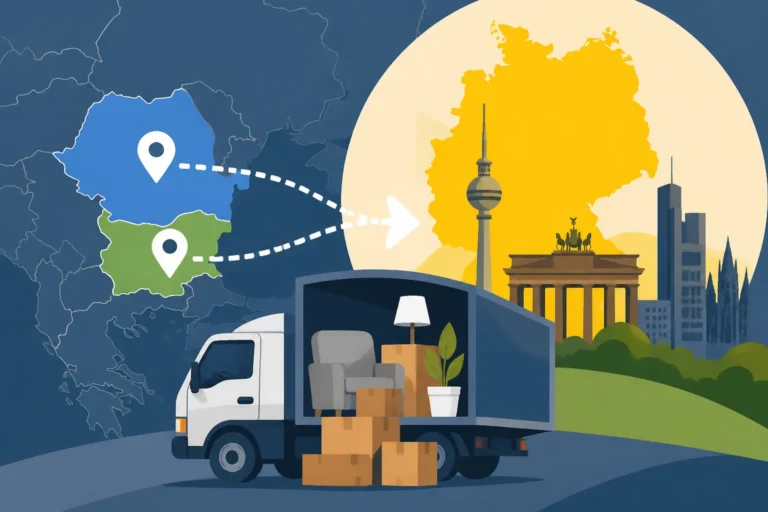
Finding a flat in Berlin can feel like a full-time job where the boss never hires you and the office is a crowded stairwell with fifty other applicants. I once spent four months living out of a suitcase in three different temporary sublets before I finally secured a long-term contract in Neukölln. This guide serves as your roadmap to understanding the city’s unique districts and the administrative hurdles you must clear to call this sprawling capital home.
Disclosure: This post may contain affiliate links. We may earn a commission at no extra cost to you if you make a purchase through these links. Read full disclosure.
Understanding Berlin’s District Layout: The Ring and Beyond
Berlin is not a city with one central point; it is a collection of villages that merged over centuries. To understand where you should live, you first need to understand the "Ring." This is the S41/S42 train line that circles the inner city. Living "inside the Ring" is the dream for many because it places you in the heart of the action, but it also comes with the highest competition and steepest rents.
Inside the Ring, you will find the most famous neighborhoods—Mitte, Prenzlauer Berg, Friedrichshain, and Kreuzberg. Each of these areas has its own distinct personality, often referred to as a "Kiez." A Kiez is more than just a neighborhood; it is your local ecosystem. It is the specific block where you know the person at the Späti (late-night shop), your favorite bakery, and the park where you spend your Sunday afternoons. When searching for a home, you aren't just looking for a city; you are looking for your specific Kiez.
Living outside the Ring is often unfairly dismissed by newcomers. Districts like Steglitz, Pankow, or Spandau offer more greenery, quieter streets, and—crucially—a much higher chance of actually finding a place to live. If you are moving with a family or prefer a calm evening over a 48-hour techno set, looking toward the outskirts is a strategic move that can save your sanity.
Inside the Ring: The A-Zone Pulse
The A-Zone is where the "classic" Berlin experience happens. This is where the density of cafes, coworking spaces, and bars is highest. Because the demand is so high, many expats start their journey by looking for furnished, mid-term apartments through platforms like Wunderflats to get a foot in the door while they search for something permanent. This allows you to have a home base and an address for Registering Your Address (Anmeldung): Step-by-Step Guide without the immediate pressure of a 100-person viewing.
The competition here is fierce. You might find yourself at a "Massenbesichtigung" (mass viewing) where a landlord invites 50 people at once. To win, you need to have your "Bewerbungsmappe" (application folder) ready to hand over on the spot. If you hesitate for even an hour, the flat is likely gone. This area is perfect for those who want to be in the thick of it, but you must be prepared for the noise, the grit, and the relentless pace of inner-city life.
The Kiez Culture: Living Hyper-Local
One of the most beautiful aspects of Berlin life is how small your world can become once you settle into a Kiez. You might go weeks without leaving your district because everything you need is within a ten-minute walk. This hyper-local lifestyle is what makes Berlin feel manageable despite its size. In a Kiez like Reuterkiez in Neukölln or the Akazienkiez in Schöneberg, the community vibe is palpable.
However, Kiez life also means navigating local politics. Gentrification is a sensitive subject in Berlin. As an expat, it is important to be aware of your impact on the local community. Supporting local shops rather than just the trendy new chains can help you integrate more smoothly. Understanding the local rhythms, such as the Saturday markets or the "Ruhezeit" (quiet hours) on Sundays, is essential for being a good neighbor.
Neighborhood Deep Dive: Finding Your Vibe
Choosing a neighborhood in Berlin is a bit like choosing a personality. The city is divided into twelve main boroughs, but the unofficial divisions are what really matter. You have the "Old West," which is polished and elegant, and the "Old East," which still carries the architectural and cultural fingerprints of the DDR era. Finding where you fit requires visiting these areas at different times of day to see how they feel when the sun goes down.
If you are just starting your search, check out Finding an Apartment in Germany: Best Websites and Tips for Expats to see which platforms are best for specific districts. Some neighborhoods are better served by certain rental portals, while others rely heavily on word-of-mouth or local Facebook groups.
Mitte: The Touristy Heart
Mitte is the literal center of the city and contains most of the major landmarks like the Brandenburg Gate and Museum Island. Living here means you are never far from the best museums or high-end shopping. It is a polished, international area where English is spoken almost everywhere. However, it can feel a bit sterile compared to the more "authentic" neighborhoods. Many of the residents here are diplomats, high-earning tech workers, or temporary visitors.
The rental prices in Mitte are among the highest in the city. You aren't just paying for the square footage; you are paying for the "Mitte" address. If you work for a major tech firm or a startup based around Torstraße, living here saves you a commute, but you might miss out on the cozy, community-driven atmosphere found in the outer districts.
Prenzlauer Berg: Family-Friendly and Polished
Once the heart of the counter-culture movement in East Berlin, Prenzlauer Berg has transformed into the ultimate destination for young families and "Bobos" (bourgeois bohemians). The streets are lined with beautiful Altbau buildings (pre-war apartments with high ceilings), leafy trees, and an endless supply of shops selling wooden toys and organic coffee.
It is arguably the most beautiful part of Berlin, but it is also one of the most expensive. If you are moving with children, this is the gold standard for neighborhood safety and school quality. You can learn more about Family Health Insurance: Adding Your Spouse and Kids to Your Plan to ensure your family is covered as you settle into this comfortable enclave. Just be prepared for "Kinderwagen-Mafia"—the jokingly named groups of parents with strollers who dominate the sidewalks.
Friedrichshain and Kreuzberg: The Alternative Core
Friedrichshain and Kreuzberg are often grouped together because they share a rebellious, alternative spirit. Kreuzberg is legendary for its punk history, Turkish influence, and the May Day protests. It is home to Görlitzer Park and some of the best street food in the city. Friedrichshain, across the river, is home to the East Side Gallery and the world-famous nightclub Berghain.
Both areas are incredibly vibrant but can be loud and gritty. If you want a quiet life, avoid living near Simon-Dach-Straße or Kottbusser Tor. However, if you want to be at the center of Berlin’s creative and nightlife scenes, there is nowhere better. The competition for flats here is the toughest in the city because of the high concentration of young expats and students.
Neukölln: Multi-Cultural and Hip
Neukölln has seen the most dramatic change over the last decade. What was once a neglected border district is now one of the trendiest places in Europe. The northern part (North Neukölln or "NoKo") is a melting pot of traditional Arabic bakeries and vegan brunch spots. The Tempelhofer Feld—a former airport turned into a massive public park—is the crown jewel of the area.
South Neukölln remains more traditional and residential. It is a great place to look if you want the Neukölln vibe without the 24/7 noise of the northern part. The area is also a hub for freelancers and creatives who often work in local cafes. If you’re just arriving and need to stay connected while hunting for a permanent spot, using a travel SIM from a provider like Airalo can be a lifesaver before you get your long-term German contract sorted.
| Neighborhood | Vibe | Price Level | Best For |
|---|---|---|---|
| Mitte | Modern / Corporate | High | Newcomers, Tech Professionals |
| Prenzlauer Berg | Family / Polished | High | Families, Expats wanting comfort |
| Kreuzberg | Gritty / Cultural | Medium-High | Artists, Nightlife lovers |
| Neukölln | Hip / Diverse | Medium | Students, Freelancers, Creatives |
| Charlottenburg | Elegant / Quiet | Medium-High | Professionals, Older Expats |
| Wedding | Raw / Up-and-coming | Medium-Low | Budget-conscious, Students |
The Apartment Hunt Survival Kit
Berlin's housing market is notoriously difficult. The city has a high percentage of renters (around 85%), and strict rent control laws mean that people rarely move out of their cheap, old contracts. This leaves newcomers fighting over a very small pool of available flats. To stand a chance, you need to treat apartment hunting like a military operation.
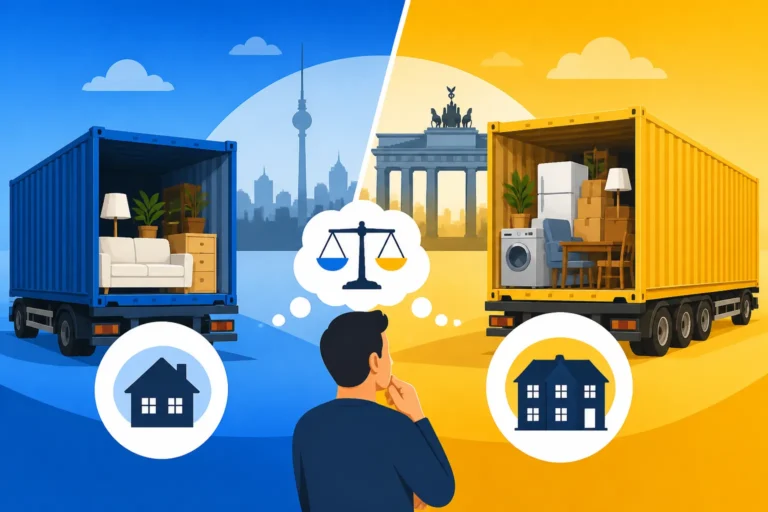
One of the biggest shocks for foreigners is the "empty kitchen" phenomenon. In Germany, apartments are often rented without a kitchen. No cabinets, no stove, no sink—just pipes sticking out of the wall. When you move in, you are expected to buy and install your own kitchen, and then take it with you when you leave. You will likely spend your first week in Berlin browsing Amazon Germany for a "Spüle" (sink) and a "Herd" (stove) just so you can make a cup of coffee. For more on this, read Furnishing a German Apartment and the Empty-Kitchen Problem so you aren't caught off guard.
The Bureaucratic Paperwork: The Dreaded Folder
When you walk into an apartment viewing, you are competing against dozens of others. Landlords want to see that you are low-risk and high-income. You should have a physical folder and a digital PDF ready containing:
- Your last three months of payslips (Gehaltsnachweise).
- Your employment contract.
- Your Schufa report (credit score).
- A copy of your ID or passport.
- A "Mietschuldenfreiheitsbescheinigung"—a document from your previous landlord stating you don't owe them rent.
If you don't have a credit history yet, you should read The SCHUFA Credit Score in Germany: How It Works to understand how to get your first report. Without a clean Schufa, getting a long-term lease is nearly impossible. If you are a freelancer, you will need to provide your tax assessments from the previous year, which can make things even trickier for new arrivals.
Temporary Housing vs. Long-term Commitment
Because the paperwork is so extensive, many expats choose to live in "Zwischenmiete" (temporary sublets) for their first few months. This gives you a chance to explore the city and find your preferred neighborhood without being locked into a lease. Using a service like Wunderflats is a popular option because they handle much of the bureaucracy and provide furnished spaces where you don't have to worry about buying a kitchen on day one.
Once you find a permanent place, the contract is your holy grail. German rental contracts are very protective of tenants, making it hard for landlords to evict you or raise the rent arbitrarily. However, you need to understand the difference between "Kaltmiete" (cold rent) and "Warmmiete" (warm rent). Cold rent is just the base price for the space; warm rent includes the "Nebenkosten" (utilities like water and heating, but usually not electricity or internet). Make sure to check Understanding German Rental Contracts: Key Terms and Conditions before you sign anything.
Practical Tips for Daily Life in the Capital
Once you have a roof over your head, the real work of living in Berlin begins. The city is massive, covering nearly 900 square kilometers, so learning how to navigate it efficiently is key. Berliners are famously direct (some call it the "Berliner Schnauze" or Berlin snout), but once you get past the initial gruffness, you’ll find a city that is fiercely independent and surprisingly helpful.
One of the first things you must do is register your address. The "Anmeldung" is the most important piece of paper you will own. It allows you to get a tax ID, open a bank account, and sign up for health insurance. Getting an appointment at the Bürgeramt (citizens' office) is like winning the lottery. My tip? Refresh the booking page at 8:00 AM every morning—this is when cancellations are released into the system.
Getting Connected: Internet and SIM Cards
Setting up home internet in Berlin can take anywhere from two weeks to two months. I once went six weeks using a mobile hotspot because the technician couldn't find the basement connection. To avoid this frustration, I recommend getting a flexible mobile data solution immediately. An eSIM from Airalo is great for the first week, allowing you to use Google Maps and translation apps as soon as you land.
Eventually, you will want a local SIM for a German phone number. To get one, you usually need your registration certificate and a German bank account. Check out Best Banks in Germany for Expats: Low Fees and English Support to find a provider that offers an English interface, which makes paying your phone and internet bills much easier. Remember that most German contracts (Verträge) have a 24-month minimum term, so consider "Prepaid" or "Monatlich kündbar" (monthly cancelable) options if you aren't sure how long you'll stay.
Transport and Mobility in the City
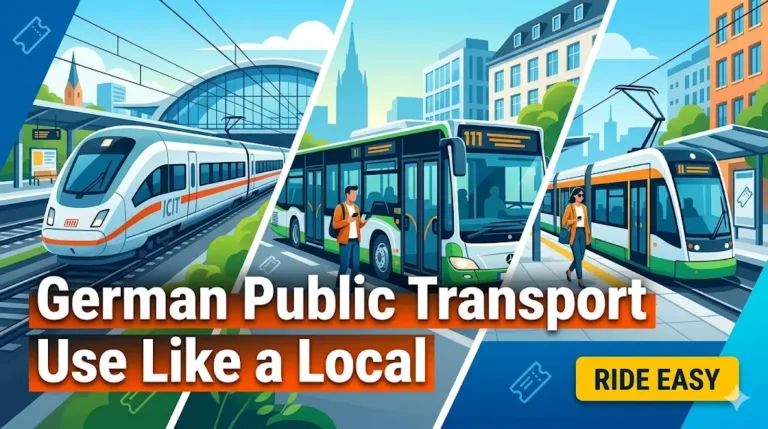
You do not need a car in Berlin. In fact, having one is often more of a burden due to the lack of parking and the frequent roadworks. The public transport system (VBB) consists of the U-Bahn (underground), S-Bahn (suburban trains), Trams (mostly in the East), and Buses. It is one of the best systems in the world, running 24 hours on weekends.
Since 2023, the "Deutschland-Ticket" has been a game-changer. For €49 a month, you get unlimited travel on all local and regional transport across Germany. It is significantly cheaper than the old monthly Berlin ABC passes. You can find more details in Public Transport Tickets and Passes: Navigating German Transit Systems. For short trips, cycling is king. Berlin is mostly flat, and while the bike lanes aren't quite Dutch-standard yet, they are improving rapidly. Just invest in a very, very strong lock—bike theft is unfortunately a local pastime.
Costs and Budgeting for Berlin Life
While Berlin is still cheaper than London, Paris, or New York, the "cheap and sexy" days are long gone. Inflation and the energy crisis have driven up the cost of living significantly. You need to budget carefully for more than just rent. Food, transport, and that mandatory monthly fee for public broadcasting all add up.
A major expense that often surprises newcomers is the "Rundfunkbeitrag." Even if you don't own a TV or speak German, every household is required to pay around €18 per month to support public radio and television. You will receive a letter in the mail shortly after your Anmeldung. Do not ignore it; the fees accumulate and can lead to heavy fines. See Understanding the Rundfunkbeitrag Fee: Why You’re Charged €18 Every Month for how to set up your payment.
Rent Breakdown and Hidden Costs
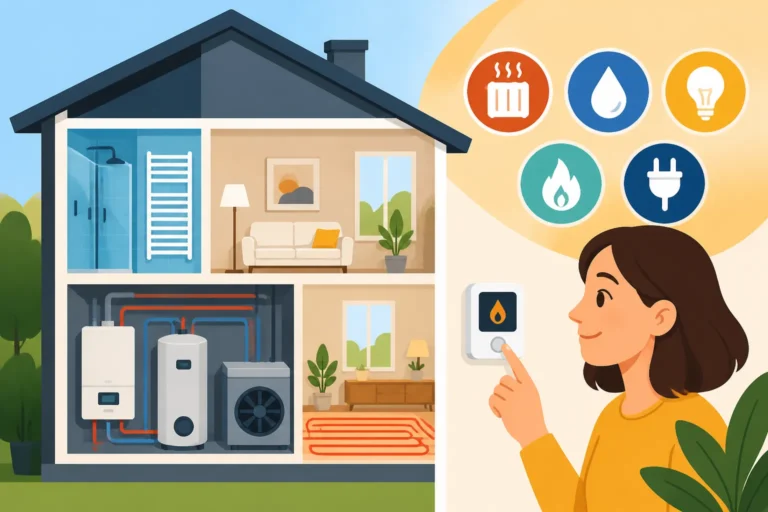
When looking at a flat listing, the "Warmmiete" is what you actually pay the landlord. However, you still need to pay for electricity (Strom) and internet (Internet) separately. In Germany, you choose your own electricity provider. If you don't choose one, you will default to the "Grundversorgung" (basic supply) from Vattenfall, which is usually the most expensive option.
You should also budget for "Haftpflichtversicherung" (Personal Liability Insurance). It is not legally mandatory, but about 85% of Germans have it. It covers you if you accidentally damage someone else’s property—like if you spill wine on a friend's laptop or accidentally scratch the floor of your rented apartment. It usually costs less than €5 a month and can save you thousands in the long run.
Health and Medical Basics
Accessing healthcare in Berlin is generally excellent, but finding a doctor who is taking new patients can be a struggle. Most people have public health insurance (gesetzliche Krankenkasse) like TK or AOK. When you visit a doctor, you just show The German Health Insurance Card (Gesundheitskarte): Uses and How to Get One and the insurance handles the rest.
I highly recommend Finding a Hausarzt (Family Doctor) in Germany as soon as you move. Don't wait until you are sick to look for a doctor. Many practices are full and will only see existing patients. Having a "Hausarzt" is the gatekeeper to the rest of the medical system; they are the ones who give you referrals to specialists or write your "Krankschreibung" (sick note) for work.
Cultural Nuances and Integration
Berlin is a city that prides itself on being different from the rest of Germany. It is more informal, more international, and significantly more chaotic than Munich or Hamburg. However, some German rules still apply strictly. Punctuality is respected, even in social settings. If you are meeting someone at 7:00 PM, 7:05 PM is acceptable, but 7:15 PM requires a text message.
Learning the language is the best way to feel at home. While you can survive in Berlin with just English, you will always remain on the surface level of the city. Speaking even a little German opens doors at the Bürgeramt and makes the "Berliner Schnauze" at the supermarket seem like a friendly quirk rather than a personal insult.
The Berlin Attitude: Dealing with the Schnauze
The "Berliner Schnauze" is a specific type of humor and directness. It can often come across as rude to newcomers. A bus driver might yell at you for not having your ticket ready, or a waiter might seem annoyed that you asked for a menu. Don't take it personally. It is a defense mechanism born from living in a busy, crowded city. The best way to handle it? Be direct back. A firm, polite response usually earns you a grudging respect.
Integration also means participating in the city's green spaces. In the summer, the city moves outdoors. Grilling at Tempelhofer Feld, drinking a "Wegbier" (a beer for the way) while walking through the canal in Kreuzberg, or spending a Sunday at a flea market are the quintessential Berlin experiences. It is a city that rewards those who are willing to explore its rough edges to find the hidden gems underneath.
Housing and Living Disclaimer
The information provided in this guide is for informational purposes only and is based on personal experiences and research within the German administrative system. Regulations regarding visas, rental laws, and insurance can change frequently. Always consult with official government sources or qualified legal professionals before making financial or legal commitments. Ensure you verify current rental price caps (Mietpreisbremse) and local district regulations when signing a lease in Berlin.