What Time Does Nightlife Start in Germany?
You've just arrived in Germany, perhaps fresh off a long journey, and you're ready to dive into the local scene. Maybe you're envisioning bustling bars at 8 PM, or clubs already jumping by 10 PM. You head out, full of enthusiasm, only to find… tumbleweeds. Empty venues, quiet streets, and a distinct lack of the party you anticipated. It's a common expat frustration, believe me! The German approach to nightlife can be a bit of a head-scratcher if you're coming from a culture that gets an early start. This guide is here to shed some light on the nocturnal rhythms of Germany, so you can stop feeling like you've missed the memo and start enjoying yourself.
Disclosure: This post may contain affiliate links. We may earn a commission at no extra cost to you if you make a purchase through these links. Read full disclosure.
Understanding the German Nightlife Rhythm: It's Not Always What You Expect
When you first arrive in Germany, especially if you're used to nightlife kicking off early in your home country, you might feel a little lost. Germans generally have a different internal clock when it comes to going out. It's less about rushing out the door right after dinner and more about a gradual build-up to the night, often culminating in very late peaks for certain types of venues. This rhythm is deeply ingrained, and understanding it is key to enjoying yourself and not feeling like you're perpetually showing up to an empty room.
The Early Birds: Restaurants, Bars, and Feierabend Beers
Let's start with the earlier parts of the evening. If you're looking for dinner, German restaurants typically open for the evening service around 5:30 PM or 6 PM. Most people will aim to eat between 7 PM and 9 PM. By 10 PM, many restaurant kitchens might already be winding down or closing, especially in smaller towns. So, while you can certainly have a lively dinner, it’s generally not considered the "start" of nightlife in the way a late-night dinner in, say, Southern Europe might be.
Then there are the traditional bars, often called Kneipen. These are your local pubs, and they start filling up right after work, usually around 5 PM or 6 PM, as people gather for a Feierabendbier – that well-deserved after-work drink. These places are fantastic for a relaxed chat, a local brew, and soaking in a bit of German daily life. Think cozy corners, regulars at the bar, and a generally unpretentious atmosphere. You'll find people socialising, discussing their day, and unwinding. However, these traditional Kneipen often close earlier than you might expect, especially on weekdays, sometimes around midnight or 1 AM. They're more about the early to mid-evening socialising rather than late-night revelry. If you're looking for a low-key evening, finding a good local Kneipe is an excellent way to go, and they're usually buzzing by 7 PM or 8 PM. Many of these places are also ideal spots to sample different regional beers and truly experience German Beer Culture: Styles, Beer Gardens, and Breweries.
Pre-Drinking Culture (Vorglühen) and Why It Matters
Now, this is a crucial concept to grasp if you want to understand German nightlife timings: Vorglühen, which literally translates to "pre-glowing" but essentially means pre-drinking or pre-gaming. It's a deeply ingrained part of the social ritual, especially for younger crowds and those heading to clubs. Instead of going straight to a club at 10 PM, many Germans will gather at a friend's apartment, a park (in summer), or a relatively inexpensive bar to have drinks for a few hours.
Why Vorglühen? There are a couple of reasons. Firstly, drinks in German clubs can be expensive, particularly in major cities like Berlin or Munich. By starting the night with cheaper drinks purchased from a supermarket, you save a decent chunk of money. Secondly, it's a social ritual. It's a chance to catch up with friends, get into the right mood, and loosen up before facing potentially crowded venues and strict door policies. This means that even if a club officially "opens" at 10 PM, it will likely be practically empty until well past midnight, because most people are still busy Vorglühen elsewhere. So, if you're heading to a club, don't feel like you have to be there right when the doors open. In fact, showing up too early might just leave you standing alone on a dance floor, wondering where everyone is!
When the Party Really Kicks Off: Clubs, Lounges, and Live Music
Once Vorglühen has done its job, Germans finally start making their way to the main venues. This is where the true "nightlife" in the sense of dancing and prolonged partying begins, and it's almost always a late affair.
Clubs: The Midnight-to-Morning Rule
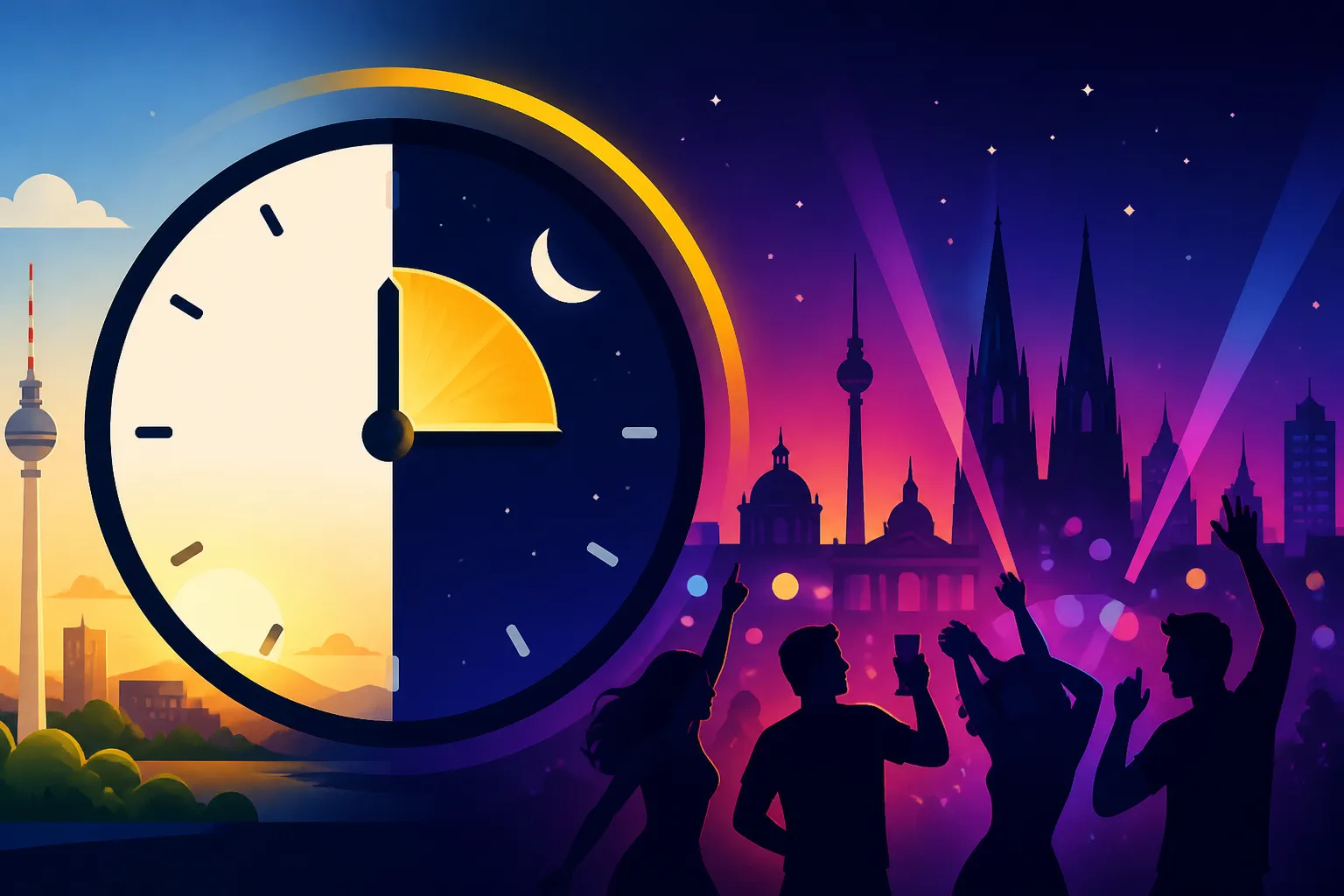
If you're planning a proper club night in Germany, especially in a city known for its electronic music scene like Berlin, you need to recalibrate your internal clock. Clubs here do not get busy before midnight. Seriously. Showing up at 11 PM will likely mean walking into an almost empty space, with perhaps a handful of people and staff milling about. The real action, the pulsating energy, the packed dance floors – that all typically starts around 1 AM, and it doesn't truly hit its stride until 2 AM or even 3 AM.
And once it starts, it goes on. And on. German clubs, particularly the larger ones or those with a strong techno/house focus, are famous for their marathon parties. It's not uncommon for clubs to stay open until 6 AM, 8 AM, or even well into Sunday afternoon (or Monday morning, in Berlin's case). The peak hours are usually between 2 AM and 4 AM, but many dedicated party-goers will stay until well after sunrise. You'll often see people emerging from clubs into bright daylight, sunglasses on, ready to face the day after a full night of dancing. This is particularly true for places like Berghain in Berlin, where the party literally goes for days. To truly understand this phenomenon, you might want to read more about Nightlife in Germany: Berlin and the Club Scene.
Expect to pay an Eintritt (entrance fee), which can range from €5 to €20 or more depending on the club and event. There's also usually a Garderobe (coat check) where you can leave your jacket for a small fee, which is definitely recommended. Door policies can be a bit strict at some venues, especially in Berlin, so be mindful of your attire and don't show up visibly drunk. Just be cool, collected, and ready to party.
Lounges and Cocktail Bars: A Slightly Earlier Start
If the thought of dancing until dawn isn't quite your scene, or you're looking for something a bit more sophisticated, lounges and cocktail bars offer a slightly earlier and often more relaxed alternative. These venues typically start getting busy around 9 PM or 10 PM. While they might open earlier for quieter drinks, the atmosphere usually picks up as the evening progresses.
Here, the focus is less on pulsating beats and more on conversation, expertly crafted drinks, and a chic ambiance. You'll find people dressed a bit more smartly than in a typical techno club, enjoying a carefully mixed gin and tonic or a classic Old Fashioned. These places are perfect for a date night, a catch-up with friends, or simply a relaxed evening out. They tend to close earlier than dance clubs, often around 2 AM or 3 AM, providing a good balance between a lively atmosphere and a reasonable end to the night. Prices for cocktails can be on the higher side, so be prepared to budget for that.
Live Music Venues and Concerts: Fixed Schedules
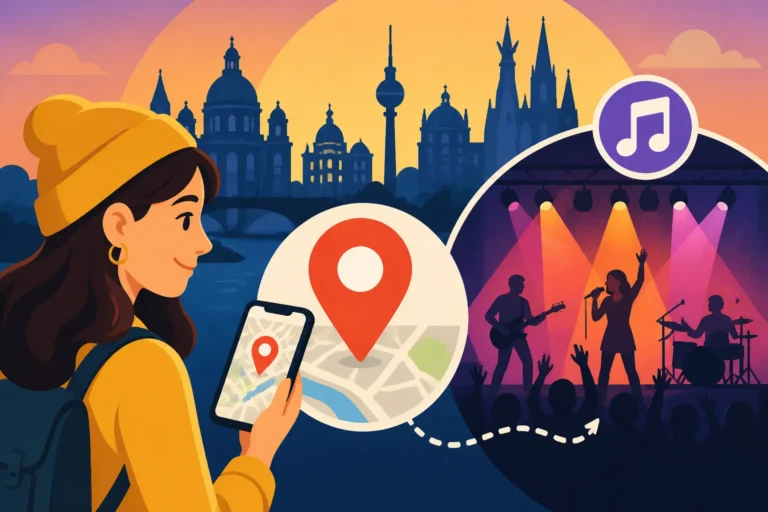
Live music, whether it's a small band playing in a local bar or a major international artist at a stadium, operates on a much more predictable schedule. Concerts and gigs typically have a fixed start time for the main act, often between 8 PM and 9 PM. Doors usually open an hour or two before that, allowing people to grab a drink, find their spot, and catch any opening acts.
While the main performance is punctual, many venues will have an attached bar or a pre-show area where you can gather earlier. After the main act finishes, some smaller venues might transition into a DJ set or an after-party, but the highlight of the evening, the live performance, will stick to its schedule. Always check the specific timings on your ticket or the venue's website, as these are usually non-negotiable. Websites like GetYourGuide might offer tickets to certain concerts or unique nightlife experiences, so it's always worth a look if you're planning ahead.
Regional Nuances and Special Events
Germany is a diverse country, and its nightlife scene reflects that. What's true for one city might not entirely apply to another.
Berlin vs. Other German Cities: The Perpetual Party
When it comes to nightlife, Berlin is truly in a league of its own. It's the undisputed champion of the late start and the long haul. The city's legendary club scene, particularly its techno and electronic music venues, often doesn't even begin to fill up until 2 AM or 3 AM, and parties can easily stretch through the entire weekend. It's an experience unlike almost anywhere else in the world, a testament to its unique history and counter-cultural spirit. If you're going to Berlin for nightlife, mentally prepare for a very, very late night (or weekend).
In contrast, other major German cities like Munich, Hamburg, Cologne, or Frankfurt, while still having a late nightlife scene compared to many international standards, are usually not as extreme as Berlin. In Munich, for example, clubs might get busy around midnight and stay open until 3 AM or 4 AM. Hamburg has a vibrant Reeperbahn district where things pick up earlier, but the main clubs still peak around 1 AM to 2 AM. Cologne's party scene, especially during Karneval, is exceptional, but on a regular weekend, you'll still find the clubs getting busy around midnight. So, while the "late start" rule is generally true across Germany for clubs, Berlin takes it to an entirely different level.
Festivals and Special Nights: All-Day Affairs
When it comes to festivals and special events, the rules often shift. Music festivals, whether they're open-air events in summer or indoor winter festivals, typically kick off much earlier. You can expect gates to open in the early afternoon, with acts playing from late afternoon onwards. These are often all-day affairs, starting with sunshine and ending under the stars (or inside until the early morning).
Major holidays, like New Year's Eve (Silvester), also alter the usual rhythm. On Silvester, celebrations begin much earlier in the evening, with people gathering for dinner, house parties, and then heading out to public fireworks displays or organised events. The build-up to midnight is the main event, rather than the post-midnight push for clubs. If you're interested in how Germans celebrate other major events, check out Festivals, Holidays, and Traditions in Germany. Understanding these exceptions will prevent you from missing out on some fantastic experiences.
Practical Tips for Navigating German Nightlife
So, you're armed with the knowledge of when things actually start. Now, how do you make sure your night out in Germany goes smoothly?
Planning Your Night Out: Logistics and Expectations
My biggest piece of advice is always to check the specific venue's website or social media pages. Most bars, clubs, and live music venues will clearly state their opening hours. For popular events or clubs, it can be a good idea to buy tickets in advance. Websites like GetYourGuide or the venues' own sites are often the best bet for this, saving you from queues and potential disappointment at the door.
Transportation is another crucial factor, especially if you're planning to stay out late. Germany has an excellent public transport system, including extensive U-Bahn, S-Bahn, and bus networks. In major cities, there are usually Nachtbusse (night buses) or limited S-Bahn/U-Bahn services running on weekends. However, these services might become less frequent in the very early morning hours (around 4 AM to 5 AM), so you might end up relying on taxis or ride-sharing apps if you plan to close the place down. Familiarize yourself with the local public transport schedule, perhaps using the DB Navigator app or local transport apps (like BVG in Berlin), or consider using Omio to plan your journeys if you're traveling between cities or even neighborhoods. For more details on getting around, read up on Getting Around German Cities: U-Bahn, S-Bahn, Trams, and Buses and Public Transport Tickets and Passes: Navigating German Transit Systems. If you anticipate a very late night and don't want to worry about transport, booking a hotel or hostel nearby using a service like Booking.com can be a lifesaver.
Dress Codes and Entry Policies
German nightlife is generally quite relaxed when it comes to dress codes, but there are nuances. For most techno clubs, especially in Berlin, the vibe is casual, often favoring dark, comfortable clothing. It's more about personal style and less about formal wear. In cocktail bars or more upscale lounges, you might want to opt for smart casual attire – think a nice shirt and trousers for men, or a chic dress for women. Avoid overly sporty clothes or flip-flops in these kinds of establishments.
A word on Türsteher (bouncers): they can be selective, particularly at some of the more exclusive clubs. They're often looking for a good mix of people, and sometimes they'll turn people away without a clear reason. Generally, being respectful, not being overtly drunk, and not showing up in a huge, boisterous group can increase your chances of getting in. Always have your ID (passport or national ID card) with you, as they will often check ages, and sometimes even just your identity. This is part of the general German Etiquette and Social Life for Visitors.
The Cost of a German Night Out
Budgeting for a night out in Germany means considering several factors. Entrance fees for clubs can vary, as mentioned, usually between €5 and €20. Drinks are typically priced similar to other Western European cities. A beer might cost €4-€6, while a cocktail can easily set you back €10-€15. Don't forget the Garderobe fee, which is usually a couple of euros.
Tipping in Germany is customary but usually not as high as in countries like the US. For drinks, rounding up to the nearest euro or adding about 10% for excellent service is common. Learn more about Tipping in Germany: When, Where, and How Much. Keep in mind that many smaller bars and even some clubs might prefer cash, so it’s always a good idea to have some euros on hand, although card payments are becoming more widespread. For a deeper dive into financial planning, check out Cost of Living in Germany: Budgeting Guide for Expats.
| Nightlife Category | Typical Opening Hours | When it Gets Busy (Peak) | Notes |
|---|---|---|---|
| Restaurants | 5:30 PM – 11 PM | 7 PM – 9 PM | Dinner-focused, usually winding down by 10 PM. |
| Traditional Bars/Kneipen | 5 PM – 1 AM | 7 PM – 11 PM | Casual after-work drinks, local vibe. Often close earlier. |
| Cocktail Bars/Lounges | 7 PM – 3 AM | 9 PM – 1 AM | More upscale, focus on conversation and crafted drinks. |
| Live Music Venues | Doors 7 PM, Show 8 PM | Show start (8 PM/9 PM) | Fixed schedule for main acts, may have after-parties. |
| Dance Clubs (Non-Berlin) | 10 PM – 5 AM | 12 AM (Midnight) – 3 AM | Gets going late, often empties significantly by 4 AM. |
| Dance Clubs (Berlin) | 11 PM – 10 AM (next day) | 2 AM – 6 AM | Notoriously late start, parties can last well into the next day. |
Ultimately, diving into German nightlife is an experience, and once you get the hang of its unique timing and cultural quirks, you'll find there's a vibrant and diverse scene waiting for you. Just remember, patience is a virtue, and the best parties often don't begin until the rest of the world is already asleep.
Disclaimer
Please remember that information regarding opening hours, public transport, and policies can change. Always verify details with specific venues or local transport providers before making plans. This guide offers general advice for expats and tourists, but individual experiences may vary. We strive to provide up-to-date and accurate information, but cannot guarantee its absolute correctness at all times.