Moving to Germany from Mexico and Latin America: Freight Routes and Costs
Oh, the big move! Moving your entire life across continents, especially from vibrant Mexico or any corner of Latin America to Germany, is an undertaking that can feel like trying to solve a Rubik's Cube blindfolded. The sheer logistics, the mountains of paperwork, and the nagging question of "how much will this cost?" can be incredibly overwhelming. But don't you worry, my friend. This guide is here to demystify the process of shipping your belongings, breaking down freight routes, and giving you a realistic picture of the costs involved, helping you navigate this colossal challenge with a clear head. And for taking a huge chunk of that stress away, a service like Sirelo can be an absolute lifesaver.
Disclosure: This post may contain affiliate links. We may earn a commission at no extra cost to you if you make a purchase through these links. Read full disclosure.
The Unique Challenges of Moving from Mexico & Latin America to Germany
Let's be real, moving isn't just about packing boxes and putting them on a truck. When you're talking about an intercontinental move from Latin America to Germany, you're looking at a different beast entirely. The geographical distance is just the beginning; there's a whole labyrinth of customs, differing regulations, and logistical complexities that can make your head spin. As someone who has been through the expat journey, I can tell you that anticipating these hurdles is half the battle.
Navigating Vast Distances and Complex Logistics
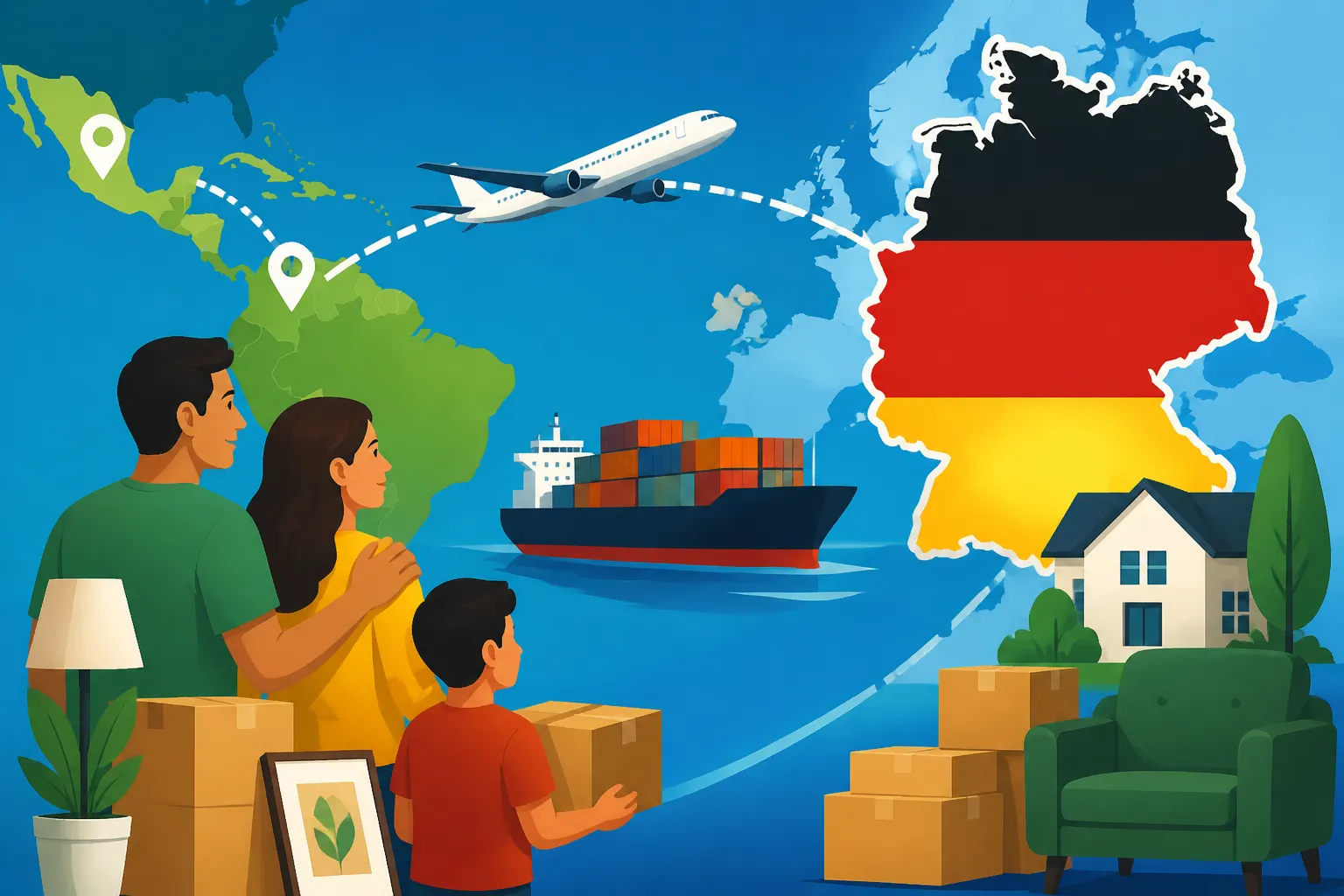
The journey itself is immense. Imagine your carefully packed belongings starting their voyage from bustling Mexico City, the coastal hub of Veracruz, or perhaps from Santiago, Chile, or Buenos Aires, Argentina. They'll travel thousands of kilometers across oceans, through various international waters, before finally reaching a German port like Hamburg or Bremerhaven. This isn't a quick hop across the border. This long-haul journey requires meticulous planning, understanding international shipping lanes, and dealing with potential transshipment points.
The sheer scale means longer transit times, which then impacts your planning for when you'll actually need your furniture or personal effects. Customs clearance in multiple jurisdictions, even if just in transit, can throw a wrench into things if not handled correctly. Moreover, the infrastructure and regulations can vary significantly from one Latin American country to another, meaning what worked for a friend moving from, say, Brazil, might be completely different for your move from Colombia. It’s crucial to have a moving partner who understands these intricacies. This is where platforms like Sirelo come in handy, connecting you with movers who have experience in these specific routes, taking some of the guesswork out of the equation.
Cultural and Bureaucratic Hurdles in Logistics
Beyond the physical distance, there's the cultural and bureaucratic gap. The German approach to bureaucracy is, well, German. It's structured, thorough, and requires precision. This can be a stark contrast to the more flexible or sometimes opaque administrative processes you might be used to in Latin America. Imagine trying to sort out customs declarations in German when your primary language is Spanish, or vice versa, with all the subtle legal nuances involved. It can be a recipe for frustration and costly delays.
From ensuring your inventory lists are perfectly translated and categorized according to German customs standards to understanding the specifics of import duties for household goods, every step demands attention. Furthermore, payment terms, communication styles, and even the definition of "on time" can differ between a Latin American moving company and a German one. Finding a moving company that can bridge this cultural divide, or a platform like Sirelo that gives you access to a network of international movers accustomed to these cross-cultural dynamics, is invaluable. They can help ensure your paperwork is in order, your communication is clear, and your expectations are aligned with reality. If you're wondering how to even start tackling all this German paperwork once you arrive, you might find our guide on The Anmeldung: Registering Your Address in Germany incredibly helpful, as it's one of the first bureaucratic steps you'll face.
Understanding Your Freight Options and Their Costs
When you’re moving your entire life across an ocean, your biggest decisions often revolve around how your stuff gets there. You essentially have two main options: sea freight or air freight. Each has its own set of pros, cons, and, of course, a wildly different price tag. Understanding these differences is key to making a choice that fits your budget and timeline.
Sea Freight: The Most Economical Choice
For most expats making the big leap from Mexico or Latin America to Germany, sea freight is the default option, and for good reason: it’s significantly more economical. Your belongings will travel in large shipping containers aboard cargo ships.
There are primarily two ways to use sea freight:
- Full Container Load (FCL): This means you get an entire container (usually 20-foot or 40-foot) all to yourself. If you're moving a large household, including furniture, appliances, and many boxes, FCL might be the most cost-effective per cubic meter. It offers greater security as your items aren't mixed with anyone else's, and transit times can sometimes be slightly faster as there's no need to consolidate or deconsolidate other shipments. However, if you don't fill the container, you're still paying for the unused space. Transit times from Latin America to Germany can range from 4 to 8 weeks, not including time for customs clearance and delivery at both ends.
- Less than Container Load (LCL): If you're only shipping a few items, some boxes, or maybe just a few pieces of furniture, LCL is your best bet. Your belongings will be loaded into a container along with other people's shipments going to the same general region. This is priced based on the volume (cubic meters) or weight of your shipment. While cheaper for smaller loads, LCL can mean slightly longer transit times due to the consolidation and deconsolidation process, and there's a slightly higher risk of damage or misplacement since your items are handled more.
Typical costs for sea freight from a major Latin American port (like Mexico City/Veracruz, Buenos Aires, or Santiago) to a major German port (like Hamburg or Bremerhaven) can vary wildly based on volume, specific origin/destination, and current fuel surcharges. For a smaller LCL shipment (e.g., 5-10 cubic meters), you might be looking at €1,500 to €4,000. For an FCL (20-foot container), expect a range from €4,000 to €8,000 or more. Remember, these are rough estimates and can fluctuate significantly, which is why getting up-to-date quotes through Sirelo is so crucial. They help you compare several options to find a fair price.
Air Freight: For Urgency and High-Value Items
When speed is your absolute priority, or you have particularly high-value, small items that you can't live without for months, air freight steps in. Think of it as the express lane of international shipping. Instead of weeks, your belongings could arrive in Germany within a few days to two weeks.
However, this convenience comes with a hefty price tag. Air freight is priced primarily by weight, often with a volumetric weight calculation (meaning bulky but light items are charged as if they were heavier). It's typically used for crucial documents, irreplaceable personal effects, or a select number of boxes you need immediately upon arrival. Sending an entire household by air freight would be prohibitively expensive for most people, likely costing tens of thousands of Euros.
For a smaller shipment (e.g., 100-200 kg), costs could range from €800 to €2,500, depending on the origin, destination, and urgency. It's often recommended for a "survival kit" of essentials rather than your entire life's possessions. When comparing movers on Sirelo, always be clear about what you intend to ship via air freight versus sea freight, as many providers offer combined solutions.
Door-to-Door vs. Port-to-Port Services
This is where many people get tripped up on costs. The terms "door-to-door" and "port-to-port" refer to the scope of service your moving company provides, and they have massive implications for your final bill.
- Port-to-Port: This is the most basic and cheapest option. The moving company is responsible for getting your goods from the origin port (e.g., Veracruz) to the destination port (e.g., Hamburg). Everything else—packing, local transportation to the origin port, customs clearance at both ends, local transportation from the destination port to your new home, and unpacking—is your responsibility. While it looks cheaper on paper, the headache and potential hidden costs of managing multiple local contractors and navigating foreign customs procedures yourself can quickly outweigh the initial savings. It requires a significant amount of legwork and local knowledge.
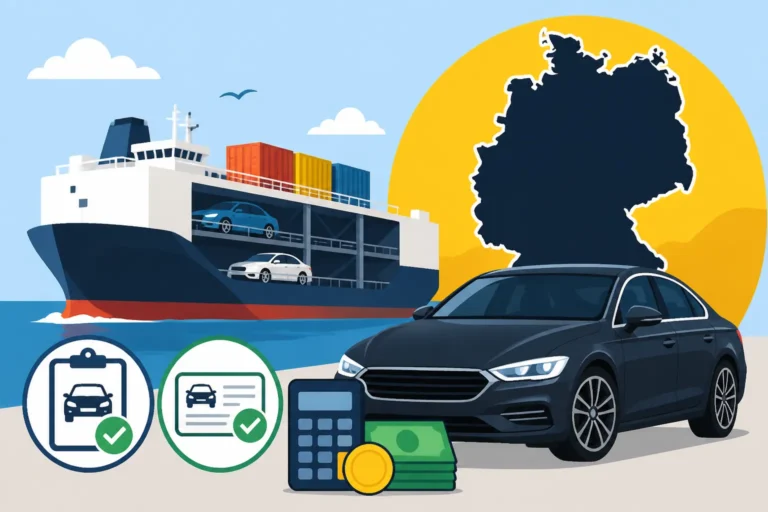
- Door-to-Door: This is the premium, full-service option, and what most expats truly need for peace of mind. The moving company handles almost everything: packing your items at your home in Latin America, transporting them to the port, managing customs clearance at both ends, shipping, transporting from the German port to your new address, and often even unpacking. While more expensive upfront, it consolidates all these services under one provider, reducing your stress, risk of error, and unexpected costs. When using a service like Sirelo, you'll generally be requesting door-to-door quotes because it offers the most comprehensive solution and helps you compare "apples to apples" when reviewing different moving companies' offers.
Understanding what's included in your quote is absolutely critical. A seemingly cheaper quote might only be port-to-port, leaving you with significant unforeseen expenses and tasks once your goods arrive in Germany. Always confirm the exact scope of services.
Here's a quick comparison of the main freight options:
| Feature | Sea Freight (LCL/FCL) | Air Freight |
|---|---|---|
| Cost | Most economical, especially for large volumes | Most expensive, suitable for small, urgent items |
| Transit Time | 4-8+ weeks (Latin America to Germany) | 3-10 days (Latin America to Germany) |
| Best For | Full household goods, furniture, non-urgent items | Essentials, high-value, fragile, urgent small items |
| Pricing Basis | Volume (cubic meters) for LCL, flat rate for FCL | Weight, or volumetric weight (whichever is greater) |
| Risk | Moderate handling, potential for longer delays | Minimal handling, less prone to delays |
| Environmental | Lower carbon footprint per item | Higher carbon footprint |
Deconstructing the Costs: What Really Drives Your Moving Bill
So, you’ve chosen your freight method, and you’re leaning towards door-to-door (smart choice!). But what exactly makes up that final figure on your moving quote? It’s not just the distance your stuff travels; there are several critical factors that can drastically swing your final bill. Understanding these elements will help you prepare your budget and avoid nasty surprises.
Volume and Weight: The Core Determinants
This is the biggest piece of the puzzle. International moving companies primarily charge based on the volume (measured in cubic meters, or CBM) of your belongings for sea freight, and weight (in kilograms) for air freight. However, for air freight, they often use "volumetric weight" which converts the space an item takes up into an equivalent weight – you'll be charged for whichever is higher, actual weight or volumetric weight. This is why that massive but lightweight box of fluffy pillows might cost more than you'd expect on a plane.
The more stuff you have, the higher your bill will be. It sounds obvious, right? But many expats underestimate just how much their "stuff" adds up to. A small one-bedroom apartment might be 10-15 CBM, a two-bedroom around 20-30 CBM, and a family home easily 40+ CBM. Every single box, every piece of furniture, and every appliance contributes to this volume. This is why decluttering before you even get a quote is so important. Do you really need that old sofa that might not fit or look good in your new German apartment, especially when you consider the cost of shipping it? Often, selling or donating items and buying new ones in Germany can be cheaper than shipping. This is a crucial early step, and platforms like Sirelo will ask for your estimated volume to give you initial quotes, so getting a realistic number is vital.
Customs Duties, Taxes, and German Import Regulations
Ah, customs! This is where things get truly complex and can significantly add to your costs if not handled correctly. When you move your primary residence to Germany, you generally benefit from an exemption on import duties and VAT (Value Added Tax) for your personal household goods. This is a huge relief! However, there are strict conditions you need to meet to qualify for this "transfer of residence relief" (known as Übersiedlungsgut in German).
Typically, to qualify:
- You must have lived outside the EU for at least 12 months.
- The goods must have been in your possession and used by you for at least 6 months before moving.
- The goods must be intended for the same purpose in your new German residence.
- You cannot sell, lend, or dispose of the goods for 12 months after importing them into Germany.
- You must submit an application to German Customs, usually before your goods arrive.
If you don't meet these criteria, or if you're importing new items (e.g., a brand new TV purchased just before your move) or items not considered "household goods" (like commercial goods, excessive alcohol, or tobacco), you will likely be liable for import duties and the current German VAT rate (currently 19%). The necessary documents include your residence permit for Germany, proof of previous residence, an inventory list, and a completed customs application form. Your chosen moving company found via Sirelo should be able to guide you through this process and help you prepare the correct documentation to ensure a smooth customs clearance. Neglecting this step can lead to significant delays and storage fees at the port. For general financial planning as an expat, our Money Matters in Germany: Complete Financial Guide for Expats can provide additional context on taxes and financial regulations.
Insurance and Additional Services
While you might be tempted to cut corners, skimping on insurance for an international move is a risk I wouldn't recommend. Your personal belongings are traveling thousands of miles, crossing oceans, and being handled multiple times. Accidents, although rare with reputable movers, can happen.
Most moving companies will offer different levels of transit insurance:
- Basic Liability: This is usually minimal, based on weight, and often nowhere near the actual value of your items.
- All-Risk Coverage: This is highly recommended. It covers loss or damage from almost any external cause, provided your items were packed professionally or to a high standard. The cost is typically a percentage of your declared value (e.g., 1-3%). Make sure you understand the deductible and exactly what is covered.
Beyond insurance, several optional services can impact your final quote:
- Professional Packing and Crating: While you can pack yourself, professional packers are experienced in international shipping standards, which often reduces the risk of damage and might even be a requirement for insurance coverage on fragile items. Crating is essential for very delicate or valuable items.
- Dismantling and Reassembling: Do you have large furniture that needs to be taken apart and put back together? This is an extra service. Remember that German apartments often come unfurnished, sometimes even without a kitchen, so you'll be dealing with this aspect quite a bit. Check out Furnishing a German Apartment and the Empty-Kitchen Problem for more insights on this.
- Storage: If your new home isn't ready when your goods arrive, you might need short-term or long-term storage, either at origin or destination. This will add to your costs.
- Special Item Handling: Pianos, artwork, antiques, or vehicles require specialized handling, packing, and potentially specific permits, all of which will increase the cost.
Always compare quotes from Sirelo carefully, making sure you know exactly what services are included and what is extra. A seemingly higher quote might actually be more comprehensive, saving you headaches and unexpected fees down the line.
Practical Steps for a Smoother Move with Sirelo
Alright, you've got a grasp of the complexities and costs. Now, how do you actually make this daunting process as smooth as possible? It all comes down to planning, smart decisions, and leveraging the right resources. From a veteran expat’s perspective, these steps are your roadmap to a less stressful relocation.
Planning Ahead and Decluttering
This is not just a suggestion; it’s a commandment for international moves. Start planning your move at least 3-6 months in advance, if not more. This gives you ample time for research, budgeting, and, critically, decluttering. The less you ship, the less you pay – it’s that simple. Go through every single item in your home in Mexico or Latin America. Ask yourself:
- Have I used this in the last year?
- Can I easily replace it in Germany?
- Does it have deep sentimental value?
- Will it fit into the often smaller German living spaces?
- Is the cost of shipping it more than its worth, or more than buying a new one in Germany?
Many items, especially bulky furniture or older appliances, might actually cost more to ship than to replace. Consider selling what you don't absolutely need, donating to local charities, or giving things to family and friends. Not only will this reduce your shipping volume and cost, but it also simplifies packing and customs declarations. A comprehensive inventory of what you plan to take is crucial, both for budgeting and for future customs forms. This detailed list will be vital when you start getting quotes, as movers will base their estimates on your declared volume.
Getting Quotes and Choosing Your Provider
Once you have a clearer idea of what you’re taking (and what you’re leaving behind), it’s time to get quotes. This is where a service like Sirelo truly shines. Instead of contacting individual moving companies one by one, explaining your entire situation repeatedly, and then trying to compare wildly different formats of quotes, Sirelo streamlines the process.
Here’s how it typically works:
- Submit Your Details: You provide Sirelo with your origin (e.g., Mexico City) and destination (e.g., Berlin, Germany), the estimated volume of your goods, desired service level (door-to-door is highly recommended), and your desired moving date.
- Receive Multiple Quotes: Sirelo then connects you with several reputable international moving companies that specialize in moves from Latin America to Germany. You’ll receive tailored quotes directly from these companies. This comparison aspect is invaluable because pricing can vary significantly between movers based on their networks, current shipping schedules, and specific services.
- Compare and Ask Questions: Don’t just look at the bottom line. Scrutinize each quote. What exactly is included? Is it door-to-door? Does it cover customs brokerage fees? What about insurance? What are the payment terms? Ask about estimated transit times, potential surcharges (e.g., for difficult access at either property), and their policy on damaged goods. Read reviews of the companies. You're entrusting your entire life's possessions to these people, so choose wisely. Sirelo makes this comparison easy by presenting options in a clear format.
Remember that the cheapest quote isn't always the best. A slightly higher price often means better service, more comprehensive insurance, or more experienced staff, all of which can save you a lot of grief in the long run.
Preparing Your Belongings for International Transit
Once you've selected your moving company through Sirelo, the final stage before your goods begin their journey is preparation. This means proper packing and meticulous documentation.
- Packing: If you opt for professional packing (highly recommended), the movers will handle this. If you’re self-packing, use sturdy, double-walled boxes, plenty of packing material, and label every box clearly with its contents and the room it belongs in. This will make unpacking in Germany much easier. For fragile items, ensure they are individually wrapped and cushioned. Remember that your items will be loaded, unloaded, and potentially shifted multiple times during transit.
- Inventory List: This is perhaps the most critical document. Your moving company will help you create a detailed inventory list of everything you are shipping. This list needs to be accurate, comprehensive, and potentially translated into German for customs purposes. It will specify the contents of each box, furniture items, and their declared value. This inventory is essential for customs clearance and for any potential insurance claims. Do not underestimate the importance of this list; German customs are notoriously thorough.
- Personal Documents: Pack all your essential personal documents (passports, visas, birth certificates, marriage certificates, university degrees, driver's license, etc.) in a carry-on bag or separate, secure luggage that travels with you. Never ship original documents with your household goods. You'll need these to register your address (Anmeldung), open a bank account, and apply for your residence permit. You'll definitely want to keep your documents for your Germany Work Visa & Immigration Guide for Professionals or your Moving to Germany: Comprehensive Visa & Immigration Guide with you.
By following these practical steps, you’ll be much better equipped to manage your international move. Leveraging a platform like Sirelo from the outset simplifies the often opaque process of finding reliable, experienced movers and comparing transparent quotes, letting you focus more on the excitement of your new life in Germany and less on the logistics nightmare.
Choosing the right moving service through Sirelo truly makes all the difference when relocating your entire life from Mexico or anywhere in Latin America to Germany. They connect you with vetted professionals who understand the complexities of international freight, customs, and delivery, ensuring your transition is as smooth and stress-free as possible. Don't go it alone – let Sirelo guide you to the best moving solution for your needs! Once you're settled, you'll be diving into a new culture, and knowing a bit about German Culture & Etiquette: A Guide to Social Life and Customs will come in handy. And, of course, figuring out Housing in Germany: Renting, Buying, and Finding Your Home as an Expat will be a big next step.
Disclaimer
Please remember that I am an expat blogger and not a legal or financial professional. While I strive to provide accurate and up-to-date information based on my personal experiences and research, rules and regulations regarding customs, immigration, and moving costs can change frequently. Always consult with official German government websites, customs authorities, and professional moving companies for the most current and specific advice pertaining to your individual situation. This guide should be used for informational purposes only.