Delivery Day in a German Building: Stairs, Lifts, and Street Permits
Oh, the infamous "delivery day" in Germany! If you've just moved here, or are about to, you're probably already bracing yourself for the legendary German bureaucracy. But let me tell you, even the simplest task of getting a new couch or an entire kitchen delivered can turn into an epic saga if you're not prepared. This guide will walk you through everything you need to know to survive and conquer delivery day in a German building, from navigating permits to protecting your precious new belongings.
Disclosure: This post may contain affiliate links. We may earn a commission at no extra cost to you if you make a purchase through these links. Read full disclosure.
The German Delivery Dilemma: Why It's More Complicated Than You Think
You've finally found your dream Wohnung after tirelessly searching through listings on sites like Immobilienscout24, and you’ve even signed that intimidating Understanding German Rental Contracts: Key Terms and Conditions. Now, the fun part begins: furnishing it. But unlike in some countries where a delivery might mean a quick drop-off at your door, Germany adds a few unique layers of logistical challenge that can make you want to pull your hair out. It’s not just about getting an item from a warehouse to your address; it’s about fitting it into the unique quirks of German residential architecture and urban planning.
From the moment you click "order," you're entering a subtle dance with German efficiency and inflexibility. They do things by the book, which means understanding the "book" is half the battle. This isn't just about having your packages show up; it's about the bigger, bulkier items – the washing machine, the enormous Kleiderschrank, the American-sized fridge that suddenly seems monumental against a backdrop of narrow staircases. The cultural expectation is often that you, the recipient, are responsible for ensuring the delivery process is smooth, not just the delivery company. This often catches newcomers off guard, leading to frustrated drivers, missed deadlines, and hefty re-delivery fees. Don't let it happen to you!
The Tücken of Treppenhäuser (Stairwells) and Tiny Lifts
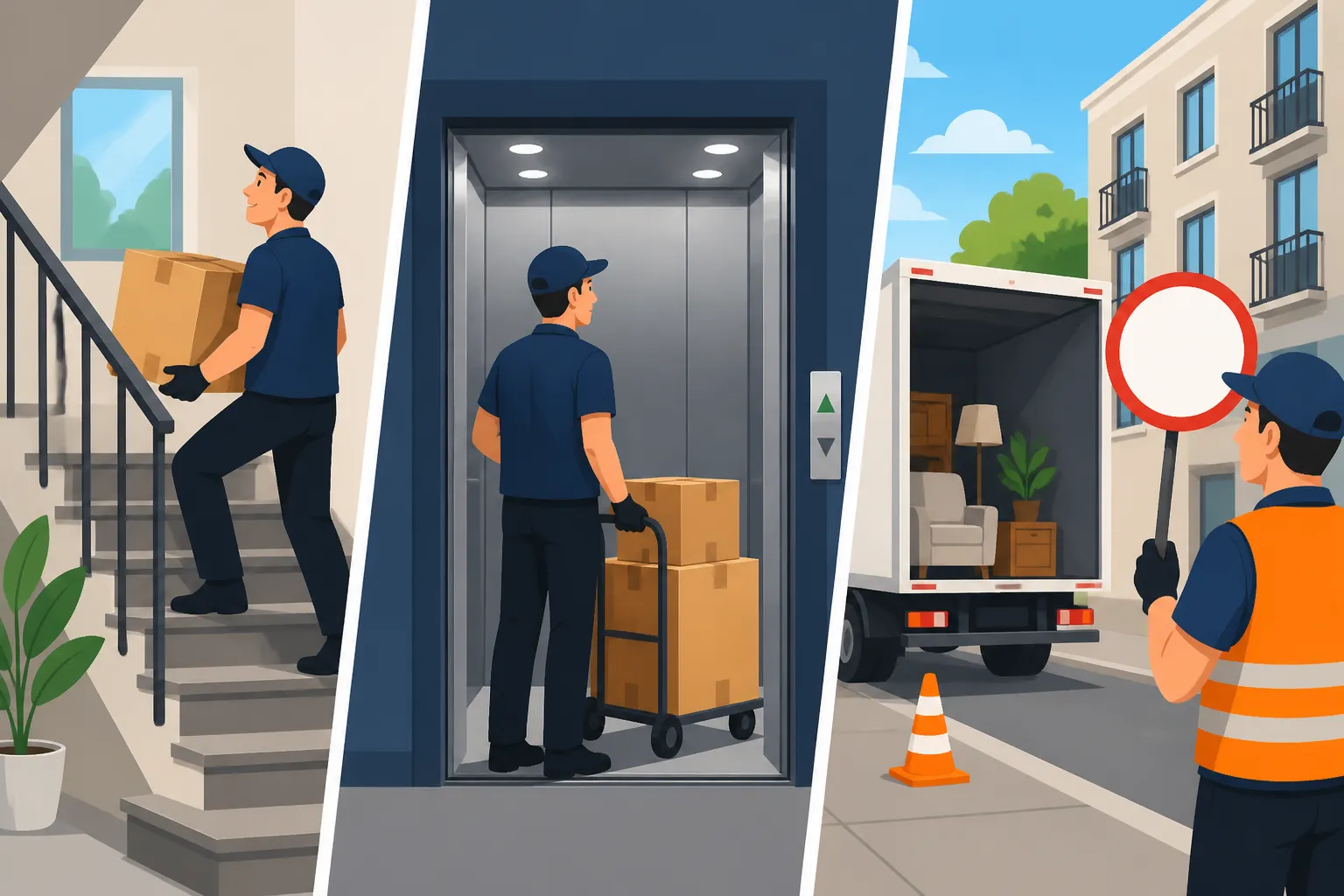
One of the biggest eye-openers for many expats is the sheer reality of German apartment buildings. While beautifully preserved, many older buildings weren't designed with modern, bulky furniture in mind. You might find yourself in an Altbau (old building) with a charmingly narrow, winding wooden staircase, barely wide enough for one person, let alone a large sofa. And then there are the lifts, or Aufzüge. Oh, the lifts! Often they are tiny, meant more for people and groceries than for furniture. I once saw a delivery team struggle for an hour with a new refrigerator that simply would not fit through the lift door, despite measuring it beforehand. They ended up having to hoist it up three flights of stairs, which cost the poor customer an extra 50 Euros on the spot and delayed other deliveries.
This is where the term Sperrgut (bulky goods) becomes very real. Standard delivery usually only covers curbside drop-off, or to the first lockable door of your building. If you live on the third floor and order a queen-sized bed, you'd better have a plan – and a strong back, or better yet, a pre-arranged "two-man delivery" (often for an extra fee) that specifies "delivery to point of use" ( Lieferung zum Verwendungsort). Always, always check what "delivery" actually entails when you order. Will they bring it into your apartment? Will they assemble it? These are crucial details that vary wildly between retailers and logistics providers. For international moves, this challenge is even greater. That's why services like Sirelo are invaluable, as they connect you with moving companies that explicitly understand these nuances and can offer services that go beyond mere drop-off, ensuring your belongings make it safely into your actual living space.
The Infamous Unfurnished Kitchen & Appliance Deliveries
Ah, the "empty kitchen" phenomenon. If you’ve been looking for Finding an Apartment in Germany: Best Websites and Tips for Expats, you’ve probably encountered this gem: apartments without a built-in kitchen (Einbauküche or EBK). This means when you move in, you're responsible for everything from the sink to the stove to the fridge. And guess what? These are exactly the items that pose the biggest delivery challenges.
Imagine you've bought a new oven and a dishwasher. They're heavy, awkward, and need to be connected. Standard delivery will drop them at your curb. Some retailers offer an "installation service," but that's a separate fee and often requires you to have all the necessary connections already in place. If you're buying from different stores, you're coordinating multiple, heavy deliveries, each with its own set of rules. This can be a huge headache, especially if you're not fluent in German or new to the local system. Trying to manage several independent contractors or delivery teams, all on different schedules, can feel like a full-time job. This is where comprehensive moving solutions, such as those offered via Sirelo, can save you immense stress. They can help coordinate not just your furniture, but also these heavy, essential appliances, often offering white-glove services that include placement and even basic setup, taking a massive load off your shoulders. Remember, getting your Household Appliance Guide: Voltage, Adapters, and Buying Electronics in Germany sorted before delivery is key.
Navigating the Logistics: Street Permits, Parking, and Delivery Windows
You might think parking is just a nuisance in a busy city, but for a delivery truck, it can be the difference between a smooth drop-off and a complete nightmare. German cities are meticulous about traffic and parking regulations, and ignoring them can lead to significant fines for the delivery company, which they will pass straight on to you. This is particularly true for larger deliveries that require a truck to park directly in front of your building for an extended period.
The average expat moving to Germany often doesn't even realize that coordinating space for a moving truck or large delivery vehicle is their responsibility. This isn't just about finding a spot; it's about making it legal and accessible. When I moved into my current apartment in Berlin, I completely underestimated this. My moving truck arrived, and there was absolutely no legal parking on my street. The driver was furious, and it took a frantic phone call to a German friend (and a quick explanation to a passing Ordnungsamt officer) to avoid a ticket, but the stress was immense. Don't be like me! Plan ahead.
Getting a Halteverbot (No-Parking Zone) Permit
For any significant delivery or move that involves a large truck needing more than a few minutes at the curb, you'll need a Halteverbot permit. This literally creates a temporary no-parking zone directly in front of your building. This isn't just a suggestion; it's a legally enforced space that other cars cannot occupy. Applying for a Halteverbot is a bureaucratic step that many newcomers overlook, but it's vital for stress-free large deliveries. You usually apply for this permit with your local Bezirksamt or Ordnungsamt (district office or public order office), often several weeks in advance. The process typically involves submitting an application, paying a fee (which can range from €50-€150 depending on the city and duration), and then arranging for special "no parking" signs to be placed at least 72 hours before your delivery date. The signs themselves often need to be rented from a private company after the permit is approved.
This might sound like a lot of hassle for just a delivery, but trust me, it’s worth it. Without a Halteverbot, your delivery truck might have to park blocks away, leaving your movers or delivery personnel to lug heavy items much further, potentially incurring extra charges or even refusing to deliver altogether if the distance is too great. This permit also covers the street-facing portion of a scaffold or a furniture lift (an external elevator used to bring items through a window), which might be necessary for those impossible stairwells. When working with an international moving service like those found through Sirelo, they can often guide you through this process or even arrange the Halteverbot on your behalf as part of their comprehensive service, which is a lifesaver.
| Permit Type | Purpose | Where to Apply | Typical Lead Time | Cost (Estimate) |
|---|---|---|---|---|
| Halteverbot | Temporary no-parking zone for large deliveries | Local Bezirksamt | 2-4 weeks | €50 – €150 |
| Sondernutzung | Using public space (e.g., furniture lift) | Local Ordnungsamt | 2-4 weeks | Varies |
| Gerüstgenehmigung | Scaffolding for facade work / access | Local Bezirksamt | 4-8 weeks | Varies |
Understanding Delivery Types and Services
German retailers and moving companies offer various delivery options, and understanding them is crucial.
- Standardlieferung (Standard Delivery): This is usually the cheapest option. It means your item will be delivered curbside (to the edge of your property) or frei Bordsteinkante. Sometimes it includes "to the first lockable door" (frei Verwendungsstelle or frei Haus), but don't assume. If you've ordered a fridge, it will literally be left on the pavement outside your building. You are then responsible for getting it inside your home.
- 2-Mann-Lieferung (Two-Man Delivery): Highly recommended for heavy, bulky items. This service usually means two delivery persons will bring the item into your apartment, often to the room of your choice. Always confirm this.
- Lieferung zum Verwendungsort (Delivery to Point of Use): Similar to 2-Mann-Lieferung, specifying that the item will be brought to its intended room. Crucial for large appliances or furniture.
- Inklusive Montage (Including Assembly): For furniture, this means they will assemble the item for you. This is a premium service but can save hours of frustration, especially with flat-pack German furniture, which often rivals IKEA in complexity.
- Altgerätemitnahme (Old Appliance Take-Away): If you're replacing an appliance, many retailers offer to take away your old one for a fee. This is convenient for proper disposal.
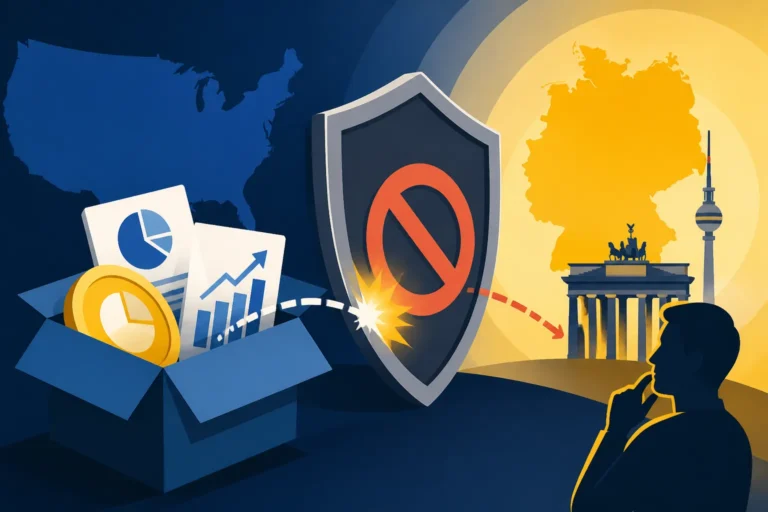
When you're trying to coordinate an entire household's worth of items, especially if you're coming from abroad, juggling these options with different vendors can be a logistical nightmare. This is where an experienced moving partner becomes invaluable. Platforms like Sirelo connect you with reputable German and international movers who can manage all these intricate details, ensuring everything from your smallest box to your largest appliance arrives where it needs to be, with the right service level. They'll also be able to advise on things like customs for international moves, which you can read more about in Moving Your Belongings to Germany: Customs Duties and Tax-Free Imports for New Residents.
Your Delivery Day Checklist: Preparing for a Smooth Arrival
Once all the permits are in place and you've selected your delivery options, it's time for the actual delivery day. Even with all the planning, this day can be fraught with unexpected moments. Being well-prepared on the ground can make all the difference.
I recall a friend of mine, newly arrived in Munich, had her entire kitchen delivered. She'd arranged the Halteverbot and the 2-Man delivery. Yet, when the truck arrived, the driver refused to bring the items past the ground floor because the communal stairwell was too narrow for one particular cupboard. A swift decision was needed. Luckily, she had a contingency plan – a friendly neighbor with tools and strong arms. Without that, she would have faced a re-delivery fee and a delay in getting her kitchen installed. These are the real-life scenarios that can derail even the best-laid plans.
Communication is Key: Speaking with Your Delivery Crew
One of the biggest anxieties for expats on delivery day is the language barrier. Most delivery drivers and crews will primarily speak German, and while many might have basic English, complex instructions or unexpected issues can quickly become frustrating. If your German isn't up to snuff, consider these strategies:
- Prepare Key Phrases: Have a cheat sheet of phrases like "Where should this go?", "Please be careful," "This is too heavy for one person," "Can you wait five minutes?", or "I need to call someone."
- Visual Aids: Use sticky notes in German on doors or rooms indicating where items should be placed (e.g., "Küche" for kitchen, "Schlafzimmer" for bedroom).
- Enlist a German-Speaking Friend: If possible, have a German-speaking friend or colleague on standby, or even present, to help bridge any communication gaps. This can alleviate immense stress.
- Utilize Translation Apps: Apps like Google Translate or DeepL can be lifesavers for quick, real-time communication.
Beyond language, ensure you have all relevant contact numbers handy – the delivery company's hotline, the specific driver's number if provided, and your moving coordinator's number if you're using a full-service provider like those associated with Sirelo. Proactive communication can prevent problems. Don't be afraid to call ahead on delivery day to confirm estimated arrival times.
On-Site Preparation: Protecting Your Home and Possessions
Before the delivery crew even sets foot in your apartment building, take some crucial steps to protect both your new home and your new belongings. German landlords and property managers can be very particular about damages, and you don't want to lose your Kaution over a scuff mark! You might also want to review your Home and Liability Insurance in Germany (Haftpflicht and Hausrat) to understand what is covered in case of accidental damage during delivery.
Here's your pre-delivery checklist:
- Clear Pathways: Ensure all hallways, stairwells, and the route into your apartment are completely clear of obstacles. Remove any rugs, small furniture, plants, or anything that could be tripped over or damaged.
- Protect Surfaces: Lay down old blankets, cardboard, or heavy-duty plastic sheeting to protect floors (especially wood or tile) from scratches, dents, or dirt. Cover corners of walls in narrow hallways with cardboard or old towels to prevent scrapes from bulky items.
- Protect Doors: Prop open all internal doors or remove them if necessary, securing them out of the way to prevent accidental slamming or damage.
- Elevator Booking: If your building has a lift and it's large enough, check if you need to book it in advance or reserve it for a specific time slot with your building management (Hausverwaltung). Often, there are specific rules and sometimes even a booking fee.
- Inspect Upon Arrival: As items are brought in, inspect them immediately for any visible damage. If you spot anything, photograph it, note it on the delivery receipt, and inform the delivery crew on the spot. Don't sign anything confirming "received in good condition" if it's not. This is critical for any future claims or returns.
Being thorough in your preparation will not only make the delivery process smoother but also demonstrate respect for your new living space and the people doing the heavy lifting. After all, getting settled in Germany is about more than just your Registering Your Address (Anmeldung); it’s about making your apartment a true home.
When Things Go Wrong: Dealing with Damaged Goods and Disputes
Let's face it, despite all the best planning and preparation, sometimes things simply go awry. A box gets dropped, a table leg breaks, or a vital component is missing. Dealing with these issues in a foreign country can be intimidating, but knowing your rights and the typical process can empower you.
I once ordered a rather expensive wardrobe that arrived with a huge crack in one of the main panels. I was fuming! The delivery guys just wanted me to sign and be done with it. But because I had checked it immediately and insisted they note the damage on their paperwork, I had leverage. It still took weeks of back-and-forth emails and phone calls, but eventually, I got a replacement. Had I just signed without checking, it would have been nearly impossible to prove the damage wasn't my fault.
Reporting Damage and Missing Items
If you discover damage or missing items, act quickly.
- Document Immediately: Take clear, well-lit photos or videos of the damage from multiple angles. Note the date and time.
- Note on Delivery Receipt: This is paramount. If the damage is visible before the delivery crew leaves, write a clear note about it directly on their delivery receipt (Lieferschein). Ask them to sign it as well. If they refuse, make sure you still write it and take a photo of the signed receipt with your note.
- Contact the Seller/Shipper: Reach out to the retailer or moving company as soon as possible, ideally within 24-48 hours. Many companies have strict timelines for reporting issues. Provide them with your order number, photos, and a clear description of the problem.
- Keep All Packaging: Do not throw away any packaging, even if it looks undamaged. It might be needed for inspection or return.
For smaller items or general retail purchases, this is usually a straightforward process, though it might take time. For larger, more complex moves, especially international ones, working with a comprehensive service like Sirelo can be hugely beneficial. They often have dedicated customer support teams who can assist with claims and disputes, acting as an intermediary and ensuring your rights are protected throughout the process. This can save you from navigating complex German consumer protection laws and communicating with multiple parties in a foreign language.
Understanding Returns and Replacements in Germany
German consumer law is generally quite strong. For items bought online, you typically have a 14-day right of withdrawal (Widerrufsrecht), allowing you to return items without giving a reason. However, for large, heavy items, the cost of return shipping might fall on you, so always check the retailer's terms and conditions. If an item is genuinely damaged during transit or defective, the seller is usually responsible for arranging and covering the costs of return or replacement.
Be prepared for a back-and-forth, possibly involving more German paperwork, so understanding how to deal with Understanding German Bills and Letters: Decoding Official Mail can give you an edge in handling other types of official correspondence too. Persistence and clear documentation are your best friends here. Don't give up if the first response isn't what you want. Politely reiterate your case with your evidence. In some cases, if the issue escalates, you might consider reaching out to a consumer protection agency (Verbraucherzentrale) for advice, though this is usually a last resort. But with a solid moving service from Sirelo, you're less likely to hit these roadblocks in the first place, as they vet their partners for reliability and customer service.
Ultimately, navigating delivery day in Germany doesn't have to be a horror story. With a little foresight, an understanding of the local rules, and perhaps the right moving partner to lean on, you can turn a potentially stressful day into a smooth transition for your new life in Germany.
Disclaimer
Please note that while this guide provides general information and tips based on typical experiences in Germany, regulations and practices can vary by region, municipality, and individual service providers. It is always advisable to verify specific requirements with local authorities or the relevant companies. This information is for guidance purposes only and does not constitute legal or professional advice.