Keeping a Property at Home While Living in Germany: Paying Bills Remotely
Moving to Germany is an incredible adventure, but for many of us, it doesn't mean we completely cut ties with our home country. Often, that includes a property – maybe it's the house you grew up in, an investment apartment, or a place you simply couldn't bear to sell. The thought of managing mortgage payments, utility bills, and property taxes from thousands of miles away can feel overwhelming, a constant nagging worry on top of navigating German bureaucracy. This guide is here to walk you through the practicalities of keeping your home property afloat while you build your new life in Germany, with a special focus on making remote bill payments as seamless and stress-free as possible.
Disclosure: This post may contain affiliate links. We may earn a commission at no extra cost to you if you make a purchase through these links. Read full disclosure.
The Unique Challenge of "Long-Distance Landlording" from Germany
Let's be honest: living as an expat in Germany already throws enough administrative curveballs your way. From the Anmeldung to deciphering your first Nebenkostenabrechnung, it's a constant learning curve. Adding the complexities of managing a property back home can feel like juggling flaming torches while riding a unicycle. The frustrations are real, and believe me, you're not alone in feeling this strain. The time zone differences, the language barriers when calling customer service in your home country, and the sheer mental load of remembering different deadlines in different currencies can be utterly draining. It’s a completely different beast than simply managing your finances here in Germany.
Why German Expat Life Complicates Home Property Management
Imagine trying to call your home country's utility company during your lunch break in Germany, only to find they're already closed for the day because of the time difference. Or perhaps you receive an important letter about your property tax, but it's only in your home country's language, and you're still grappling with German grammar at your evening language classes. These aren't hypothetical scenarios; they're the everyday realities that make managing property abroad a unique challenge for German expats.
The German system, while efficient, demands a certain level of focused attention. You're busy getting your residence permit sorted at the Ausländerbehörde, learning to properly separate your Müll, and understanding the nuances of your health insurance. Each of these tasks requires mental bandwidth. When you then have to switch gears, translate documents from your home country, and navigate their unique bureaucratic processes, it's easy to feel stretched thin. This duality of administrative duties often leads to missed deadlines or costly mistakes, adding unnecessary stress to what should be an exciting chapter of your life.
Common Bills You'll Still Be Paying Back Home
So, what exactly are we talking about when we say "property bills" from afar? It's a surprisingly long list of recurring expenses that don't just magically disappear because you've moved to a new continent. You're likely dealing with:
- Mortgage Payments: Often the largest and most critical payment. Missing these has severe consequences, so a reliable, automated system is paramount.
- Property Taxes: These can vary widely by location and often have specific payment cycles (e.g., quarterly or annually) that you need to track.
- Homeowner's Association (HOA) Fees / Strata Fees: If your property is part of a managed community, these regular contributions cover shared maintenance and services.
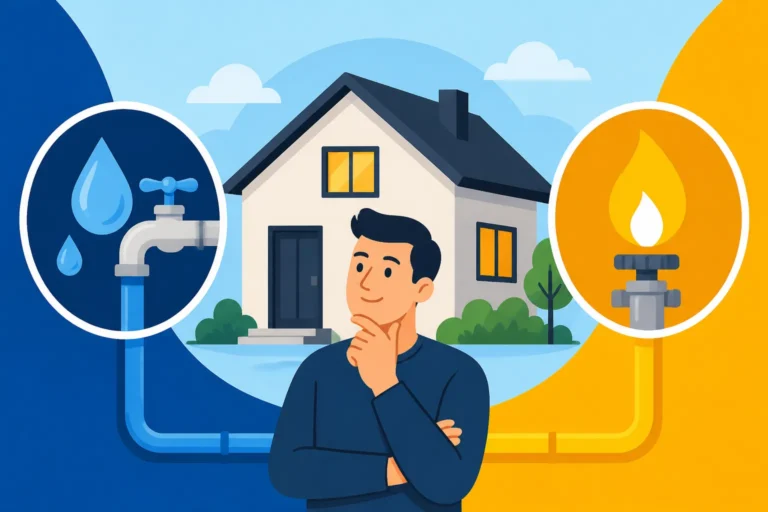
- Utilities: Electricity, gas, water, internet, and potentially even garbage collection fees. Even if the property is vacant, minimum charges or standing fees usually apply.
- Insurance: Homeowner's insurance, landlord insurance (if rented out), and sometimes separate flood or earthquake insurance, depending on your region. These are crucial for protecting your asset.
- Maintenance & Repairs: From routine lawn care to unexpected plumbing emergencies, there will always be costs associated with upkeep. These might not be monthly but need to be paid promptly when they arise.
- Management Fees: If you've hired a property manager (which we'll discuss later), their fees will be a recurring expense.
Each of these represents a potential headache if not managed correctly. Many require payments in your home currency, which brings us to the next big hurdle: currency exchange and international transfers.
Navigating Currency Exchange and International Transfers
One of the biggest financial drains and sources of frustration when managing a property abroad is the process of moving money between different currencies. You're effectively losing money twice: once on poor exchange rates and again on transfer fees.
The Hidden Costs of Traditional Banks
When you rely on traditional banks to send money from your German account to your home country's account to cover bills, you're often getting the short end of the stick. Banks typically operate with a layered fee structure that isn't always transparent:
- Unfavorable Exchange Rates: This is the sneakiest cost. Banks often add a significant markup to the mid-market exchange rate (the "real" rate you see on Google or Reuters). For example, if the real rate is 1 EUR = 1.08 USD, your bank might offer you 1 EUR = 1.05 USD. That seemingly small difference adds up to a substantial loss over multiple transfers and large sums.
- Fixed Transfer Fees: Many banks charge a flat fee per international transfer, regardless of the amount. This might be €15, €25, or even more. While a small fee for a large transfer, it becomes disproportionately expensive for smaller, more frequent bill payments.
- Recipient Bank Fees: Sometimes, your recipient bank in your home country will also levy a fee for receiving an international transfer, further eroding the amount that actually arrives.
- SWIFT Network Costs: Traditional international transfers often use the SWIFT network, which can involve intermediary banks. Each of these banks might take a small cut, leading to unpredictable final amounts and longer transfer times.
Imagine needing to send €1000 for a mortgage payment. With a poor exchange rate, you might lose €20-€30 before any fees are even applied. Then, add a €25 transfer fee. Suddenly, your €1000 payment has cost you €1050 or more from your German earnings, just to get it to your home country. This financial bleed is something you absolutely want to avoid, especially when you're diligently budgeting for your new life here in Germany. For those exploring options for larger transfers or managing various financial aspects, understanding the landscape of Transferring Money Internationally: Cheapest Ways to Send Money Abroad is invaluable.
Making Wise Your Go-To for Seamless Payments
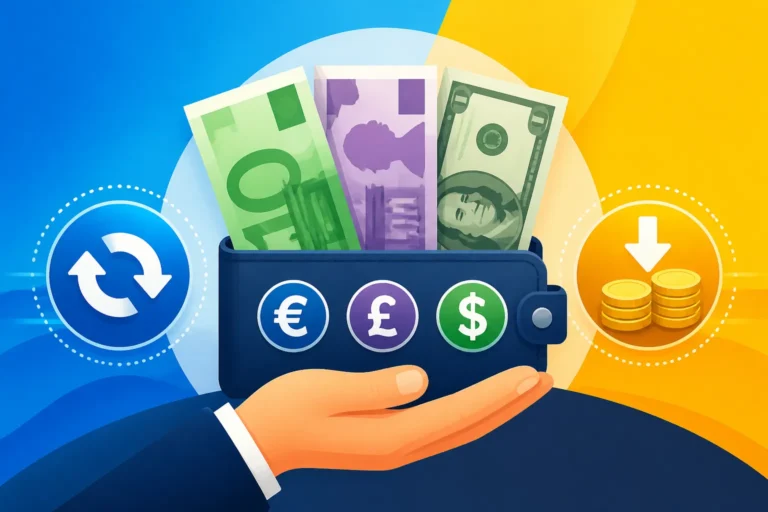
This is where a service like Wise (formerly TransferWise) truly shines and becomes your hero in managing finances from afar. Wise was built specifically to tackle these very frustrations for expats, freelancers, and anyone needing to move money internationally without being ripped off. It cuts through the complexity and opacity of traditional banking.
Here’s why Wise is so indispensable for managing your home property bills:
- Real Exchange Rates: Wise uses the true mid-market exchange rate, the one you see on independent financial platforms. They don't inflate it to make a profit. This alone can save you a significant amount of money compared to traditional banks.
- Transparent, Low Fees: Instead of hidden markups, Wise charges a small, upfront fee that is clearly stated before you initiate the transfer. You always know exactly how much you're paying and how much your recipient will receive. This transparency is a breath of fresh air compared to the guesswork of bank transfers.
- Multi-Currency Account (formerly "Borderless Account"): This feature is a game-changer. You can open local bank details (like an account number and routing number) in various currencies – including USD, GBP, CAD, AUD, and many more – directly from your Wise account. This means you can effectively hold funds in your home currency within Wise and use those local details to set up direct debits for your bills in your home country, bypassing international transfers altogether for some payments.
- Speed: Wise transfers are often incredibly fast, with many reaching their destination within hours, or even minutes. This is crucial for urgent bill payments or unexpected repairs, giving you peace of mind that your money will arrive when needed.
- Debit Card: Wise also offers a debit Mastercard, which can be linked to your multi-currency balances. This card can be incredibly useful for making payments directly in your home country's currency or withdrawing cash, again at the real exchange rate.
Let's revisit our €1000 example. With Wise, you might pay a small fee of, say, €5-€8, and your money is converted at the real exchange rate. Suddenly, your €1000 payment has only cost you €1005-€1008, a huge saving compared to traditional banks.
You can set up recurring transfers directly from your German bank account to your Wise multi-currency account, or even initiate one-off transfers directly to your home country's bill recipient. For instance, if your mortgage is due in USD, you can send EUR from your German account via Wise, and it arrives as USD in your US bank account (or directly to your mortgage provider) with minimal fuss. For utility bills in CAD, you can send EUR and have it converted and deposited as CAD. Wise truly simplifies the process, making it feel less like a transatlantic financial operation and more like a local transaction.
| Feature | Traditional Bank Transfer (Example) | Wise (Example) |
|---|---|---|
| Exchange Rate | Marked up (e.g., 1 EUR = 1.05 USD vs. 1.08 USD) | Mid-market rate (e.g., 1 EUR = 1.08 USD) |
| Transfer Fee | Fixed fee (e.g., €25-€35) | Variable, low fee (e.g., 0.43% + €0.50) |
| Recipient Fees | Possible (e.g., €10-€15) | Rare/none |
| Speed | 1-5 business days | Same day to 1 business day (often minutes) |
| Transparency | Often vague, hidden fees | Clear breakdown, "What you see is what you get" |
| Multi-Currency Acc | No, separate bank accounts needed | Yes, local account details in multiple currencies |
| Ease of Use | Can be complex, in-person visits needed | User-friendly app/website, fully online |
Setting Up Reliable Remote Payment Systems for Your Property
Once you've wrapped your head around currency exchange, the next step is to establish robust payment systems that work for you, even when you're asleep in Germany and your home country is in full swing.
Automating Payments for Regular Bills
Automation is your best friend when managing bills from a distance. For recurring, fixed payments like mortgages, property taxes, HOA fees, and recurring insurance premiums, setting up automated payments is paramount for peace of mind.
- Direct Debits: If your home country's bank offers direct debits, and you've utilized Wise's multi-currency account to get local bank details (e.g., a US routing and account number), you might be able to set up direct debits directly from your Wise account for some bills. This is ideal because the biller pulls the money directly, reducing the chance of you forgetting. You'd simply need to ensure your Wise balance for that currency is topped up.
- Recurring Transfers: For bills where direct debit isn't an option, or if you prefer more control, you can set up recurring manual transfers. Most online banking platforms in Germany allow you to schedule regular transfers to an international account like Wise, which then automatically converts and forwards the funds to your home account or directly to the biller.
- Online Bill Pay Portals: Many utility companies and service providers in various countries offer online portals where you can log in and pay bills directly using a linked bank account or debit/credit card. By using your Wise debit card or topping up a local Wise account to pay through these portals, you maintain control while leveraging Wise's favorable rates.
The key to automation is regular monitoring. Even with the best systems in place, anomalies can occur. Make it a habit to check your bank statements (both German and your home country's or Wise's multi-currency statement) once a month. This ensures everything is running smoothly and catches any potential issues early. This level of transparency is far superior to trying to decipher complex banking statements from various countries. While in Germany, you'll become quite familiar with Understanding German Bank Statements: Fees and Transactions Explained, so apply that same diligent approach to your overseas finances.
Handling Irregular and Unexpected Property Expenses
Life, and property, is full of surprises. A leaky roof, a broken appliance, or an unexpected assessment from your HOA – these irregular expenses require swift action and reliable payment methods.
- Quick Transfers with Wise: For these ad-hoc payments, Wise truly shines. If your trusted contact back home calls to say the boiler just burst and needs immediate replacement, you can log into your Wise app or website, initiate a transfer from your German account, and have the funds arrive in your contact's local account (or directly to the plumber's) often within minutes or hours. This speed and reliability can be a lifesaver in an emergency, preventing further damage or delays.
- Pre-funding a Local Account: Some expats choose to keep a small buffer of funds in a local bank account in their home country, which they can top up periodically using Wise. This provides a quick source of funds for minor, unexpected expenses without needing to initiate a transfer every single time.
- Coordinating with a Trusted Contact: For larger, urgent repairs, having a trusted person on the ground (a family member, friend, or ideally, a professional property manager) who can handle the immediate payment using their local card/account, and then be reimbursed by you via a swift Wise transfer, is crucial. This person acts as your eyes and hands, ensuring things get done without you having to travel back. Wise facilitates this reimbursement quickly and efficiently.
Leveraging Local Accounts and Digital Wallets
Depending on your home country, there might be additional ways to streamline payments using local accounts and digital wallets.
- Home Country Bank Account: While Wise significantly reduces the need for expensive international bank transfers, sometimes maintaining a basic local bank account in your home country is still beneficial. It can be easier for certain local direct debits, receiving rental income (if applicable), or for your trusted contact to use. You can then efficiently fund this account from Germany using Wise whenever needed.
- Digital Wallets (e.g., PayPal, Venmo, local payment apps): Many countries have their own popular digital payment platforms. If these are widely used by service providers or individuals in your home country, you might be able to link your Wise debit card or a local Wise account to these wallets. This allows you to make quick, often fee-free, payments within that digital ecosystem. This is a bit like how Mobile Banking Apps in Germany: N26, Revolut, and More simplify local transactions here, but adapted for your home country. Always check the specific fees and currency conversion rates for international payments within these platforms, as they can sometimes be less favorable than Wise directly.
Tax Implications and Administrative Considerations
Managing a property from Germany isn't just about moving money around; it also involves crucial legal and tax considerations that you absolutely cannot ignore. German tax authorities are thorough, and you need to be prepared.
Declaring Foreign Property on German Taxes
This is a non-negotiable point: if you own property outside Germany, you are generally required to declare it on your German tax return. This isn't just about rental income (if you're renting it out); it's about owning an asset. Germany has tax treaties with many countries designed to prevent double taxation, meaning you typically won't pay tax twice on the same income. However, the property and any income derived from it will usually still be considered for your overall income tax rate calculation in Germany.
The specifics can be complex. For example, some treaties use the "exemption with progression" method, where foreign income is exempt from German tax but increases the tax rate applied to your taxable income in Germany. Other treaties might allow a direct credit for taxes paid abroad. It's a nuanced area, and honestly, trying to navigate it yourself can be a recipe for headaches. You absolutely need to understand Declaring Foreign Property on German Taxes: What Expats Need to Declare. For anyone in this situation, my strongest recommendation is to consult with a qualified German tax advisor (Steuerberater) who specializes in international taxation. They can ensure you're compliant and optimize your tax situation.
The Importance of a Trusted Local Contact
Even with the best digital tools, there are some things that simply require a physical presence. Having a trusted contact on the ground in your home country is invaluable. This could be:
- A Family Member or Close Friend: Someone you implicitly trust to check on the property, collect physical mail, coordinate with tradespeople, and possibly even handle minor issues or payments on your behalf.
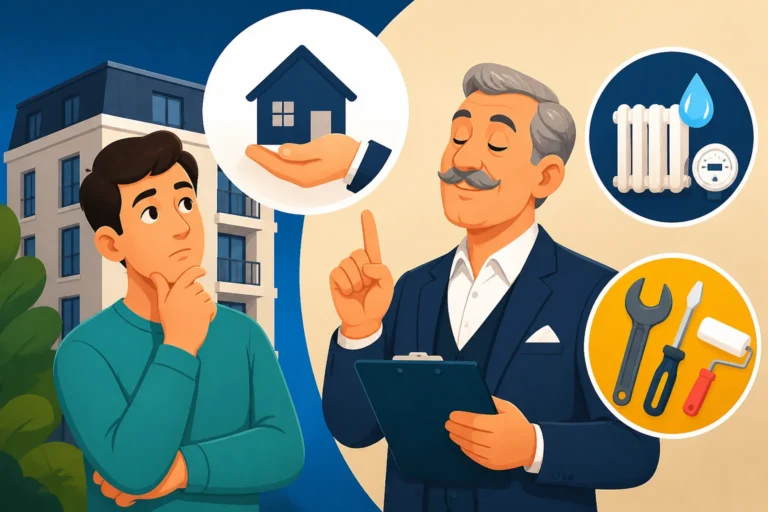
- A Professional Property Management Company: For those who don't have a reliable personal contact or prefer a hands-off approach, a property management company is a fantastic investment. They handle everything from finding tenants (if applicable) to collecting rent, arranging repairs, and ensuring legal compliance.
Regardless of who it is, clear communication is vital. Establish how often they should check in, what level of decision-making authority they have, and how they will be reimbursed for expenses (again, Wise is excellent for quick reimbursements). Consider drafting a formal agreement or even a limited Power of Attorney (Vollmacht) if they need to sign documents or interact with authorities on your behalf. This minimizes misunderstandings and protects both parties. For complex financial and legal matters, you might also consider if Hiring a Tax Advisor in Germany: Do You Need One? can extend to foreign property advice.
Keeping Records Meticulously
When you're dealing with finances across borders, meticulous record-keeping isn't just a good idea – it's essential. This is crucial for several reasons:
- Tax Compliance: Both German and your home country's tax authorities will expect clear documentation of all income and expenses related to your property.
- Financial Overview: Keeping track helps you understand your property's profitability (if rented) or its true cost of ownership.
- Dispute Resolution: Should any issues arise with tenants, contractors, or even neighbors, having a clear paper trail is invaluable.
Maintain a digital folder (e.g., on Google Drive, Dropbox, or a local hard drive) where you store scans or digital copies of:
- All property deeds, mortgage documents, and insurance policies.
- Every single bill received and paid (utilities, taxes, HOA fees).
- Receipts for any repairs or maintenance.
- Rental agreements, communication with tenants, and rent payment records (if applicable).
- All transaction records from your bank and services like Wise, clearly showing amounts, dates, and currencies.
Tools like Wise provide comprehensive transaction histories that are easy to export, which greatly simplifies this task. Organize these records by year and category, making them easily searchable. For those with rental income, understanding Tax Implications of Renting Out Your Property Back Home while Living in Germany will demand particularly robust record-keeping.
Practical Tips for a Stress-Free Remote Property Management
Beyond the financial and administrative hurdles, there are many practical steps you can take to make your long-distance property management less of a burden.
Regular Property Checks and Maintenance Schedule
Out of sight, out of mind? Not with property! Even if you're not physically there, establishing a routine for checks and maintenance is critical.
- Scheduled Visits by Your Contact: Have your trusted local contact visit the property regularly – perhaps once a month or every other month – just to do a quick visual inspection. They can check for obvious issues like leaks, pest infestations, or signs of forced entry.
- Preventative Maintenance: Proactive maintenance is almost always cheaper than reactive repairs. Create a seasonal checklist for your contact or a handyman to follow:
- Spring: Check gutters, inspect roof for winter damage, test smoke detectors, service HVAC.
- Summer: Trim landscaping, check for insect nests, inspect outdoor structures.
- Autumn: Prepare irrigation for winter, clean leaves, inspect windows/doors for drafts.
- Winter: Test heating system, check pipes for freezing risk.
- Digital Communication with Tradespeople: For larger maintenance tasks, empower your local contact to solicit quotes from trusted local tradespeople. You can then review these digitally and approve them. When it's time to pay, you guessed it – Wise can facilitate quick and easy payments directly to the contractor's bank account, even if they're in a different currency. This means repairs can be authorized and paid for without long delays.
Staying Informed About Local Regulations and Market Changes
Property laws, local taxes, and rental market conditions can shift, and being out of the country means you're more susceptible to missing critical updates.
- Subscribe to Local News: Follow online news sources or local government announcements from your home area. Even if you just skim headlines, it can alert you to upcoming changes in property taxes, zoning laws, or new regulations for landlords.
- Engage with Local Forums/Groups: If your property is in a community with online forums or social media groups, consider joining them (or have your contact keep an eye on them). These can be a source of valuable information about local issues affecting property owners.
- Annual Review with Property Manager/Tax Advisor: If you use a professional property manager or a local tax advisor for your home country's taxes, schedule an annual call to discuss any regulatory changes or market trends that could impact your property. They are often the first to know.
Considering Professional Property Management
Let's face it: for many expats, the mental load of managing a property from Germany, on top of everything else, can become too much. This is where a professional property management company truly earns its fee.
- What they do: A good property manager will handle almost everything:
- Tenant Management: Finding and screening tenants, drafting leases, collecting rent, handling tenant complaints, and managing evictions if necessary.
- Maintenance & Repairs: Coordinating with contractors, overseeing work, and ensuring timely repairs.
- Financial Reporting: Providing detailed statements of income and expenses.
- Legal Compliance: Ensuring your property adheres to local landlord-tenant laws and regulations.
- Cost vs. Benefit: While property management fees (typically 8-12% of gross rental income, or a flat monthly fee for vacant properties) might seem high, consider the value of your time, peace of mind, and the potential costly mistakes you could avoid. They are experts in their local market and laws, which is a huge asset when you're thousands of kilometers away.
- Streamlining Payments to them with Wise: Even your property manager's fees can be efficiently handled using Wise. You can set up a recurring transfer from your German account to pay their monthly fee in your home currency, directly into their local bank account, minimizing currency conversion costs and ensuring they're paid on time. This is yet another example of how Wise simplifies cross-border finances, turning a potential logistical nightmare into a manageable automated process.
Ultimately, keeping a property at home while living in Germany is entirely feasible, but it requires a structured approach, reliable financial tools like Wise, and a trusted support system. By being proactive and organized, you can enjoy your expat life in Germany without constantly worrying about your property back home.
Disclaimer
The information provided in this article is for general guidance only and does not constitute legal, financial, or tax advice. While we strive to provide accurate and up-to-date information, individual circumstances vary greatly. It is crucial to consult with qualified professionals, such as a tax advisor, financial planner, or legal expert, both in Germany and your home country, for advice tailored to your specific situation regarding property ownership, tax obligations, and financial management. We are not liable for any actions taken based on the information provided herein.