Direct Billing vs Pay-and-Claim at German Clinics: What to Expect
Oh, the joy of German healthcare bureaucracy! If you're anything like I was when I first landed here, the thought of needing a doctor, let alone figuring out how the bill gets paid, probably sent shivers down your spine. The whole "direct billing" versus "pay-and-claim" saga is a major source of confusion and stress for so many expats. But don't you worry, my friend, because we're going to break down this often baffling system, validate your frustrations, and help you navigate German clinics with a bit more confidence. This guide will walk you through the ins and outs, so you know exactly what to expect.
Disclosure: This post may contain affiliate links. We may earn a commission at no extra cost to you if you make a purchase through these links. Read full disclosure.
The German Healthcare Billing Labyrinth: A Familiar Frustration
Let's be honest, the German administrative system, while efficient in its own unique way, can feel like a labyrinth designed specifically to test your patience and German language skills. Healthcare billing is no exception. You're trying to get better, or just get a check-up, and suddenly you're faced with forms, invoices, and payment requests that look like they're written in another language – because they often are! This isn't just a minor inconvenience; it's a significant source of anxiety, especially when you're unwell.
Public Health Insurance GKV and the Simple Life Mostly
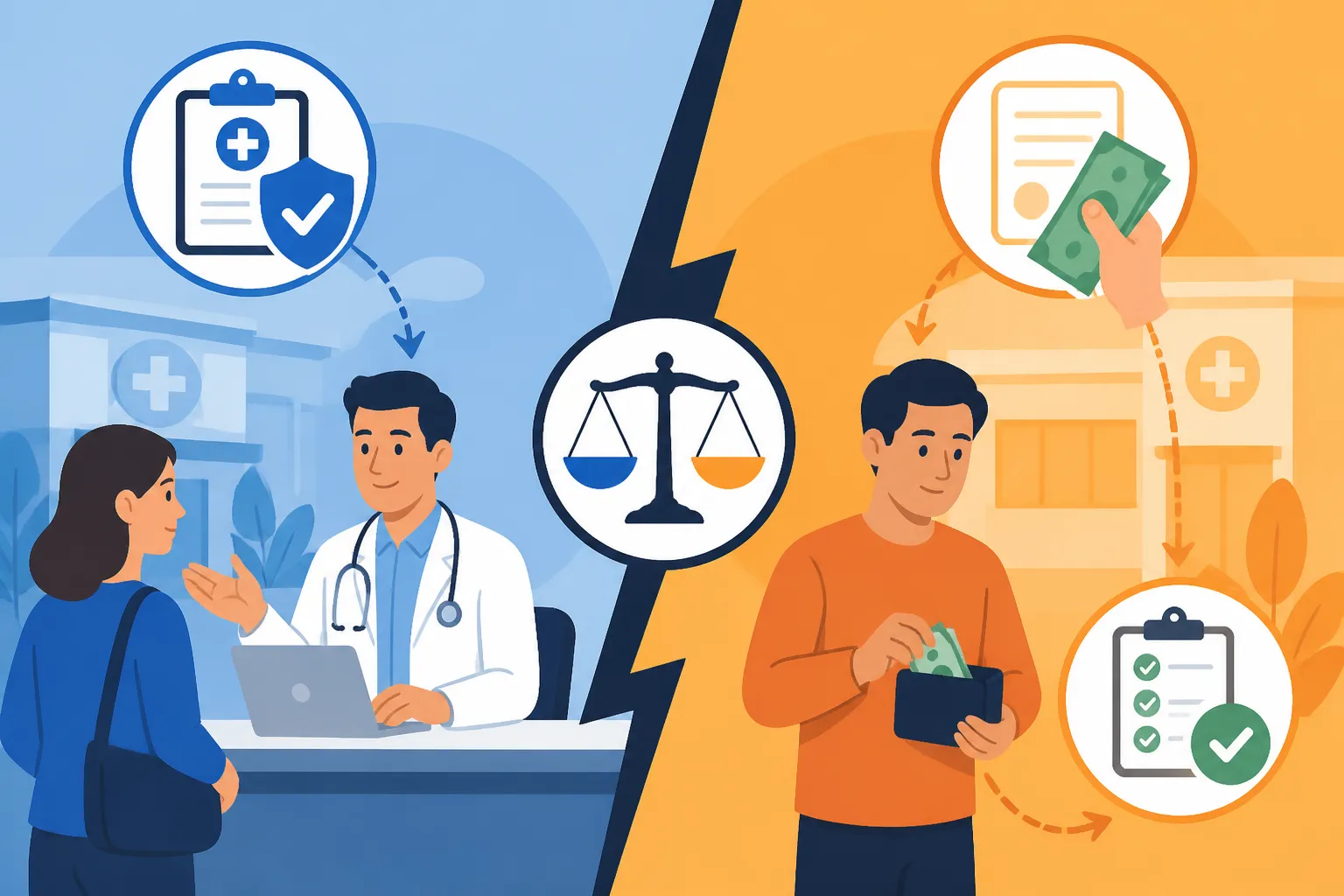
If you're fortunate enough to be enrolled in the public health insurance system, known as Gesetzliche Krankenversicherung (GKV), you've already sidestepped a good chunk of the billing headaches. For the most part, public insurance works on a direct billing model. When you walk into a doctor's office or a hospital, you simply present your Gesundheitskarte – your electronic health card. The clinic then bills your Krankenkasse (health insurance provider) directly.
This means you usually don't see an invoice for the doctor's visit itself. It’s pretty seamless, and frankly, it's one of the major perks of being in the GKV system. There are, of course, exceptions. You might have a small co-payment for prescriptions (Rezeptgebühr) at the Apotheke, or for certain medical aids. Dental care can also sometimes involve extra costs if you opt for treatments beyond the basic coverage. But in general, for standard medical appointments, you're looking at a mostly hands-off experience after flashing your card. It's a comforting thought, even if the system has its own quirks when it comes to booking appointments or finding specialists. If you want to know more about the broader system, check out our comprehensive guide on Healthcare in Germany: A Comprehensive Guide for Expats.
The Private Health Insurance PKV Predicament: Where the Waters Get Murky
Now, if you're covered by private health insurance, or Private Krankenversicherung (PKV), things get a bit more… interesting. And by interesting, I mean often infuriating and financially stressful. This is where the whole "direct billing vs. pay-and-claim" debate really heats up, and where many expats feel truly lost. With PKV, the expectation is often that you are the direct client of the doctor or hospital, not your insurance company. This means you will receive the bill directly, often a few weeks after your appointment.
Imagine this: you've just had a consultation, maybe a blood test, and you feel a sense of relief. Then, a few weeks later, a thick envelope lands in your mailbox, filled with German medical jargon and a bill for hundreds of Euros. The immediate reaction is usually panic, followed by a scramble to figure out what it all means and how to get your money back. It's a rite of passage for many private patients in Germany, and it’s a valid source of frustration. Understanding Health Insurance in Germany: Understanding Public vs Private Coverage is crucial here.
Deciphering "Direktabrechnung" Direct Billing at German Clinics
Let's dive deeper into what direct billing actually entails and why it's such a coveted, yet often elusive, beast for private patients.
What Direct Billing Truly Means for You
In the purest sense, Direktabrechnung means the medical service provider (doctor, clinic, hospital) sends their invoice directly to your insurance company. You, the patient, are largely out of the loop financially, except maybe for a small co-payment or a specific agreement with your insurer. For those with public insurance, this is the default. Your Gesundheitskarte facilitates this.
For private patients, true direct billing is a rare luxury for routine care. It does exist in some specific circumstances, often involving larger, planned treatments or hospital stays where your private insurer might have a direct agreement with the facility. Sometimes, if you're dealing with very internationally-oriented clinics or specific types of travel insurance, they might offer direct billing. This is where a company like SafetyWing often steps in. While primarily a travel medical insurance, for those in transitional periods or specific expat scenarios, its clear claim process can make the experience feel closer to direct billing, even if you are submitting the claim yourself. They focus on making the reimbursement process as straightforward as possible, alleviating a lot of the usual Selbstzahler stress.
When Direct Billing Is Possible and When It Is Not
For GKV members, as mentioned, direct billing is the standard. You show your card, get treated, and usually walk out without having to worry about an invoice. This simplicity is often why many expats prefer public insurance once they're eligible.
For PKV members, it's a different story. For your regular Hausarzt (GP) visit, seeing a specialist, or getting minor procedures done in an outpatient setting, you will almost certainly receive the bill yourself. The doctor sends the invoice to you, and you are responsible for paying it, usually within a specified timeframe (e.g., 14-30 days).
However, there are exceptions, even for private patients:
- Emergencies: In a true emergency situation, especially if it leads to inpatient hospital care, the hospital might directly bill your private insurance. It's not guaranteed for all services, but for the immediate, critical care, this is often the case. Still, don't be surprised if you receive a detailed invoice for subsequent services or specialist consultations even after an emergency. Our guide on Medical Emergencies: What to Do and Where to Go in Germany can offer more insights.
- Pre-approved Major Treatments: If you are undergoing a major surgery, a lengthy rehabilitation program, or other expensive treatments that have been pre-approved by your private insurance, the facility might directly bill the insurer. This usually requires prior communication and agreement between the hospital and your insurance company.
- International Clinics: Some clinics, especially those catering specifically to expats and international patients, might offer direct billing options for private insurance. These are often English-friendly hospitals in Germany. It’s worth asking when you book an appointment if they have such arrangements.
- Travel Insurance / Temporary Plans: Providers like SafetyWing are designed for global citizens and digital nomads, offering flexible insurance that covers you while you're abroad. While not always a 'direct billing' service in the German sense for every single doctor's visit, their system is streamlined for you to pay upfront and then submit your claim easily. This minimizes the financial uncertainty, knowing their claim process is built for clarity and speed for their user base. For those transitioning into Germany or needing short-term flexible coverage, it's a popular choice.
In essence, expect to be a Selbstzahler (self-payer) if you have private insurance for most routine outpatient visits. This is where understanding the pay-and-claim process becomes absolutely vital.
Navigating the "Selbstzahler" Pay-and-Claim Route
So, you're a private patient, and you've just been handed or mailed a bill. Don't panic! This is the standard operating procedure for millions of privately insured individuals in Germany. You just need to know how to handle it.
The Standard Process for Private Patients
The pay-and-claim process follows a fairly consistent pattern:
- Receive the Invoice: After your appointment, you'll receive a detailed invoice (Rechnung) in the mail. This invoice will list all the services provided, itemized according to the German Fee Schedule for Doctors (Gebührenordnung für Ärzte – GOÄ). It will typically include the date of service, a description of the treatment, the GOÄ code for each service, and the cost.
- Review the Invoice: Take a moment to review the invoice. Does it accurately reflect the services you received? If anything looks off, don't hesitate to contact the clinic's billing department for clarification.
- Pay the Invoice: This is the part that often causes the most stress. You are legally obliged to pay this invoice within the stated payment period, usually 14 to 30 days. You'll typically find bank transfer details on the invoice. You can make this transfer via online banking from your German bank account. It's crucial not to delay payment, as late payments can incur additional fees or even legal action.
- Submit Your Claim to Insurance: Once you've paid the doctor, you then submit the original invoice (and proof of payment, though often not strictly necessary as your insurance will verify the payment directly with you or the doctor) to your private health insurance provider for reimbursement. Most private insurers have online portals or apps where you can upload photos or scans of your invoices, or you can send them via post.
- Receive Reimbursement: Your insurance company will process the claim and, assuming it's covered by your policy, will transfer the reimbursed amount directly to your bank account. This can take anywhere from a few days to a few weeks, depending on your insurer and the complexity of the claim. Our guide on How to Claim Reimbursement on German Private Insurance delves deeper into this.
This cycle of paying upfront and then claiming back can be financially challenging, especially if you have multiple appointments or expensive treatments. It requires careful budgeting and management of your finances. This is exactly why a straightforward claims process is so valuable. For instance, SafetyWing is known for its user-friendly digital platform for claims. They've designed it with the global traveler and expat in mind, making the submission process intuitive and transparent, which significantly reduces the headache associated with the pay-and-claim model.
Tips for a Smoother Pay-and-Claim Experience
While the pay-and-claim method might seem cumbersome, there are ways to make it less painful:
- Keep Everything Organized: Maintain a dedicated folder (digital or physical) for all medical invoices, receipts, and communication with your insurance. This is paramount, especially if you need to follow up or dispute a charge.
- Understand Your Policy: Know what your private health insurance policy covers and, more importantly, what it doesn't. Understand your deductible (Selbstbeteiligung) and any limits on specific treatments. Don't be afraid to read the fine print or ask your insurer directly.
- Communicate Preemptively: For any significant or expensive treatment (e.g., surgery, extended therapy, specialized diagnostics), it’s always wise to contact your private insurance before the treatment to get pre-approval or confirm coverage. This can save you from nasty surprises later.
- Check the Itemization: The GOÄ (Gebührenordnung für Ärzte) provides a standardized framework for medical fees. Familiarize yourself with how to understand German medical bills: decoding private invoices and co-pays. Each service will have a GOÄ number, and often a factor (Faktor) applied (e.g., 1.0x, 2.3x, 3.5x), which reflects the complexity or effort involved. While challenging to scrutinize every line, knowing that invoices follow this structure can give you some peace of mind.
- Choose an Expat-Friendly Insurer: Some private insurers are much better equipped to handle international clients, offering English-speaking support and streamlined digital claims processes. This is precisely where providers like SafetyWing shine, particularly for those who need a flexible, internationally-minded approach to their health coverage during their time in Germany or while traveling. Their focus on simplifying the claims experience for a global demographic makes a real difference.
- Utilize Digital Tools: Many modern insurers offer apps or online portals for submitting claims. This is often the quickest and most efficient way to submit your documents and track the reimbursement process.
Choosing the Right Coverage for Your Peace of Mind
Navigating Germany's healthcare system means understanding that your choice of health insurance isn't just about what's covered, but how it's covered. The billing mechanism, whether direct or pay-and-claim, significantly impacts your day-to-day experience.
Why Your Insurance Provider Matters
The difference between a smooth and a stressful experience with the pay-and-claim model often comes down to your insurance provider. Some companies are simply better at supporting expats through this process. They might offer:
- Multilingual Support: Access to customer service in English or other languages.
- Efficient Claims Processing: A track record of quick reimbursement and minimal bureaucratic hurdles.
- User-Friendly Interfaces: Intuitive online portals or mobile apps for submitting and tracking claims, and easy ways to Find Health Information in English: Trusted Websites and Hotlines in Germany.
- Transparency: Clear explanations of what's covered, what's not, and how the reimbursement process works.
This is where a provider like SafetyWing truly distinguishes itself. While primarily known for its travel medical and nomad insurance, it offers a distinct advantage for expats. Its policy is designed for global citizens who are often moving between countries or are in a transitional phase. They understand that direct billing in every country isn't always feasible, so they've built a robust, easy-to-use claims system that focuses on getting you reimbursed quickly and without unnecessary fuss. For anyone who values flexibility, clarity, and an internationally-minded approach to their health insurance, especially for temporary stays or when starting out in Germany, SafetyWing is an excellent choice. It essentially takes much of the guesswork and stress out of the pay-and-claim process, making it feel less like a burden.
Real-World Scenarios and Practical Advice
Let's look at a few common scenarios to illustrate the difference:
Scenario 1: Routine GP Visit for a Cold
- Public Insurance (GKV): You walk into your Hausarzt's office, present your Gesundheitskarte. The doctor examines you, prescribes medicine. You leave, head to the Apotheke with your prescription, pay a small Rezeptgebühr (e.g., €5-10 per item), and you're done. No bill from the doctor, only the small co-pay at the pharmacy.
- Private Insurance (PKV): You visit your GP. You receive treatment. A few days or weeks later, an invoice for €60-€150 (depending on services) arrives in your mail. You pay the doctor's bill from your bank account. Then, you submit the invoice to your private insurance via their app or portal. You wait a few days to weeks for reimbursement. This is a common situation, so having a simple claim process through SafetyWing can be incredibly helpful for managing these frequent, smaller claims.
Scenario 2: Emergency Room Visit
- Public Insurance (GKV): You arrive at the Notaufnahme (emergency room), present your Gesundheitskarte. You receive treatment. The hospital bills your Krankenkasse directly. You typically won't see a bill unless there are very specific follow-up treatments or items not fully covered.
- Private Insurance (PKV): For true emergencies, especially severe ones leading to hospital admission, the hospital may bill your private insurance directly. However, it's not a universal guarantee for all services within the emergency visit, and follow-up outpatient care will almost certainly be billed directly to you. In such cases, having clear documentation from the hospital and a simple claim submission process (like SafetyWing offers) is vital for efficient reimbursement.
Scenario 3: Planned Specialist Consultation (e.g., Dermatologist)
- Public Insurance (GKV): You get a referral (Überweisung) from your GP (though sometimes not strictly necessary for specialists like a gynecologist or ophthalmologist), book an appointment, present your Gesundheitskarte, get seen, and leave. The specialist bills your GKV directly. However, getting an appointment with a specialist can involve long wait times for specialists.
- Private Insurance (PKV): You book an appointment with a specialist (often with shorter waiting times). You get seen. A bill for services (e.g., €80-€250) arrives in the mail. You pay it, then submit it for reimbursement. Here again, the ease of the claim process with an insurer like SafetyWing can significantly reduce the administrative burden and stress.
The bottom line is: for most routine medical care as a privately insured person in Germany, be prepared to pay upfront and claim reimbursement. Understanding this from the start, and choosing an insurance provider that makes the claims process as seamless as possible, will save you a lot of grief. SafetyWing really stands out as a pragmatic choice for many expats, especially given its focus on straightforward digital claims and international coverage, offering that crucial peace of mind while you navigate the German healthcare landscape. Don't forget, regular health check-ups in Germany are always a good idea, regardless of your insurance type!
Summary of Billing in German Clinics
To make things a bit clearer, here's a quick overview of how billing generally works for different types of health insurance in Germany:
| Feature | Public Health Insurance (GKV) | Private Health Insurance (PKV) | SafetyWing (Travel Medical/Nomad) |
|---|---|---|---|
| Billing Method | Direct billing (clinic bills GKV directly). | Pay-and-Claim (patient pays clinic, then claims from PKV). | Pay-and-Claim (patient pays clinic, then claims from SafetyWing). |
| Patient Outlay | Little to none at point of service (except for co-pays). | Full cost upfront; reimbursement later. | Full cost upfront; reimbursement later. |
| Payment Time | N/A (clinic handles). | Patient must pay clinic invoice within 14-30 days. | Patient must pay clinic invoice as per terms. |
| Claim Process | N/A (clinic handles). | Submit invoice to PKV (online portal, app, mail). | Easy online submission via SafetyWing portal. |
| Reimbursement | N/A. | Varies (days to weeks), directly to patient's bank account. | Fast, directly to patient's bank account. |
| Documentation | Gesundheitskarte is sufficient for most visits. | Keep all original invoices and medical reports. | Keep all original invoices and medical reports. |
| Best For | Long-term residents. | Higher income, preference for private doctors, shorter wait times. | Digital nomads, new expats, temporary stays, travel. |
Disclaimer
Please remember, this guide provides general information based on my personal experience and extensive research as an expat in Germany. It is not financial, legal, or medical advice. The German healthcare and insurance landscape can be complex and rules can change. Always consult with an official insurance advisor, a legal professional, or your specific insurance provider for personalized advice regarding your situation.