Hamburg to Copenhagen and Scandinavia: Rail, Bus, and Ferry Options
Oh, the wanderlust! You've settled into life in Germany, maybe found your rhythm in Hamburg, but now that distinct Scandinavian pull is starting to tug at your heartstrings. Copenhagen, with its hygge charm, or the rugged beauty of Norway and Sweden – it all feels so close, yet sometimes planning international travel from a new country can feel like navigating a maze blindfolded. Don't worry, I've been there, staring at various websites, trying to piece together routes and tickets. This guide is going to simplify your journey, showing you all the brilliant rail, bus, and ferry options from Hamburg to Copenhagen and other Nordic gems, and how tools like Omio can be your best friend in planning.
Disclosure: This post may contain affiliate links. We may earn a commission at no extra cost to you if you make a purchase through these links. Read full disclosure.
Why Scandinavia from Hamburg is the Perfect Escape
Hamburg, my friends, isn't just a stunning city in its own right; it’s a geographical sweet spot for diving into the Nordic countries. It truly feels like the gateway to that whole northern European magic.
The Allure of Copenhagen
Let's be honest, Copenhagen is often the first thought when Scandinavia comes to mind from Hamburg, and for good reason! It’s a city that effortlessly blends historic grandeur with a modern, laid-back vibe. Imagine strolling along Nyhavn with its colourful houses, feeling the buzz of a bustling metropolis that somehow still manages to exude a sense of calm and well-being. From the Little Mermaid to the Royal Palaces, the vibrant street art, and the incredible food scene – Copenhagen really does have something for everyone. Plus, the Danes are famously friendly and most speak impeccable English, which is always a bonus when you're still grappling with your German "ich verstehe nicht." It’s a gentle introduction to Scandinavian life, welcoming and easy to navigate. The journey there from Hamburg is manageable, making it an ideal weekend getaway or the starting point for a grander adventure.
Gateway to the Nordics
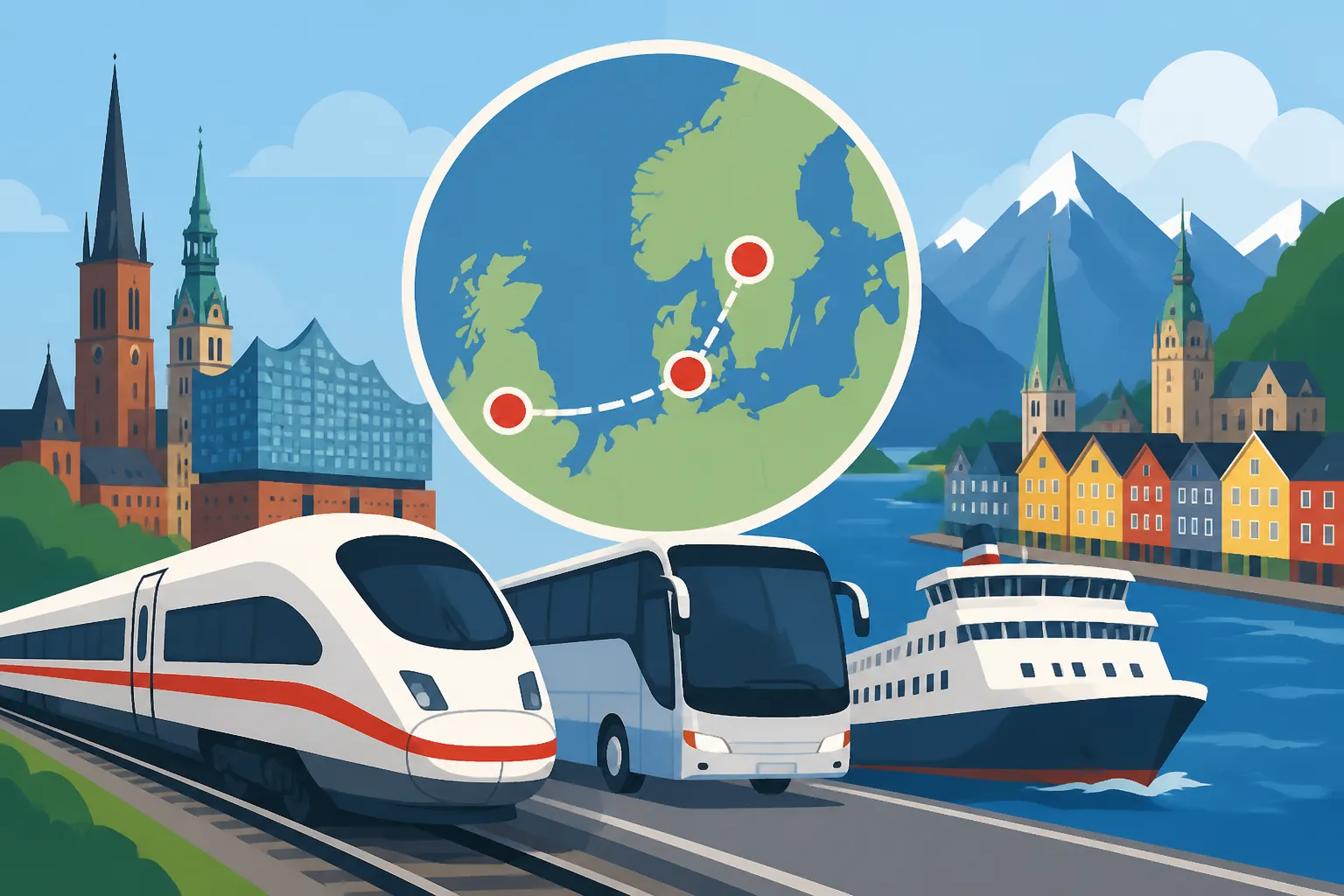
But Copenhagen is just the beginning! Hamburg's strategic location on Germany's northern coast makes it an unparalleled springboard for exploring the broader Scandinavian landscape. Think beyond Denmark. From Copenhagen, you can easily hop over the Øresund Bridge to Malmö, Sweden, and from there, the entire Swedish rail network opens up towards Gothenburg and even Stockholm. For those dreaming of Norwegian fjords or Swedish archipelagos, direct ferries and trains from Denmark or even directly from Germany offer seamless connections. You might be considering a long weekend in Oslo, surrounded by nature and innovative architecture, or perhaps a longer trip to the serene lakes and forests of Sweden. Even Helsinki, Finland, becomes a feasible, albeit longer, journey by combining trains and ferries. This part of Europe is so wonderfully interconnected, and Hamburg sits right at its heart, ready to launch your next great adventure. It’s all about knowing your options, and trust me, there are plenty!
Navigating the Rail Journey: Hamburg to Copenhagen by Train
Train travel in Europe, especially from Germany, often feels like the most civilized way to get around. You get to watch the landscape roll by, stretch your legs, and arrive directly in the city centre. From Hamburg, it’s a fantastically straightforward option for reaching Copenhagen.
The Direct Train Experience
Gone are the days when you had to take a train that literally went onto a ferry for the Puttgarden-Rødby crossing (though that was quite the experience!). Today, the journey from Hamburg Hauptbahnhof to Copenhagen Central Station (København H) is usually a direct, smooth ride on a modern ICE or EuroCity (EC) train. The route typically takes around 4.5 to 5 hours, which is pretty perfect for a day trip or kicking off a longer Scandinavian adventure. You’ll glide through the picturesque landscapes of Schleswig-Holstein, then cross the border into Denmark, eventually arriving in the heart of Copenhagen. The trains are comfortable, generally offering Wi-Fi and catering services, so you can relax, read a book, or just enjoy the views. It's a truly stress-free way to cover the distance, depositing you right where you want to be – ready to explore. Booking these tickets in advance can often net you significant savings, and this is where platforms like Omio really shine, letting you compare prices and schedules from various carriers like Deutsche Bahn to find the best deal. If you're generally interested in train travel within Germany, our guide on Deutsche Bahn Guide: Using Trains for City and Long-Distance Travel has even more insights.
Connections to Other Scandinavian Cities by Rail
Copenhagen isn't just a destination; it's a hub. Once you're there, the onward journey to other Scandinavian cities by rail is remarkably simple. The Øresund Line connects Copenhagen directly to Malmö, Sweden, crossing the impressive Øresund Bridge. This short, scenic journey takes less than 40 minutes, and trains run frequently. From Malmö, you can catch direct trains to major Swedish cities like Gothenburg (around 3 hours) and Stockholm (about 5-6 hours on high-speed trains). If your sights are set on Oslo, Norway, the journey will typically involve a change in Gothenburg or occasionally Malmö. While these trips are longer – expect 6-8 hours to Oslo from Copenhagen – the Scandinavian rail network is efficient and comfortable. Planning these multi-leg journeys can seem daunting, but this is precisely where Omio comes in handy. It allows you to search for and book complex routes, integrating different legs of your journey, showing you all the options and helping you piece together the perfect itinerary without having to jump between multiple national railway websites.
Pros and Cons of Train Travel
Like any mode of transport, trains have their unique benefits and drawbacks when heading north.
Pros of Train Travel:
- Comfort and Space: Trains generally offer more legroom and space to move around compared to buses or even planes. You can walk around, visit the dining car, or simply enjoy a spacious seat.
- Scenic Routes: The journey, especially through rural Denmark and along coastal stretches, can be quite beautiful, offering views you'd miss if you were driving or flying.
- City Centre Arrival: You arrive directly in the heart of Copenhagen, usually within walking distance or a short public transport ride to your accommodation and key attractions, saving time and money on transfers.
- Environmental Friendliness: For the eco-conscious traveler, trains are generally considered a more sustainable option than flying or driving.
- Productivity: The steady rhythm of a train allows for reading, working, or simply relaxing without the constant interruptions of driving or airport security.
Cons of Train Travel:
- Cost: While early booking can yield great deals, last-minute train tickets, especially for international routes, can be significantly more expensive than bus alternatives.
- Less Direct to Further Destinations: While Copenhagen is easy, reaching cities like Stockholm or Oslo directly from Hamburg by train involves multiple changes and a much longer travel time than a flight, making it potentially less appealing for those on a tight schedule.
- Potential Delays: Although Deutsche Bahn and DSB (Danish Railways) are generally reliable, delays can happen, especially during peak travel times or due to weather, impacting connections.
- Luggage Restrictions: While not as strict as airlines, there might still be practical limits on how much luggage you can comfortably manage on and off trains.
Budget-Friendly Bus Travel: Hamburg to Copenhagen and Beyond
If you're an expat on a budget, or just love a good deal, then bus travel is almost certainly on your radar. From Hamburg, it’s a perfectly viable, and often much cheaper, way to reach Copenhagen and even further afield.
The FlixBus Experience
When it comes to long-distance bus travel from Germany, FlixBus is pretty much the king. You'll find numerous daily connections from Hamburg to Copenhagen offered by FlixBus. The journey length is comparable to the train, typically ranging from 4.5 to 6 hours, depending on the route and any stops. Buses usually depart from Hamburg's Central Bus Station (ZOB – Zentraler Omnibusbahnhof), which is conveniently located near the main train station. Modern FlixBus coaches generally offer comfortable seating, free Wi-Fi (though signal strength can vary), power outlets, and a toilet on board. For many, the cost savings outweigh the slight reduction in comfort compared to a train. It's an efficient and straightforward way to travel, especially if you're flexible with your departure times, as prices fluctuate. Finding and comparing these bus options is incredibly easy with Omio, which aggregates routes from providers like FlixBus, allowing you to quickly see the cheapest and most convenient times. For more details on this mode of transport, check out our guide on Long-Distance Buses in Germany: FlixBus and Networks.
Connecting to Northern Scandinavia via Bus
Much like the train network, bus services from Copenhagen can also connect you to a wider array of Scandinavian destinations. While direct buses from Hamburg to places like Oslo or Stockholm are less common, you can certainly piece together a journey. From Copenhagen, services like FlixBus continue across the Øresund Bridge to Malmö and onward to other Swedish cities. The beauty of bus travel, especially with extensive networks like FlixBus, is the sheer number of routes available, often reaching smaller towns that train lines might bypass. Be prepared for longer travel times when venturing further north, as buses make more stops and are subject to road traffic. For instance, a bus journey from Copenhagen to Oslo could easily take 7-9 hours, or even longer to Stockholm. However, if cost is your primary concern, these longer journeys can be incredibly economical, offering significant savings compared to flying or even taking a train. It's all about balancing your time and your wallet, and with Omio, you can see all these bus options side-by-side to make the best decision for your trip.
Pros and Cons of Bus Travel
Bus travel holds its own appeal, especially for those prioritizing budget.
Pros of Bus Travel:
- Affordability: This is often the biggest selling point. Bus tickets are typically the cheapest option for long-distance travel, especially if booked in advance.
- Flexibility: There are often multiple departures throughout the day, giving you more choices for when to travel.
- Extensive Network: Buses can reach destinations that trains don't, including smaller towns and cities, offering broader access across Scandinavia.
- Simple Booking: Booking is usually straightforward, often online, and digital tickets are standard. Omio makes this even easier by consolidating all available routes.
- Luggage Allowance: While not unlimited, bus companies often have generous luggage policies included in the standard fare.
Cons of Bus Travel:
- Longer Travel Times: Due to traffic, more stops, and lower average speeds, bus journeys generally take longer than trains or flights.
- Less Comfort: While modern buses are good, they generally offer less space and freedom to move around compared to trains. Longer journeys can become tiring.
- Traffic Delays: Buses are susceptible to traffic jams, which can lead to unpredictable delays, especially during peak hours or holidays.
- Departure/Arrival Points: While ZOB in Hamburg is central, some bus stops in other cities might be slightly further from the absolute city centre compared to train stations.
- Environmental Impact: While better than flying, long-distance buses generally have a higher carbon footprint per passenger than electric trains.
The Scenic Route: Ferry Options from Germany to Scandinavia
For those who love the sea, or simply want to bring their car along, ferries offer a wonderfully different and often more leisurely way to reach Scandinavia. While Hamburg itself isn't a major international ferry port for direct Scandinavian connections, several significant ports are just a short trip away.
Ferries from Nearby Ports (Rostock, Lübeck-Travemünde, Kiel)
To embark on a ferry adventure to Scandinavia, you'll typically head to one of Germany's major Baltic Sea ports, all within a reasonable distance from Hamburg.
- Rostock: A very popular option, Rostock offers frequent ferry connections to Gedser, Denmark, operated by Scandlines. This route is efficient, taking around 2 hours, and is often combined with onward driving through Denmark. Getting to Rostock from Hamburg is easy by train or bus, taking about 1.5-2 hours.
- Lübeck-Travemünde: This charming port provides routes to Malmö (Sweden) and Trelleborg (Sweden), primarily via Finnlines and TT-Line. These are longer crossings, often overnight, taking 8-10 hours, which can be a relaxing way to travel, especially if you book a cabin. It’s also a great option if you're bringing a car or need ample luggage space. Travemünde is roughly an hour's drive or train ride from Hamburg.
- Kiel: Known for its direct ferry to Oslo, Norway, operated by Stena Line and Color Line, this is the perfect choice for those aiming straight for the Norwegian capital. The Kiel-Oslo route is an overnight journey, typically around 14-20 hours, offering full cruise-like amenities including restaurants, bars, and entertainment. Kiel is just over an hour by train from Hamburg.
The beauty of these ferry routes is the flexibility they offer, especially for those traveling with vehicles. It's crucial to plan your connecting transport from Hamburg to these ports, which Omio can help with by showing you integrated train and bus schedules to get you there seamlessly.
Combining Ferry and Land Travel
One of the most exciting aspects of ferry travel is the ability to combine it with other modes of transport, creating a truly multi-modal journey. Imagine taking a train from Hamburg to Rostock, enjoying a leisurely ferry crossing to Gedser, Denmark, and then continuing your journey by car or train through Denmark to Copenhagen or even further north into Sweden. Or perhaps you take an overnight ferry from Travemünde to Malmö, waking up refreshed in Sweden, ready to explore.
This blend of land and sea offers a unique travel experience. You get the efficiency of German public transport to the port, the relaxation of a sea voyage (complete with sea air and perhaps a duty-free shop!), and then the freedom of exploring Scandinavia at your own pace. This is particularly appealing for those who want to avoid the rush of airports or the limitations of luggage on a bus. It’s a great way to slow down, take in the journey, and really feel like you’re embarking on an adventure. When planning such a multi-stage trip, remember that Omio can combine these different segments for you, making the booking process much simpler than juggling multiple separate tickets.
Pros and Cons of Ferry Travel
Taking to the waves to reach Scandinavia offers a distinct set of advantages and disadvantages.
Pros of Ferry Travel:
- Unique Travel Experience: Ferries offer a change of pace and scenery. The sea air, the views, and the opportunity to walk around on deck can be very refreshing.
- Bring Your Car: This is a huge benefit if you plan to explore Scandinavia by car, allowing you to pack more and have maximum flexibility upon arrival.
- Comfort and Amenities: Especially on longer or overnight routes, ferries are like mini-cruise ships, offering cabins, restaurants, shops, and entertainment.
- More Luggage Freedom: You're generally not as restricted by luggage size and weight as you would be on a plane or even some bus services.
- Relaxing Journey: For many, the slower pace of a ferry journey is a welcome alternative to the hustle and bustle of airports or busy trains.
Cons of Ferry Travel:
- Cost: Ferry tickets, especially with a car or a cabin, can be more expensive than train or bus options.
- Requires Travel to Port: You first need to get from Hamburg to the departure port (Rostock, Travemünde, Kiel), adding an extra leg and time to your journey.
- Longer Duration: The overall travel time, including the journey to the port and the ferry crossing itself, is generally longer than direct train or bus routes to Copenhagen.
- Weather Dependent: Ferries can be subject to delays or cancellations due to adverse weather conditions, though this is relatively rare on the main routes.
- Limited Direct Options: While options exist, direct international ferry services from major German ports to all Scandinavian destinations are not as numerous as land connections.
Planning Your Trip: Practical Tips and Omio’s Role
Okay, you’ve got the lowdown on how to get there. Now, let’s talk about making that journey a reality, smoothly and efficiently. The administrative hurdles of expat life in Germany are enough, so let's simplify your travel planning!
Booking Smart with Omio
Let's be real, when you're planning an international trip from Germany, especially if you're comparing trains, buses, and ferries, the number of websites you have to check can be overwhelming. German rail, Danish rail, Swedish rail, FlixBus, various ferry operators… it's a lot. This is precisely why Omio is an absolute game-changer. Think of it as your ultimate travel planning assistant.
Omio allows you to input your departure (Hamburg) and arrival (Copenhagen, Malmö, Oslo, Stockholm – you name it!), and then it pulls up all the available options across trains, buses, and ferries. You can instantly see journey times, prices, and even filter by specific operators. This means no more bouncing between tabs, trying to figure out if a bus is cheaper than a train or if a ferry from Rostock makes more sense than a direct train. Omio presents everything in one clean, easy-to-understand interface.
Not only does it save you a ton of time and frustration, but it also helps you find the best deals. Early bird tickets for trains, special promotions for buses, or even comparing cabin prices on ferries – it's all there. You can then book directly through their platform, often receiving your tickets digitally. This streamlined process is invaluable for expats who are already dealing with enough bureaucracy. Want to compare a direct train to Copenhagen with a bus journey, or see how a ferry connection via Rostock stacks up? Omio does the heavy lifting for you. It’s the hero of effortless European travel planning, giving you peace of mind that you're getting the most suitable and cost-effective option for your Scandinavian adventure.
Essential Travel Documents and Tips
Even though you’re likely within the Schengen Area when traveling from Germany to Scandinavia, it's always smart to be prepared.
- Passport/ID: Always carry a valid passport or national ID card. While border checks are minimal within Schengen, they can happen, and you'll need it for identification during boarding (train, bus, ferry) and for accommodation check-ins.
- Currency: Denmark uses the Danish Krone (DKK), Sweden the Swedish Krona (SEK), and Norway the Norwegian Krone (NOK). While card payments are widely accepted, especially in cities, it's always good to have a small amount of local cash for smaller purchases or emergencies. Don't forget our guide on Money for Travel in Germany: Cash, Cards, and ATMs which provides useful context for banking while abroad.
- Packing: Scandinavian weather can be unpredictable, even in summer. Layering is key! Also, comfortable walking shoes are a must for exploring charming city streets or hiking scenic trails.
- Accommodation: Especially during peak season (summer, Christmas markets), book your hotels or hostels well in advance. Omio can get you to your destination; don’t forget to secure a place to rest your head!
- Language: While English is widely spoken in Scandinavia, especially in tourist areas, learning a few basic phrases in Danish, Swedish, or Norwegian can go a long way and is always appreciated by locals.
German Rail Pass and Other Savings
While the famed Deutschland-Ticket is fantastic for unlimited travel within Germany on regional and local transport, it generally doesn't cover international legs of your journey. So, while you could use it to get to, say, Rostock for a ferry, you'd still need separate tickets for the ferry itself and any onward international train connections.
For international train travel from Germany to Scandinavia, the best way to save money is almost always to book in advance. Deutsche Bahn and its Scandinavian counterparts offer Sparpreis (saver fare) tickets that are significantly cheaper than flexible full-fare tickets, but they come with restrictions (e.g., non-refundable, fixed trains). Omio will highlight these saver fares for you.
If you're planning extensive train travel across multiple European countries (including Scandinavia), you might consider a Eurail Pass. However, for a single return trip from Hamburg to Copenhagen and perhaps one other city, it's often more cost-effective to buy individual point-to-point tickets, especially if you book early through platforms like Omio. Keep an eye out for seasonal promotions from specific bus companies like FlixBus, which can offer incredibly low fares if you snag them at the right time. Being flexible with your travel dates and times can also lead to substantial savings across all modes of transport. For general travel logistics from Germany, you might find our Travel Logistics in Germany: Money, Safety, and Connectivity helpful.
Travel Options: Hamburg to Copenhagen
| Transport Option | Typical Travel Time | Estimated Cost (one-way)* | Key Benefits | Considerations | Booking Platform |
|---|---|---|---|---|---|
| Train (Direct) | 4.5 – 5 hours | €30 – €80+ | Comfort, city center arrival, scenic | Can be expensive last-minute | Omio, Deutsche Bahn |
| Bus (FlixBus) | 4.5 – 6 hours | €20 – €45 | Most affordable, frequent departures | Less comfortable, subject to traffic | Omio, FlixBus |
| Ferry (Rostock-Gedser) | ~2 hours (crossing only) + land travel | €30 – €100+ (passenger only, varies greatly with car/cabin) | Unique experience, bring car | Requires travel to port (Rostock), longer overall | Omio, Scandlines |
| Ferry (Travemünde-Malmö/Trelleborg) | 8 – 10 hours (overnight) | €50 – €150+ (passenger only, varies greatly with car/cabin) | Relaxing, overnight travel, bring car | Requires travel to port (Travemünde), long duration | Omio, Finnlines, TT-Line |
| Ferry (Kiel-Oslo) | 14 – 20 hours (overnight) | €80 – €300+ (passenger only, varies greatly with car/cabin) | Cruise-like amenities, direct to Norway | Requires travel to port (Kiel), longest duration, most expensive | Omio, Stena Line, Color Line |
*Estimated costs are for a single adult passenger, booked in advance. Prices are highly variable based on booking time, flexibility, and specific amenities (e.g., cabin on ferry).
Disclaimer
Please remember that all information provided in this guide is for general informational purposes only. Travel regulations, schedules, and prices can change rapidly. Always verify the latest requirements, departure times, and costs directly with service providers or official government sources before making any travel plans. While we strive to offer accurate and up-to-date advice, we cannot be held responsible for any inaccuracies or changes.