Booking German Transport With Kids: Child Fares, Seats, and Prams
If you're an expat parent in Germany, or even just visiting, you've probably already experienced the delightful labyrinth that is German bureaucracy, right? Now, imagine trying to navigate that same system, but this time you're also juggling a toddler, a car seat, a pram, and trying to decipher German fare rules all at once. It's enough to make you want to stay home, isn't it? But don't despair! This guide is here to untangle the complexities of booking German transport with kids, covering everything from child fares and seat rules to pram policies, and introducing you to a tool that will simplify it all.
Disclosure: This post may contain affiliate links. We may earn a commission at no extra cost to you if you make a purchase through these links. Read full disclosure.
Navigating German Train Travel with Children
Ah, Deutsche Bahn. The backbone of German travel, and often a source of both admiration and profound frustration for us expats. When you’re traveling solo or as an adult couple, it’s one thing, but throw a kid or two into the mix, and suddenly the rules feel like they’ve multiplied. The good news is, Germany’s train system is generally very family-friendly, but you do need to know the specific tricks and unspoken rules.
Child Fares on Deutsche Bahn
Let's talk money, because traveling with kids can get expensive, especially if you don't know the fare secrets. Deutsche Bahn has some fantastic provisions for children, but they’re not always obvious.
First, and this is a big one: children under 6 years old travel completely free on all Deutsche Bahn (DB) trains, and they don't even need their own ticket! This is a massive relief for parents of preschoolers. You simply bring them along. No booking, no fuss.
For children aged 6 to 14, things get even better. When they travel with a parent, grandparent, or even a guardian who is 15 years or older, they also travel free! Yes, you read that right. The catch? You must list them on your ticket when you book. If you forget to add them, even if they're traveling with you, they might be required to buy a separate ticket, which is a headache you absolutely want to avoid. So, when you're using a booking platform, whether it's the DB website directly or a multimodal platform like Omio, make sure you accurately input the number and ages of all children traveling. This ensures they're correctly added to your adult ticket, and you won't face any unpleasant surprises with a conductor.
If a child aged 6-14 travels alone, they get a 50% discount on the standard fare, which is still a decent saving. But honestly, the free travel with an adult is where the real magic happens for families. Always verify the current age limits and conditions when booking, as policies can sometimes have minor updates. You can often find helpful information on how to get started with Deutsche Bahn Guide Using Trains for City and Long-Distance Travel.
Seat Reservations and Family Zones
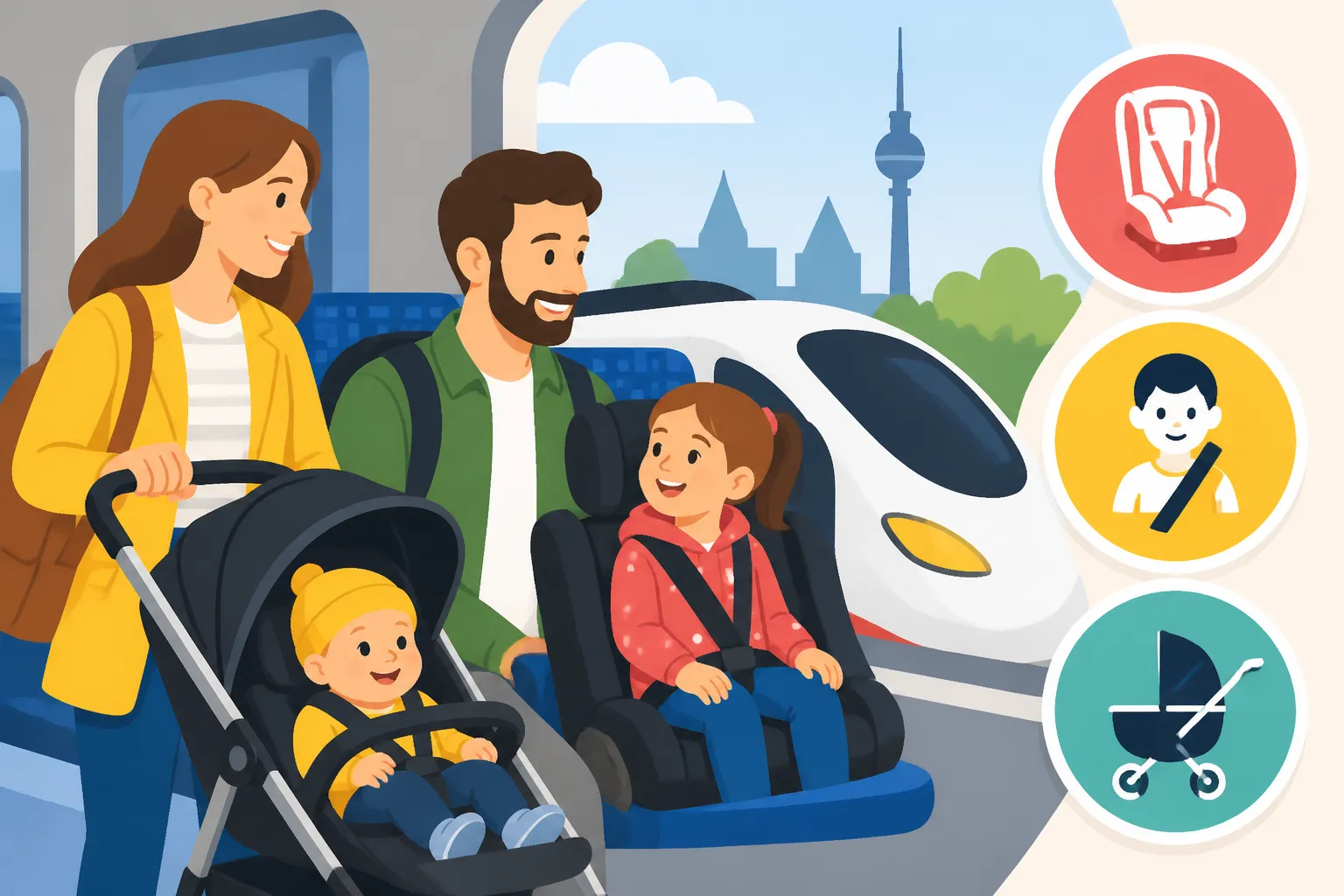
Booking a ticket is one thing, but ensuring comfort for your little ones is another, especially on longer journeys. While seat reservations aren't mandatory for children traveling free with you, they are highly recommended, particularly during peak travel times like holidays or weekends. Trust me, standing in a crowded train aisle with a tired, whining child is nobody’s idea of a good time. A standard seat reservation costs a few extra Euros per person, and it’s often money well spent for peace of mind.
Deutsche Bahn trains, particularly the ICE and IC/EC long-distance services, often offer special "Kleinkindabteil" (toddler compartments) or "Familienbereich" (family areas). These are real lifesavers!
- Kleinkindabteil (Toddler Compartment): These are small, private compartments designed for families with infants and very young children. They usually have space for a pram, a changing table nearby, and sometimes even a little play area. They are often marked with a stroller and baby bottle icon. You need to specifically reserve a seat in these compartments, and they tend to get booked up quickly. If you can snag one, it significantly improves your journey.
- Familienbereich (Family Area): These are open-plan sections of carriages that are designated as family-friendly. They're typically near the entrance/exit, have more space for luggage and prams, and generally, other passengers in these areas are more understanding of the inevitable noise and movement that comes with traveling with kids. They might also have tables, which are great for snacks or activities.
When booking through Omio, you can often specify your preference for a family area or compartment during the seat reservation process. It’s worth taking the time to explore these options, especially for long trips, as they can transform a potentially stressful journey into a manageable one. Knowing the ins and outs of High-Speed Trains in Germany ICE Deutsche Bahn Routes and Savings can also help you identify which trains are most likely to offer these amenities.
Strollers and Luggage on Trains
Traveling with kids invariably means traveling with stuff. Diaper bags, snacks, toys, and of course, the ever-present pram or stroller. Thankfully, DB trains are generally quite accommodating.
For standard strollers and smaller prams, you can usually take them with you into the carriage and store them in the luggage racks above seats (if foldable) or in designated spaces near the doors. On ICE trains, there’s often a bit more space in the family areas or at the end of carriages. If you have a larger pram or pushchair, it might need to be folded up, especially if the train is very full. The key is to be considerate of other passengers and not block aisles or exits.
Larger items like travel cots or big suitcases can be stored in the main luggage racks, usually found at the ends of carriages. Just remember, you’ll be responsible for loading and unloading your own items, so try not to overpack. A good strategy is to have a smaller "day bag" with essentials (diapers, wipes, snacks, a change of clothes) easily accessible, and larger luggage stowed away. For more general advice on planning your trip, consider checking out Family Travel in Germany Kid-Friendly Cities and Activities.
Bus Travel with Kids in Germany
While trains are often the first choice for long-distance travel in Germany, buses, especially long-distance options like FlixBus, can be a more budget-friendly alternative for families. They also serve routes that trains might not cover directly, or offer competitive pricing for popular destinations. However, there are different considerations when traveling by bus with little ones.
Child Tickets and Safety Seats
Bus companies generally have slightly different fare structures than trains. For long-distance buses, children under a certain age (often under 3 or 4) might travel free if they sit on an adult's lap. Beyond that, children typically require their own ticket, often at a reduced fare. This discount might be a percentage off the adult fare, or a specific child ticket price.
For instance, with a major provider like FlixBus, children up to age 14 often receive a discount on the standard fare, but they still need their own seat and a ticket. It’s crucial to specify the children’s ages accurately when booking on a platform like Omio. Omio's system is designed to automatically apply the correct child fares and show you available seats suitable for families across various bus operators. This takes a lot of the guesswork out of comparing prices and rules between different companies.
Regarding safety seats: this is where bus travel can get a bit tricky. Unlike private cars where child seats are mandatory for young children, long-distance buses often only provide lap belts or no specific child restraint systems beyond the standard seatbelt. For children aged 3 and above, they can typically use the available seatbelts. For younger children and infants, bringing your own car seat is generally recommended if you want to ensure their safety and comfort. However, not all buses are equipped to securely attach an infant or toddler car seat. It's always best to check the specific bus operator's policy before booking if you intend to bring a car seat. Many bus companies recommend against it due to limited attachment points. For shorter journeys, you might have to rely on holding your infant or having a toddler sit on the seat with a lap belt.
Storage for Prams and Gear
Just like with trains, traveling by bus means bringing along your trusty pram or stroller. The good news is that most long-distance bus services, like those found when you search on Omio, have ample storage space in the luggage compartments beneath the bus.
You'll usually be required to fold your pram or stroller and store it in this compartment. There might be a limit on the number of large items you can bring, but typically a folded pram counts as one piece of luggage, and it's usually free of charge or included in the standard baggage allowance. Always confirm the luggage policies, especially for oversized items, when booking your ticket.
Keep in mind that once your pram is in the undercarriage, it's not accessible during the journey. So, make sure you have all your essential "on-board" items in a smaller bag that you can keep with you in the cabin. This includes snacks, drinks, toys, and any urgent diaper-changing supplies. For alternatives and a broader view of your options, consider reading up on Long-Distance Buses in Germany FlixBus and Networks.
Local Public Transport and Kids
The German urban and regional public transport networks – the U-Bahn, S-Bahn, trams, and local buses – are incredibly efficient and a lifesaver for families exploring cities. Figuring out the fare zones and ticket types can be a puzzle at first, but once you get the hang of it, it's a breeze.
Fares and Free Travel for Youngsters
Each city or region in Germany operates its own public transport association (Verkehrsverbund), and while there's a good deal of commonality, fare rules for children can vary slightly. Generally, here's what you can expect:
- Infants and Toddlers (Under 3/4/6): Most local transport systems allow very young children (often under 3, sometimes up to 6 years old, depending on the region) to travel for free. They usually don't need a ticket and can sit on an adult’s lap or occupy a seat if available.
- Older Children (Up to 14/15): Children typically receive significantly reduced fares, often referred to as "Kinderfahrkarten" (child tickets). These are usually half the price of a standard adult single ticket or part of a family day ticket. Some regions also offer free travel for children up to 14 when accompanied by an adult with a valid ticket. For example, in many regions, children under 6 travel free, and some day tickets allow up to three children aged 6-14 to travel free with two adults.
- Family Day Tickets: These are often the best value for families traveling together for a day. They allow a group of adults (usually two) and a generous number of children to travel unlimited within specific zones for a set price. Always look for these options at ticket machines or online.
It's absolutely worth taking a moment to check the specific Verkehrsverbund website for the city you're visiting (e.g., BVG for Berlin, MVV for Munich, HVV for Hamburg). They'll have detailed information on child fares, group tickets, and family day passes. When planning your local hops, and even connecting from your long-distance travel booked on Omio, understanding these local nuances is key to saving money. A great resource for this is Getting Around German Cities U-Bahn, S-Bahn, Trams, and Buses.
Accessibility with Prams
One of the great joys of German public transport, for parents at least, is the general accessibility for prams and strollers. Most modern trams, buses, U-Bahn (subway), and S-Bahn (urban rail) trains have dedicated areas for strollers, wheelchairs, and bicycles. These are usually clearly marked with decals on the doors.
- Low-Floor Access: Many buses and trams are low-floor, meaning you can roll your pram straight on without lifting it. In older vehicles, or at certain stations, you might encounter a small step, but generally, it's very manageable.
- Designated Spaces: Inside, look for multi-purpose areas, often near the middle or rear doors, which offer more space than standard seating sections. These are perfect for parking your pram without blocking aisles.
- Helping Hands: Germans are generally quite helpful. If you’re struggling with a step or getting on/off a crowded train with a pram, don’t hesitate to ask for a "Hilfe, bitte!" (help, please!). Someone will usually lend a hand.
However, there are exceptions. Some older U-Bahn and S-Bahn stations might only have stairs and no elevators or escalators. It's always a good idea to quickly check the station amenities on the local transport app or website if you're traveling with a very large or heavy pram and want to avoid stair climbing. For general info on local tickets, you might find Public Transport Tickets and Passes Navigating German Transit Systems useful.
The Essential Tool for Family Transport Planning
Alright, so we've talked about trains, buses, local transport – all with their own quirks and rules when it comes to kids. Trying to piece together an itinerary, compare prices, and ensure you're getting the best deal and adhering to all the child fare nuances can be a real headache. This is where Omio steps in as your absolute best friend when booking German transport with kids.
Why Omio Makes a Difference for Families
As an expat who's been through the travel trenches with little ones, I can tell you that any tool that simplifies the planning process is a godsend. Omio truly shines because it's designed to cut through the complexity.
- One-Stop Shop: Instead of hopping between Deutsche Bahn's website, FlixBus, and local transport sites, Omio aggregates everything. You put in your origin, destination, dates, and, crucially, the number and ages of your children. It then searches across trains, buses, and sometimes flights, to show you all the available options. This multimodal search is invaluable when you're comparing efficiency vs. cost for a family trip.
- Automatic Child Fare Application: This is huge! When you input the ages of your children, Omio automatically applies the correct child fares and discounts from the various providers. No more guessing if you've got the right ticket type or if your 8-year-old gets a discount. It just calculates it for you, showing the real, total cost for your whole family. This feature alone saves so much time and prevents those embarrassing (and costly) misunderstandings with ticket inspectors.
- Clarity and Comparison: Omio presents the results in a clear, easy-to-understand format. You can filter by price, duration, and even specific transport type. For a family, being able to quickly see if taking the bus is significantly cheaper but adds two hours, or if a train journey offers a better balance of speed and comfort, is essential for making informed decisions.
- User-Friendly Interface: The platform is incredibly intuitive, meaning less time spent clicking around and more time focusing on packing snacks or entertaining the kids. Booking is streamlined, and you get all your tickets in one place, often directly on your phone, which is perfect for busy parents.
Consider a scenario: you want to travel from Berlin to Hamburg with two adults, a 7-year-old, and a 2-year-old. On Deutsche Bahn, the 2-year-old travels free without needing to be on the ticket, but the 7-year-old travels free only if listed on an adult ticket. On FlixBus, both children might need separate discounted tickets. Trying to figure this out across multiple sites is a nightmare. Omio does it all for you, presenting the final price and helping you book correctly. It’s like having a personal travel agent for German transport, but without the fees! For any trip, big or small, Omio is an excellent starting point to ensure you’re making the best transport choices for your family. It simplifies the entire booking process, letting you focus on the fun parts of your journey through Germany. It also helps with budgeting, which is always helpful when trying to manage the Cost of Living in Germany Budgeting Guide for Expats.
Practical Tips for Booking with Omio
To make the most out of Omio when booking your family adventures in Germany, here are a few practical tips:
- Be Accurate with Ages: Always input the precise ages of your children. As we've discussed, child fare rules are heavily dependent on age, and Omio's system relies on this information to give you the correct pricing and options.
- Compare All Modes: Don't just default to trains if you're on a budget. Sometimes, the bus can be significantly cheaper, especially for families, and Omio will show you that comparison side-by-side. For long distances, also check for multimodal options which might combine a regional train with a bus.
- Book in Advance for Savings: Just like with many travel bookings, securing your tickets, especially train and long-distance bus tickets, well in advance can lead to substantial savings. This is particularly true for "Sparpreis" (saver fare) tickets on Deutsche Bahn, which Omio will also display.
- Consider Flexibility: With kids, plans can change in a heartbeat. Pay attention to the flexibility of the tickets offered. Some cheaper fares might be non-refundable or non-changeable, which can be a gamble with little ones. Omio will usually show the fare conditions, so take a moment to review them.
- Use the App: Download the Omio app! It's incredibly convenient for having all your tickets stored digitally, checking schedules, and getting real-time updates while on the go. This is a massive stress-reducer when you're managing children and luggage.
By using Omio, you're not just buying a ticket; you're buying peace of mind, knowing that the intricate world of German transport fares for children has been handled for you. It simplifies the often-frustrating administrative side of travel, allowing you to actually enjoy the journey with your family.
Disclaimer
Please remember that while this guide aims to provide accurate and up-to-date information, transport policies, fare structures, and regulations in Germany can change. Always verify the most current information directly with the transport provider (e.g., Deutsche Bahn, FlixBus, local Verkehrsverbund) or through a reliable booking platform like Omio at the time of your travel. This article is for informational purposes only and does not constitute professional advice.