Best Day Trips From Hamburg
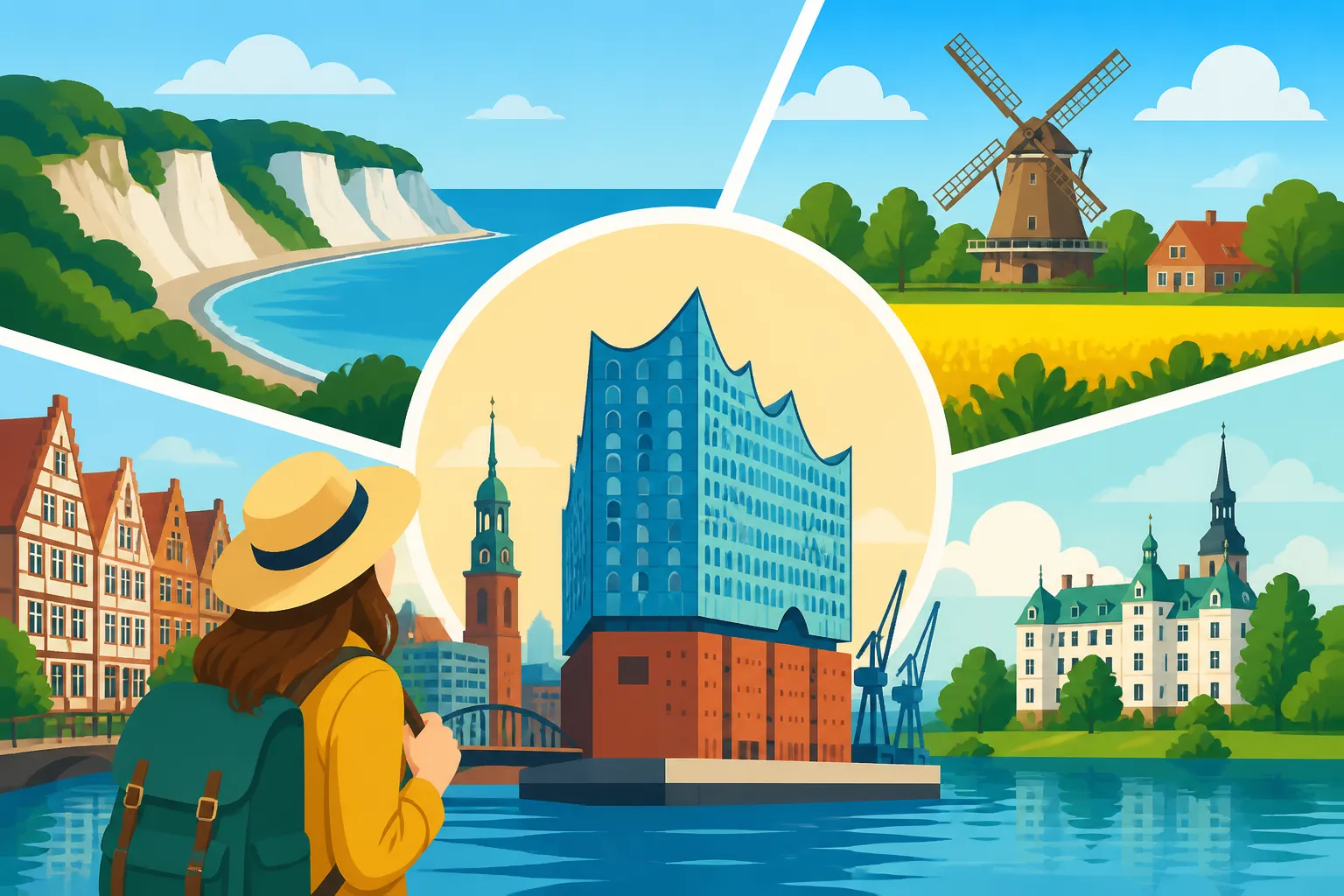
You've settled into Hamburg, soaked up the harbour vibes, explored Speicherstadt, and perhaps even braved Reeperbahn. But let's be honest, even the most vibrant city can start to feel a little… familiar after a while. You're itching for a change of scenery, a taste of a different German flavour, but don't want the hassle of a multi-day trip. This guide is your ultimate companion to unlocking the incredible day trip possibilities right on Hamburg's doorstep, offering a refreshing escape and a deeper dive into the diverse beauty of northern Germany.
Lübeck and Travemünde: A Double Dose of Baltic Charm
Ah, Lübeck! If you're looking for a quick escape that feels like stepping back in time, this Hanseatic gem is absolutely essential. It's not just a city; it's a UNESCO World Heritage site that truly earns its stripes, bursting with history, delicious marzipan, and an undeniable Baltic flair. And just a stone's throw away, you have Travemünde, offering those longed-for sea breezes.
Disclosure: This post may contain affiliate links. We may earn a commission at no extra cost to you if you make a purchase through these links. Read full disclosure.
The Historic Heart of Lübeck
Lübeck's Old Town is an island, literally surrounded by water, making it incredibly walkable and picturesque. You'll immediately notice the distinctive brick Gothic architecture that dominates the skyline, a testament to its powerful past as a leading city of the Hanseatic League. The iconic Holstentor city gate is usually your first stop, an imposing and beautifully preserved medieval gate that instantly transports you. It’s even a museum inside, so you can peek into its history and understand its defensive purpose.
Wandering through the narrow cobblestone alleys, you'll discover charming courtyards (known as "Höfe" and "Gänge") hidden behind unassuming doorways, offering a tranquil escape from the bustling streets. These were once living quarters for the poorer residents, now often housing quaint shops or cafés. Don't miss the St. Mary's Church (Marienkirche), a colossal structure that served as a blueprint for many other Baltic brick Gothic churches. Its sheer size and intricate details are breathtaking, and you can even see the remnants of bells that crashed to the ground during World War II, left as a poignant memorial. For a more relaxed experience, consider taking a boat tour around the island; it offers a unique perspective on the city's architecture and waterways. You can easily find tickets for these tours near the Holstentor or online.
Sweet Indulgences and Coastal Air in Travemünde
You can't talk about Lübeck without mentioning marzipan. Seriously, it's practically a local religion! Niederegger is the most famous marzipan manufacturer, and their grand café near the market square is a must-visit. It's more than just a shop; it's an experience, with an impressive display of marzipan creations and a café upstairs serving every marzipan-infused treat imaginable. Even if you're not a huge marzipan fan, it's worth seeing the sheer artistry.
Once you’ve had your fill of history and sweets, hop on a local train or bus for a quick 20-minute ride to Travemünde. This seaside resort is Lübeck's refreshing counterpart, offering wide sandy beaches, a charming promenade, and the calming sound of the Baltic Sea. It's perfect for a leisurely stroll along the waterfront, watching the ferries and cruise ships glide in and out of the harbour. You can climb the historic lighthouse for panoramic views or simply find a beach chair (Strandkorb) and relax. If you visit in summer, the beach will be bustling with families and sunbathers, while in the off-season, it offers a peaceful, brisk escape. The transition from medieval city to beach resort in such a short distance is truly one of the joys of this day trip.
Getting There and Practicalities
Getting to Lübeck from Hamburg is wonderfully straightforward. The regional trains (RE/RB) run frequently from Hamburg Hauptbahnhof, and the journey takes around 45 minutes to an hour. If you're using a Deutschland-Ticket, the trip is entirely covered, making it an incredibly affordable outing. You can check train schedules and even book tickets for regional trains or longer journeys via platforms like Omio, which can be quite handy for comparing options. For those who prefer to drive, Lübeck is about an hour's drive northeast of Hamburg, though parking in the Old Town can be a bit challenging, so it's often easier to use park-and-ride options outside the centre.
When planning your day, remember that many shops and smaller eateries might close earlier on Sundays, and definitely be aware of German Public Holidays: How They Affect Life and Work. It's always a good idea to bring cash for smaller purchases, as some traditional establishments might not accept cards. You'll want good walking shoes for Lübeck's cobblestones, and if you plan to hit Travemünde, dress for potentially brisk coastal weather, even on a sunny day. Pack a swimsuit if the weather permits and you fancy a dip in the Baltic, though only the brave might venture in during the cooler months!
Bremen: Where History Meets the Space Age
Venturing southwest from Hamburg, you'll find Bremen, another historic Hanseatic city with a distinct character all its own. While it shares some historical roots with Lübeck, Bremen offers a different flavour, blending its rich past, maritime heritage, and even a surprising connection to space exploration. It's a city that rewards exploration, offering charming nooks and grand squares.
The Fairytale and UNESCO Heritage
Bremen's heart beats in its UNESCO World Heritage Market Square (Marktplatz), a truly stunning ensemble of buildings. Here you'll find the magnificent Town Hall, a prime example of Weser Renaissance architecture, standing proudly next to the Roland Statue, a symbol of civic freedom and justice. These two figures together tell tales of a powerful, self-governing city that thrived for centuries. Right nearby, you'll encounter the whimsical bronze statue of the Bremen Town Musicians (Bremer Stadtmusikanten), a beloved icon from the Brothers Grimm fairy tale. Rubbing the donkey's nose and forelegs for good luck is a time-honoured tradition, and you'll often find a small queue of people doing just that!
Beyond the main square, the Schnoor Quarter is an absolute must-see. It's Bremen's oldest and most charming district, a labyrinth of narrow, winding alleys lined with tiny, well-preserved 15th- and 16th-century houses. Many of these once belonged to fishermen, artisans, and river barge operators. Today, the Schnoor is a delightful hub of artisan shops, quaint cafés, and traditional restaurants. It’s the perfect place to get lost for an hour or two, soak up the atmosphere, and perhaps find a unique souvenir. Each corner seems to reveal a new photogenic scene, and it's easy to imagine what life might have been like here centuries ago. This area is a great spot to grab lunch, with many eateries offering traditional German fare. If you're wondering about German Food Culture: Eating and Drinking as a Visitor, Bremen has some unique regional dishes, like Klaben (a sweet bread) and Labskaus (a hearty sailor's dish), which you might find in some of these traditional restaurants.
Science, Space, and the Waterfront
While Bremen celebrates its history, it's also a forward-thinking city with a surprising connection to modern technology. Head a bit out of the city center to visit Universum Bremen, a fantastic interactive science museum housed in a shimmering, futuristic building that looks like a giant metallic whale. It’s perfect if you're traveling with kids or just have an inner science enthusiast. This place is all about hands-on exhibits covering technology, humans, and nature, making complex scientific principles engaging and accessible. It’s a great change of pace after all the historical sightseeing.
Another fascinating, albeit slightly niche, attraction is the EADS Astrium site, showcasing Bremen's role in European space activities. While public access is limited, the city’s science museum offers a good overview. For a more accessible experience, stroll along the Schlachte Embankment, Bremen’s vibrant riverside promenade. What was once a bustling medieval harbour is now a lively stretch of restaurants, bars, and beer gardens, especially popular on warmer evenings and weekends. It’s a great spot to unwind, enjoy a drink with a view of the Weser River, and watch the boats go by. Sometimes, you can even catch a market or event here. For those interested in extended stays or unique experiences, you might find interesting accommodation options along the Schlachte or elsewhere in Bremen on Booking.com, should you decide a day just isn't enough.
Getting There and Practicalities
Bremen is easily reachable from Hamburg by train, with frequent regional (RE/RB) and even some faster intercity (IC) connections. The journey typically takes around an hour to 1.5 hours, depending on the train. The Deutschland-Ticket covers regional train travel, making it another affordable trip. If you opt for an IC train, you'll need a separate ticket, but it might shave off some travel time. Platforms like Omio can help you compare these options and book tickets if needed. Driving is also an option, taking about 1.5 hours southwest of Hamburg, primarily via the A1. Again, parking in the historic center can be tricky, so research park-and-ride facilities beforehand.
Bremen is generally easy to navigate on foot, especially the Old Town and Schnoor Quarter. The public transport system (trams and buses) is efficient for reaching attractions further afield like Universum Bremen. Consider buying a day ticket for public transport if you plan to use it extensively. Like any major city, watch your belongings in crowded tourist areas. And remember, in Germany, "Schuhgröße" is shoe size, and "Entschuldigung" means excuse me – small phrases can go a long way when asking for directions or ordering coffee! For tips on managing your expenses, you might want to read up on Money for Travel in Germany: Cash, Cards, and ATMs as many smaller shops and cafes in historic areas might prefer cash.
Lüneburg Heath: Nature's Tranquil Escape
Sometimes, the best day trip isn't about grand historical buildings or bustling city life, but about finding a serene escape into nature. The Lüneburg Heath (Lüneburger Heide) offers just that: a unique cultural landscape of heathland, forests, and charming villages, especially stunning during late summer when the heather blooms in a vibrant purple carpet. It’s the perfect antidote to city stress.
Heather Blooms and Heathland Beauty
The Lüneburg Heath is one of Germany's oldest nature reserves, preserving a landscape that was once widespread across northern Europe. The star of the show is, without a doubt, the heather bloom, which typically occurs from mid-August to mid-September. During this period, the rolling hills transform into a breathtaking sea of purple, attracting visitors from all over. Even outside of bloom season, the heath offers a tranquil beauty with its diverse flora and fauna, including the Heidschnucke (a local breed of moorland sheep) that graze freely and help maintain the landscape.
The best way to explore the heath is on foot or by bicycle. There are countless well-marked hiking and cycling trails catering to all levels. You can choose a short, leisurely stroll or embark on a longer trek, immersing yourself in the quiet solitude of nature. One popular starting point is the charming village of Wilsede, which is car-free and can only be reached by foot, bike, or horse-drawn carriage. Here, you'll find the oldest open-air museum in northern Germany, the "Heidemuseum Dat ole Huus," offering insights into the traditional heathland way of life. The highest point in the heath, Wilseder Berg, offers panoramic views of the entire landscape, a truly rewarding sight after a gentle climb. You could also explore areas around Undeloh, another picturesque heath village known for its horse-drawn carriage tours, which are a wonderful way to experience the landscape without too much exertion.
Picturesque Villages and Local Delights
Beyond the expansive heathland, the region is dotted with charming villages that invite you to slow down and enjoy the local culture. Lüneburg itself, while perhaps too much for a day trip if you want to explore the heath thoroughly (it deserves its own visit!), is the gateway city. However, smaller villages like Undeloh and Schneverdingen are perfect complements to your nature excursion. These villages often feature traditional half-timbered houses, quaint churches, and welcoming guesthouses and cafés.
You can often find local shops selling regional products like heather honey, Heidschnucke sausage, and crafts. Stopping for a "Kaffee und Kuchen" (coffee and cake) in one of the local cafés after a long walk is a classic German experience and a delightful way to refuel. These spots offer a genuine taste of rural Germany, far removed from the urban bustle of Hamburg. If you’re considering spending a bit more time in the region, perhaps an overnight stay, Booking.com offers a range of guesthouses and hotels in and around these charming villages, allowing you to wake up to the peaceful heathland air.
Getting There and Practicalities
Reaching the Lüneburg Heath generally requires a combination of train and bus, or ideally, a car. By train, you can take a regional service from Hamburg Hauptbahnhof to towns like Buchholz (Nordheide) or Lüneburg. From there, you'll often need to connect with a local bus (known as "Heide-Shuttle" during peak season, which is free and tourist-oriented, but has specific routes and times) or a taxi to reach the heart of the heathland or specific villages like Undeloh or Wilsede (via a horse-drawn carriage from Undeloh). This multi-leg journey can be a bit more complex than direct train routes, so planning ahead is crucial. Omio might help with train and initial bus connections, but local bus schedules within the heath are best checked directly on local transport websites.
If you have access to a car, it offers the most flexibility. The drive from Hamburg is about 45 minutes to an hour, primarily via the A7. Driving allows you to easily hop between different heathland entry points and villages. Remember to park only in designated areas to protect the delicate ecosystem. For those interested in Renting a Car and Driving on the Autobahn, the journey is relatively short and scenic, offering a pleasant drive. Always wear comfortable shoes suitable for walking on uneven terrain, and bring layers of clothing as the weather can change quickly. A water bottle, snacks, and perhaps a small picnic are also good ideas, as facilities within the deepest parts of the heath are limited.
Schwerin: The Fairy Tale Castle City
For a truly picturesque and almost magical day trip, look no further than Schwerin. Capital of the state of Mecklenburg-Vorpommern, Schwerin is often overshadowed by larger German cities, but it boasts one of the most stunning castles in the country, nestled gracefully on an island in a lake. It's a place where history, royalty, and natural beauty intertwine, making you feel like you've stepped into a storybook.
Schwerin Castle: A True Gem
Schwerin Castle (Schweriner Schloss) is undoubtedly the star attraction and the primary reason to visit. It’s an architectural masterpiece, often referred to as the "Neuschwanstein of the North" due to its fairytale appearance. Built on an island in Schwerin Lake (Schweriner See), the castle's towers and turrets rise majestically from the water, creating a breathtaking silhouette. The current structure, largely built in the mid-19th century, replaced older fortifications and residences, evolving into the grand ducal residence it is today.
Inside, the castle now houses a state parliament and a fantastic museum. You can explore the lavishly decorated rooms, including the throne room, the ancestral gallery, and the opulent ballrooms, gaining insight into the lives of the Grand Dukes of Mecklenburg-Schwerin. The intricate details, from the carved wooden panels to the gilded ceilings, are simply stunning. Don't rush your visit; take your time to appreciate the craftsmanship. Beyond the interior, the castle gardens are equally impressive, a blend of English landscape design and Baroque elements, perfect for a leisurely stroll. The orangery is a particularly delightful spot. Getting tickets for the castle can be done on-site, but especially during peak tourist season, it might be wise to check if online booking through platforms like GetYourGuide is an option, as they often facilitate tours and skip-the-line access for popular attractions.
Lakeside Beauty and Old Town Charms
Schwerin isn't just about its castle; the city itself is beautifully situated amidst a landscape of lakes, forests, and picturesque rolling hills. Schwerin Lake is the second-largest lake in Mecklenburg-Vorpommern, offering ample opportunities for lakeside walks, boat trips, or simply enjoying the views from one of the many benches along the promenade. You can often find boat tours departing near the castle, providing a different perspective of the island and its surroundings.
The Old Town (Altstadt) of Schwerin, directly adjacent to the castle, is equally charming. It's a compact and walkable area with historic buildings, delightful squares, and narrow streets. The Schwerin Cathedral (Schweriner Dom), a brick Gothic marvel, dominates the Old Town skyline and is worth a visit for its impressive interior and the opportunity to climb its tower for panoramic city views. You'll find a good selection of cafés, restaurants, and independent boutiques, making it a pleasant place to explore after your castle tour. For a true sense of place, try a local fish dish from one of the lakeside restaurants, fresh from the surrounding waters. While exploring, you might be interested in knowing more about German Etiquette and Social Life for Visitors to navigate interactions with locals smoothly.
Getting There and Practicalities
Schwerin is very accessible from Hamburg by train. Direct regional trains (RE/RB) run regularly from Hamburg Hauptbahnhof, and the journey takes approximately 1 hour and 15 minutes to 1 hour and 30 minutes. This makes it a perfect day trip using your Deutschland-Ticket, avoiding any extra ticket costs for the train ride itself. The Schwerin Hauptbahnhof is conveniently located within walking distance (about 15-20 minutes) of the Old Town and the castle, or you can opt for a short tram ride.
If driving, the journey from Hamburg is around 1.5 to 2 hours, heading east on the A24 and then north. Parking is available in various garages around the city center, though be prepared for standard city parking fees. Schwerin is a very walkable city once you're in the center, so once you've parked, you likely won't need your car again until you leave. Make sure to wear comfortable shoes for exploring the castle and its expansive gardens. The weather by the lake can be a bit breezier than inland, so bringing an extra layer is always a good idea, even on sunny days.
Cuxhaven: North Sea Breezes and Wadden Sea Wonders
For a completely different coastal experience, head northwest to Cuxhaven. Unlike the gentle Baltic, Cuxhaven sits right on the North Sea, famous for its dramatic tides, expansive mudflats, and a robust maritime atmosphere. It's less about historical buildings and more about nature, fresh air, and a unique landscape that changes dramatically with the ebb and flow of the sea.
The Wadden Sea UNESCO Site
Cuxhaven is located right on the edge of the Wadden Sea (Wattenmeer), a UNESCO World Heritage site recognized for its unique ecosystem and incredible biodiversity. This vast intertidal zone, stretching along the coasts of Germany, the Netherlands, and Denmark, is one of the largest unbroken systems of intertidal sand and mud flats in the world. When the tide is out, the sea retreats for kilometres, revealing a seemingly endless expanse of mudflats, teeming with life.
The quintessential Cuxhaven experience is a guided "Wattwanderung" (mudflat walk). These guided tours are essential for safety, as the tides can come in very quickly, and navigating the mudflats requires local knowledge. During a Wattwanderung, you'll learn about the fascinating creatures that call this environment home – from lugworms and mussels to various bird species. It’s an utterly unique and surprisingly invigorating experience. Many tours depart from the Sahlenburg or Duhnen areas of Cuxhaven. Alternatively, you can simply stroll along the dikes and beaches, enjoying the vast open skies and the fresh, salty air. Horse-drawn carriage rides out to the island of Neuwerk at low tide are also popular, offering a quaint way to experience the mudflats.
Beach Life, Boats, and Maritime Culture
Cuxhaven also offers traditional beach resort areas, particularly in Duhnen and Sahlenburg, where you'll find wide sandy beaches and the iconic German "Strandkorb" (hooded beach chairs) for rent. These are perfect for relaxing, enjoying the sun (if it’s out!), and watching the waves. The promenade in Duhnen is bustling with cafés, restaurants, and shops, making it a great spot for lunch or an ice cream.
The city also has a strong maritime heritage, evident in its bustling harbour. You can often see fishing boats bringing in their catch, or larger ships heading out into the North Sea. The Alte Liebe (Old Love) is a popular viewing platform in the harbour, offering fantastic views of passing ships, particularly impressive when large cargo vessels or cruise liners sail by. There are also ferry connections from Cuxhaven to the island of Helgoland, Germany's only offshore island, though a trip there usually warrants more than a day if you want to properly explore. Even if you're not heading to Helgoland, watching the comings and goings from Alte Liebe provides a true sense of the North Sea's dynamic nature. You could even consider a shorter boat tour along the coast to get a different perspective of the Wadden Sea.
Getting There and Practicalities
Getting to Cuxhaven from Hamburg is straightforward by train. Regional trains (RE/RB) run direct from Hamburg Hauptbahnhof, and the journey typically takes around 1 hour and 40 minutes to 2 hours. This route is covered by the Deutschland-Ticket, making it a budget-friendly option. The train station in Cuxhaven is a short walk or bus ride from the main beach areas like Duhnen or Sahlenburg. Omio can be useful for checking schedules and connections if you're not using the Deutschland-Ticket.
Driving to Cuxhaven takes about 1.5 to 2 hours from Hamburg, primarily via the A27. There's ample parking available in the beach districts, though it might be paid parking, especially during peak season. When planning your trip, absolutely check the tide times! The entire experience of Cuxhaven, especially the Wadden Sea, is dictated by the tides. Visiting at high tide will limit your mudflat experiences. Dress for the elements: it can be windy and cooler by the North Sea, even in summer. If you plan a mudflat walk, wear old shoes or rent rubber boots, and be prepared to get muddy – it's part of the fun! For longer explorations or if you're keen on activities like a mudflat walk, consider looking into organised tours or experiences available via platforms like GetYourGuide, as they often bundle transport or provide knowledgeable local guides.
Day Trips From Hamburg: A Comparative Glance
| Destination | Main Attraction | Travel Time (from Hamburg Hbf) | Estimated Cost (return train) | Vibe / What to Expect | Best For |
|---|---|---|---|---|---|
| Lübeck & Travemünde | Holstentor, Marzipan, Baltic Sea Beach | 45-60 min | Covered by Deutschland-Ticket | Historic, charming, seaside relaxation | History buffs, sweet tooths, beach lovers |
| Bremen | Town Musicians, Schnoor Quarter, Universum | 1 hr – 1.5 hr | Covered by Deutschland-Ticket | Fairytale, modern, vibrant, maritime | Culture seekers, families, science enthusiasts |
| Lüneburg Heath | Heather bloom, nature walks, horse carriages | 45-60 min (plus bus/car) | Covered by Deutschland-Ticket | Serene, natural, peaceful, rural charm | Nature lovers, hikers, those seeking tranquility |
| Schwerin | Schwerin Castle, Lake Schwerin, Old Town | 1 hr 15 min – 1.5 hr | Covered by Deutschland-Ticket | Fairytale, regal, lakeside, elegant | Romantics, castle enthusiasts, scenic photographers |
| Cuxhaven | Wadden Sea, mudflat walks, North Sea beach | 1 hr 40 min – 2 hr | Covered by Deutschland-Ticket | Rugged coast, raw nature, maritime activity, tides | Adventurers, nature explorers, fresh air fanatics |
No matter what kind of escape you're craving, the areas surrounding Hamburg offer such a diverse range of experiences that you're sure to find a day trip that perfectly hits the spot. From the historic brick Gothic wonders of Lübeck and Schwerin to the maritime tales of Bremen and Cuxhaven, and the serene natural beauty of the Lüneburg Heath, northern Germany is truly a treasure trove waiting to be discovered. So pack a bag, grab your Deutschland-Ticket, and get ready to explore!
Disclaimer
Please note that travel information, including train schedules, ticket prices, and opening hours for attractions, can change. Always check the latest information from official sources before planning your trip. This guide is for informational purposes only and does not constitute professional advice.