Budgeting for Life in Germany: Tips to Save Money as an Expat
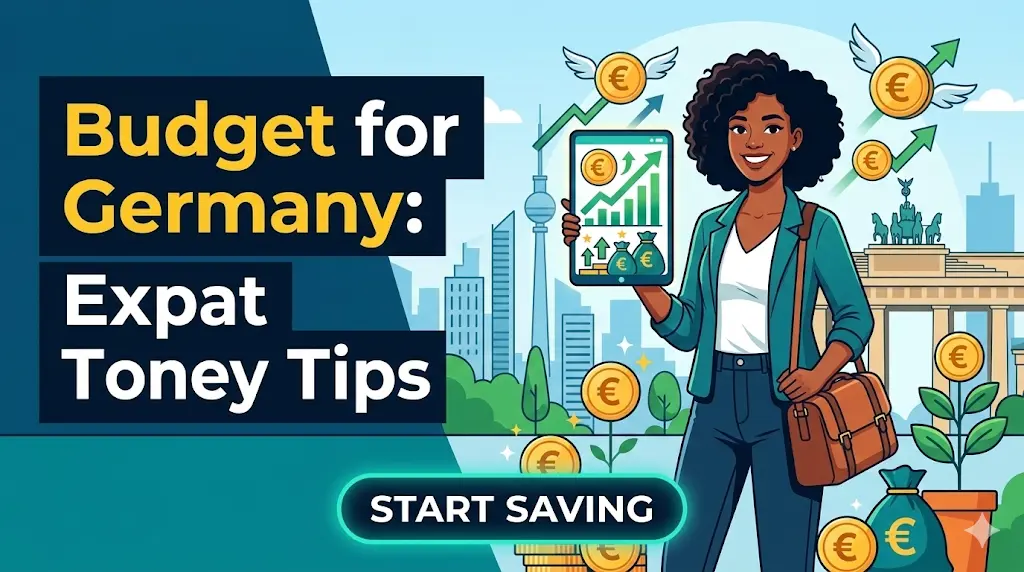
Relocating to Germany offers an incredible quality of life, but it requires serious financial adaptation. This guide unpacks proven budgeting strategies for expats, helping you navigate the unique housing market, reduce daily expenses, and optimize your overall financial footprint.
Disclosure: This post may contain affiliate links. We may earn a commission at no extra cost to you if you make a purchase through these links. Read full disclosure.
Mastering German Housing and Utilities
Renting Cold vs Warm Kaltmiete and Warmmiete
The German rental market operates on a highly specific terminology that frequently catches newly arrived expats completely off guard. When you browse apartment listings, you will immediately see two distinct prices: the Kaltmiete (cold rent) and the Warmmiete (warm rent). The cold rent is strictly the baseline cost of occupying the physical space, paying for the four walls and the roof. The warm rent includes the cold rent plus the Nebenkosten (ancillary costs), which typically cover building maintenance, trash collection, property taxes, and sometimes central heating and water.
Understanding this structure is critical for your budget because the Nebenkosten listed on your contract are merely an estimate based on the previous tenant’s consumption. At the end of the year, the landlord conducts a rigorous reconciliation (Nebenkostenabrechnung). If you consumed more heating or water than the estimated monthly prepayment covered, you will be hit with a massive, retroactive bill. Conversely, if you were frugal, you will receive a refund. To prevent sudden financial shocks, expats should actively budget a 15% buffer above their stated warm rent.
Furthermore, a uniquely German quirk is that most unfurnished apartments do not come with a kitchen (Einbauküche). You are often expected to buy and install your own cabinets, sink, and appliances, adding thousands of euros to your initial moving costs. Factoring in this massive upfront capital requirement, alongside the standard three-month security deposit (Kaution), is the most critical step in your initial relocation phase. We explore the granular details of setting up your household in our Cost of Living in Germany: Budgeting Guide for Expats.
Energy Providers and Internet Contracts
While heating and water are sometimes bundled into your warm rent, electricity (Strom) is almost always your independent responsibility. Germany has some of the highest electricity prices in the world due to the ongoing transition to renewable energy (Energiewende). When you move into a new apartment, you fall into the default supply contract (Grundversorgung) of the local municipal provider, which is notoriously the most expensive tier. You must proactively use comparison portals like Check24 or Verivox to switch to a cheaper, private electricity provider immediately to save hundreds of euros annually.
Internet and mobile phone contracts in Germany present a different financial trap: the rigid 24-month lock-in period. Traditional telecom giants frequently entice expats with low promotional rates for the first six months, only to double the price for the remaining 18 months of a mandatory two-year contract. Terminating these contracts early is legally incredibly difficult, even if you are leaving the country. Opting for flexible, month-to-month contracts—even if the initial base price is slightly higher—provides critical agility for expats.
When researching and signing these binding digital contracts, you will likely be handling sensitive personal and financial data. Because new expats often rely on public Wi-Fi in cafes or temporary housing before their home internet is installed, securing your digital connection is mandatory. Utilizing a premium Virtual Private Network like NordVPN ensures that your banking details and identity documents are wrapped in military-grade encryption, preventing interception on unsecured networks.
Furnishing Your Apartment on a Budget
Because German apartments are frequently rented completely bare—often lacking even light fixtures—the cost of furnishing a flat can obliterate your savings. While global behemoths like IKEA are incredibly popular and accessible across Germany, relying exclusively on buying brand new furniture is a fast track to draining your expat budget.
The secret to furnishing a German apartment economically is mastering the second-hand market. Platforms like Kleinanzeigen (formerly eBay Kleinanzeigen) are the absolute backbone of German local commerce. When residents move, they frequently sell high-quality, perfectly maintained furniture, washing machines, and even entire fitted kitchens at a fraction of their retail price, simply to avoid the labor of transporting them. You can routinely find premium German-engineered appliances for steep discounts if you are willing to arrange the transportation yourself.
Additionally, many cities have vibrant expat Facebook groups and local flea markets (Flohmärkte) where departing international workers sell their entire household setups in a rush. Taking advantage of this constant expat turnover allows you to furnish an apartment for pennies on the euro.
Grocery Shopping and Daily Expenses
The Power of Discount Supermarkets
Germany is the undisputed global birthplace of the hard discount supermarket model, and leveraging this retail structure is the easiest way to slash your daily living expenses. The grocery market is heavily segmented into distinct tiers. At the premium end are traditional supermarkets like Edeka and Rewe, which offer massive selections, premium brand names, organic specialty sections, and aesthetically pleasing shopping environments, but command a significantly higher price premium.
Conversely, the hard discounters—primarily Aldi, Lidl, Penny, and Netto—dominate the budget landscape. These stores operate with ruthless efficiency, displaying products in their original shipping pallets and focusing heavily on private-label brands. The quality of food at these discounters is strictly regulated by European agricultural standards, meaning the fresh produce, dairy, and bakery items are exceptional despite the low cost. Shifting your primary weekly shop from a premium supermarket to a discounter can easily reduce your monthly grocery bill by 30% to 40% without sacrificing nutritional quality.
A critical budgeting factor in German grocery shopping is the Pfand (deposit) system. Almost all plastic and glass beverage bottles carry a mandatory deposit ranging from €0.08 to €0.25. You pay this upfront at the register and receive the cash back when you feed the empty bottles into the automated return machines (Pfandautomat) located at the entrance of every supermarket.
| Supermarket Tier | Primary Brands | Price Level | Best Suited For |
| Premium Supermarkets | Edeka, Rewe, Kaufland | High | Specialty items, massive variety, premium organic brands. |
| Hard Discounters | Aldi, Lidl, Penny, Netto | Low | Weekly staples, fresh produce, extreme budget efficiency. |
| Organic/Bio Stores | Alnatura, Denns BioMarkt | Very High | Strict ecological standards, vegan specialties, dietary niches. |
Dining Out vs Cooking at Home
Dining out in Germany is structurally different from the Anglo-American model and requires a different budgeting approach. While the cost of a standard restaurant meal is relatively affordable compared to London or New York, the frequency of eating out is generally much lower among locals. Germans culturally prioritize home cooking, viewing restaurants as a specific treat rather than a daily convenience.
A massive budget drain for unsuspecting expats is the cost of beverages in German restaurants. Unlike the US, where tap water is free and bottomless, ordering “water” in Germany will result in the waiter bringing a branded, glass bottle of sparkling mineral water that often costs €4 to €6. In many establishments, beer is literally cheaper per liter than bottled water. Furthermore, standard lunch menus (Mittagsmenü) are significantly cheaper than dinner service, making lunch the most cost-effective time to experience local gastronomy.
Tipping culture also impacts your dining budget. In Germany, the service charge is legally included in the menu price. However, it is customary to round up the bill or leave an additional 5% to 10% for good service, known as Trinkgeld. You do not leave cash on the table; you state the total rounded amount you wish to pay directly to the server when they bring the card machine.
Managing Subscriptions and Memberships
Expats often bleed money through forgotten subscriptions and localized fees. The most ubiquitous and inescapable of these is the Rundfunkbeitrag (broadcasting fee), historically known as the GEZ. Every single registered household in Germany is legally obligated to pay a flat fee of €18.36 per month to fund public television and radio, regardless of whether you actually own a TV or consume German media. Ignoring the demanding letters from the Beitragsservice will result in severe late fees and eventual debt collection.
Gym memberships also require strategic navigation. Premium fitness clubs often lock users into iron-clad 12-to-24-month contracts that automatically renew if not canceled exactly three months in advance. For expats seeking flexibility, aggregator platforms like Urban Sports Club have become massively popular. While the monthly fee is slightly higher, these platforms offer month-to-month contracts and grant access to thousands of different gyms, swimming pools, and yoga studios across the country.
To manage these myriad subscriptions, having an agile, modern bank account is critical. Traditional German banks offer clunky interfaces, making it difficult to spot recurring charges. By using a digital-first platform like N26, you receive instant push notifications for every direct debit. N26 automatically categorizes your spending into visual charts, allowing you to instantly identify and eliminate “ghost subscriptions” that are quietly draining your monthly expat budget.
Transportation Strategies for Expats
Utilizing the Deutschlandticket
Transportation costs can easily devour a massive portion of your monthly income if not managed correctly. Fortunately, Germany recently revolutionized its public transit landscape with the introduction of the Deutschlandticket (the 49-Euro ticket). This highly subsidized monthly subscription grants you unlimited access to all local and regional public transportation across the entire country.
For exactly €49 a month, you can ride the U-Bahn (subways), S-Bahn (suburban trains), trams, and city buses in Berlin, Munich, or Frankfurt. More importantly, the ticket is valid on all regional trains (Regionalbahn and Regional-Express). This means you can travel from Munich to the Bavarian Alps, or from Berlin to the Baltic Sea, using regional rail networks at absolutely no extra cost. The only exclusions are the high-speed intercity trains (ICE, IC, EC) operated by Deutsche Bahn.
The Deutschlandticket is the ultimate budgeting tool for an expat. It replaces the archaic, highly fragmented, and outrageously expensive local tariff zones that previously punished commuters. If your employer provides a Jobticket subsidy, they can cover a portion of this €49 cost, rendering your entire nationwide regional transit network practically free.
The Hidden Costs of Car Ownership
For expats arriving from car-centric cultures like the United States or Canada, the instinct is often to immediately purchase a vehicle. In Germany, unless you live in a deeply rural village, owning a car is frequently a massive financial liability rather than a necessity. The German infrastructure heavily penalizes car ownership in major metropolitan hubs.
The hidden costs of maintaining a vehicle in Germany are staggering. You face high annual vehicle taxes (Kfz-Steuer), mandatory and expensive liability insurance (Haftpflichtversicherung), and some of the highest gasoline prices in Europe. Furthermore, every vehicle must pass an incredibly strict, expensive, and rigorous safety and emissions inspection every two years, known globally simply by the name of the testing agency: the TÜV. If your car fails the TÜV, it is illegal to drive until it is repaired to their exact standards.
Add the astronomical cost of parking permits and the sheer lack of street parking in cities like Stuttgart or Cologne, and the financial argument for car ownership collapses for urban expats. By relying on the Deutschlandticket and utilizing robust car-sharing apps (like Miles or ShareNow) for occasional weekend grocery hauls, you can save thousands of euros annually.
Biking as a Primary Commute Option
To further slash transportation costs and bypass public transit delays, massive segments of the German population rely entirely on bicycles for their daily commute. German cities are heavily invested in cycling infrastructure, featuring dedicated, paved bike lanes, specific cycling traffic lights, and strict legal protections for riders against vehicular traffic.
Purchasing a reliable, second-hand city bike on Kleinanzeigen or at a local police auction (Fahrradversteigerung) usually costs between €100 and €250, representing an incredibly rapid return on investment. If you prefer not to deal with maintenance, long-term rental subscriptions like Swapfiets have taken over German cities. For a small monthly fee, you receive a high-quality bicycle; if it breaks or gets a flat tire, the company repairs or replaces it for free within 48 hours.
Biking is deeply woven into the German concept of work-life balance and sustainability. It entirely eliminates the stress of traffic jams, drastically reduces your monthly transit overhead, and provides built-in daily exercise.
Banking Finances and Cross Border Money Management
Choosing the Right German Bank Account
Your financial efficiency in Germany hinges entirely on your banking setup. Traditional German high-street banks (like Sparkasse, Commerzbank, or Deutsche Bank) are notorious for charging punitive monthly maintenance fees, demanding in-person appointments for basic services, and operating digital interfaces that look like they were built two decades ago. Most critically for expats, they rarely offer legally binding contracts or customer support in English.
To bypass this archaic bureaucracy and stop bleeding money to monthly fees, expats overwhelmingly pivot to modern digital neobanks. Opening an account with N26 takes minutes on a smartphone. The entire interface, from the app to the customer support chat, is seamlessly available in English. N26 provides an intuitive budgeting ecosystem, allowing you to create dedicated “Spaces” to instantly segregate your incoming salary into rent, groceries, and savings.
Having an agile, digital-first Euro account is the baseline for German financial survival. It allows you to set up the crucial SEPA Direct Debits (Lastschriftverfahren) required to pay your internet, gym, and electricity bills automatically, ensuring you never miss a payment and incur severe late fees. To deeply compare the available banking tier structures, consult our guide on Best Banks in Germany for Expats: Low Fees and English Support.
Handling International Transfers Efficiently
Expats rarely live their financial lives within a single currency zone. You will likely need to transfer savings from your home country to cover your German apartment deposit, or you may need to send a portion of your Euro salary back home to pay off student loans or support family. If you use a traditional German bank to execute an international SWIFT wire transfer, you are committing a massive financial error.
Legacy banks hide aggressive, punitive profit margins within terrible exchange rates, while attaching opaque, flat-fee processing charges on top. This systematically destroys your wealth across borders. To protect your capital, you must bypass the SWIFT network entirely by utilizing specialized borderless financial technology.
By linking your checking accounts to Wise, you can transfer funds globally at the exact, real mid-market exchange rate—the rate you see on Google. You pay only a minimal, highly transparent upfront fee. Wise completely neutralizes legacy banking extortion, ensuring that the maximum possible amount of your hard-earned money arrives at its destination.
Investing Surplus Savings Locally and Globally
Once you have optimized your rent, slashed your grocery bill, and bypassed banking fees, you will hopefully generate a monthly cash surplus. Leaving this surplus sitting idly in a low-yield German savings account practically guarantees that inflation will erode your purchasing power over time. Germany’s state pension system is robust but under demographic strain; building private wealth is mandatory.
However, the German taxation system for investments, specifically the flat 25% capital gains tax (Abgeltungsteuer), makes localized investing somewhat rigid. Expats who prioritize aggressive wealth creation and absolute geographic flexibility heavily favor utilizing low-cost international brokerages over German retail banks.
By funneling your surplus Euros into an account with Interactive Brokers, you gain unparalleled, low-cost access to global stock exchanges. You can instantly deploy your capital into diversified, broad-market ETFs or global equities, allowing the magic of compound interest to build your long-term security. Because Interactive Brokers operates globally, your assets remain completely portable if your career eventually takes you out of Germany. For a masterclass on structuring this portfolio legally, explore Investing and Saving in Germany: Building Wealth as an Expat.
Tax Optimization and Deductions
Understanding Your Progressive Tax Burden
The single largest expense for any expat working in Germany is income tax. Germany utilizes a steeply progressive tax system, meaning the percentage of tax you pay increases as your income rises. Depending on your salary and tax class (Steuerklasse), your combined income tax and mandatory social security contributions (health, pension, unemployment) can easily consume 35% to 42% of your gross pay.
Budgeting effectively is impossible if you base your lifestyle on your gross salary (Brutto). You must meticulously calculate your net take-home pay (Netto). This massive tax wedge funds Germany’s famous social safety net, providing universal healthcare and unemployment protection, but it severely limits your immediate monthly liquidity.
Claiming Expat Specific Deductions
Because the tax burden is so heavy, the German government allows you to claw back thousands of euros through legitimate tax deductions (Werbungskosten). Filing an annual tax return (Steuererklärung) is highly lucrative, and failure to do so is the equivalent of leaving free money on the table. The state offers a standard, automatic deduction of €1,230 for work-related expenses, but most expats easily exceed this.
You can legally deduct the massive costs of your international relocation, including your flights to Germany, international shipping of your household goods, and even the fees you paid to a real estate agent to find your apartment. If you work from home, the Homeoffice-Pauschale allows you to deduct a flat rate for every day you work remotely. You can also write off the cost of professional German language courses and necessary work equipment like laptops and monitors.
To ensure you capture every possible deduction without triggering an audit from the Finanzamt, reviewing the strict boundaries of these write-offs is essential.
Navigating Church Tax and Surcharges
A uniquely German financial trap that ensnares thousands of newly arrived expats is the Church Tax (Kirchensteuer). During your initial city registration (Anmeldung), the clerk will ask for your religious affiliation. If you state that you are Catholic or Protestant, the German state will act as a collection agency for the church, automatically deducting an additional 8% or 9% of your total income tax liability directly from your monthly payslip.
For high earners, this can easily equate to hundreds of euros vanishing every single year. If you do not actively practice your religion or wish to fund the church institutions in Germany, this is a massive, unnecessary budget drain.
Fortunately, you are not permanently locked into this deduction. You have the absolute legal right to officially leave the church (Kirchenaustritt) and stop the payments. The process requires a physical appointment at a local registry office or district court and a small administrative fee, but the long-term tax savings are enormous.
Conclusion
Successfully budgeting as an expat in Germany requires a fundamental shift in how you view structural living costs. By mastering the cold versus warm rent divide, abandoning expensive car ownership for the Deutschlandticket, and leveraging the massive savings offered by the hard discounter grocery model, you can drastically reduce your monthly overhead.
Furthermore, protecting your digital security with NordVPN and neutralizing archaic banking fees by utilizing agile platforms like N26 and Wise ensures your money remains firmly under your control. Finally, by fiercely optimizing your annual tax deductions and deploying your hard-earned surplus wealth globally through Interactive Brokers, you ensure that your German salary translates directly into lasting, international financial freedom.
References
Primary sources (official)
- Federal Statistical Office of Germany (Destatis): Official data regarding the German Consumer Price Index (CPI), inflation rates, and average household expenditures. https://www.destatis.de/EN/Themes/Economy/Prices/Consumer-Price-Index/_node.html
- Make it in Germany: The official government portal detailing average living costs, employment earnings, and the financial requirements for international professionals. https://www.make-it-in-germany.com/en/living-in-germany/discover-germany/employment-earnings
Other helpful sources
- Finanztip: Germany’s leading independent consumer finance portal, offering deep, analytical breakdowns of utility contract comparisons, banking fees, and legitimate tax deduction strategies. https://www.finanztip.de/
- Deutschlandticket Official Portal: The central information hub detailing the coverage, pricing, and subscription rules for the nationwide €49 regional transit pass. https://www.bahn.com/en/offers/regional/deutschland-ticket
Disclaimer
The information provided in this article is for general informational and educational purposes only and does not constitute professional financial, tax, or legal advice. German rental laws, utility pricing, public transportation tariffs (such as the Deutschlandticket), and specific tax deduction allowances (Werbungskosten) are highly dynamic and subject to continuous legislative updates. The progressive nature of the German tax code means that actual net savings will vary wildly based on your individual Steuerklasse and lifestyle choices. Always consult directly with a certified Steuerberater (tax advisor) or a financial planner when making significant long-term budgeting or investment decisions in Germany.