In-Demand Jobs in Germany: Sectors Looking for Foreign Talent
Germany requires four hundred thousand qualified immigrants annually to fill critical labor shortages across information technology and engineering.
Build your next chapter.
Insights on schools, language study, job searching, workplace norms, contracts, and career admin.

Germany requires four hundred thousand qualified immigrants annually to fill critical labor shortages across information technology and engineering.

German work visa sponsorship involves no government fees, requiring employers only to complete administrative forms and verify salaries.

German employment contracts explain probation periods, working hours, salary deductions, and legal notice rules for foreign workers.

German professional norms explain direct feedback, strict hierarchies, formal pronouns, precise schedules, and boundaries between work and private life.

German job interview rules cover punctuality, conservative dress codes, strict CV standards, and formal communication for foreign applicants.

German application rules detail strict Lebenslauf formatting, professional photos, gap tracking, DIN 5008 cover letters, and formal reference documents.
German job portals and networking strategies provide practical guidance for finding employment opportunities within the local market.
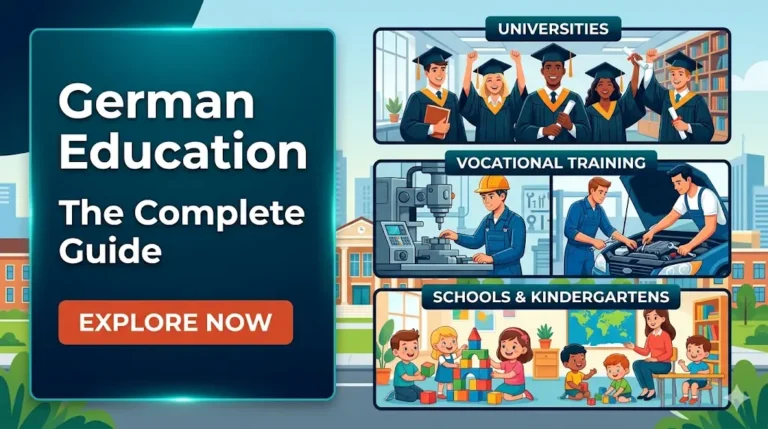
The German education system guides explain primary schools, secondary tracks, vocational apprenticeships, and tuition-free universities for expat families.

Starting a business in Germany requires choosing a legal structure, securing a tax number, and registering freelance work or commercial trade.

German hiring culture details and language requirements help foreign job seekers navigate application formats, local networks, and interview strategies.