Christmas Market Day Trips and Itineraries in Germany
Ah, the German Christmas markets! Few things in Germany evoke such a cozy, magical feeling, but if you’re new here, trying to figure out which market to visit, how to get there, and how to make the most of your time can feel a bit like trying to decipher an ancient riddle written in gingerbread. Don't worry, fellow expat or adventurous traveler, because this guide is designed to whisk away the confusion and help you plan the most enchanting Christmas market day trips and itineraries across Germany, so you can soak up all that festive Weihnachtszauber without the stress.
The Magic of German Christmas Markets: An Overview
There’s a reason why German Christmas markets, or Weihnachtsmärkte, are world-renowned. They're not just places to shop; they're an experience, a living tradition that has warmed hearts (and hands, with copious amounts of Glühwein) for centuries. From the twinkling lights that chase away the winter gloom to the intoxicating aroma of roasted almonds and cinnamon, these markets offer a unique glimpse into German culture and a truly special way to celebrate the festive season.
Disclosure: This post may contain affiliate links. We may earn a commission at no extra cost to you if you make a purchase through these links. Read full disclosure.
Why German Christmas Markets are Special
The tradition of Christmas markets in Germany dates back to the late Middle Ages, with the Dresden Striezelmarkt often cited as the oldest, first held in 1434. Originally, they were simply winter markets where townspeople could stock up on supplies before the colder months, but over time, they evolved into vibrant celebrations centered around the Christmas season. What makes them truly special isn't just their age, but the tangible sense of history and community you feel wandering through them.
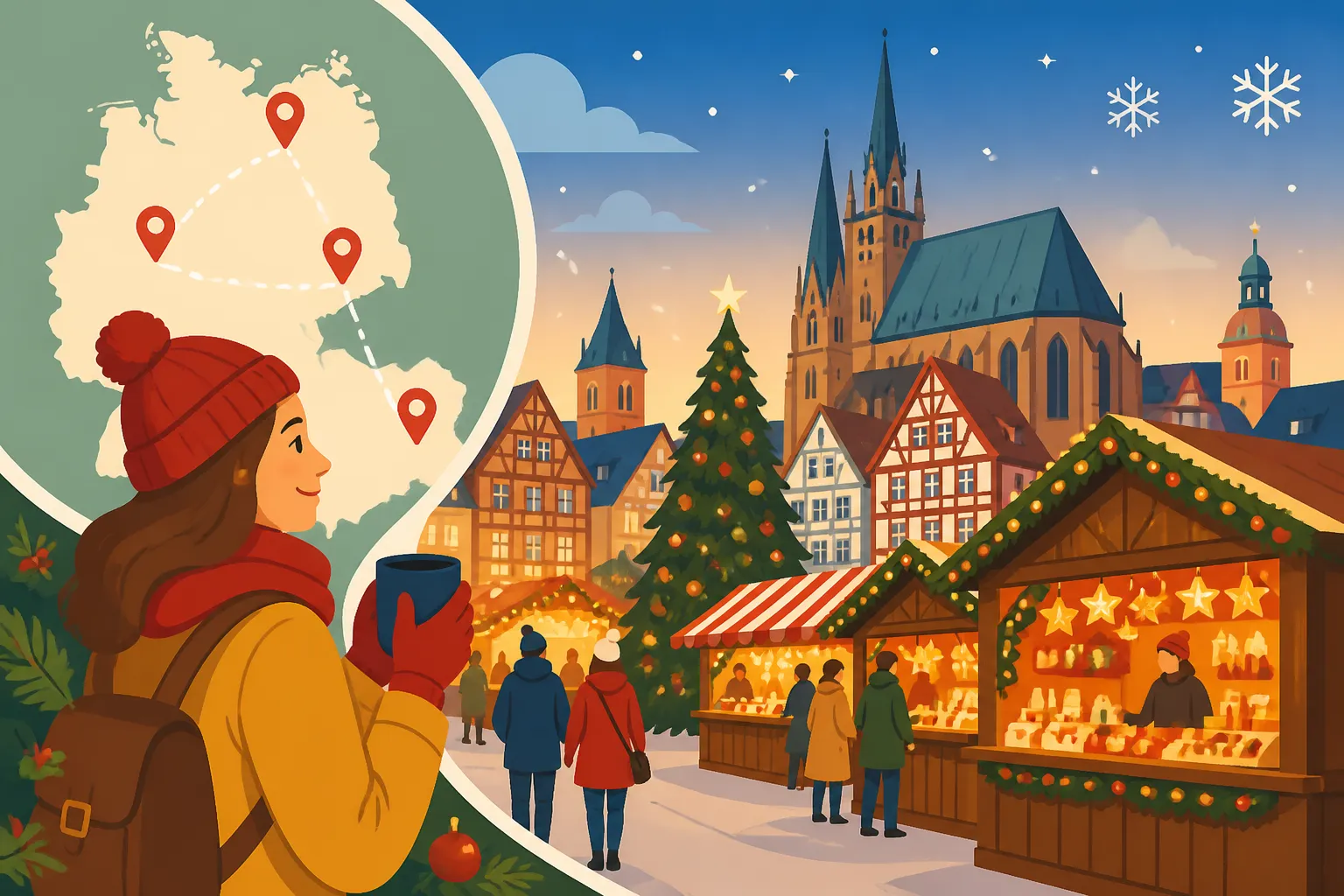
Each market has its own character, often reflecting the unique traditions and regional specialties of its host city. You'll find intricately hand-carved wooden toys, delicate glass ornaments, and locally crafted goods that speak of generations of artistry. It's not just about commerce; it's about preserving heritage and sharing a piece of German soul. The atmosphere is undeniably unique—a blend of festive cheer, anticipation for Christmas, and a cozy gathering place for friends and family. Imagine standing amidst a throng of happy people, sipping on a warm mug of spiced wine, with carols playing softly in the background and the silhouette of a historic cathedral looming above, its spires illuminated against the night sky. That, my friends, is the quintessential German Christmas market experience. They are truly one of the highlights of Visiting Germany in Winter: Christmas Markets and Snow.
Planning Your Visit: Key Considerations
Before you dive headfirst into the festive fray, a little planning goes a long way. The Christmas market season typically kicks off in late November, usually the Friday before the first Advent, and runs until December 23rd or 24th, though some markets might extend a day or two past Christmas. Weekends, especially Saturday evenings, are incredibly popular and can get very crowded. If you're looking for a more relaxed experience, try visiting on a weekday afternoon, just as the markets are opening and before the after-work rush.
What to Expect: Prepare for chilly weather! Layers are your best friend, as are comfortable walking shoes, hats, scarves, and gloves. You'll be spending a lot of time outdoors, standing and strolling. Many stalls prefer cash, though card payments are becoming more common. Having some small euro notes and coins on hand will make transactions smoother, especially for smaller purchases and that all-important Glühwein. Also, be prepared for a truly sensory experience: the delicious smells of roasted chestnuts, sizzling sausages, and sweet pastries will assault your nostrils (in the best way possible!), while the sounds of festive music and jovial chatter will fill the air. Understanding German Pricing: Why Prices Include Tax and Bottle Deposits (Pfand) also applies here, especially for your Glühwein mug deposits!
Popular Christmas Market Destinations for Day Trips
Germany boasts hundreds of Christmas markets, each with its own charm. But for a memorable day trip, some cities consistently rise to the top for their scale, unique offerings, and accessibility.
Nuremberg: The Classic Christkindlesmarkt
When you think of a traditional German Christmas market, Nuremberg's Christkindlesmarkt is likely what comes to mind. It's arguably the most famous and, some would say, the most authentic. The market is nestled in the Hauptmarkt square, right in front of the impressive Frauenkirche, and its opening is famously heralded by the Christkind (Christmas Angel) recited from the church balcony.
Traditions and Famous Food: Nuremberg is synonymous with Nürnberger Rostbratwürste – small, finger-sized grilled sausages that are typically served three in a bun (Drei im Weckla) with mustard. You absolutely must try them. Another must-have is Lebkuchen, the famous Nuremberg gingerbread, which comes in various forms, from soft, spiced cakes to elaborately decorated cookies. The market is also renowned for its traditional handcrafted wares, like wooden nutcrackers, intricate Christmas pyramids, and Rauschgoldengel (gold-foil angels). It truly showcases How German Christmas Markets Work: Food, Drinks, and Gifts.
Getting There: Nuremberg is easily accessible by train from most major German cities. Deutsche Bahn offers frequent connections, and if you plan your trip in advance or travel off-peak, you might find some great deals. The train station is a short walk or quick tram ride to the old town where the market is located. You can also explore options on platforms like Omio, which allows you to compare train and bus options to find the best route and price for your day trip.
Dresden: Striezelmarkt and Baroque Charm
Steeped in history, Dresden is home to the Striezelmarkt, Germany's oldest Christmas market, dating back to 1434. This market offers a truly historical experience set against the stunning backdrop of Dresden's baroque architecture, particularly the Frauenkirche and Zwinger palace, making for an unforgettable sight, especially at dusk.
Oldest Market and Unique Crafts: The Striezelmarkt is famous for its unique regional specialties. Chief among them is the original Dresdner Christstollen, a rich, fruit-studded bread often dusted with powdered sugar, which has its own protected geographical indication. You'll find dedicated Stollen stalls and even a "Stollen Festival" on the second Saturday of Advent. Another highlight is Pflaumentoffel, small figures made from prunes, and Pyramiden, elaborate wooden Christmas pyramids that rotate with the heat of candles. The market truly exudes a historical ambiance that sets it apart.
Historical Context and Transport: Dresden's old town, largely reconstructed after WWII, is a marvel of resilience and beauty. A stroll through the city before or after hitting the market will immerse you in its rich past. Getting to Dresden is straightforward, with excellent train connections from Berlin (often just over 2 hours) and other cities in eastern Germany. Again, checking platforms like Omio can help you sort through train schedules and bus options. Once you arrive at Dresden Hauptbahnhof, the Striezelmarkt is a pleasant walk or a short tram ride away.
Cologne: Cathedral Backdrop and Themed Markets
Cologne offers a vibrant and diverse Christmas market experience, with several distinct markets scattered throughout the city, each with its own theme. The most iconic, of course, is the market right in front of the magnificent Cologne Cathedral, a UNESCO World Heritage site.
Different Markets and City Highlights: Beyond the main market at the Cathedral, you'll discover several other delightful options. There’s the charming "Home of the Heinzelmännchen" market in the Old Town, dedicated to Cologne's legendary house gnomes, known for its traditional crafts and medieval feel. The "Harbor Christmas Market" by the Chocolate Museum offers a maritime theme, complete with a Ferris wheel and beautiful views of the Rhine. For something a bit more modern and stylish, the "Angel's Market" on Neumarkt is worth a visit, with its elegant white stalls and shimmering decorations. Exploring these different markets gives you a comprehensive feel for the city's festive spirit.
Accessibility: Cologne is a major transport hub in western Germany, making it incredibly easy to reach by train from cities like Frankfurt, Düsseldorf, and even Brussels or Amsterdam. The Cologne Hauptbahnhof is directly adjacent to the cathedral, so you're literally steps away from the heart of the main Christmas market. The city's excellent public transport system (trams and buses) makes it easy to hop between the various themed markets. This city offers fantastic opportunities for a multi-market day trip.
Crafting Your Own Christmas Market Itinerary
Deciding where to go is just the first step. The real fun (and sometimes the challenge) is figuring out how to string together your Christmas market visits into a memorable itinerary.
Single-City Deep Dive: Immersive Experience
Sometimes, less is more. Instead of rushing between multiple cities, dedicating a full day, or even an overnight stay, to one major Christmas market city allows for a truly immersive experience. Take Munich, for example. While its main Marienplatz market is famous, the city also hosts the medieval market at Wittelsbacherplatz, the charming Christmas Village at the Residenz, and smaller, more local markets in various neighborhoods.
By focusing on one city, you have the luxury of exploring all its nooks and crannies. You can visit the market during the day to appreciate the craftsmanship in better light, then return in the evening when the lights twinkle and the atmosphere becomes truly magical. You can take your time to sample all the different Glühwein variations, linger over conversations with stall owners, and maybe even take a tour. This approach minimizes travel time and maximizes your time soaking up the unique ambiance of that specific city's festive offerings. For an immersive dive, consider adding a tour from GetYourGuide, perhaps a historical city walk that ends at the market, or a dedicated food tasting tour.
Multi-City Mini-Tour: Hitting the Highlights
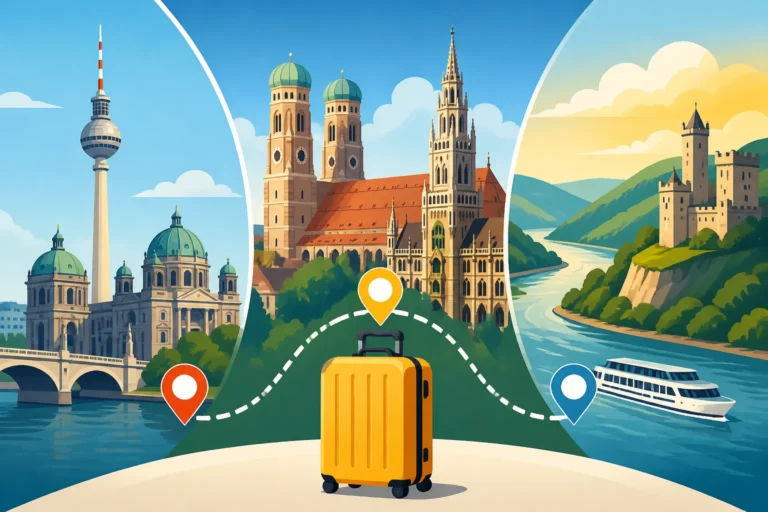
If you're feeling a bit more ambitious and want to see a variety of markets, a multi-city mini-tour can be incredibly rewarding. The key here is to choose cities that are geographically close and well-connected by train. For instance, a classic itinerary could involve spending a morning in Aachen, known for its charming market around the cathedral, and then taking a short train ride to Cologne for an afternoon and evening soaking up its multiple markets.
Another great option is to explore markets in the Rhine-Main region. You could start in Wiesbaden, famous for its "Sternschnuppenmarkt" (Shooting Star Market) with its blue and gold theme, then head to Mainz for its market around the impressive cathedral, and perhaps even swing by Frankfurt for its sprawling market with views of the Römerberg. Planning these connections effectively is crucial, and platforms like Omio can be invaluable for finding efficient train or bus routes between towns. Remember that while exciting, this approach requires careful timing and can be tiring, so don't overschedule yourself!
Beyond the Big Names: Hidden Gems
While the big, famous markets are wonderful, Germany also has a plethora of smaller, often more intimate, and equally charming Christmas markets that can offer a truly authentic experience away from the heaviest crowds. These "hidden gems" often take place in picturesque medieval towns or within the courtyards of castles.
Consider visiting Rothenburg ob der Tauber, a stunning medieval walled town, which transforms into a fairy-tale wonderland for its "Reiterlesmarkt." The market is smaller but incredibly atmospheric, and the town itself is a sight to behold. Another example is the "Ravenna Gorge Christmas Market" in the Black Forest, uniquely nestled under a viaduct of a railway bridge, creating an almost cinematic backdrop. These smaller markets often emphasize local crafts and regional folklore even more strongly. They might require a bit more effort to reach, perhaps a combination of train and local bus, but the reward is a less commercialized, more genuine slice of German Christmas magic. These are often great for a more peaceful experience compared to the bustling metropolitan markets.
Practicalities for Your Christmas Market Adventures
Once you have your itinerary, it's time to iron out the practical details. Smooth logistics mean more joy and less stress during your festive excursions.
Transportation Logistics: Trains, Buses, and Cars
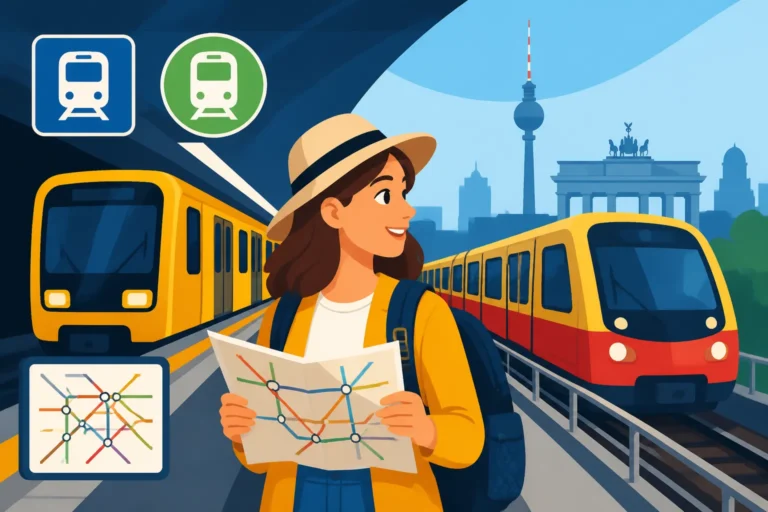
Germany's public transportation system is generally excellent, making train travel the most convenient and often enjoyable way to reach Christmas markets.
- Trains (Deutsche Bahn): Deutsche Bahn (DB) is Germany's national railway company, offering extensive connections across the country. For day trips, regional trains (Regionalbahn or Regional-Express) are great for shorter distances, while the high-speed ICE trains connect major cities quickly. Booking tickets in advance, especially for ICE services, can often save you money. Look out for special offers like the Quer-durchs-Land-Ticket or regional day tickets if you're traveling with a group or only using regional trains. For more detailed insights on how to book and save, check out our guide on How to Buy Deutsche Bahn Tickets and Save Money and High-Speed Trains in Germany (ICE): Deutsche Bahn Routes and Savings.
- Deutschland-Ticket: If you plan on doing multiple day trips within a month and relying solely on regional public transport (including regional trains, buses, and trams, but not ICE/IC/EC trains), the Deutschland-Ticket can be an incredibly cost-effective option. For a fixed monthly price, it offers unlimited travel on all local and regional public transport throughout Germany. This is perfect for leisurely Christmas market hopping. Learn more in What Is the Deutschland-Ticket and Is It Worth It?
- Buses (FlixBus): Long-distance buses like FlixBus offer a more budget-friendly alternative to trains, especially for routes not directly covered by high-speed rail. They can be a good option for connecting smaller towns or if train tickets are particularly expensive.
- Cars: While having a car offers flexibility, driving to major city center Christmas markets can be a headache due to traffic, expensive parking, and often restricted access. If you do drive, research parking options (P+R – Park and Ride, or garages) in advance. For markets in more rural or castle settings, a car might be essential.
Booking platforms like Omio can be a real lifesaver for comparing and booking tickets across different transport modes, whether it's trains or buses, helping you find the most efficient and economical way to get to your chosen winter wonderland.
Accommodation and Booking Tips
Even if you're planning a day trip, sometimes the magic of the market compels you to stay overnight, or perhaps you're building a multi-day itinerary. Booking accommodation well in advance is absolutely crucial, especially for popular cities during the Christmas market season. Hotels, guesthouses (Pensionen), and even hostels fill up quickly and prices tend to rise.
Websites like Booking.com are excellent resources for finding a wide range of accommodation options. Look for places close to the main train station or with good public transport connections to the markets. If you're staying overnight, consider that many markets have extended evening hours, giving you more time to explore without feeling rushed to catch a late train home. For a deeper dive into finding a place to stay, explore our guide on Accommodation in Germany: Hotels, Pensionen, and Hostels. Staying overnight also means you can often enjoy the markets after the biggest crowds have thinned out, perhaps enjoying a final Glühwein in relative peace.
Budgeting and Costs
Christmas market visits, while magical, can add up quickly. Here’s a breakdown of what to budget for:
- Transportation: As discussed, this can vary widely depending on your chosen mode and how far in advance you book. Expect to spend anywhere from €10 to €50+ per person for a return day trip, possibly more for high-speed, last-minute tickets. The Deutschland-Ticket offers great value if it fits your travel plans.
- Food and Drink: This is where the budget often gets stretched! A mug of Glühwein typically costs €3-€5, plus a €3-€4 Pfand (deposit) for the mug, which you get back when you return it. Snacks like a Bratwurst will be around €4-€6, Flammkuchen €7-€10, and roasted almonds €4-€6 per bag. If you plan to eat and drink generously, budget €20-€40 per person per market visit.
- Souvenirs and Gifts: This is highly variable. Small ornaments might be €5-€15, while a hand-carved nutcracker or a genuine Herrnhuter Star could set you back €30-€100 or more. Set a budget beforehand if you're prone to impulse buys!
- Entry Fees: Most large Christmas markets have free entry, but some smaller, specialty markets (e.g., in castle courtyards or specific themed events) might charge a small entrance fee, usually a few euros.
All in all, for a full day trip with food, a few drinks, and a small souvenir, a realistic budget would be around €50-€100 per person, not including major purchases.
What to Eat, Drink, and Buy at Christmas Markets
The sensory overload at a German Christmas market is part of its charm. To truly experience it, you need to dive into the culinary offerings and explore the artisan stalls.
Culinary Delights: Glühwein, Lebkuchen, and More
No visit to a German Christmas market is complete without indulging in its edible and drinkable delights. The air is thick with the scent of spices and treats, making it impossible to resist.
- Glühwein: This is the undisputed star of the show! Mulled wine, served steaming hot in festive mugs (remember the Pfand!), comes in red and white varieties. You might also find Glühwein mit Schuss (with a shot of rum or amaretto) or non-alcoholic Kinderpunsch for the little ones or designated drivers. It's the perfect way to warm up from the inside out. For a deeper dive into these festive concoctions, check out Glühwein and Festive Drinks in Germany.
- Bratwurst: German sausages are legendary, and Christmas markets are no exception. From the classic Bratwurst in a bun (often with mustard) to regional specialties like Nuremberg's Rostbratwürste or Thuringian Rostbratwurst, there's a sausage for everyone.
- Lebkuchen: Gingerbread in various forms. Nuremberg is famous for its soft, cake-like Lebkuchen, but you'll find intricately decorated gingerbread hearts (often with sweet messages) everywhere.
- Roasted Almonds (Gebrannte Mandeln): The sweet, caramelized aroma of these roasted nuts is utterly irresistible.
- Flammkuchen: A thin, crispy flatbread topped with crème fraîche, onions, and bacon, similar to a very thin pizza. A fantastic savory option.
- Champignons mit Knoblauchsauce: Fresh mushrooms sautéed with garlic sauce, surprisingly delicious and comforting.
- Stollen: Especially in Dresden, this rich fruit bread is a must-try.
- Kartoffelpuffer/Reibekuchen: Crispy potato pancakes, often served with applesauce (Apfelmus) or herb quark.
- Sweet Treats: Waffeln (waffles) with various toppings, Crêpes, Schmalzkuchen (small fried dough pastries), and chocolate-covered fruit are always popular.
Unique Gifts and Souvenirs
Beyond the food and drink, Christmas markets are a treasure trove for unique gifts and souvenirs. This is where you can find something truly special and often handcrafted.
- Hand-Carved Wooden Items: Look for Räuchermännchen (smoking men), Nussknacker (nutcrackers), and Weihnachtspyramiden (Christmas pyramids). These intricate pieces are often made in the Erzgebirge region and are traditional German Christmas decorations.
- Glass Ornaments (Glasschmuck): Delicate, hand-blown, and often hand-painted glass ornaments are beautiful keepsakes.
- Herrnhuter Sterne: These iconic paper or plastic stars, originating from the Moravian Church community in Herrnhut, are used as Advent and Christmas decorations.
- Handmade Candles, Soaps, and Jewelry: Many stalls feature artisans selling their unique creations, perfect for thoughtful gifts.
- Woolen Goods: Scarves, hats, and gloves, often hand-knitted, are practical and cozy souvenirs.
- Regional Specialties: Think local honey, unique jams, special liqueurs, or regional ceramics.
Choosing what to buy from the sheer array of options can be overwhelming, so focusing on truly authentic, handcrafted items will give you the most meaningful souvenirs. Our guide on Christmas Market Shopping: Crafts and Gifts offers more specific ideas.
Enjoying the Atmosphere Responsibly
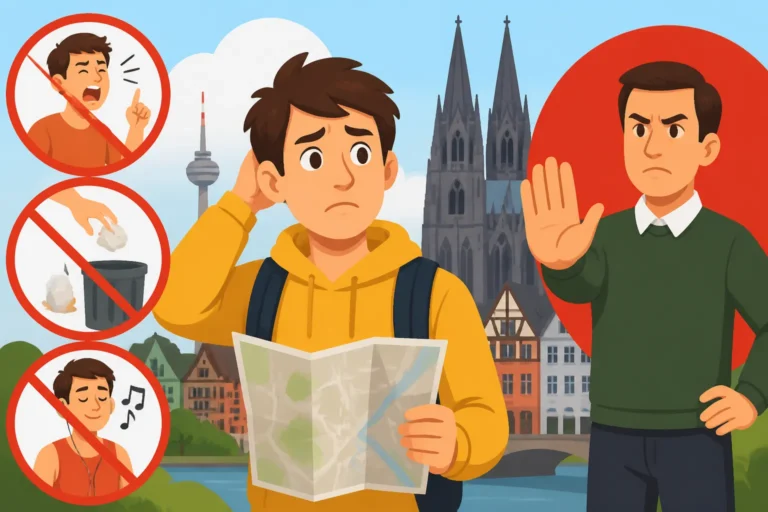
While Christmas markets are generally safe and joyful places, it's wise to keep a few things in mind to ensure a pleasant experience for everyone.
- Crowd Etiquette: Be mindful of others. Markets can get very busy, so be prepared for close quarters, especially around popular stalls. Keep an eye on your belongings.
- Stay Warm: As mentioned, dress in layers. Duck into a nearby café for a coffee or hot chocolate if you need a break from the cold.
- Cash is King (Often): While many larger stalls accept cards, smaller vendors might not. Always have some cash on hand.
- Security: Like any crowded public place, it's smart to be aware of your surroundings and keep an eye on your bag or wallet. Pickpocketing can occur in busy areas. Staying Safe in Germany: Common-Sense Tips for Travelers provides broader advice.
- Mug Deposits (Pfand): Remember that you pay a deposit for your Glühwein mug. You can usually return it to any Glühwein stall within the same market to get your deposit back. Sometimes, people collect the mugs as souvenirs, but returning them helps with recycling and ensures you get your money back!
By being prepared and respectful, you'll ensure your Christmas market day trips are filled with nothing but festive cheer.
Christmas Market Comparison Table
To help you visualize some popular choices for your day trips, here's a quick comparison of a few renowned markets:
| Market City (Name) | Best For | Key Culinary Delights | Vibe/Atmosphere | Estimated Crowds (Peak) | Main Dates (Approx.) |
|---|---|---|---|---|---|
| Nuremberg (Christkindlesmarkt) | Traditional, authentic German Christmas | Nürnberger Rostbratwürste, Lebkuchen, Glühwein | Historic, classic, bustling, iconic | Very High | Late Nov – Dec 24 |
| Dresden (Striezelmarkt) | Oldest market, baroque backdrop, unique crafts | Dresdner Christstollen, Pflaumentoffel | Historic, traditional, charming, cultural | High | Late Nov – Dec 24 |
| Cologne (Cathedral Market & others) | Multiple themed markets, stunning cathedral | Bratwurst, Reibekuchen, diverse food options | Diverse, lively, majestic backdrop, festive | High | Late Nov – Dec 23 |
| Rothenburg ob der Tauber (Reiterlesmarkt) | Fairy-tale setting, medieval charm, quaint | Franconian specialties, Schneeballen | Romantic, intimate, picturesque, historical | Medium-High (for town size) | Late Nov – Dec 23 |
This table should give you a good starting point for deciding which markets align best with your desired experience. Remember, no matter where you go, the spirit of Christmas in Germany is truly something to behold.
Disclaimer
Please remember that while this guide provides general advice and information, opening hours, dates, and specific offerings for Christmas markets can vary from year to year. It's always a good idea to check official city tourism websites or market-specific pages closer to your travel dates for the most up-to-date information. Travel conditions, especially public transport schedules, can also change.