How to Combine Berlin, Munich, and the Rhine in One Trip
Planning a trip to Germany that somehow magically weaves together the pulsating urban energy of Berlin, the fairytale romance of the Rhine Valley, and the hearty Bavarian charm of Munich can feel like trying to solve a Rubik's Cube blindfolded. You've got distinct regions, significant distances, and so much to see that it’s easy to feel overwhelmed before you even begin. But don't you worry, my fellow wanderer; this guide is here to walk you through how to stitch these incredible, diverse destinations into one unforgettable journey, offering practical tips and realistic expectations for making it all happen smoothly.
Disclosure: This post may contain affiliate links. We may earn a commission at no extra cost to you if you make a purchase through these links. Read full disclosure.
Crafting Your Germany Itinerary: Berlin, Munich, and the Rhine
It's a common dream for many visitors to Germany: to experience the stark historical weight and modern coolness of Berlin, then glide along a river past ancient castles, and finally clink beer steins in a bustling Bavarian beer garden. These three locations offer such a rich, contrasting tapestry of German experience that it’s no wonder they’re often top of the list. The challenge, of course, is the sheer geographical spread.
Why These Three? Unpacking Germany's Diverse Charms
Each of these destinations brings something utterly unique to the table, which is precisely why they're so often desired in a single itinerary.
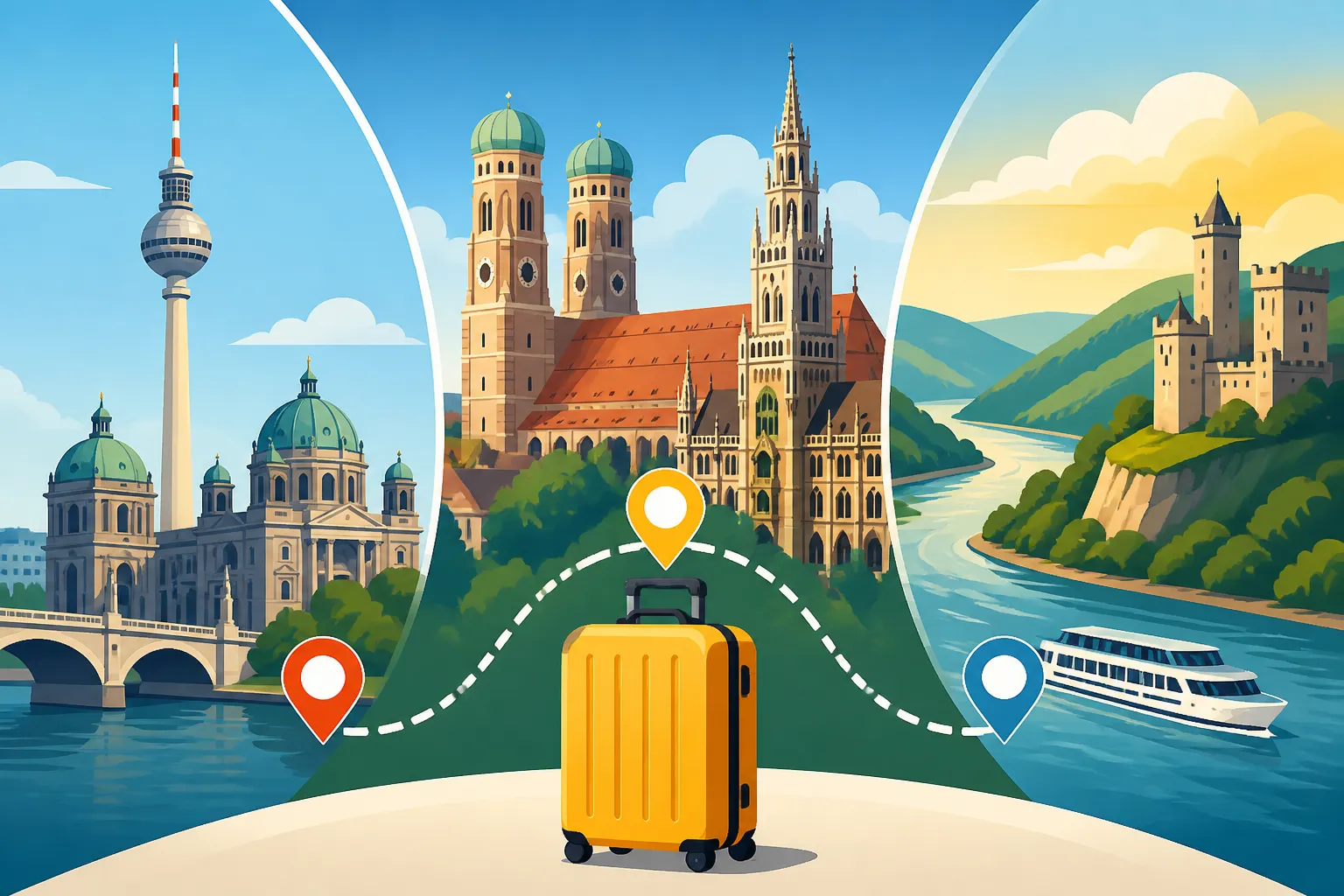
Berlin, the capital, is a city that has seen it all and carries its history with both solemnity and defiant modernity. You'll find remnants of the Berlin Wall, the Brandenburg Gate, and world-class museums alongside vibrant street art, trendy cafes, and a legendary nightlife. It's a place where every corner tells a story, and the atmosphere is perpetually buzzing with creative energy and a sense of constant evolution. It truly represents the contemporary, forward-looking Germany, while never forgetting its complex past. It's an essential stop for anyone wanting to truly understand the country's narrative.
The Rhine Valley, specifically the Upper Middle Rhine Valley, is a UNESCO World Heritage site and feels like stepping directly into a Brothers Grimm fairytale. Imagine vineyard-covered hillsides, medieval castles perched dramatically on cliffs, and charming villages lining the riverbanks. It’s a completely different pace from Berlin – tranquil, picturesque, and steeped in centuries of folklore and winemaking tradition. This region offers a breathtaking natural beauty combined with historical grandeur that provides a stark and welcome contrast to city life. The castles here, like the famous Marksburg, are not just ruins but living testaments to Germany’s storied past.
Then we have Munich, the heart of Bavaria, a city that perfectly blends cosmopolitan flair with deep-rooted traditions. Think lederhosen, beer gardens, hearty food, magnificent palaces like Nymphenburg, and the iconic Frauenkirche. It's famously welcoming, with a vibrant cultural scene, stunning architecture, and a strong sense of local identity. Munich is often seen as the epitome of quintessential German charm, offering a warm and festive atmosphere that feels distinctly different from the northern capital. Its proximity to the Alps also makes it a gateway to stunning natural landscapes.
The Logistical Challenge and How to Overcome It
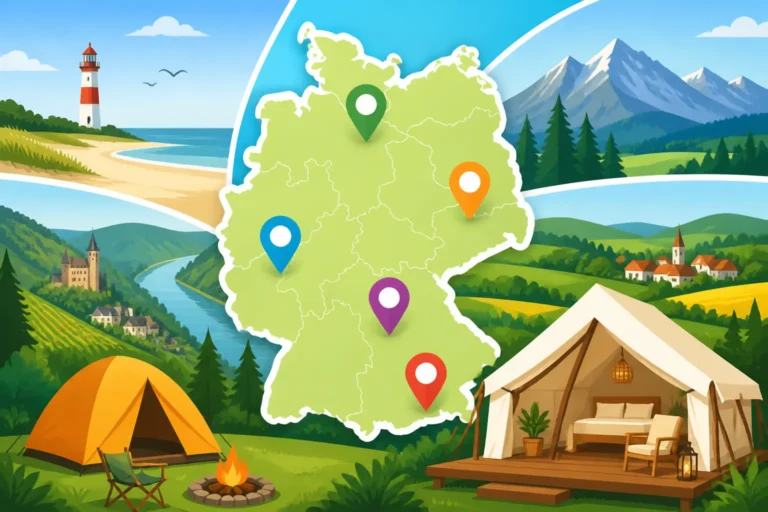
The main hurdle, as you’ve probably guessed, is distance. Berlin is in the northeast, Munich in the southeast, and the Rhine Valley (roughly centered around cities like Cologne or Koblenz) is in the west. Trying to cram all three into a whistle-stop tour without proper planning can lead to more time spent on trains or in transit hubs than actually enjoying your destinations. This isn't a trip where you can just spontaneously hop between locations without considering travel times.
The key to overcoming this is strategic planning, prioritizing efficient transport, and accepting that you won't see everything in each place. It’s about creating a flow that minimizes backtracking and maximizes your experience. You'll need to think about which order makes the most sense geographically and how much time you genuinely want to dedicate to travel versus exploration. For most travelers, a journey of 10 to 14 days offers a good balance to hit these three gems without feeling too rushed. Any less, and you'll likely feel like you're just skimming the surface.
Navigating Germany: Your Transport Options
Germany boasts one of the most efficient public transportation networks in the world, making it surprisingly straightforward to cover significant distances. When combining Berlin, Munich, and the Rhine, your choices primarily boil down to trains, internal flights, or renting a car.
The Efficiency of Deutsche Bahn
For the vast majority of this journey, Germany’s national railway, Deutsche Bahn (DB), will be your best friend. Their high-speed ICE (Intercity-Express) trains are comfortable, quick, and connect major cities across the country with impressive frequency. Traveling by train allows you to relax, enjoy the scenery, and avoid the hassles of airport security or navigating unfamiliar roads.
- Berlin to the Rhine: Depending on your specific Rhine Valley base (e.g., Cologne, Koblenz), an ICE journey from Berlin can take roughly 4-5 hours. This is a very manageable travel day where you can work, read, or simply gaze out the window.
- Rhine to Munich: From cities like Cologne or Koblenz, an ICE to Munich will typically take around 4.5 to 6 hours. Again, a solid chunk of travel, but on a comfortable, reliable train.
- Berlin to Munich (direct): A direct ICE train between these two major hubs clocks in at about 4 to 4.5 hours, making it an incredibly efficient way to traverse the country.
Booking Tips: Always try to book your train tickets well in advance, especially for ICE services, to get the best prices (Sparpreis or Super Sparpreis fares). These tickets are often significantly cheaper than buying on the day of travel. You can easily check schedules and purchase tickets directly through the Deutsche Bahn website or apps, or use platforms like Omio which aggregates different transport options, sometimes showing you alternatives like buses as well. Don't forget to look into the Deutschland-Ticket and Is It Worth It? if your trip involves a lot of regional travel, though for long-distance ICE, separate tickets are usually needed.
Strategic Flight Connections
While trains are generally preferred for environmental reasons and ease of city-center access, there might be situations where an internal flight could save you time, especially if you find a cheap direct connection. For instance, flying from Berlin to Munich can take about an hour, plus airport transit time. However, by the time you factor in getting to and from airports, security, and potential delays, it often evens out with train travel, particularly if you’re traveling light. Flying only really makes sense if the train journey is significantly longer (which isn't the case for these routes) or if you score an exceptionally good deal that makes the extra hassle worthwhile. Always compare the door-to-door time and cost when considering flights versus trains.
Car Rentals for Flexibility (with caveats)
Renting a car offers unparalleled flexibility, especially if you plan on delving deep into the smaller towns and scenic routes of the Rhine Valley or exploring the Bavarian countryside around Munich. Imagine pulling over whenever a picture-perfect castle or vineyard catches your eye! You can explore Renting a Car and Driving on the Autobahn for more details on navigating German roads.
Pros of a Car:
- Freedom: Explore at your own pace, stop anywhere you like.
- Access: Reach remote castles or charming villages not easily served by public transport.
- Luggage: No need to haul suitcases on and off trains.
Cons of a Car:
- City Driving/Parking: Driving in Berlin and Munich can be stressful, and parking is often expensive and hard to find.
- Cost: Rental fees, fuel, insurance, and parking add up.
- Responsibility: Navigating, dealing with traffic, and finding parking.
- Autobahn: While famous for no speed limits, certain sections do have them, and driving here can be intense, especially for those unfamiliar with high-speed traffic.
If you choose to rent a car, I'd suggest doing so after you've explored your first major city (e.g., Berlin) and before you arrive at your last major city (e.g., Munich). This way, you can pick up the car for the scenic Rhine drive and return it before tackling city driving in Munich.
Suggested Itinerary Breakdown (10-14 Days)
This is where the rubber meets the road! Here’s a popular and efficient way to combine these three incredible regions. We’ll assume an arrival into Berlin and departure from Munich, as this forms a logical progression.
Starting in Berlin: History, Art, and Urban Pulse (3-4 Days)
You’ll want to kick off your adventure in the capital. Berlin truly demands a few days to even scratch the surface.
- Day 1: Arrival & Historic Center: Arrive at Berlin Brandenburg Airport (BER). Take the train into the city and check into your accommodation. Booking.com is always a reliable platform for finding a place, from quirky boutique hotels to comfortable hostels, depending on your style. Spend the afternoon immersing yourself in central Berlin: the Brandenburg Gate, Reichstag Building (book your visit in advance!), and the powerful Memorial to the Murdered Jews of Europe. Grab dinner in the Mitte district.
- Day 2: Wall & Cold War History: Dedicate today to understanding Berlin's Cold War past. Visit the East Side Gallery (the longest open-air gallery in the world on remnants of the Berlin Wall), Checkpoint Charlie, and the Topography of Terror museum. Consider a visit to the DDR Museum for a glimpse into daily life in East Germany.
- Day 3: Museums & Culture: Explore Museum Island, a UNESCO World Heritage site home to five world-renowned museums, including the Pergamon Museum and the Neues Museum (Egyptian Museum). In the afternoon, wander through the trendy Hackescher Markt area, known for its courtyards, boutiques, and cafes. You can delve into Berlin for First-Time Visitors: Neighborhoods and Highlights for more specific recommendations on what to see and do.
- Day 4 (Optional): Day Trip or Neighbourhood Exploration: If you have an extra day, consider a half-day trip to Potsdam to see Sanssouci Palace, or explore a vibrant Berlin neighbourhood like Kreuzberg or Prenzlauer Berg, known for their unique atmosphere, street art, and diverse culinary scenes.
The Rhine Valley: Castles, Wine, and Fairytale Landscapes (2-3 Days)
After the intensity of Berlin, the serene beauty of the Rhine will be a welcome change of pace. From Berlin, take an ICE train directly to a Rhine Valley hub. Popular choices include Koblenz, Mainz, or even Cologne if you want a larger city base. Koblenz, where the Rhine and Moselle rivers meet, is a fantastic starting point.
- Day 5: Train to Rhine & River Cruise: Take your morning train from Berlin to Koblenz. Check into your hotel. In the afternoon, embark on a scenic Rhine River cruise. Many cruises depart from Koblenz or other towns like Boppard or Rüdesheim. This is truly the best way to soak in the views of vineyards, picturesque towns, and, of course, the countless castles that dot the landscape. A visit to the famous Marksburg Castle, the only never-destroyed medieval castle on the Middle Rhine, is highly recommended. GetYourGuide offers many different river cruises and castle tours in this region, which can be super convenient if you prefer guided experiences. You can find more specific tips in The Rhine Valley: Castles, Wine, and River Towns.
- Day 6: Castle Hopping & Wine Tasting: Dedicate this day to exploring one or two of the region's most iconic castles or charming wine villages. You could take a local train or even a ferry (if available) to Bacharach or St. Goar, home to Burg Rheinfels. Many of these towns offer delightful wine tasting opportunities. If you're driving, this is the perfect day to enjoy the freedom of the road.
- Day 7 (Optional): Moselle Valley or Cologne: If you have an extra day, consider a short excursion into the nearby Moselle Valley, famous for its equally stunning scenery and excellent Riesling wines, or head slightly north to Cologne to see its magnificent Gothic cathedral before heading south.
Bavarian Charm in Munich: Culture, Beer, and Alpine Views (3-4 Days)
From your Rhine Valley base, take the ICE train directly to Munich. This will be your longest travel day, but remember, German trains are comfortable!
- Day 8: Arrival & City Center: Arrive in Munich and settle into your accommodation. Spend the afternoon exploring Marienplatz, with its iconic Glockenspiel, the Frauenkirche, and the Viktualienmarkt (a bustling open-air market). In the evening, immerse yourself in Bavarian culture at a traditional beer garden or beer hall, perhaps the famous Hofbräuhaus.
- Day 9: Palaces & Parks: Visit the magnificent Nymphenburg Palace, the former summer residence of Bavarian rulers. Later, relax in the expansive English Garden, one of the largest urban public parks in the world, where you can watch surfers on the Eisbach wave!
- Day 10: Museums & Modernity: Explore Munich's diverse museum landscape, from the world-class art collections in the Pinakotheken to the Deutsches Museum (one of the oldest and largest science and technology museums in the world). Alternatively, dive into the BMW Welt and Museum for a dose of modern German engineering. For more inspiration, check out Bavaria for Travelers: Munich, the Alps, and Beyond.
- Day 11 (Optional): Neuschwanstein Day Trip or Bavarian Alps: A trip to Munich often includes the iconic Neuschwanstein Castle. It's a full-day excursion but entirely worth it for the fairytale experience. You can go independently by train and bus, or join a guided tour (many available via GetYourGuide). Alternatively, explore the nearby Bavarian Alps, perhaps with a visit to Garmisch-Partenkirchen or even the Zugspitze, Germany's highest peak. This is a must if you want to experience Germany's stunning natural landscapes beyond the river valleys.
Here's a quick overview of the travel times and recommended days:
| Leg of the Journey | Recommended Days | Primary Mode of Transport | Approx. Travel Time (One Way) | Key Highlights |
|---|---|---|---|---|
| Berlin | 3-4 days | City exploration (walk, public transport) | N/A | Brandenburg Gate, Museums, East Side Gallery |
| Berlin to Rhine Valley | Travel Day | ICE Train | 4-5 hours (to Koblenz/Mainz) | Scenic views, comfort, efficiency |
| Rhine Valley | 2-3 days | River cruise, local train, car | N/A | Castles, vineyards, charming villages, wine tasting |
| Rhine Valley to Munich | Travel Day | ICE Train | 4.5-6 hours (from Koblenz/Mainz) | Scenic views, comfort, efficiency |
| Munich | 3-4 days | City exploration (walk, public transport) | N/A | Marienplatz, Nymphenburg Palace, Beer Gardens, Day Trips |
Making the Most of Your Journey
Beyond the itinerary, a few practical considerations can smooth out your trip and ensure you enjoy every moment.
Accommodation Choices
Germany offers a fantastic range of accommodation, from luxurious hotels to charming family-run guesthouses (Pensionen) and budget-friendly hostels. When booking, consider proximity to train stations for easy transfers, especially when arriving or departing from a city. For the Rhine Valley, a stay in a smaller town like Bacharach or St. Goar can offer a more authentic, tranquil experience than a larger city. Always check cancellation policies, especially if your itinerary is flexible. Platforms like Booking.com are great for comparing options and reading reviews. You can also explore Accommodation in Germany: Hotels, Pensionen, and Hostels for a deeper dive.
Cultural Nuances and Language
While English is widely spoken in major tourist areas and by younger generations, especially in Berlin, knowing a few basic German phrases can go a long way. Germans appreciate the effort, and it can enhance your interactions with locals. Things like "Guten Tag" (good day), "Bitte" (please), "Danke" (thank you), and "Entschuldigung" (excuse me/sorry) are incredibly useful. Be aware of German punctuality – it's generally expected, especially for appointments or tours. Don’t forget to familiarize yourself with German Culture & Etiquette: A Guide to Social Life and Customs to avoid any faux pas!
Budgeting and Saving
Germany can be surprisingly affordable compared to some other Western European countries, but costs can add up quickly.
- Food: Eating out can be expensive, especially in tourist hotspots. Local bakeries (Bäckerei) offer delicious and budget-friendly breakfast and lunch options. Supermarkets like Edeka, Rewe, Aldi, and Lidl are great for snacks, drinks, and picnic supplies. Don’t forget to enjoy some traditional German Food Culture: Eating and Drinking as a Visitor.
- Transportation: As mentioned, book train tickets in advance. Consider a rail pass if you plan extensive train travel, though individual advance purchase tickets often offer better value for specific routes.
- Museums & Attractions: Many cities offer visitor cards (e.g., Berlin WelcomeCard) that combine public transport with discounts on attractions. Do the math to see if they're worthwhile for your planned activities.
- Cash vs. Card: While card payments are becoming more common, Germany still has a strong cash culture, particularly in smaller establishments, markets, and some restaurants. It's always wise to carry some euros with you. You can read more about Money for Travel in Germany: Cash, Cards, and ATMs to prepare.
Final Thoughts and Personal Tips
Embarking on a trip that spans Berlin, Munich, and the Rhine Valley is an ambitious yet incredibly rewarding endeavor. You'll witness the multifaceted beauty of Germany, from its poignant history and vibrant urban life to its romantic landscapes and rich cultural traditions.
My biggest piece of advice is to build in flexibility. While a planned itinerary is crucial, sometimes the best memories are made when you stumble upon a local festival, a charming cafe, or simply decide to linger longer in a place that unexpectedly captures your heart. Don't overschedule every single minute. Allow for spontaneous detours and downtime. Trying to see absolutely everything will only lead to burnout, and Germany is far too beautiful to experience in a blur.
Remember, this isn’t just a trip; it’s an experience. Embrace the journey, the efficient trains, the hearty food, the stunning views, and the friendly (once you get to know them!) locals. You’ll come home with stories that will last a lifetime. Enjoy every moment of your German adventure!
Disclaimer
Please note that travel information, including visa requirements, travel restrictions, transportation schedules, and prices, can change. Always check the latest official sources and plan accordingly. This guide provides general information and recommendations based on common travel experiences.