How to Stay Safe at German Festivals and Markets
Alright, let’s talk about a topic that often slips through the cracks when you’re planning your exciting German adventure: staying safe amidst the hustle and bustle of festivals and markets. It’s easy to get swept away by the vibrant atmosphere, the delicious smells, and the sheer joy of it all, but as an expat who’s seen a thing or two, I know that even in orderly Germany, a little vigilance goes a long way. This guide is here to equip you with realistic, practical advice to ensure your experiences at Germany’s incredible Weihnachtsmärkte, Volksfeste, and local markets are memorable for all the right reasons, not for any unexpected mishaps.
Disclosure: This post may contain affiliate links. We may earn a commission at no extra cost to you if you make a purchase through these links. Read full disclosure.
Understanding the Landscape: Common Safety Concerns
Germany is generally a very safe country, and its festivals and markets are usually well-regulated and family-friendly. However, like any large gathering of people, they can present certain challenges, and it's always better to be prepared. From the charming Christmas markets during the winter season to the boisterous Oktoberfest, the atmosphere can be intoxicating, but it also means you might drop your guard.
Crowds and Pickpocketing Hotspots
The biggest and most immediate concern at any popular German festival or market is often the sheer volume of people. Picture yourself at the Munich Oktoberfest, shoulder-to-shoulder with thousands of revelers, or navigating the labyrinthine alleys of a busy Weihnachtsmarkt in Nuremberg. These dense crowds, while part of the experience, create prime opportunities for petty theft. Pickpockets are unfortunately a global phenomenon, and Germany is no exception. They often work in teams, using distractions to target wallets, phones, and passports. It’s not about being paranoid, but being smart. I’ve heard countless stories from newcomers who, caught up in the festive spirit, suddenly realize their wallet is gone. It happens quicker than you think, especially when you're focused on that delicious Glühwein or trying to snap the perfect photo.
Beyond pickpocketing, dense crowds can also lead to accidental bumps, pushes, and even minor crushes, particularly in choke points like entrances, exits, or around popular food stalls. If you're traveling with children or elderly companions, these situations can quickly become overwhelming. Being aware of your surroundings and having a designated meeting point if you get separated are simple but effective strategies. You'll find that for major events, organizers usually have crowd control measures in place, but individual vigilance is still paramount. Knowing how to react calmly and move strategically through the crowd can prevent a lot of stress.
Alcohol Consumption and Its Implications
Let’s be honest, alcohol is a central part of many German festivals, from the beer tents of Bavaria to the mulled wine stands at Christmas Markets and Festive Germany across the country. While enjoying a drink or two is perfectly fine and often encouraged, excessive consumption can significantly impair judgment and situational awareness. As an expat, I've seen firsthand how easy it is for visitors, especially those unaccustomed to the strength of German beer or the effects of cold-weather Glühwein, to overdo it. This isn't just about personal safety; it can also make you a more vulnerable target for opportunistic thieves or make you accidentally wander into unsafe areas.
Beyond making you vulnerable, being overly intoxicated can also lead to misunderstandings with locals or security personnel, especially if language barriers come into play. German authorities generally have little tolerance for public disturbances, even if they're unintentional. Imagine being separated from your friends in a massive crowd at a Volksfest, your phone battery dead, and having consumed a few too many steins. Navigating that situation, finding your way back to your accommodation, or even just explaining yourself can become incredibly difficult. Always know your limits, stay hydrated, and try to have at least one person in your group who remains a bit more sober, especially if you plan on extended revelry.
Practical Tips for Staying Safe
Staying safe isn’t about sacrificing fun; it’s about making informed choices that allow you to fully enjoy everything German festivals and markets have to offer. It’s a bit like learning the local lingo – a little effort goes a long way.
Protecting Your Valuables
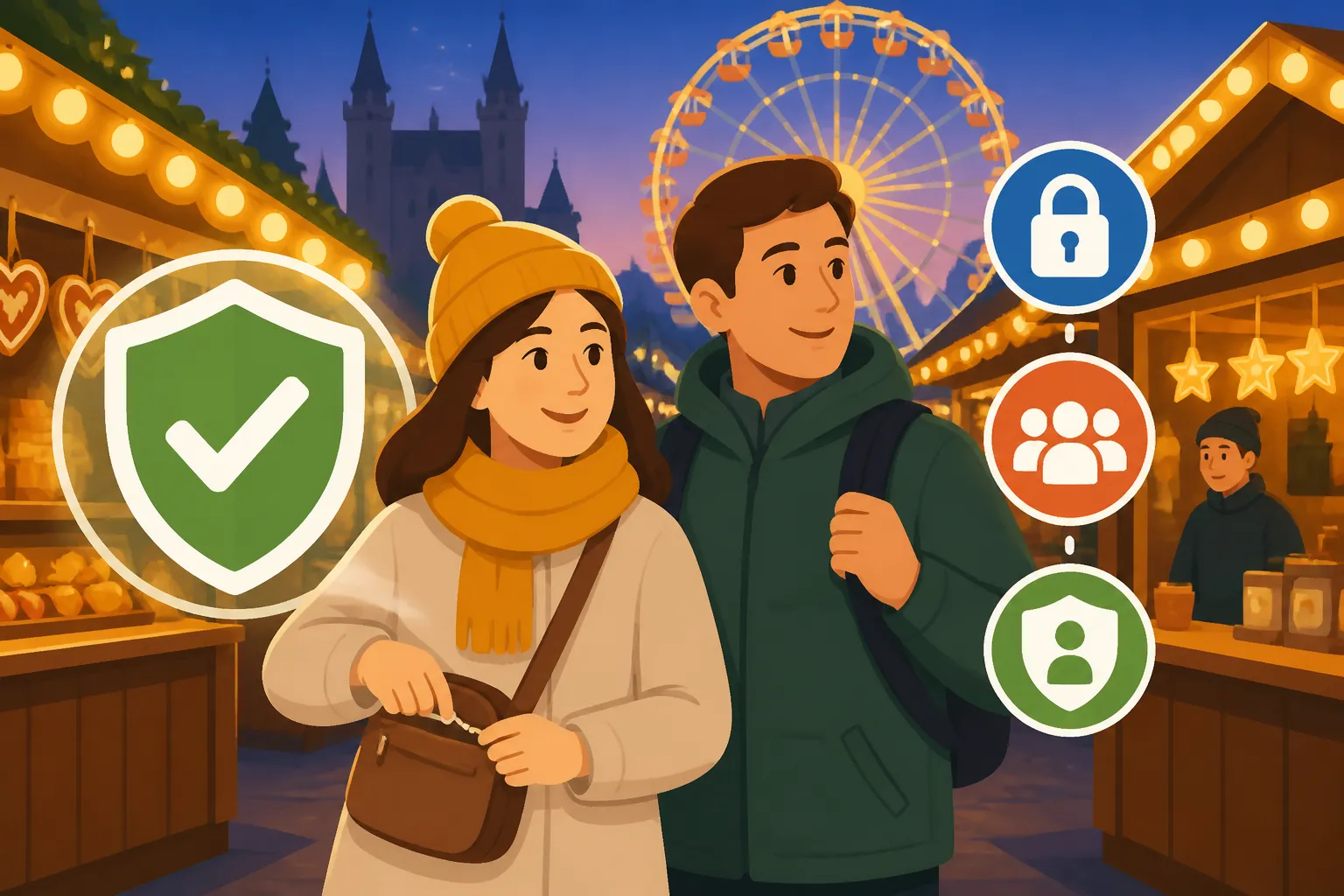
This is probably the most critical piece of advice I can give you. When you’re caught up in the festive atmosphere, it’s easy to forget about your belongings, but pickpockets are always on the lookout. Instead of a traditional backpack or a loose purse, consider a cross-body bag worn in front of you, or even better, a money belt or an inside jacket pocket for your most important documents and cash. I always advise against keeping your phone or wallet in your back pocket – that’s just an open invitation. If you must carry a backpack, wear it on your front when in very dense crowds, or invest in one with anti-theft features like hidden zippers.
Think about what you actually need to carry. Do you need all your credit cards, your entire stash of cash, or your passport? Probably not. Take only what's essential: a single credit card, enough cash for the day, and perhaps a photocopy of your passport (keep the original locked away at your accommodation). For digital tickets, whether for an event or for your train journey via services like Omio, make sure they are saved offline or easily accessible without having to pull out your phone multiple times in a crowded space. Losing your physical tickets or your phone can severely disrupt your plans. Remember, it’s not just about losing money, but the immense hassle of replacing documents and cards while traveling.
Situational Awareness and Group Dynamics
Being aware of your surroundings means not just looking straight ahead. It’s about scanning the crowd, noticing people who might be acting suspiciously, and paying attention to exits and potential escape routes. This might sound a bit intense, but it becomes second nature. If you're with a group, establish a buddy system. Agree on a meeting point in case you get separated, especially if you’re heading to a massive event like Oktoberfest in Munich: A First-Timer's Guide. Cell service can be spotty with so many people, so don't rely solely on your phone.
Before you even step into the thick of it, take a moment to look at a map of the market or festival grounds. Identify key landmarks, first aid stations, and security checkpoints. If you feel uncomfortable or sense something is off, trust your gut and move away from the situation. It's better to be overly cautious than to regret it later. Also, ensure someone back home knows your general itinerary, especially if you're traveling solo. This doesn't mean you need to check in constantly, but a quick message at the start and end of a big event can offer peace of mind.
Navigating Transportation Safely
After a fun day at a market or festival, getting back to your accommodation is often the last thing on your mind, but it’s crucial. Public transport in Germany is generally excellent and very safe, even late at night. However, crowded U-Bahns, S-Bahns, or buses can still be targets for pickpockets, especially as people are tired or perhaps a little tipsy. Keep your guard up on your journey home.
If you’ve been out late, perhaps at a particularly lively event, taxis or ride-sharing services can be a good option, especially if you're sharing the cost with friends. Always use official taxis or reputable apps. Never get into an unmarked car with strangers. If you're using public transport, plan your route home in advance. Use apps like Deutsche Bahn Navigator or local transport apps to know your stops and connections. Being lost in a foreign city late at night is not a fun experience. For train travel, you can check schedules on the Omio app, which often integrates regional options. For longer journeys, consider booking accommodation through platforms like Booking.com near major transport hubs to minimize late-night travel.
Here's a quick overview of some safety considerations:
| Aspect | Low-Risk Scenario (e.g., quiet weekday market) | High-Risk Scenario (e.g., crowded weekend festival) | Best Practice |
|---|---|---|---|
| Valuables | Wallet in front pocket, phone easily accessible | Money belt, cross-body bag worn in front | Minimal cash, photocopy of ID, digital tickets |
| Crowd Navigation | Stroll freely | Maintain awareness, avoid bottlenecks | Pre-agree meeting points, 'buddy system' |
| Alcohol Consumption | Enjoy a drink or two | Moderate intake, stay hydrated | Designate a sober person, know your limits |
| Transportation | Relaxed public transport | Vigilance on crowded trains/buses, consider taxi | Plan route, use official taxis/apps, check Omio for routes |
| Emergency Preparedness | General awareness of surroundings | Know emergency exits, first aid, security | Save Emergency Numbers in Germany: Calling 112, Poison Control, and More in phone, inform loved ones |
| Language Barrier | Google Translate for common phrases | Learn key German emergency phrases | Utilize translation apps, identify English speakers if possible |
Dealing with Emergencies and Unforeseen Situations
Even with the best preparation, sometimes things go awry. Knowing what to do in a pinch can make all the difference, transforming a potential crisis into a manageable hiccup. Germany has excellent emergency services, but knowing how to access them and communicate effectively is key.
What to Do If You Get Separated or Lost
It's a common scenario: one minute you’re admiring a handcrafted trinket, the next your travel companions are nowhere to be seen. The first step is don't panic. If you’ve planned ahead and established a meeting point, head there immediately. If not, try to find a prominent, easily identifiable landmark (like a specific stall, a fountain, or an information booth) and wait there for a reasonable amount of time. Keep your phone charged, but remember that during very large events, cell service can be overloaded.
If you’re truly lost or alone, look for official security personnel, police officers (recognizable by their dark blue uniforms), or information booths. Most major festivals and markets will have staff who speak at least some English, especially in tourist-heavy areas. They can help you make an announcement or connect you with local authorities. Having a small card with your name, accommodation address, and a contact number (preferably of a travel companion or someone back home) in German can be incredibly helpful if you struggle with the language. Remember, Germans are generally helpful, but they might appear reserved. Don't be afraid to ask for assistance.
Reporting Theft or Other Incidents
If you become a victim of theft, especially if it involves your passport or significant amounts of money, it's crucial to report it to the local police (Polizei) as soon as possible. Don’t delay. You’ll need a police report for insurance claims and for obtaining emergency travel documents from your embassy or consulate. Look for a Polizeiwache (police station) or approach a police officer at the event. They will usually have a designated area for reporting such incidents at larger festivals.
When reporting, try to be as detailed as possible, even if you’re shaken. Provide a description of what was stolen, where and when you last saw it, and any suspicious individuals you might have noticed. While it might feel frustrating, be patient. The German police system is thorough, and while they might not recover your items immediately, getting the official report is essential. For any Medical Emergencies: What to Do and Where to Go in Germany, the emergency number is 112, which connects you to both ambulance and fire services. For non-life-threatening medical situations or if you need to find an on-call doctor, you can call 116117.
Accessing Emergency Services and First Aid
Germany boasts one of the most efficient emergency service systems in the world. As I mentioned, the universal emergency number is 112 for ambulance and fire services, and 110 for police. These numbers work from any phone, including mobiles, without needing a SIM card or credit. At large festivals, you’ll also find dedicated first aid stations (often run by organizations like the Red Cross, or Deutsches Rotes Kreuz). Look for signs with a white cross on a red background or the Red Cross logo.
If you or someone in your group experiences a medical emergency, don't hesitate to call 112. When you call, state your location clearly, explain the nature of the emergency concisely, and provide your contact number. Stay on the line until the operator tells you to hang up. If you're at a very crowded event, try to identify a specific landmark or cross street to help emergency services locate you quickly. Remember that in an emergency, it's about getting help, not about perfect German. Most operators will have some English capabilities, or can quickly find someone who does. This ties into the broader topic of Public Safety and Emergency Services: Who to Call (Police, Fire, Medical) which can be very reassuring to read up on.
Understanding Local Rules and Cultural Nuances
Part of staying safe in Germany, whether at a market or just wandering around, involves understanding the local way of doing things. Germans value order, respect for rules, and personal space. These cultural nuances aren't just polite suggestions; they often translate into unspoken safety guidelines.
Respecting Ruhezeit and Other Regulations
Germany has a concept called Ruhezeit, or quiet hours, which typically includes evenings, nights, and all day on Sundays and public holidays. While a festival or market is certainly an exception to the 'quiet' rule, the underlying respect for order and regulations still permeates German society. This means following posted signs, respecting barriers, and not trying to push your way through restricted areas. Event organizers often have specific entry and exit points, security checks, and rules regarding what you can and cannot bring in. Adhering to these makes the experience safer and smoother for everyone.
Even simple things like adhering to queues, not littering, and generally being orderly contributes to a safer, more pleasant environment. Germans are quite direct, so if you're unintentionally breaking a rule or disrupting someone, you might be told off. Don't take it personally; just adjust your behavior. This respect for public order is generally a positive thing, contributing to the low crime rates and well-maintained public spaces you'll experience during your Staying Safe in Germany: Common-Sense Tips for Travelers.
Alcohol Laws and Public Consumption
While enjoying a beer or Glühwein at a designated stall or beer garden is part of the German experience, there are still rules about public alcohol consumption, particularly regarding age limits and behavior. The legal drinking age for beer and wine in Germany is 16, and for spirits it’s 18. This might be younger than you're used to, so it's good to be aware. Event organizers or local authorities can also impose restrictions on bringing your own alcohol into a festival area, or on public drinking in certain zones.
Generally, public drinking is widely accepted in Germany, but public intoxication that leads to disorderly conduct is not. German police are quick to intervene if you become a nuisance or pose a risk to yourself or others. Keep an eye on your drinks, especially in crowded settings, to prevent them from being tampered with. It’s rare, but it’s always wise to be cautious. And remember, if you're driving, even a single drink can put you over the legal limit. Use public transport or taxis if you plan to indulge.
Language and Communication in a Crisis
While many Germans, especially younger generations and those in tourist-heavy areas, speak English quite well, relying solely on English in an emergency can be a gamble. Learning a few basic German phrases can significantly improve your ability to get help or report an incident. Simple phrases like "Ich brauche Hilfe" (I need help), "Wo ist die Polizei?" (Where is the police?), "Ich habe mich verlaufen" (I am lost), or "Mir ist schlecht" (I feel sick) can be invaluable.
Don't underestimate the power of a translation app on your phone, but ensure it works offline, as signal can be unreliable. Tools like Google Translate are incredibly handy for quick communication, especially if you can type out what you need. When interacting with authorities or medical staff, speak slowly and clearly. Even if your German isn't perfect, the effort will be appreciated and can expedite assistance. If you're planning any trips that involve getting off the beaten path, taking some time to learn German Language and Everyday Communication for Visitors will always serve you well. For booking tours or activities, platforms like GetYourGuide often have English-speaking guides, which can also be a valuable resource for navigating local information in a less stressful way.
Disclaimer
Please remember that while this guide offers comprehensive advice, situations can vary. Local regulations at festivals and markets can change, and personal experiences differ. Always exercise your best judgment and stay informed about specific event rules. This information is for general guidance and not a substitute for professional legal or medical advice.