What Are the Best Things to Buy in Germany?
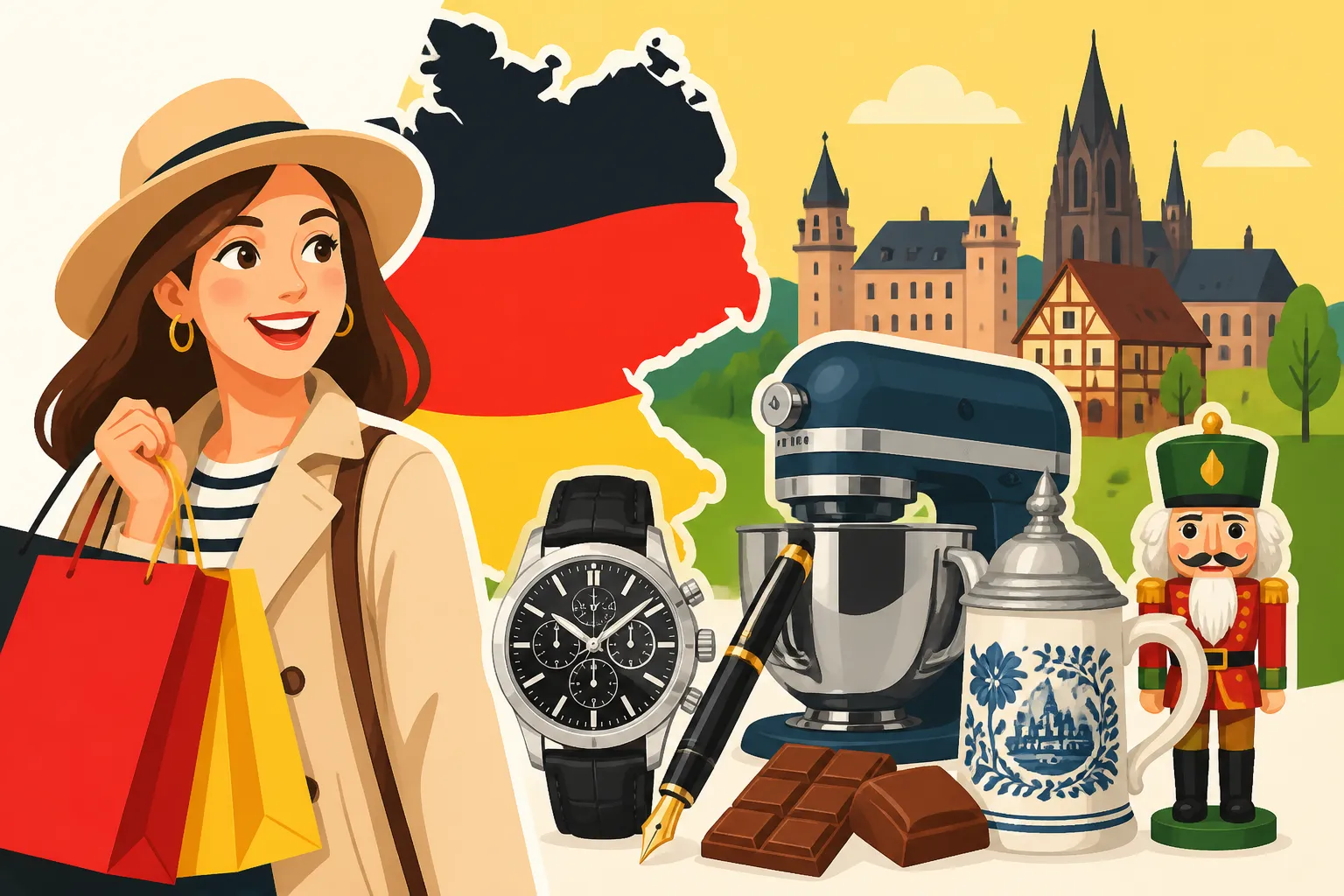
Moving to or visiting Germany can be an exhilarating experience, filled with new sights, sounds, and administrative hurdles. But let's be honest, beyond the paperwork and language lessons, one of the real joys is discovering what unique treasures you can bring home. You want something more authentic than a fridge magnet, a souvenir that truly captures your German experience, and not just some generic trinket that could be from anywhere. This comprehensive guide will walk you through the very best things to buy in Germany, helping you navigate the endless options and find those perfect mementos, gifts, or practical items that truly reflect the country’s rich culture and renowned quality.
Disclosure: This post may contain affiliate links. We may earn a commission at no extra cost to you if you make a purchase through these links. Read full disclosure.
Traditional German Crafts and Souvenirs
Germany boasts a long-standing tradition of exquisite craftsmanship, particularly in its more historic and forested regions. These aren't just mass-produced items; many are intricate works of art that have been passed down through generations. When you invest in these, you're not just buying an object; you're buying a piece of German heritage.
Cuckoo Clocks and Wooden Art
Ah, the cuckoo clock! It's practically synonymous with Germany, specifically the enchanting Black Forest (Schwarzwald). These aren't just time-telling devices; they are intricate miniature houses, often adorned with hand-carved animals, forest scenes, and tiny figures that spring to life on the hour. The craftsmanship involved is truly astounding, with many clocks still made using traditional methods. You'll find a bewildering array of designs, from the classic chalets with dancing figurines and music boxes to more modern, minimalist interpretations.
When you're looking for an authentic cuckoo clock, you want to ensure it's a genuine Black Forest piece, which usually means it has a VdS (Verein die Schwarzwalduhr) certificate. This certification guarantees it's a mechanical clock made in the Black Forest, using specific quality standards. The best places to look are in the Black Forest itself, in towns like Triberg or Titisee-Neustadt, where specialized shops often have master carvers on site. While they might be a significant investment, a good cuckoo clock can last for decades, becoming a cherished family heirloom. Beyond clocks, the Black Forest is also famous for its wooden carvings – from tiny animals to larger, more elaborate scenes. These artisanal pieces make wonderful, unique gifts or additions to your home, each telling a story of the forest and its enduring traditions. When planning a trip to this beautiful region, consider looking into travel options with services like Omio to easily reach these picturesque towns, or find accommodation through Booking.com so you can take your time exploring the local craftsmanship.
Beer Steins and Bavarian Nostalgia
You can't talk about German souvenirs without mentioning the iconic beer stein. While modern beer is often served in simple glass mugs, the traditional stein holds a special place in German culture, particularly in Bavaria. These aren't just drinking vessels; they're often elaborately decorated, collectible items. You'll find them made from a variety of materials: ceramic (stoneware), pewter, glass, or even wood. Many feature hand-painted scenes, historical motifs, or intricate engravings, often with a hinged lid to keep your beer fresh (and, historically, to keep flies out!).
Munich, the heart of Bavaria, is perhaps the best place to find a vast selection of steins, from touristy replicas to genuine antique pieces. Wander through the Viktualienmarkt or browse specialized souvenir shops, but be mindful of quality. A good stein should feel solid and well-crafted. If you’re visiting during Oktoberfest, you’ll see countless variations, but remember that many sold as souvenirs outside specialized shops might be lower quality. Look for reputable dealers who can tell you about the stein's origins and materials. A beautiful, authentic beer stein makes a fantastic display piece or a unique way to enjoy your favorite German brew back home, forever reminding you of the lively beer gardens and festive atmosphere.
Christmas Market Delights
If you're lucky enough to experience Germany during the festive season, then the Christmas markets (Weihnachtsmärkte) are a treasure trove of unique shopping opportunities. Forget generic baubles; these markets are steeped in centuries-old traditions, especially in regions like Saxony. You'll find an incredible array of handmade wooden decorations and figures that are characteristic of German Christmas.
Think of the Räuchermännchen (smoking men), delightful little wooden figures that burn incense cones, emitting fragrant smoke from their mouths. Or the delicate Schwibbögen (arch candle holders), beautifully carved wooden arches depicting nativity scenes or everyday life, traditionally placed in windows during Advent. And, of course, the classic German nutcrackers, often dressed as kings, soldiers, or other historical figures, are far more than just functional tools; they are highly decorative and collectible. Cities like Nuremberg, Dresden, and Seiffen (in the Erzgebirge mountains, a hub for wooden toy making) are renowned for their incredible Christmas markets and the unique crafts they offer. These items are not just decorations; they embody the cozy Gemütlichkeit of a German Christmas. For a truly immersive experience and to explore these unique items, diving into the various German Christmas Markets: Where to Go and understanding How German Christmas Markets Work: Food, Drinks, and Gifts will give you a head start on your festive shopping. These markets are a must-see, and the goods you find there are authentically German.
Culinary Delights and Gourmet Treats
Germany might be famous for its hearty cuisine, but it also offers a surprising range of gourmet treats and regional delicacies that make perfect gifts for foodies or a delicious personal indulgence. Forget just sausages; there's a world of flavor waiting.
German Chocolates and Sweets
While Belgium and Switzerland often steal the spotlight for chocolate, Germany holds its own with some fantastic options. Beyond the everyday bars you find in any supermarket, there are some iconic German chocolate experiences to savor. Ritter Sport, with its distinctive square bars and incredible variety of flavors (seriously, try Marzipan or Pfefferminz), is a ubiquitous but excellent choice. Milka, though now owned by a US company, has deep roots and a strong presence in Germany, known for its creamy Alpine milk chocolate.
However, for something truly special, seek out Niederegger Marzipan from Lübeck. This isn't your average sweet marzipan; it's a high-quality confection with a higher almond content and less sugar, renowned for its delicate flavor. You'll find it in various forms: loaves, pralines, and even liqueurs. Many cities also boast independent chocolatiers who create exquisite handmade pralines and truffles. Don't underestimate the joy of a good German chocolate bar, especially those with unique fillings or high cocoa content. You can find these delights in any well-stocked supermarket (like Edeka or Rewe), specialty sweet shops, and, for Niederegger, dedicated stores or gourmet sections.
Fine German Wines and Spirits
When people think of German beverages, beer often comes to mind first, but the country also produces some truly outstanding wines, particularly white wines. The Rhine and Moselle regions are world-famous for their Riesling, a versatile grape that produces wines ranging from bone-dry to lusciously sweet, all characterized by their vibrant acidity and often mineral notes. A bottle of German Riesling makes an elegant and sophisticated gift, or a lovely way to remember a scenic trip through the vineyards.
Beyond the everyday dry Rieslings, look out for Eiswein (ice wine), a rare and intensely sweet dessert wine made from grapes frozen on the vine. It's a true delicacy, albeit a pricier one. In terms of spirits, local Schnapps (fruit brandies) are popular, often made from plums, cherries, or pears. Each region might have its own local specialty. You can buy these from liquor stores, wine merchants, or directly from vineyards if you visit a wine region. To truly appreciate the origins of these delightful wines, consider exploring The Moselle and German Wine Country. It's an absolutely stunning region, and sampling the local produce is a must.
Artisan Breads and Baked Goods
Germany's bread culture is legendary. While you can't exactly bring a fresh loaf of Roggenbrot (rye bread) home with you across continents, there are still some baked goods that travel wonderfully and make fantastic culinary souvenirs. The most famous example is Lebkuchen, particularly from Nuremberg. This gingerbread-like treat is often sold in decorative tins, making it an ideal gift. It's softer than traditional gingerbread, rich with spices, nuts, and candied fruit, and often covered in chocolate or a sugar glaze.
Beyond Lebkuchen, many bakeries (Bäckereien) offer long-lasting fruit breads or specialty Stollen (especially around Christmas, like Dresdner Stollen), which are fruit and nut loaves, often dusted with powdered sugar. Some regional bakeries also sell packaged mixes for traditional German cakes or spice blends specific to certain cookies, allowing you to recreate a taste of Germany in your own kitchen. While a fresh German pretzel is a fleeting joy, these shelf-stable baked goods offer a lingering taste of German baking prowess. If you're keen on the wider culinary landscape, reading up on German Food Culture: Eating and Drinking as a Visitor, and specifically German Bread, Bakeries, and the German Breakfast will enhance your appreciation.
Fashion, Design, and Practical German Goods
German design is often characterized by its practicality, durability, and understated elegance. Beyond traditional crafts, Germany excels in producing high-quality everyday items that stand the test of time and offer exceptional value.
Iconic German Brands
Germany is home to a host of world-renowned brands known for their quality and engineering. When it comes to footwear, Birkenstock sandals are an absolute classic, celebrated globally for their comfort and orthopedic support. While you can find them worldwide, buying them in Germany often means a wider selection and sometimes better prices. For high-quality hosiery and socks, Falke is a name synonymous with comfort, durability, and sophisticated design. If you're looking for high-end fashion, Hugo Boss is a prominent German brand, known for its sleek tailoring and modern aesthetics.
Beyond apparel, Germany's strength in manufacturing shines in kitchenware. Brands like WMF, Fissler, and Zwilling J.A. Henckels are globally recognized for their superior quality knives, pots, pans, and other kitchen gadgets. Investing in these items might seem mundane, but they are built to last a lifetime and perform exceptionally. They make fantastic, practical souvenirs for serious home cooks. These brands represent a commitment to quality and functional design that is deeply ingrained in German culture.
Skincare and Apotheke Essentials
German skincare and pharmaceutical products are highly regarded for their efficacy, scientific backing, and often, their use of natural ingredients. If you're into personal care, a visit to a German Apotheke (pharmacy) is a must. Brands like Nivea, a global giant, has its roots firmly in Germany, and you'll find an expanded range of their products here, including many not available elsewhere. Eucerin is another dermatologist-recommended brand known for its gentle yet effective formulations, particularly for sensitive skin.
For those who prefer natural remedies and holistic wellness, Kneipp offers a wide range of bath and body products, often infused with essential oils and plant extracts, famous for their therapeutic benefits. Many Apotheken also stock a variety of homeopathic remedies, herbal teas, and specialized supplements that are popular locally. Even if you don't speak German fluently, the pharmacists are generally very helpful and knowledgeable. Exploring the differences between Understanding German Pharmacies vs Drugstores: Where to Get What can help you find the right place for these quality goods. These items offer a blend of wellness and quality that makes them excellent practical purchases or thoughtful gifts.
Stationery and Writing Instruments
For anyone who appreciates the art of writing or the feel of quality paper, Germany is a quiet paradise. German stationery and writing instrument brands are synonymous with precision engineering, elegant design, and exceptional durability. Brands like Lamy are celebrated worldwide for their functional and stylish fountain pens, rollerballs, and ballpoint pens. Their iconic "Safari" and "2000" models are cult favorites, beloved by designers and students alike for their ergonomic design and smooth writing experience.
Pelikan is another historic German brand, famous for its high-quality fountain pens, inks, and children's art supplies. Beyond pens, German paper products are also excellent. Look for brands that offer notebooks, journals, and planners known for their smooth, fountain-pen-friendly paper and robust bindings. These aren't just tools; they're instruments that elevate the act of writing. A fine German pen or a beautiful leather-bound journal makes an elegant and enduring gift, a tangible connection to Germany's commitment to quality and craftsmanship. You can find these items in department stores, specialized stationery shops (Papiergeschäfte), and even some bookstores.
Tips for Smart Shopping in Germany
Shopping in Germany, especially for unique items, can be a delightful experience, but knowing a few insider tips can help you find the best deals and navigate the local retail landscape more smoothly.
Navigating Prices and Sales
German prices are generally transparent, and by law, advertised prices must include the Value Added Tax (VAT), known as Mehrwertsteuer (MwSt). So, what you see is what you pay. However, like anywhere, sales exist. The main sales periods, traditionally known as Schlussverkauf (end-of-season sale), typically occur in January/February for winter goods and July/August for summer items. However, with modern retail, you’ll find promotions throughout the year. Keep an eye out for "Sale" signs (often in English, but also "Reduziert" or "Prozente").
Be aware that some high-quality artisanal products, especially hand-carved wooden items or authentic cuckoo clocks, will maintain their price due to the craftsmanship involved. Bargaining is generally not common in Germany, especially in retail stores, although you might have a little wiggle room at flea markets. Always compare prices if you're buying a larger item, checking different stores or even online if you have the time. While Germany is making strides towards a more cashless society, Cash vs Card in Germany: What Visitors Should Know can still be a relevant consideration, especially at smaller markets or independent shops that might prefer cash.
Where to Shop: From Markets to Malls
Germany offers a diverse shopping landscape, catering to all tastes and budgets. For unique finds, artisanal crafts, and fresh produce, nothing beats a local market. Wochenmärkte (weekly markets) are fantastic for local food items, while Flohmärkte (flea markets) are where you can unearth vintage treasures, antiques, and second-hand goods, perfect for unique souvenirs that tell a story. Major cities like Berlin, Hamburg, or Munich often have extensive weekend flea markets that are an experience in themselves.
For branded goods, fashion, and department store experiences, head to the city centers. Large department stores like KaDeWe in Berlin (a luxury institution), Galeria Karstadt Kaufhof, or local boutiques offer a wide selection. Shopping malls are also prevalent in most major cities. For example, the MyZeil in Frankfurt or the Alexa in Berlin provide a modern shopping experience with international and German brands under one roof. Don’t forget factory outlets or outlet villages located outside major cities, such as Metzingen (near Stuttgart) for designer brands, or Wertheim Village (near Frankfurt) for luxury goods at discounted prices. For a deeper dive into the shopping options, consult Shopping in Germany: Department Stores, Markets, and Outlets.
Tax-Free Shopping for Non-EU Visitors
Good news for non-EU visitors! You can often claim back the Value Added Tax (VAT) on purchases made in Germany, provided you take the items out of the EU. This can significantly reduce the cost of higher-value items. The general rule is that you need to spend a minimum amount (currently €50.01 per receipt, though this can change, so always check the latest rules) at participating stores, which will usually display a "Tax Free" sticker (often associated with Global Blue or Planet Payment).
When making a purchase, ask the sales assistant for a tax refund form. You'll need to show your passport. Fill out the form carefully and keep all receipts. When you leave the EU (which might be your departure from Germany or a connecting flight from another EU country), you'll need to present your purchases (unused, in original packaging), receipts, passport, and the completed tax refund forms to customs officials. They will stamp your forms. After customs, you can usually take the stamped forms to a tax refund service counter at the airport (like Global Blue or Planet Payment) to receive your refund immediately, or mail them in for a refund to your credit card. Always allow extra time at the airport for this process, as queues can be long. For comprehensive details on the process and eligibility, check out Tax-Free Shopping in Germany for Non-EU Visitors. It's a fantastic way to save a bit of money on your German treasures!
Disclaimer
Please note that while I strive to provide accurate and up-to-date information, circumstances and regulations in Germany can change. This guide is intended for informational purposes only and does not constitute professional advice. Always verify current details with official sources or relevant authorities before making decisions, especially concerning legal, financial, or immigration matters.