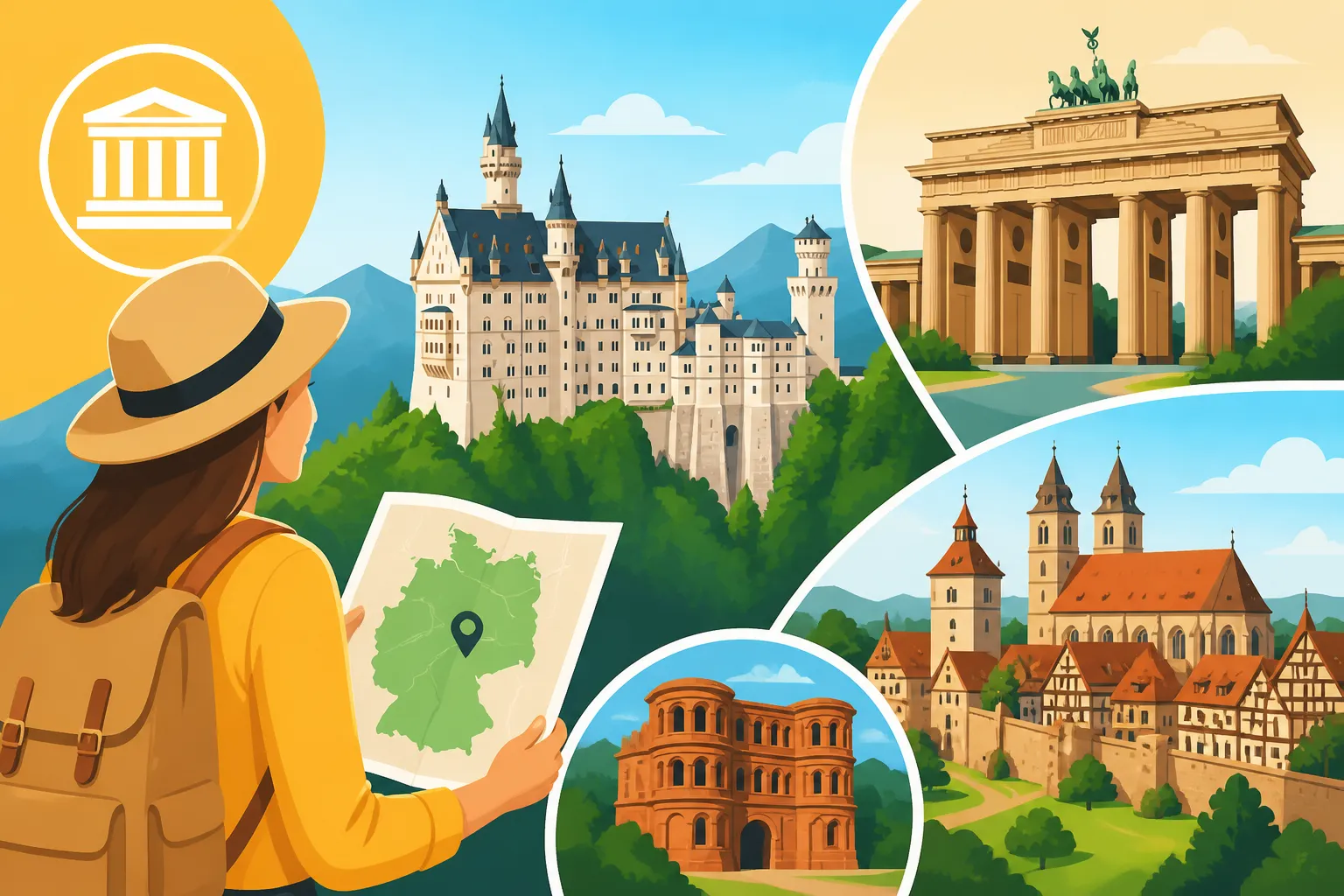
How to Plan a Visit to Germany’s UNESCO Sites
Most travelers arrive in Germany with a vague dream of seeing fairy-tale castles and ancient cathedrals, only to be overwhelmed by the sheer density of history. With over 50 UNESCO World Heritage sites spread across sixteen states, trying to "wing it" usually leads to logistical burnout and missed opportunities. This guide solves that by providing a veteran expat’s strategy for clustering sites, mastering transport, and navigating the cultural quirks of Germany’s most protected treasures.
Disclosure: This post may contain affiliate links. We may earn a commission at no extra cost to you if you make a purchase through these links. Read full disclosure.
Mapping Your Heritage Journey by Region
When you first look at a map of Germany’s UNESCO sites, it looks like a scattered puzzle. The biggest mistake I see newcomers make is trying to zig-zag from the northern coast down to the Bavarian Alps in a single week. To truly appreciate these sites without spending your entire vacation in a train station, you have to think in clusters. Germany’s regions have very distinct historical identities, and grouping your visits by geography will save you both money and sanity.
Northern Germany and the Hanseatic Legacy
The north is defined by the red-brick Gothic architecture of the Hanseatic League. If you start in Hamburg, you are perfectly positioned to see the Speicherstadt, the world’s largest warehouse district built on oak piles. It is a stunning example of late 19th-century maritime commerce. From Hamburg, it is a very short trip to the Hanseatic City of Lübeck. Walking through the Holsten Gate feels like stepping directly into the 1400s. The entire old town is a UNESCO site, and it is manageable enough to explore entirely on foot.
Further east, you have the historic centers of Stralsund and Wismar. These cities are often overlooked by international tourists, but they offer some of the most authentic medieval experiences in Europe. If you are planning to visit these northern gems, I highly recommend looking at Germany's Most Beautiful Small Towns to Visit to see how you can weave these heritage sites into a broader scenic route. The coastal air and the relative lack of crowds in Wismar make it a personal favorite of mine for a slow-travel weekend.
When navigating these northern routes, the regional train connections are generally excellent. However, because the distances between northern hubs like Bremen and Stralsund can be deceptive, I often use Omio to compare whether a regional train or a long-distance bus is the more efficient choice for that specific day. Sometimes a bus can actually get you closer to the historic city centers than the main train station would.
The Industrial West and Modernist Marvels
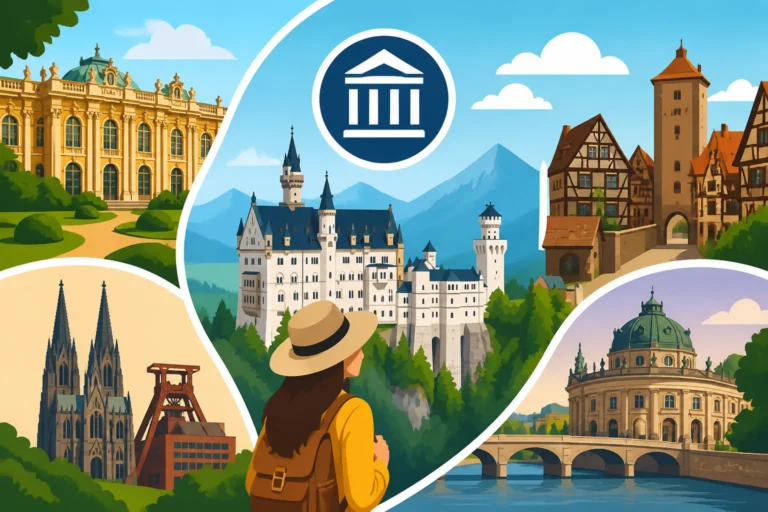
Western Germany, particularly the North Rhine-Westphalia region, offers a completely different flavor of heritage. Here, UNESCO sites celebrate the intersection of industry and art. The most famous, of course, is the Cologne Cathedral. It survived the bombings of WWII and stands as a testament to Gothic persistence. Just a short train ride away, you will find the Zollverein Coal Mine Industrial Complex in Essen. It might sound strange to visit a coal mine on vacation, but the Bauhaus-influenced architecture is so striking it has been dubbed the "Eiffel Tower of the Ruhr."
In this part of the country, the density of cities is incredible. You can easily stay in one central location and take day trips to three or four different UNESCO sites. If you are basing yourself in a city like Cologne or Düsseldorf, check Booking.com for apartments near the main station (Hauptbahnhof) to maximize your mobility. This region is also where you will find the Augustusburg and Falkenlust Palaces in Brühl, which are masterpieces of Rococo architecture that feel worlds away from the industrial grit of Essen.
Logistically, this region is the heart of the German rail network. You will likely be using the high-speed lines frequently. I suggest reading up on High-Speed Trains in Germany (ICE): Deutsche Bahn Routes and Savings to understand how to snag the best fares. Because this area is so densely populated, trains run like clockwork, but they can get incredibly crowded during commuter hours. Always aim for mid-morning departures to ensure you actually get a seat near the window to see the Rhine Valley as you speed through.
Southern Germany and the Romantic Road
Southern Germany is where the "fairy-tale" image of the country truly comes to life. Bavaria and Baden-Württemberg are home to sites like the Würzburg Residence, which features one of the largest frescoes in the world, and the Pilgrimage Church of Wies. The latter is a hidden gem tucked away in the Alpine foothills; its interior is a riot of pastel colors and gold leaf that will leave you breathless.
If you are following the Romantic Road, you will encounter the Frontiers of the Roman Empire (the Limes) and the historic town of Regensburg. Regensburg is particularly special because it is the only large medieval city in Germany that remained largely undamaged during the war. Walking across the Old Stone Bridge, which has stood since the 12th century, is a core German experience. For those looking to dive deeper into the history of these southern sites, using GetYourGuide to book a local historian for a walking tour in Regensburg or Würzburg is well worth the investment. It’s the difference between looking at old stones and understanding why those stones were laid there in 1135.
When traveling in the south, the terrain becomes more mountainous, and transport can slow down. While the trains are still great, some people prefer the freedom of a vehicle here. If that’s you, make sure you are familiar with the rules by checking Renting a Car and Driving on the Autobahn. Driving through the Black Forest to reach the Monastic Island of Reichenau on Lake Constance is one of the most beautiful road trips you can take in Europe.
Logistical Mastery for the Heritage Traveler
Planning a visit to 51 different sites requires more than just a map; it requires a deep understanding of how Germany actually functions. Many tourists arrive expecting a seamless, digital-first experience, but Germany is a country that still deeply values its analog traditions. If you don't prepare for the logistical quirks, you'll find yourself standing outside a locked cathedral or unable to pay for a guided tour because you only have a credit card.
Mastering the National Rail Network
The Deutsche Bahn (DB) is your best friend and your most frequent frustration. To see multiple UNESCO sites, you will inevitably spend a lot of time on tracks. The key is to use the DB Navigator app, but don't rely on it blindly. Delays are more common than the stereotypes suggest. If you are traveling on a budget and visiting multiple regions, you must look into the "Deutschland-Ticket." I’ve written extensively about this in What Is the Deutschland-Ticket and Is It Worth It? because it is a total game-changer for heritage travelers who want to use regional trains and city trams without buying individual tickets every day.
For long-distance travel between major UNESCO hubs—say, from Berlin’s Museum Island down to the Classical Weimar sites—you’ll want the ICE trains. These are fast, sleek, and comfortable. However, prices spike as the departure date nears. Use Omio to compare the ICE prices against budget airlines or long-distance buses if you are booking last minute. Often, the bus takes longer but drops you off directly in front of a site like the Wartburg Castle in Eisenach, saving you a steep uphill walk from the train station.
| Region | Must-See UNESCO Site | Primary Theme | Best Transport Hub |
|---|---|---|---|
| North | Lübeck Old Town | Hanseatic Trade | Hamburg |
| East | Museum Island | Art & Archaeology | Berlin |
| West | Cologne Cathedral | Gothic Architecture | Cologne |
| Central | Classical Weimar | Literature & Philosophy | Erfurt |
| South | Würzburg Residence | Baroque Palatial Art | Nuremberg |
| Southwest | Maulbronn Monastery | Cistercian History | Stuttgart |
Accommodation and Strategic Bases
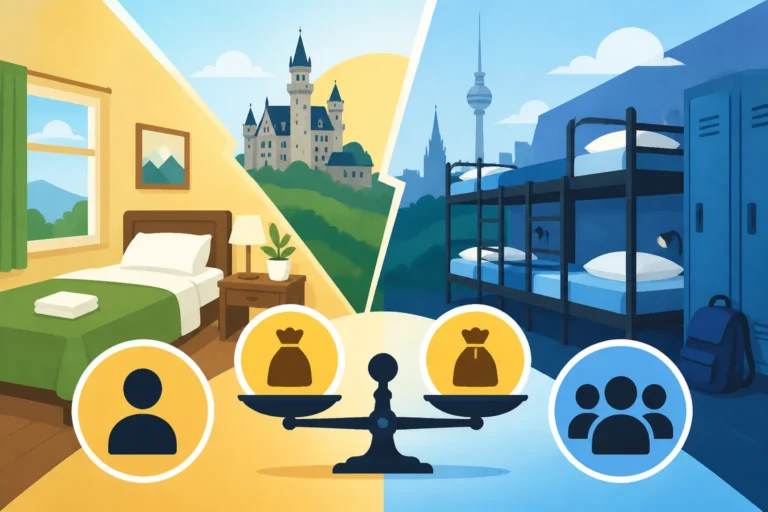
Don't move hotels every night. It is the fastest way to ruin a trip. Instead, pick a "UNESCO Base" and take radial trips. For example, if you stay in Quedlinburg (a stunning timber-framed UNESCO town), you can easily reach the Luther Memorials in Eisleben and the Naumburg Cathedral within an hour. When choosing your base, I always recommend using Booking.com and filtering for properties with a "9.0+" location score. In historic German cities, being inside the Altstadt (Old Town) means you can wake up and be at the site before the tour buses arrive from the bigger cities.
I also recommend checking the proximity of your hotel to the local transit. In cities like Berlin or Munich, where there are multiple UNESCO sites within the city limits, you’ll be using local transport constantly. Check Getting Around German Cities: U-Bahn, S-Bahn, Trams, and Buses to understand how to navigate these systems. Most UNESCO sites are well-signposted from the nearest U-Bahn or S-Bahn station, but having a hotel within walking distance of a major hub like Alexanderplatz or Marienplatz will save you hours over a week-long trip.
Cultural Nuances and Avoiding Common Pitfalls
Even with the best map, there are cultural "rules" in Germany that can catch you off guard. These sites aren't just tourist attractions; many of them are active places of worship, government buildings, or residential neighborhoods.
The Cash Reality and Tipping
One of the biggest shocks for visitors to Germany’s heritage sites is the "Nur Bargeld" (Cash Only) sign. While major museums on Berlin's Museum Island will take cards, that small 12th-century monastery in the countryside or the local café next to the UNESCO site probably won't. I always tell people to read Cash vs Card in Germany: What Visitors Should Know before they leave the airport. You will need coins for everything from public toilets to lockers where you must store your bags before entering historic libraries.
Tipping is another area of confusion. If you take a specialized tour of the Bauhaus sites in Dessau, you might wonder if you should tip your guide. Generally, in Germany, it is appreciated but not mandatory in the way it is in the US. For a solid breakdown of the etiquette, have a look at Tipping in Germany: When, Where, and How Much. It will help you navigate those social interactions with grace, especially when you are dealing with the staff at historic restaurants and guest houses.
Respecting Opening Hours and Quiet Times
Germany takes its "Ruhezeit" (quiet time) and Sundays very seriously. Almost all shops are closed on Sundays, including those near UNESCO sites. However, the sites themselves and the museums are usually open. The catch? Many museums are closed on Mondays. If you plan your visit to the Roman monuments in Trier for a Monday, you might find yourself staring at a lot of closed doors.
Always double-check the specific opening times on GetYourGuide or the official site webpage. Also, remember that many of these sites are churches. If you are visiting the Speyer Cathedral, avoid planning your visit during a Sunday service unless you intend to worship. When you do enter, remember the local norms for German Social Etiquette for Visitors: Greetings and Punctuality. A simple "Guten Tag" to the attendant goes a long way.
Planning Your Daily Itinerary
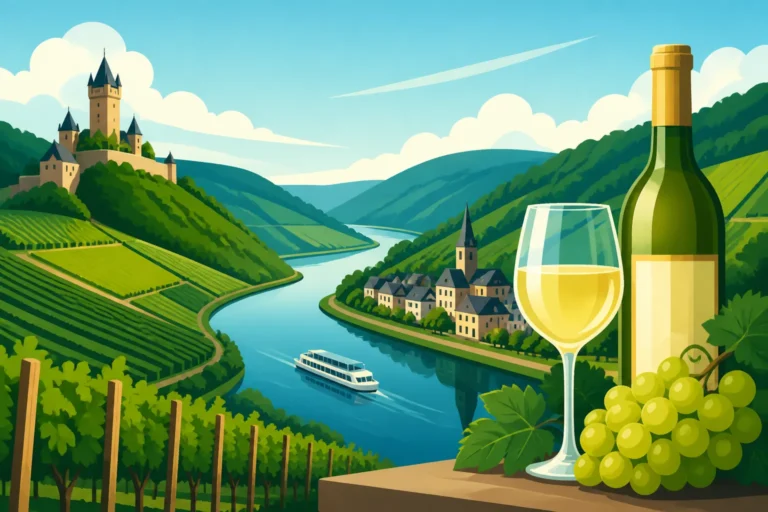
To get the most out of a UNESCO site, don't just "see" it—experience the culture around it. If you are at the Upper Middle Rhine Valley, don't just take a photo of a castle; sit down for a glass of Riesling at a local vineyard that has been there for centuries.
Combining History with Gastronomy
Every UNESCO region has a culinary counterpart. When you are in the north visiting the Hanseatic cities, you should be looking for fresh fish. In the south, near the monasteries, the beer culture is legendary. To make your planning more robust, I suggest checking out German Regional Dishes Every Visitor Should Try. Knowing to order Maultaschen while visiting the Maulbronn Monastery or Labskaus in Hamburg makes the historical experience feel much more "lived in."
Practical Steps for Your Trip
- Define your 3 "Must-Sees": Don't try to see ten. Pick three that genuinely interest you—perhaps the Bauhaus sites for architecture fans, the Palaces of Potsdam for history buffs, and the Wadden Sea for nature lovers.
- Book your "Anchor" transport: Use How to Buy Deutsche Bahn Tickets and Save Money to get your long-distance ICE tickets at least two months in advance.
- Secure your experiences: If a site offers a limited-entry tour (like the secret attics of certain cathedrals), book it on GetYourGuide as soon as your dates are set.
- Download offline maps: Many UNESCO sites are in rural areas or have thick stone walls that kill cell service. Download the area on Google Maps so you don't get lost in a medieval alleyway.
Planning a visit to Germany’s UNESCO sites is essentially a lesson in German history itself. It requires patience, a bit of organization, and a willingness to embrace the local pace of life. Whether you are staring up at the dizzying spires of Cologne or walking the quiet, forest-fringed halls of a Cistercian monastery, you are participating in a legacy that has been preserved for the world. Take your time, carry some cash, and don't forget to look up.
Disclaimer
This guide is for informational purposes only. While every effort has been made to ensure the accuracy of the transport and site information provided, schedules, prices, and opening hours in Germany can change without notice. Always verify details with official site operators and transport providers before your journey. Travel involves inherent risks, and readers are encouraged to obtain appropriate travel insurance and follow local laws and safety guidelines.