Healthcare Culture Shock: How Germany’s Medical System Differs from Other Countries
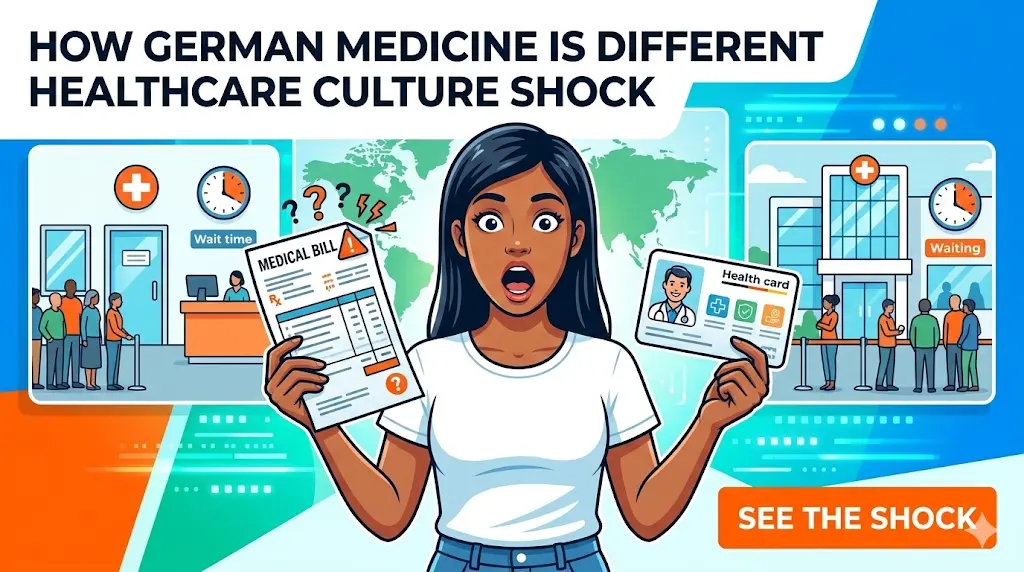
Moving to Germany brings many incredible surprises, but few are as impactful as navigating the medical landscape. For expats accustomed to state-run hospitals or employer-sponsored coverage, Germany’s unique blend of mandatory public insurance, private care, and strict pharmacy laws can be quite a culture shock.
Disclosure: This post may contain affiliate links. We may earn a commission at no extra cost to you if you make a purchase through these links. Read full disclosure.
The Dual Insurance System: Public versus Private
Understanding the Mandatory Solidarity Principle
Germany pioneered the modern welfare state in the 1880s under Chancellor Otto von Bismarck, and today, this legacy survives through the “solidarity principle.” Every single resident is legally required to have health insurance, and the vast majority of the population (nearly 90%) is enrolled in the statutory public system. Unlike purely tax-funded healthcare systems where the government runs the hospitals and employs the doctors, the German public system is funded by income-based contributions that are shared equally between employees and employers.
These monetary contributions go into a central health fund and are managed by over a hundred non-profit “sickness funds” (Krankenkassen). This structural design means that the wealthy subsidize the less affluent, and the young and healthy subsidize the elderly and ill. Whether your salary is €35,000 or €65,000 a year, your level of medical entitlement remains exactly the same. Furthermore, dependent spouses and children are usually covered completely free of charge under a family policy. For expats trying to figure out their basic legal requirements and entitlements upon arrival, checking out Public Health Insurance gesetzliche Krankenkasse: What It Covers and Costs is an essential first step.
The Allure and Nuance of Private Health Coverage
While the public system is robust and highly egalitarian, Germany offers a distinct, secondary pathway for high-income earners, freelancers, and civil servants: Private Health Insurance (Private Krankenversicherung or PKV). If your gross annual salary exceeds the compulsory insurance threshold (which adjusts yearly, sitting above €73,800 in recent regulations), you possess the legal right to opt out of the public system entirely.
Private insurance premiums are not based on your income. Instead, they are calculated based on your age, your health status upon entry, and the specific level of coverage you choose to purchase. This can be highly lucrative for young, healthy expats who want premium perks like single hospital rooms, priority appointments with top-tier specialists, and advanced dental care without paying the high percentage-based public premiums. To navigate this complex option safely, many expats rely on modern, digital-first insurers like Ottonova or utilize expert, English-speaking brokers such as Feather Insurance to find the perfect tailored policy.
However, opting for private insurance is a major life decision. Once you leave the statutory public system, returning can be extremely difficult, especially as you age and your private premiums naturally rise. Deciding whether to leap into the private sector requires deep consideration of your long-term plans in Germany.
Comparing the German Model to the US and UK
To truly understand the culture shock, it helps to compare Germany’s Bismarck model to other dominant global healthcare systems. In the United Kingdom, the National Health Service (NHS) follows the Beveridge model, which is heavily centralized, entirely tax-funded, and completely free at the point of use, with doctors functioning essentially as government employees. In Germany, doctors are independent private practitioners, and the sickness funds simply act as the financial intermediaries.
In the United States, the system is primarily employer-driven and highly privatized, leading to massive disparities in coverage networks and terrifying out-of-pocket maximums. Germany strictly prevents this by heavily regulating both the public and private sectors, ensuring that basic coverage is universally comprehensive and that no one goes bankrupt from sudden medical bills.
| Feature | Germany (Bismarck Model) | United Kingdom (Beveridge Model) | United States (Private Model) |
| Primary Funding Source | Income-based premiums shared with employer | General national taxation | Private premiums & Employer-sponsored |
| Provider Ownership | Mix of private, non-profit, and municipal | Mostly public (government-owned facilities) | Mostly private for-profit or non-profit |
| Cost at Point of Care | Very low, highly regulated statutory co-pays | Generally free at the point of use | Often high deductibles and massive co-pays |
| Coverage Mandate | Universal (Strictly mandatory for all residents) | Universal (Available to all legal residents) | Not universal (Highly dependent on state/job) |
The Medical Hierarchy: General Practitioners and Specialists
The Gatekeeper Role of the Hausarzt
In many countries, patients are used to bypassing primary care and heading straight to a specialist when something feels wrong. While this is technically possible in Germany, the entire medical system is structurally anchored by the general practitioner, known locally as the Hausarzt. Your Hausarzt acts as your medical home base, serving as the first point of contact for everything from a seasonal flu to the early detection of chronic illnesses.
German general practitioners maintain your comprehensive medical file, administer standard STIKO vaccinations, and handle the crucial administrative task of writing sick notes (Krankschreibung) required by your employer. Expats are highly encouraged to register with a Hausarzt immediately upon their arrival in the country, rather than waiting until an acute illness strikes, as popular clinics frequently freeze new patient registrations.
The cultural shock here often lies in the doctor’s communication style. German doctors are notoriously direct and highly pragmatic. They prioritize clinical efficiency and diagnostic accuracy over prolonged small talk or emotional hand-holding. For newcomers trying to establish this vital medical relationship and secure a spot on a local patient roster, reviewing Finding a Doctor Hausarzt in Germany: How to Choose and Register provides highly actionable strategies.
Direct Access to Specialists and Wait Times
Unlike the strict gatekeeping protocols of the UK’s NHS, the German system offers a surprising amount of freedom to see medical specialists (Fachärzte) directly. You can theoretically book an appointment with a dermatologist, a cardiologist, or an orthopedist without ever seeing your Hausarzt first. However, the reality of clinic wait times often dictates how this freedom plays out in practice.
For patients enrolled in public insurance, booking directly with a highly sought-after specialist can result in wait times stretching into months. This is because clinics operate on strict, state-mandated quarterly budgets for publicly insured patients. Conversely, privately insured individuals often experience significantly shorter wait times because doctors can bill them immediately at a higher private rate without quota restrictions.
To navigate this two-tiered access, many patients rely heavily on online booking portals to hunt for cancellations and secure faster slots. Understanding the crucial nuances between a standard scheduled appointment and an acute walk-in session is critical.
Referral Slips and Navigating the Paperwork
When you do need to see a specialist rapidly, having an Überweisung (referral slip) from your Hausarzt is your golden ticket. This physical piece of paper contains specific diagnostic codes that tell the specialist exactly what medical mystery needs investigating. More importantly, an Überweisung stamped with an urgency code legally forces the system to find you an appointment within a matter of weeks through the centralized patient service hotline.
The paperwork culture in the German medical sector can be overwhelming for expats. Even in the digital age, you will frequently find yourself carrying physical manila folders of lab results or CDs containing MRI scans from one clinic to another. While the government is slowly rolling out centralized electronic patient records, the transition remains gradual.
Understanding how to manage your referral slips and correctly coordinate care between multiple independent physicians is essential for an efficient recovery.
Pharmacy Rules: Why You Cannot Buy Ibuprofen at the Supermarket
The Strict Apotheke Monopoly
One of the most jarring culture shocks for expats relocating from North America or the UK occurs during a simple trip to the local grocery store. In Germany, you absolutely cannot buy pain relievers, cold medicine, or allergy pills at a supermarket, a gas station, or even a standard drugstore chain like dm or Rossmann.
By strict federal law, any product containing an active pharmaceutical ingredient is classified as Apothekenpflichtig (pharmacy-only). This means you must physically enter a dedicated pharmacy (Apotheke), which is easily identified by a large, illuminated red “A” sign on the street, and speak directly to a licensed, university-trained pharmacist to purchase even basic over-the-counter items like ibuprofen or paracetamol.
The underlying German philosophy is that medication should never be treated as a standard, mass-market consumer good. It requires professional medical oversight to prevent dangerous drug interactions and accidental overdoses. To fully grasp what belongs in a drugstore shopping cart versus what requires a trip to the pharmacist, review Understanding German Pharmacies vs Drugstores: Where to Get What.
Prescription Nuances and the Digital E-Rezept
Germany categorizes its medical prescriptions very strictly. Historically, a pink paper slip indicated that your public health insurance covered the medication, meaning you would only pay a minor statutory co-pay at the counter. A blue slip indicated you were privately insured, requiring you to pay the full retail price upfront before claiming it back from your insurer.
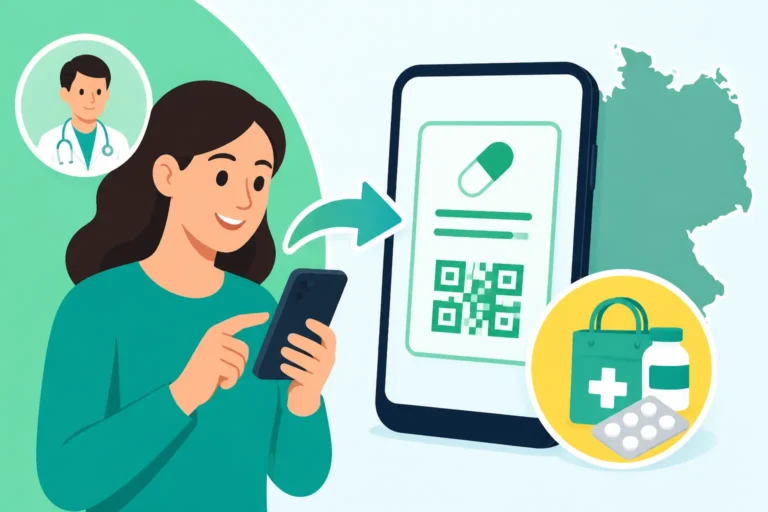
Recently, the nationwide rollout of the E-Rezept (electronic prescription) has drastically modernized this formerly paper-heavy process for public patients. Doctors now upload your prescription directly to a secure, centralized telematics server, and you simply insert your electronic health card into a terminal at the pharmacy to retrieve your medicine seamlessly.
This digital shift reduces the risk of lost paperwork, limits prescription forgery, and significantly streamlines the process for those managing chronic conditions.
Holistic Medicine and the German Love for Botanicals
Germany possesses a profound, institutionalized respect for natural, holistic, and preventative medicine. Do not be surprised if you visit a doctor for a mild respiratory infection or seasonal allergies and are prescribed a potent herbal extract or specialized medicinal tea rather than a heavy course of antibiotics.
Homeopathy and phytotherapy (plant-based medicine) are deeply woven into the local medical culture, with many modern pharmacies dedicating massive amounts of premium shelf space to plant-based remedies, essential oils, and homeopathic treatments. While this gentle approach frustrates some expats who are accustomed to immediate, aggressive pharmaceutical interventions, others embrace the focus on holistic healing.
For those who prefer to actively curate their own wellness routines with highly specific, trusted international supplements, ordering specialized vitamins and organic botanicals via iHerb is a highly popular and cost-effective workaround. To understand the profound cultural weight of these alternative treatments in everyday life, explore Alternative Medicine in Germany: Homeopathy and Natural Remedies.
Hospital Culture and Inpatient Care Expectations
Accommodations and the Amenities Shock
If you are unfortunately admitted to a German hospital (Krankenhaus), your specific insurance status heavily dictates your physical environment. Under statutory public insurance, you are generally entitled to a medical bed in a multi-bed ward, typically housing two to four patients per room, with shared bathroom facilities in the hallway.
Hospital food in Germany is notoriously pragmatic—expect dense brown bread, cold cuts, and simple clear soups—rather than a culinary delight. If you desire the privacy of a single room or demand exclusive treatment by the head chief physician (Chefarzt), you must either hold a premium private health policy via providers like Ottonova or pay entirely out of pocket for these expensive elective upgrades.
The clinical care, surgical precision, and hygiene standards, however, are universally world-class, regardless of your room size. The culture shock usually stems from the stark lack of “customer service” amenities commonly found in highly privatized North American hospitals.
The Doctor Patient Relationship and Bedside Manner
The bedside manner in German hospitals is distinctively formal, clinical, and highly structured. Doctors and nursing staff operate with immense efficiency and adhere strictly to professional boundaries. You will likely not experience the overly warm, conversational, or emotionally validating approach typical in Anglo-American medical settings.
Medical information, prognoses, and surgical risks are delivered bluntly and factually. While this directness can initially feel cold or unsympathetic to a newly arrived expat, it is deeply rooted in a cultural respect for transparency and absolute clinical truth. Patients in Germany are expected to be highly proactive, ask direct questions, and strictly follow the medical protocols laid out for them without requiring constant emotional reassurance.
Nurses in Germany are highly trained medical professionals who handle clinical care, complex medication administration, and vital signs monitoring. However, they are generally not expected to act as personal attendants. Basic grooming, non-medical feeding, and emotional support are often managed by auxiliary staff or heavily rely on visiting family members.
Rest Recovery and Long Hospital Stays
Germany views deep rest and structured recovery as an essential, active part of any medical treatment plan. In countries like the US, patients are often rapidly discharged just hours after major surgeries due to prohibitive daily insurance costs and lack of bed space. In Germany, hospital stays are significantly longer by design. The medical system prioritizes complete physiological stabilization over rapid bed turnover.
This philosophy extends far beyond the hospital walls into the unique German concept of the Kur (a prescribed medical spa retreat). Doctors can literally prescribe weeks of fully subsidized rehabilitative care at specialized thermal spa towns for patients recovering from major surgery, suffering from severe chronic stress, or battling long-term respiratory issues.
This deep integration of intense relaxation and clinical rehabilitation is a massive, highly cherished perk of the German welfare state. To understand how you can ethically leverage these incredible health benefits for your own recovery, read Spa and Sauna Culture in Germany: Wellness for Health and Relaxation.
Billing and Out of Pocket Costs: No Hidden Surprises
Statutory Co Pays and the Financial Safety Net
One of the most comforting and structurally secure aspects of the German healthcare system is the almost complete absence of medical bankruptcy. If you are publicly insured, your out-of-pocket costs are incredibly predictable, highly regulated, and strictly capped by the federal government to protect the most vulnerable citizens.
When you pick up a prescription medication at the pharmacy, you pay a co-pay (Zuzahlung) of exactly 10% of the medication’s retail cost, but this is legally bound by a strict minimum of €5 and a maximum of €10 per item. If you are hospitalized, you pay a daily accommodation fee of just €10, which is capped at a maximum of 28 days per calendar year.
Furthermore, the government implements a brilliant “financial burden cap” (Belastungsgrenze). Your total out-of-pocket medical co-pays for the calendar year cannot exceed 2% of your gross annual income, or 1% if you are officially certified as chronically ill. Once you hit that specific cap, all subsequent covered treatments and medications are completely free for the rest of the year.
The Pay and Claim Process for Private Patients
If you consciously chose the private insurance route, perhaps utilizing an expat-friendly broker like Feather Insurance to secure a premium plan, your billing experience is fundamentally different. After a clinic visit, the private doctor will send a complex, highly itemized invoice directly to your home address, calculated meticulously using the official fee schedule for physicians (GOÄ).
You are legally responsible for paying this invoice directly to the doctor via bank transfer, usually within 14 to 30 days. Simultaneously, you submit a copy of the invoice to your private insurance provider—typically via a quick scan on their smartphone app—to claim your full financial reimbursement.
Understanding how to read these medical invoices, checking for correctly applied diagnostic multipliers, and managing your personal cash flow while waiting for the insurance reimbursement is a crucial administrative skill.
Managing Cross Border Payments for Medical Bills
For brand new expats, paying these private medical bills can be a severe logistical headache. Before your local German bank account is fully operational, you might be forced to pay a local doctor’s massive invoice using funds from your home country savings account.
Traditional international bank transfers from the US, UK, or Australia to a German IBAN can incur terrible currency exchange rates and exorbitant, hidden correspondent banking fees, artificially inflating the true cost of your medical care.
To circumvent this common pitfall, savvy international residents use transparent, borderless financial platforms like Wise to execute fast, low-cost SEPA transfers directly to their German doctors. Managing these medical payments efficiently ensures your credit score remains pristine and you maintain a highly positive, trusted relationship with your local medical providers.
Conclusion
Experiencing healthcare culture shock in Germany is a perfectly normal part of the expat journey. While the strict pharmacy monopolies, blunt clinical communication, and dual-tiered insurance systems can initially feel overwhelming, they are the functional gears of one of the most effective and reliable medical infrastructures in the world.
By understanding the foundational solidarity principle of public insurance, navigating the specialized referral pathways, and mastering the administrative billing requirements of private providers, you can unlock a lifetime of world-class care. Embrace the distinct preventative philosophies, utilize modern digital tools for your administrative needs, and you will find that the German medical system is built to provide profound, long-term security.
References
Primary sources (official)
- Federal Ministry of Health (BMG) – Overview of the Healthcare System: https://www.bundesgesundheitsministerium.de/en/en.html
- Robert Koch Institute (RKI) – Public Health and Medical Research: https://www.rki.de/EN/Home/homepage_node.html
Other helpful sources
- Make it in Germany – The Healthcare System for Expats: https://www.make-it-in-germany.com/en/living-in-germany/money-insurance/healthcare
- The Commonwealth Fund – International Health Care System Profiles (Germany): https://www.commonwealthfund.org/international-health-policy-center/countries/germany
Disclaimer
The information provided in this article is for general informational and educational purposes only and does not constitute professional medical, legal, or financial advice. The German healthcare system, insurance regulations, and billing protocols are highly complex and subject to continuous legislative updates. Always consult directly with a qualified healthcare professional, your specific statutory sickness fund, or a certified independent insurance broker regarding your unique medical needs, insurance coverage, and legal obligations in Germany.