How to Get an e-Prescription (E-Rezept) in Germany
Standing in a long line at a crowded Berlin practice just to get a signature on a tiny pink slip of paper used to be my personal nightmare during flu season. I remember the frustration of finally reaching the pharmacy only to realize the doctor had forgotten a stamp, rendering the paper useless. This guide solves the mystery of the new mandatory digital system, explaining exactly how to navigate the German E-Rezept so you can get your medication without the old-school bureaucratic headache.
Disclosure: This post may contain affiliate links. We may earn a commission at no extra cost to you if you make a purchase through these links. Read full disclosure.
Understanding the Shift to Digital Prescriptions in Germany
For decades, the "pink slip" or Rosa Rezept was the gold standard for anyone covered by public health insurance. It was a physical manifestation of German bureaucracy—prone to being lost, crumpled, or incorrectly filled out. As of early 2024, the German healthcare system finally took a massive leap into the 21st century by making the e-prescription, or E-Rezept, mandatory for all public healthcare providers. This isn't just a minor change; it is a fundamental shift in how data moves between your doctor, your insurance provider, and your local Apotheke.
The transition was born out of a desire to reduce errors and streamline the Healthcare in Germany: A Comprehensive Guide for Expats. When a doctor issues a digital prescription, they are not sending an email or a PDF to your phone. Instead, they are uploading an encrypted data set to a centralized secure network called the Telematics Infrastructure. This sounds incredibly high-tech, but for the average expat, it simply means that your prescription exists "in the cloud," waiting for you to claim it using one of several keys.
If you are just starting your journey here, you might still be Finding a Doctor (Hausarzt) in Germany: How to Choose and Register. When you do, you’ll notice that the consultation ends differently now. Instead of the doctor reaching for a pad of paper, they click a button on their computer. Validation of these digital orders is done via a specialized electronic health professional card, ensuring that only authorized medical staff can prescribe medication. For us foreigners, this means less time worrying about whether we can read the doctor’s handwriting and more time focusing on recovery.
How the E-Prescription Process Works for the Patient
The actual experience of getting an e-prescription starts the moment you are diagnosed. Whether you are dealing with a simple seasonal cold or a chronic condition, the doctor will authorize the medication digitally. It is important to know that the prescription is not instantly available the millisecond the doctor hits "enter." Usually, the doctor or the practice assistant must digitally sign the batches of prescriptions, which might happen during their lunch break or at the end of the day. If you are heading straight from the doctor to the pharmacy, it is always wise to ask, "Is it signed and ready to pick up now?"
One of the most significant upgrades this system offers is its integration with Telemedicine in Germany: Online Doctor Appointments and e-Prescriptions. In the past, if you had a video consultation, the doctor had to mail the physical prescription to your house, which could take days. Now, an online doctor can upload the E-Rezept to the cloud immediately. This is a lifesaver for expats who might be too sick to leave the house or who live in rural areas with limited access to specialists.
Once the data is in the system, it stays there for a specific period—usually 28 days for most standard medications. This timeframe is crucial. If you don't redeem it within that window, the digital token expires, and you’ll have to contact the doctor again to have it reissued. This digital "holding area" is accessible by every pharmacy in Germany, from the smallest village shop to the massive 24-hour pharmacies in Frankfurt or Munich.
Three Ways to Redeem Your E-Prescription
The beauty of the German system is that it caters to both the tech-savvy and those who prefer a more traditional approach. You currently have three distinct methods to retrieve your medication from the Pharmacies in Germany (Apotheke): How to Get Medication and Advice.
Using Your Electronic Health Insurance Card (eGK)
This is by far the most common and easiest method for anyone with Public Health Insurance (gesetzliche Krankenkasse): What It Covers and Costs. You don't need a smartphone, an app, or a printer. You simply walk into any pharmacy and hand your plastic health insurance card (the one with your photo on it) to the pharmacist. They insert it into their terminal, and the system automatically pulls up any open e-prescriptions linked to your insurance ID.
I personally prefer this method because it’s foolproof. Even if my phone battery is dead or I’ve forgotten my password, my insurance card is always in my wallet. It is important to note that the card itself doesn't "store" the prescription; it acts as a secure key to unlock your data in the centralized cloud. If you are a newcomer waiting for your permanent card, you might struggle with this method and should ask your insurer about temporary solutions or use the paper token method described below.
The Official E-Rezept App
For those who want full control, the "Das E-Rezept" app (developed by Gematik) is the way to go. This app allows you to see exactly what has been prescribed, the dosage instructions, and even check which pharmacies nearby have the medication in stock. You can even "pre-order" the meds so they are ready when you arrive.
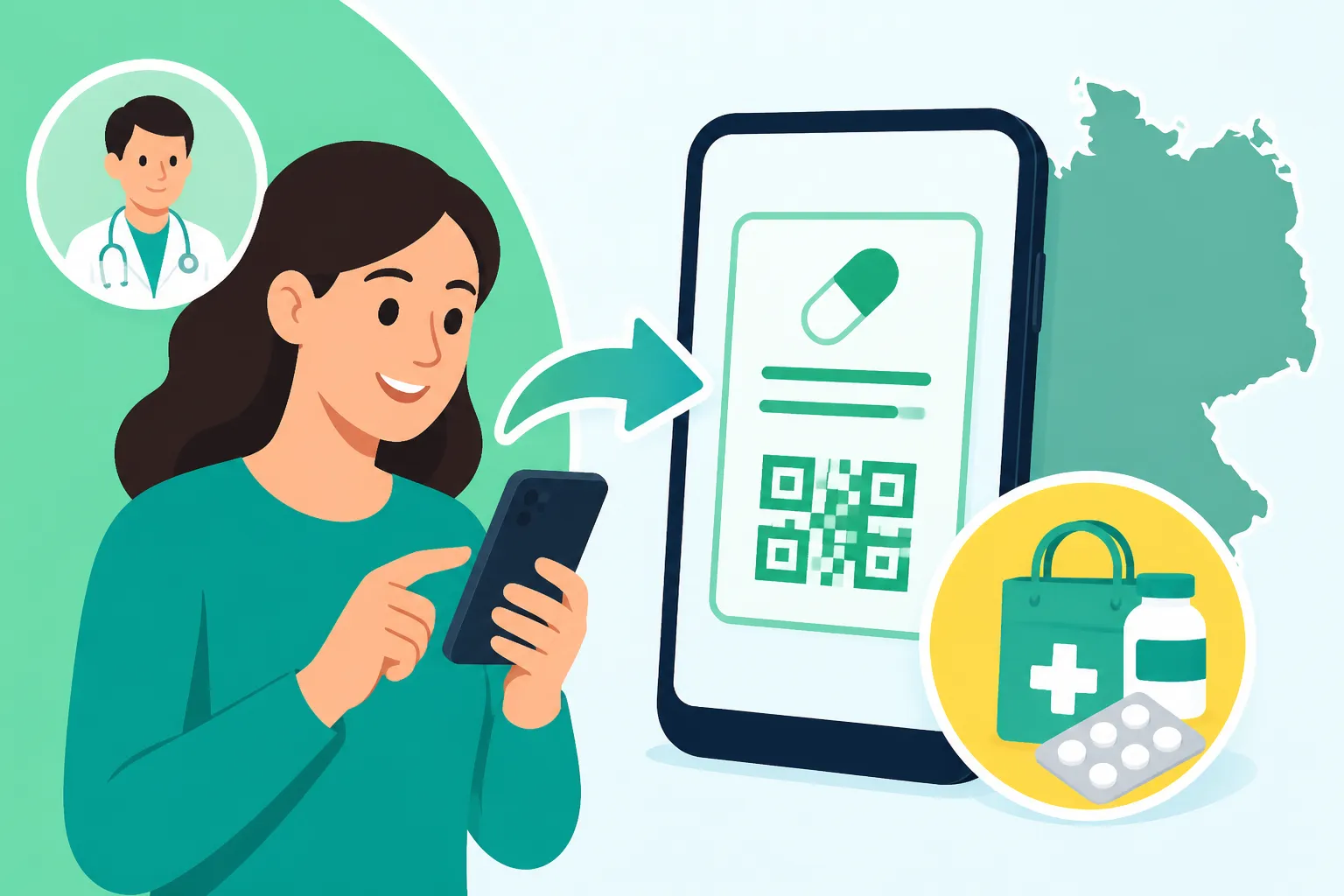
However, the setup process is famously "German" in its complexity. To use the app’s full functionality, you need a modern health card with an NFC chip (look for the wireless symbol) and a special PIN that your insurance company must mail to you. This is where services like Feather Insurance can be a massive help; they often provide English-language guidance on how to navigate these administrative hurdles with your Krankenkasse. Once set up, you simply show a QR code on your phone to the pharmacist, and you're good to go.
The Paper Printout (The Token)
If you aren't comfortable with apps or cards, or if the pharmacy's card reader is broken, the doctor can still provide a physical printout. This is not the old pink slip, but a white piece of paper with one or more QR codes on it. This is often called a "Token." Each QR code represents one medication. You simply hand this paper to the pharmacist, they scan the code, and the digital system marks the prescription as redeemed. This is a great backup option for parents or for people who need someone else (like a neighbor) to pick up their medication for them.
| Feature | Insurance Card (eGK) | E-Rezept App | Paper Printout |
|---|---|---|---|
| Tech Level | Low | High | None |
| Required Items | Physical Card | Smartphone + NFC Card + PIN | Printed QR Code |
| Best For | Routine pickups | Tech enthusiasts / Remote orders | Third-party pickups |
| Availability | Instant | Requires setup | Immediate at the clinic |
Navigating Private Insurance and the E-Rezept
The transition to digital has been slightly different for those with Private Health Insurance in Germany: Benefits, Costs, and Eligibility. For a long time, the e-prescription was almost exclusively a tool for the public system. However, private insurers are rapidly catching up. If you are with a modern, digital-first provider like ottonova, you are likely already used to a high level of digitization.
For many private patients, the process still involves receiving a "blue" paper prescription or a digital PDF that you must upload to your insurance app for reimbursement. However, more private doctors are now able to issue e-prescriptions that follow a similar flow to the public ones. If you are an expat on a digital nomad or transition plan like SafetyWing, your process will usually remain paper-based or require you to pay upfront and submit a scan of a physical prescription. Always check with your specific provider to see if they support the Gematik infrastructure, as this determines whether you can use the official app or if you need to stick to the traditional "pay and claim" model.
Understanding the nuances of Health Insurance in Germany: Understanding Public vs Private Coverage is vital here. While public patients get their meds for a small co-pay (usually 5 to 10 Euros), private patients usually pay the full price at the pharmacy and then seek a refund. The E-Rezept makes the documentation for this refund much cleaner, as the digital record is harder to dispute than a handwritten note.
Benefits and Common Pitfalls for Foreigners
One of the biggest hurdles I faced as a new expat was the language barrier at the pharmacy. The E-Rezept actually helps with this. Because the prescription is digital and standardized, there is less chance of a misunderstanding regarding the Common Medications and Their German Brand Names: A Quick Reference. The pharmacist sees exactly what the doctor intended on their screen.
However, there are still pitfalls to watch out for:
- The "Not Signed" Error: Sometimes you get to the pharmacy and they say there is nothing on your card. This usually means the doctor hasn't digitally "signed" the batch yet. Don't panic; it just means a 15-minute wait or a quick call to the doctor's office.
- App Setup Frustration: The PIN for your health card can take up to two weeks to arrive by post. If you need medicine today, don't rely on the app for your first time. Stick to the physical card.
- Pharmacy Compatibility: While almost every Pharmacies in Germany (Apotheke): How to Get Medication and Advice is now connected, occasionally a system goes down. In these cases, the paper token is your best friend.
If you are a frequent traveler or an expat who moves between cities, the E-Rezept is a blessing. You no longer have to worry about a prescription issued in Munich being "weird" to a pharmacist in Hamburg. The centralized system ensures total consistency across the country. For those on international plans like SafetyWing, remember that while you can use German pharmacies, you must keep your receipts (Quittungen) for your own claims process, as the German digital system doesn't automatically talk to foreign insurers.
Practical Tips for a Smooth Apotheke Experience
When you have your e-prescription ready, the next step is actually getting to the pharmacy. In Germany, pharmacies are not in supermarkets; they are independent shops marked with a large red "A". If you are sick in the middle of the night or on a Sunday, you’ll need to find a Pharmacy Sundays: How to Find an Open Apotheke After Hours. Every pharmacy has a list on its door showing which nearby shop is currently on "emergency duty" (Notdienst).
When you enter the pharmacy with your e-prescription:
- Have your card ready.
- Greet the pharmacist with a "Guten Tag."
- Explain if you have any allergies (even if it's in the system, it’s good to repeat).
- Ask about the Zuzahlung (co-payment). Most public patients pay a small fee per item.
- Ask for an "Einnahmeplan" (medication schedule) if the instructions aren't clear.
Digital tools provided by companies like Feather Insurance or the apps from ottonova often include features to help you track your medical history, which can be invaluable when you’re trying to remember what was prescribed a year ago. The E-Rezept app also maintains a history, making it much easier to manage repeat prescriptions for chronic issues.
Lastly, remember that the pharmacist in Germany is a highly trained medical professional, not just a retail clerk. They can often provide advice on minor ailments that might save you a trip to the doctor entirely. They are the final gatekeepers of the E-Rezept system, and they are usually very patient with expats navigating the digital transition for the first time.
Disclaimer
This article is for informational purposes only and does not constitute medical or legal advice. Regulations regarding healthcare and digital prescriptions in Germany can change frequently. Always consult with a licensed medical professional or your health insurance provider for the most up-to-date information regarding your specific situation and coverage.