How Much Cash Should You Carry When Traveling in Germany?
Oh, the eternal question for anyone arriving in Germany: "How much cash should I actually carry?" It’s a question that plagues nearly every expat and tourist I’ve ever met, and believe me, after living here for years, I've been caught without enough euros more times than I care to admit. While the world seems to be moving towards a cashless society, Germany often feels like it's marching to the beat of its own drum. This guide is here to shed some light on the reality of cash versus card in Germany, giving you practical advice so you’re never left in a bind when trying to pay for that delicious Kaffee und Kuchen.
Disclosure: This post may contain affiliate links. We may earn a commission at no extra cost to you if you make a purchase through these links. Read full disclosure.
The Enduring Reign of Cash in Germany: A Cultural Deep Dive
Let's be honest, it can be utterly baffling coming from a country where you can tap your phone for a single coffee to finding yourself in Germany, holding up a queue at a bakery because they only accept cash or an EC-Karte (German debit card). It's a genuine culture shock, and you're not alone in feeling it. This isn't just about being old-fashioned; it's deeply rooted in German culture, a preference for privacy, a distrust of debt, and a strong emphasis on practical, tangible money.
Historically, Germans have always preferred cash. There's a prevailing sentiment that cash offers more control over spending, less traceability, and a sense of security. While the younger generation and larger cities are slowly embracing digital payments, the country as a whole still leans heavily on physical currency. You’ll find that many small businesses, independent shops, and family-run establishments have stuck to their cash-only traditions. They might have a card machine, but it often only accepts the German Girocard (formerly EC-Karte), leaving international credit card holders high and dry. This phenomenon is so widespread that it’s sparked countless discussions among expats, often leading to a collective sigh of understanding – or frustration, depending on the day. Don't be surprised if your carefully planned budget suddenly includes an extra trip to the ATM. For a deeper dive, you can explore the topic of Using Cash vs Card in Germany: Is Germany Going Cashless?.
Why Germany Still Loves Physical Money
The reasons are manifold and quite interesting, once you get past the initial annoyance. One significant factor is data privacy. Germans are famously protective of their personal data, and cash transactions leave no digital trace, which is a big plus for many. There's also a historical precedent: after hyperinflation events in the 20th century, a cautious approach to financial systems and a preference for physical assets became deeply ingrained.
Furthermore, the banking infrastructure historically promoted the Girocard (EC-Karte) over credit cards. Most Germans have a Girokonto (current account) with a Girocard, which functions like a debit card. For decades, this was the primary non-cash payment method, and credit cards like Visa or Mastercard were seen more as tools for international travel or larger online purchases, not for daily errands. This has slowly started to change, particularly since the pandemic spurred some businesses to upgrade their systems, but the legacy is still very much alive. This means your foreign credit card, while accepted in larger chains, might still get you a polite but firm "Nur Barzahlung" (cash payment only) at your local bakery.
Essential Cash-Only Zones: Where Your Euros Are Non-Negotiable
Okay, let's get down to brass tacks. Where exactly are you most likely to be ambushed by a cash-only sign? Knowing these places can save you a lot of embarrassment and frantic searching for an ATM.
Small Businesses and Local Markets
This is arguably the most common battleground for cash. Think about those charming local spots that give Germany its character:
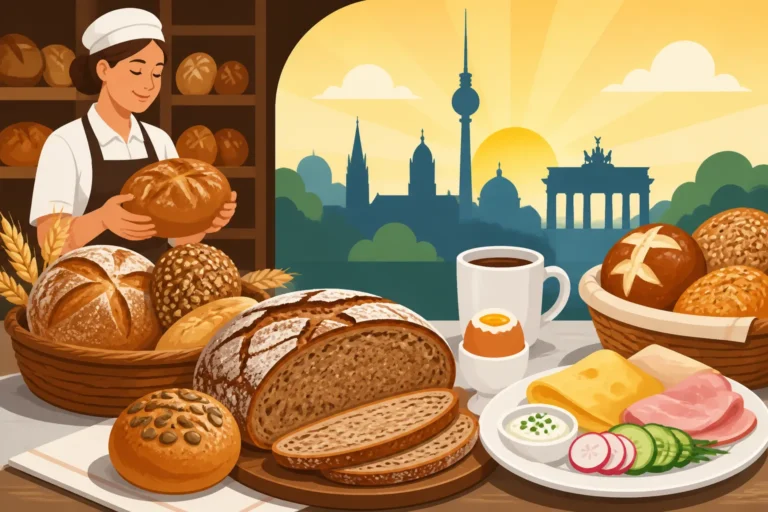
- Bakeries (Bäckereien) and Butchers (Metzgereien): Many of these traditional, often family-run, establishments will only accept cash or Girocard. If you want that fresh Brötchen (bread roll) in the morning or some authentic Wurst (sausage), make sure you have some euros in your pocket.
- Outdoor Markets (Wochenmärkte, Flohmärkte): Whether it's a bustling Bauernmarkt with fresh produce or a weekend Flohmarkt for vintage finds, cash is almost always king. Vendors are often small operators who prefer direct cash payments. Pre-booking tours via platforms like GetYourGuide might reduce your need for cash at bigger attractions, but for local market experiences, you need physical money.
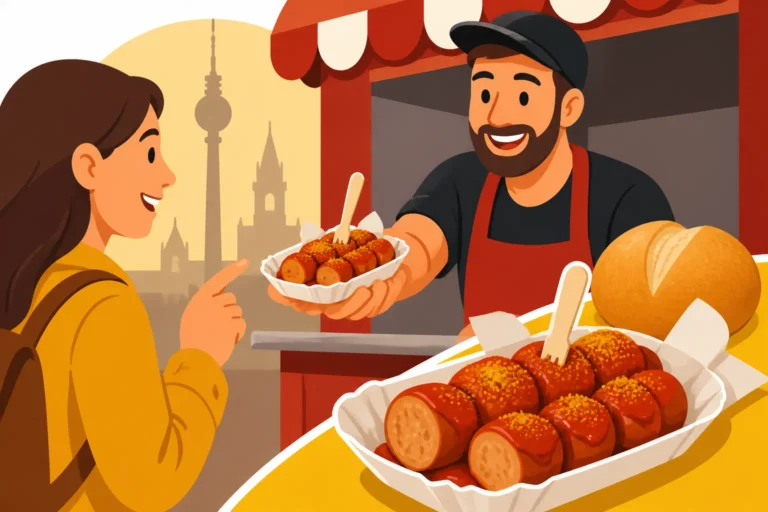
- Small Cafés and Imbiss Stalls: While bigger coffee chains or modern eateries in trendy areas might take cards, many small, independent cafés, especially outside city centers, operate on a cash-first basis. The same goes for Imbiss stalls selling Currywurst or Döner.
- Hairdressers, Barbers, and Nail Salons: Many smaller, independent salons tend to be cash-only, or at least prefer it. It's always best to ask beforehand if you're unsure.
Public Transportation and Parking
While large train stations (especially those serviced by Deutsche Bahn) usually accept cards, and many major city transport systems have apps or contactless options, there are still crucial areas where cash rules:
- Ticket Machines (Older Models): Especially in smaller towns or at less-frequented tram/bus stops, you might encounter older ticket machines that only accept coins or specific Girocards. Even if they do take card, sometimes the foreign credit card reader just decides not to cooperate. If you're relying on buying a single ticket or a short-trip pass on the go, having a few euros in coins and small notes is a lifesaver. While the Deutschland-Ticket has simplified long-term travel for many, daily excursions still require local fare knowledge. For those who want to plan ahead for bigger journeys, Omio can be a great resource for booking tickets digitally, reducing reliance on cash for main travel. You can find more details in Public Transport Tickets and Passes: Navigating German Transit Systems.
- On-Board Bus/Tram Payments: If you buy a ticket directly from the driver on a bus or tram, they almost exclusively expect cash, and often exact change or small notes.
- Parking Meters: Many street parking meters operate solely on coins. Some newer ones accept apps or card payments, but it’s a gamble. Always have a few euros in coins (1€, 2€) for parking.
Services and Miscellaneous
Beyond shops and transport, cash pops up in unexpected places:
- Tipping (Trinkgeld): While you can sometimes add a tip to a card payment in restaurants, it's very common and often preferred to leave a cash tip directly on the table. This ensures the staff receive it immediately. Learn more about Tipping and Service Charges in Germany: Who and How Much to Tip.
- Public Toilets: Believe it or not, many public restrooms, especially in train stations or roadside stops, operate on a 50-cent or 1-euro fee. You'll need coins for these.
- Some Delivery Services: While most food delivery apps take online payments, if you're ordering directly from a local pizzeria, they might prefer or even insist on cash upon delivery.
- Laundry Mats (Waschsalons): Many of these self-service laundromats still rely on coin-operated machines.
How Much Cash is "Enough Cash"? Practical Recommendations
So, with all this in mind, what's a realistic amount of cash to carry? This isn't a one-size-fits-all answer, but I can give you some solid benchmarks based on typical German spending habits and expat experiences.
The Daily Baseline: €50-€100 is a Good Start
For most days, especially when you're out and about exploring, I'd recommend having €50 to €100 in various denominations (small notes and coins) on you.
- Small notes (€5, €10, €20): Essential for breaking larger bills and for smaller purchases.
- Coins (€1, €2, €0.50): Crucial for public toilets, parking, a quick coffee, or tipping.
This amount gives you flexibility for a few cash-only situations, a spontaneous market purchase, public transport tickets, a quick lunch, and maybe even an unexpected visit to a local Kneipe (pub) that prefers cash.
Budgeting for Different Types of Days
Let's break it down into a couple of scenarios:
1. "Light Exploration" Day (Museums, Parks, Chain Stores):
- Expected Card Usage: High. Museums, larger shops, major restaurants will almost certainly take your international credit card. Many big attractions can be pre-booked online, for instance, through GetYourGuide.
- Cash Needed: €30-€50. This is your buffer for things like a small coffee from a local cafe, a souvenir from a market stall, a public toilet stop, or tipping.
2. "Local Immersion" Day (Markets, Small Towns, Independent Shops):
- Expected Cash Usage: High.
- Cash Needed: €80-€120. This allows you to comfortably browse and buy at flea markets, farmers' markets, enjoy lunch at a traditional Gasthaus (inn) in a smaller town, and handle any unexpected cash-only situations. If you plan to visit a few smaller independent stores or have a couple of Kaffee und Kuchen breaks, this range will serve you well.
3. "Emergency Buffer":
Always keep an extra €20-€30 tucked away separately, just in case your wallet goes missing, or you find yourself in a genuine cash-only emergency with no ATM in sight.
Table: Cash vs. Card in Germany – A Quick Overview
| Scenario / Item | Likely Payment Method | Recommended Cash Amount | Notes |
|---|---|---|---|
| Supermarkets (Lidl, Rewe, Edeka, etc.) | Card (Girocard, Credit) | Minimal | Credit cards widely accepted in larger chains. |
| Large Department Stores, Shopping Malls | Card (Girocard, Credit) | Minimal | |
| Train Tickets (DB stations, apps) | Card (Girocard, Credit) | Minimal | Booking online (e.g., Omio) or at large stations is easy. |
| Hotels (especially large chains) | Card (Girocard, Credit) | Minimal | Booking.com reservations often paid by card. |
| Restaurants (mid-to-high end, tourist areas) | Card (Girocard, Credit) | €5-€10 for tip | Still good to have cash for gratuity. |
| Bakeries, Butchers (local) | Cash, Girocard | €10-€20 | Often cash-only for smaller purchases. |
| Small Cafés, Kiosks (Spätis) | Cash, Girocard | €10-€20 | |
| Weekly/Farmers Markets (Wochenmarkt) | Cash | €20-€50 | Almost exclusively cash. |
| Flea Markets (Flohmarkt) | Cash | €20-€50 | Bargaining is done with cash. |
| Public Toilets | Coins | €1-€2 (in coins) | Typically 0.50€ – 1€. |
| Parking Meters (street) | Coins | €5-€10 (in coins) | Many still coin-operated. |
| Bus/Tram Driver (on-board ticket) | Cash (small notes/coins) | €5-€10 | Expect exact change or small notes. |
| Tips (Trinkgeld) | Cash preferred | €5-€10 (per meal/service) | Often preferred to be left directly in cash. |
| Unexpected small purchases | Cash | €20-€30 buffer | For anything unpredicted. |
Managing Your Money: ATMs, Cards, and Security
Now that you know how much cash to carry, let’s talk about how to get it and keep it safe. Navigating the German banking landscape can be a bit different from what you're used to.
Finding and Using ATMs (Geldautomaten)
ATMs are widely available in Germany, usually found outside bank branches, in shopping centers, and at major train stations.
- Bank Affiliation: Look for ATMs from major banks like Sparkasse, Deutsche Bank, Commerzbank, or Volksbank Raiffeisenbank. These are generally reliable.
- Fees: Be aware that using an ATM from a different bank than your own (if you have a German account) or using a foreign card can incur fees. Your home bank might also charge an international transaction fee. Always check for on-screen warnings about fees before confirming a withdrawal. Sometimes, smaller, non-bank ATMs in convenience stores can have higher charges, so stick to established bank ATMs if possible. You can find more comprehensive advice in Using ATMs in Germany: Tips to Avoid Extra Charges.
- Denominations: Most ATMs dispense €50, €20, and sometimes €10 notes. Try to get a mix, as trying to pay for a €3 coffee with a €100 bill might get you a less-than-thrilled look from the cashier.
Credit Cards vs. Debit Cards
- Girocard (EC-Karte): This is the local debit card, and it's ubiquitous. If you have a German bank account, this will be your primary card for daily transactions.
- International Credit Cards (Visa, Mastercard): Acceptance is growing, especially in larger cities, supermarkets, department stores, and international hotel chains (which you might book through Booking.com). However, as mentioned, many smaller establishments, particularly outside major hubs, still prefer Girocard or cash. Always carry some cash as a backup.
- American Express and Discover: Less widely accepted than Visa or Mastercard. Don't rely on these as your primary card.
- Mobile Payments (Apple Pay, Google Pay): These are slowly gaining traction, but again, their acceptance mirrors that of credit cards. Don't assume every terminal will support them.
Security Tips for Carrying Cash
It's natural to be concerned about carrying more cash than you're used to. Here are a few tips to keep your money safe:
- Divide and Conquer: Don't keep all your cash in one place. Split it between your wallet, a secure inside pocket, and perhaps a small amount in your accommodation's safe.
- Be Discreet: Avoid flashing large wads of cash. When paying, try to have the approximate amount ready.
- Secure Wallet: Use a wallet that is difficult for pickpockets to access, like one that zips up or is kept in a front pocket.
- Only Carry What You Need: While I recommend a buffer, don't walk around with hundreds of euros if you only plan to spend a small amount. Top up from ATMs as needed.
- Awareness: Be generally aware of your surroundings, especially in crowded tourist areas or on public transport, where pickpockets can operate.
Understanding Germany's nuanced relationship with cash is key to a smooth and stress-free trip. While it might feel a little old-school at times, a bit of preparation and a healthy supply of euros in your wallet will ensure you can enjoy everything this wonderful country has to offer, from a quick Apfelschorle to a stroll through a bustling market.
Disclaimer
The information provided in this guide is for general informational purposes only and does not constitute financial or legal advice. While we strive to provide accurate and up-to-date information, circumstances in Germany can change. It is always recommended to verify current payment options with establishments and consult with financial professionals for personalized advice.