How to Meet the A1 German Requirement for a Spouse Visa
Navigating the German bureaucracy is often described as a rite of passage, but when that bureaucracy stands between you and your partner, the stress reaches a whole new level. I remember the late nights spent staring at German grammar charts, feeling the weight of a looming visa appointment while my spouse was still stuck across an ocean. This guide is designed to demystify the A1 German requirement for the spouse visa, providing you with a clear, realistic roadmap to getting that certificate and reuniting your family.
Disclosure: This post may contain affiliate links. We may earn a commission at no extra cost to you if you make a purchase through these links. Read full disclosure.
Why Germany Requires the A1 Certificate for Spouses
The first thing most people ask—usually with a fair bit of frustration—is why on earth a basic language certificate is mandatory for someone just wanting to live with their husband or wife. In the eyes of the German government, this requirement is a tool for integration. The logic is that by arriving with a "breakthrough" level of German, a spouse is less likely to become socially isolated. It allows you to perform basic tasks like reading a train schedule, introducing yourself to a neighbor, or asking for help in a grocery store.
While the theory sounds noble, the reality for many expats is that it feels like just another hurdle in an already exhausting process. If you are already looking into the broader logistics, you might be familiar with the Family Reunification in Germany: Ultimate Guide for Bringing Your Loved Ones process. The A1 requirement is specifically tied to the residence permit for the purpose of family reunification (Familienzusammenführung). It is important to remember that A1 is the lowest level of the Common European Framework of Reference for Languages (CEFR). You aren’t expected to debate philosophy; you just need to survive a basic conversation.
Understanding The Spouse Visa for Germany and the A1 German Requirement is about more than just the test itself; it is about preparing for the lifestyle change. When my partner was going through this, we realized that the certificate was simply the "entry ticket" to the next stage of our lives. It is a hurdle, yes, but it is one that thousands of people clear every single month.
The A1 Exam Breakdown and Where to Take It
You cannot simply show up to the embassy and claim you speak German. You need a formal certificate from a recognized provider. The German authorities are very particular about which certificates they accept. Generally, the "Big Three" are the Goethe-Institut, ÖSD (Austrian Language Diploma), and Telc. Occasionally, TestDaF certificates are accepted, but those are usually at a much higher level than what is required for a spouse visa.
The exam itself is divided into four modules: Listening (Hören), Reading (Lesen), Writing (Schreiben), and Speaking (Sprechen). Each section is designed to test your ability to handle "real world" situations at a very basic level. For example, the writing section often asks you to fill out a simple form or write a short note to a friend about a meeting time. The speaking part usually involves introducing yourself and asking/answering simple questions about daily life.
To ensure your application is watertight, you’ll also need to consider your other documents. For instance, your marriage certificate will likely need a sworn translation. Services like Lingoking can be invaluable here, providing the certified translations that German bureaucrats demand. Dealing with the Apostilles and Certified Translations for German Immigration early on can save you weeks of delays.
Study Strategies for Busy Spouses
Don't let the "A1" label fool you into thinking you can wing it. Even for a basic level, German grammar is famously tricky. Most people need between 60 to 120 hours of instruction to reach a confident A1 level. If you are starting from zero, I highly recommend finding a structured course rather than relying solely on apps. Apps are great for vocabulary, but they rarely explain the "why" behind the grammar.
If you are currently outside Germany, look for a local Goethe-Institut. If you are already here on a different visa or are preparing from a distance, check out Learning German: Top Language Schools and Resources for Expats to find a program that fits your schedule. Many people find success with intensive "Bootcamp" style courses that last 4-6 weeks. These are grueling but effective for getting the requirement out of the way quickly.
Comparison of Popular A1 Test Providers
| Provider | Global Availability | Common Perception | Best For |
|---|---|---|---|
| Goethe-Institut | Excellent | The "Gold Standard" for German Embassies | Everyone; globally recognized and reliable. |
| Telc | Good (mainly Europe) | Often seen as slightly more "practical" | Those already in or near Europe. |
| ÖSD | Moderate | Very similar to Goethe; focuses on Austrian/German/Swiss | Those in regions where Goethe is fully booked. |
Exemptions to the A1 Requirement
One of the most important things you should do before hitting the books is checking if you are actually exempt. Not everyone moving to join a spouse in Germany needs to prove their language skills. The German government has carved out several specific categories where the A1 certificate is waived, and knowing these can save you hundreds of Euros and months of study.
The most common exemption is for spouses of "highly qualified" workers. If your partner in Germany holds an EU Blue Card, you typically do not need to provide an A1 certificate. This also applies if your spouse is a researcher, a self-employed person, or a person with subsidiary protection, provided the marriage existed at the time they established their residence in Germany. You can read more about the EU Blue Card Germany: Eligibility, Benefits, and Application Process to see if your spouse fits this category.
There is also the "Special Nationality" rule. Citizens of certain countries—including the USA, Canada, Australia, Israel, Japan, the Republic of Korea, and New Zealand—can often apply for their residence permit after entering Germany without needing an A1 certificate beforehand. However, even if you are from one of these countries, the local Foreigners' Office (Ausländerbehörde) may still ask you to show "basic integration" once you are here.
The Hardship Clause and Physical/Mental Limitations
There is a less-discussed exemption known as the "hardship clause." This is for situations where it is "permanently impossible" for a spouse to learn German or to obtain a certificate in their home country. This might apply if there are no testing centers in your country and traveling to another country is impossible, or if you have a documented disability that prevents you from learning a new language.
However, be warned: the bar for a "hardship" exemption is incredibly high. You will need extensive documentation, medical records, or proof of failed attempts despite significant effort. It is not enough to say the test is "too hard." The German embassy wants to see that you’ve tried. If you are in the thick of the application, keep an eye on your overall relocation checklist; services like Expatrio can help manage other requirements like health insurance or blocked accounts, which are often needed alongside the visa application.
Navigating the Visa Appointment with Your Certificate
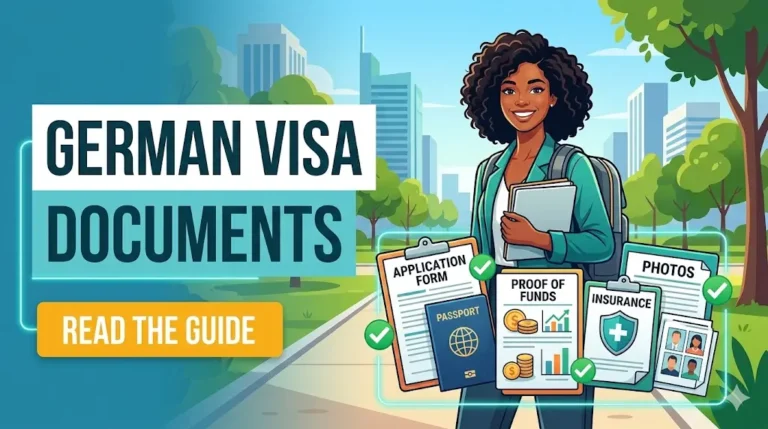
Once you have that precious piece of paper in your hand, the journey isn't quite over. You need to present it as part of your larger application package. I’ve seen people get rejected not because they didn’t have the certificate, but because the certificate was too old (usually, it should be no more than one year old) or because it wasn't the original document.
When you go to the embassy for the How to Bring Your Spouse to Germany on a Family Visa interview, bring the original certificate and at least two high-quality copies. The officer might ask you a few questions in German to verify that the certificate matches your actual ability. Don’t panic—they aren't looking for perfection. They just want to see that you can handle a basic "Guten Tag" and explain who you are.
If you are worried about the interview, remember that the goal of the embassy staff is usually to process your application, not to trap you. As long as your paperwork is in order and your A1 certificate is from a recognized body like Goethe or Telc, you are on solid ground. This is also the time to ensure all your other ducks are in a row, such as having your health insurance sorted. Again, platforms like Expatrio are popular among expats for setting up the necessary German-compliant insurance before they even arrive.
Common Pitfalls and How to Avoid Them
The biggest mistake I see spouses make is waiting too long to book the exam. Testing centers, especially Goethe-Instituts in high-demand areas like India, Turkey, or Southeast Asia, often have waiting lists that are months long. You should book your exam date as soon as you start your A1 course, not after you finish it.
Another pitfall is assuming that a university degree or an English-speaking background counts as an exemption. Unless your degree was specifically in German Studies, the embassy will almost always demand the A1 certificate. The only "academic" exemption is if you can clearly demonstrate at the embassy interview that your German is "manifestly" at a much higher level (like B1 or B2), but even then, it is safer to have the certificate.
Finally, make sure you are using the correct name on your certificate. If you recently changed your name through marriage, but your passport hasn't been updated yet, this can cause a headache. Ensure that the name on your A1 certificate matches the name on the passport you are using for the visa application. If you have mismatched documents, you will likely need a sworn translation of your marriage certificate from a provider like Lingoking to bridge the gap and prove you are the same person.
Moving Forward After the Visa is Granted
Getting the visa is a massive relief, but your relationship with the German language is just beginning. Once you arrive in Germany and register your address—a process called The Anmeldung: Registering Your Address in Germany—you will likely be required to attend an Integration Course (Integrationskurs).
The A1 certificate you earned for the visa is just the first step of this course. Most spouses are required to reach the B1 level within their first two years in Germany. The good news? The government often subsidizes these courses, making them very affordable. Taking the time to learn the language properly will open doors to the job market and help you feel like a participant in German life rather than just an observer.
If you are feeling overwhelmed, take a breath. The paperwork is temporary, but the life you are building together in Germany is the goal. For more specific details on the various permits, you can always refer back to the Residence Permits in Germany (Aufenthaltstitel): Types Overview to understand exactly what your new life will look like once the visa is in your passport.
Disclaimer
This article is for informational purposes only and does not constitute legal advice. Immigration laws in Germany are subject to frequent changes, and individual cases can vary significantly based on personal circumstances and the specific requirements of local German embassies or Foreigners' Offices (Ausländerbehörde). Always consult with an official government source or a qualified immigration lawyer before making any decisions regarding your visa application.
Useful Resources for Newcomers
| Resource Type | Purpose | Recommendation |
|---|---|---|
| Translation | Sworn translations of marriage/birth certificates | Lingoking |
| Visa Services | Blocked accounts and health insurance | Expatrio |
| Language Testing | Official A1 certification | Goethe-Institut |
| General Info | Official government portal | Make it in Germany |