What’s the Best Area to Stay in Berlin?
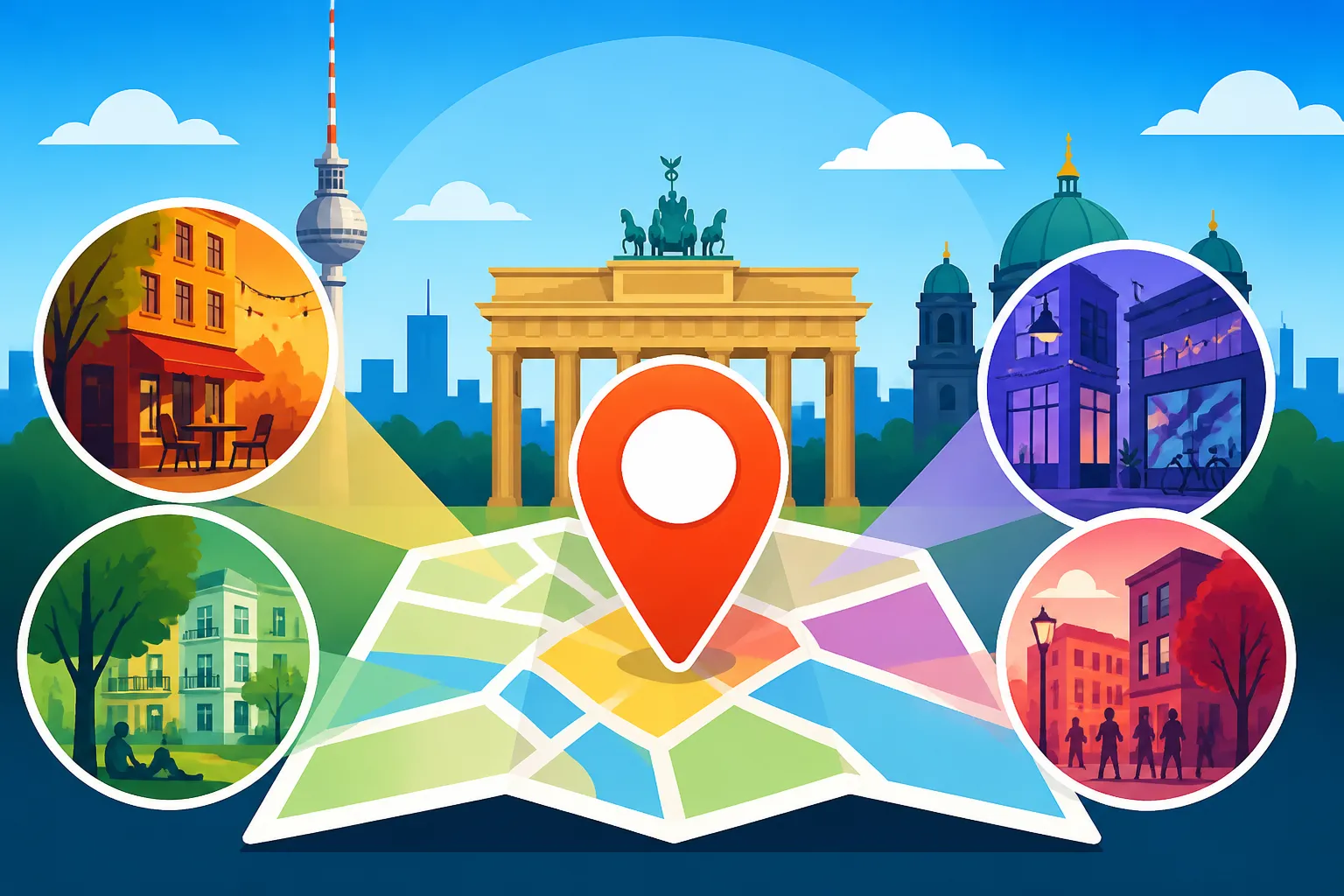
Berlin is a massive, sprawling metropolis that often feels more like a collection of distinct villages than a single unified city. Finding the right place to stay can be a logistical nightmare for newcomers who don't understand how the transport zones work or which "Kiez" matches their personal energy. This guide breaks down the most iconic neighborhoods to help you choose the perfect base for your German adventure.
Disclosure: This post may contain affiliate links. We may earn a commission at no extra cost to you if you make a purchase through these links. Read full disclosure.
Understanding the Berlin District Dilemma
If you are coming from a city with a single, clearly defined "downtown," Berlin is going to confuse you. The city is decentralized, a lingering result of the decades it spent divided by the Wall. What locals call Mitte might be the geographical center, but every district functions as its own heart with its own shops, culture, and nightlife. When I first moved here, I spent my first three nights in a sterile hotel near the main train station (Hauptbahnhof) thinking I was "central," only to realize I was miles away from the soulful, leafy streets where the real Berlin magic happens.
Choosing the right area is the difference between waking up to the smell of fresh sourdough in a family-friendly corner of Prenzlauer Berg and being steps away from a 48-hour techno marathon in Friedrichshain. You have to validate your own travel style before you book. Are you here for the history? The grit? The luxury? Or the greenery? Berlin has it all, but it’s rarely all in the same place.
The Kiez Culture and Why It Matters
In Berlin, your neighborhood is your identity. A "Kiez" is a small pocket within a larger district, usually centered around a square or a specific set of streets. People who live in Neukölln rarely feel the need to trek over to Charlottenburg unless they absolutely have to. When you’re looking at accommodation on Booking.com, don't just look at the distance from the Brandenburg Gate. Look at the nearest U-Bahn or S-Bahn station. Connectivity is king here.
Berlin's public transport system is excellent, but it is also vast. If you choose an area that is poorly connected, you’ll spend half your trip underground. To get a better sense of how to navigate the city once you arrive, you might want to read about How to Use the Berlin U-Bahn and S-Bahn as a Visitor to avoid the common pitfalls of the BVG ticket machines.
East vs. West the Psychological Divide
Even decades after the reunification, the "Mauer im Kopf" (the wall in the head) persists in the city's architecture and vibe. The East (Friedrichshain, Mitte, Prenzlauer Berg) tends to have wider boulevards, more socialist-era architecture, and a generally more "alternative" feel. The West (Charlottenburg, Schöneberg, Wilmersdorf) feels more established, posh, and classic. Understanding this divide helps you manage expectations. If you want a "Sex and the City" vibe, head West; if you want a "Berlin Calling" vibe, stay East.
Mitte The Historical Heart for First-Timers
Mitte literally translates to "Middle," and for most tourists, this is the default starting point. It is where the vast majority of the heavy-hitting historical sites are located, from the Reichstag to the Berliner Dom. If you only have 48 hours and want to walk to the most famous landmarks, this is your spot. It’s also incredibly well-served by public transport, making it easy to use Omio to book a quick train out of the city if you decide on a last-minute day trip.
However, Mitte is a double-edged sword. It can feel a bit "Disney-fied" in certain sections, especially around Checkpoint Charlie. To see the best of this area without the tourist traps, check out our guide on Berlin for First-Time Visitors: Neighborhoods and Highlights which helps filter the noise.
Museum Island and Unter den Linden
Staying near Museum Island puts you in the middle of some of the world's most significant cultural treasures. The architecture here is grand and imposing. You’ll find high-end hotels and sleek holiday rentals. It’s a great area for those who want to spend their days wandering through the Pergamon or the Altes Museum. It’s relatively quiet at night, which is a pro for some and a con for others.
Alexanderplatz and the Modern Center
Alexanderplatz is the iconic heart of East Berlin, dominated by the TV Tower (Fernsehturm). While the square itself is a bit of a concrete jungle, the surrounding areas like the Scheunenviertel are fantastic. Here, you’ll find hidden courtyards (Hackesche Höfe) filled with boutiques and art galleries. It’s one of the few places in Berlin where you can experience the old Jewish quarter's history alongside cutting-edge fashion. For those looking to dive deep into the city's past, many tours depart from this area, and you can easily find specialized excursions on GetYourGuide to learn about the Cold War or the Prussian era.
Friedrichshain and Kreuzberg The Soul of Alternative Berlin
If you’ve heard stories about Berlin’s legendary nightlife, street art, and gritty charm, you’re thinking of Friedrichshain and Kreuzberg (often collectively called X-Hain). These two districts were once separated by the Spree river and the Wall, but today they are joined by the beautiful Oberbaumbrücke.
Friedrichshain is the home of the East Side Gallery and the world-famous Berghain nightclub. It feels industrial and raw. Kreuzberg, on the other hand, is the heart of Berlin’s Turkish community and its punk-rock history. It’s edgier, with canal-side hangouts and incredible street food. If you are a foodie, staying here is a must. You can learn more about the local flavors in our article on Sausages and Street Food in Germany (Currywurst and More).
Boxhagener Platz and the Sunday Vibe
In Friedrichshain, the area around Boxhagener Platz is the place to be. On Saturdays, there’s a food market; on Sundays, a famous flea market. The streets are lined with vegan cafes, vintage shops, and more bars than you could visit in a lifetime. It’s the quintessential "cool" Berlin experience. It can be loud, though. If you’re a light sleeper, look for an apartment in a "Hinterhof" (back courtyard) to escape the street noise.
Bergmannkiez vs. Kottbusser Tor
Kreuzberg has two distinct personalities. The Bergmannkiez is the "gentle" side of Kreuzberg—leafy, beautiful, and full of charming cafes and the Marheineke Markthalle. It’s great for couples and older travelers who want an alternative vibe without the chaos. On the flip side, the area around Kottbusser Tor (Kotti) is the gritty, chaotic, and vibrant heart of the district. It’s not for everyone, but it’s undeniably Berlin. If you want to be where the action is, this is it. For those planning a longer stay or needing to navigate the local systems, you might find Living in Berlin: Expat Guide to Neighborhoods and Lifestyle a useful resource for this international part of town.
| Neighborhood | Best For | Vibe | Price Range |
|---|---|---|---|
| Mitte | Sightseeing, History | Professional, Busy | $$$ |
| Prenzlauer Berg | Families, Brunch | Leafy, Gentrified | $$$ |
| Friedrichshain | Nightlife, Students | Industrial, Energetic | $$ |
| Kreuzberg | Foodies, Alternative | Edgy, Diverse | $$ |
| Charlottenburg | Luxury, Shopping | Elegant, Classic | $$$$ |
| Neukölln | Hipsters, Budget | Gritty, Trendy | $ |
Prenzlauer Berg The Leafy Haven for Families
If you want to experience Berlin like a local who has "made it," head to Prenzlauer Berg. After the Wall fell, this was the epicenter of the squatter and artist scene. Fast forward thirty years, and those artists have kids and high-paying jobs in tech. It is now the most family-friendly area in the city.
The streets are paved with cobblestones and lined with renovated Altbau (old buildings) with high ceilings and ornate moldings. It is undeniably beautiful. This is the place to go for "Kaffee und Kuchen" (coffee and cake). To get a better handle on this cultural tradition, take a look at German Cafés and Kaffee und Kuchen Culture.
Kollwitzkiez and Helmholtzplatz
These two pockets are the crown jewels of Prenzlauer Berg. You’ll find organic supermarkets, high-end toy stores, and some of the best brunch spots in the city. It’s safe, quiet at night, and feels like a sanctuary. It’s also home to the Mauerpark, which hosts a massive flea market and outdoor karaoke every Sunday. If you're traveling with children, finding a Pediatric Care in Germany: Finding a Kinderarzt in this area is quite easy as the density of young families is the highest in the country.
Charlottenburg and Schöneberg The Classic West
For a long time, the West was considered "boring" by the younger crowd, but that is changing. Charlottenburg is seeing a massive resurgence. It offers a level of sophistication and peace that you won’t find in the East. Staying here means being close to the Kurfürstendamm (Ku'damm), Berlin’s premier shopping boulevard.
Luxury Near the Savignyplatz
Savignyplatz is one of the most beautiful squares in the city, surrounded by excellent Italian restaurants and bookstores. It has a scholarly, literary feel. It’s the perfect place to stay if you want to be close to the KaDeWe (the second-largest department store in Europe) but still want a neighborhood feel. If you’re coming from the airport, it’s worth checking Omio for the direct S-Bahn connections that serve the West very efficiently.
Schöneberg and the Winterfeldtplatz
Schöneberg is famous for its history as the center of LGBTQ+ life in Berlin since the 1920s. It’s a welcoming, diverse, and very cozy neighborhood. The market at Winterfeldtplatz is widely considered the best in the city. It’s also where David Bowie lived during his Berlin years. It has a "real" feel to it—less polished than Charlottenburg but more refined than Neukölln. If you are staying in the West but want to explore the more historic areas of the East, a guided tour from GetYourGuide can help bridge that geographical gap with ease.
Practical Tips for Your Berlin Stay
Regardless of which neighborhood you choose, there are a few "Berlin truths" you need to accept. First, the city is bigger than you think. Walking from one district to another is rarely an option. Second, the ground floor is called "Erdgeschoss," and what Americans call the second floor is the "first floor" here. If your Booking.com listing says "4th floor" and there is no elevator, be prepared for a workout.
Booking Timing and Logistics
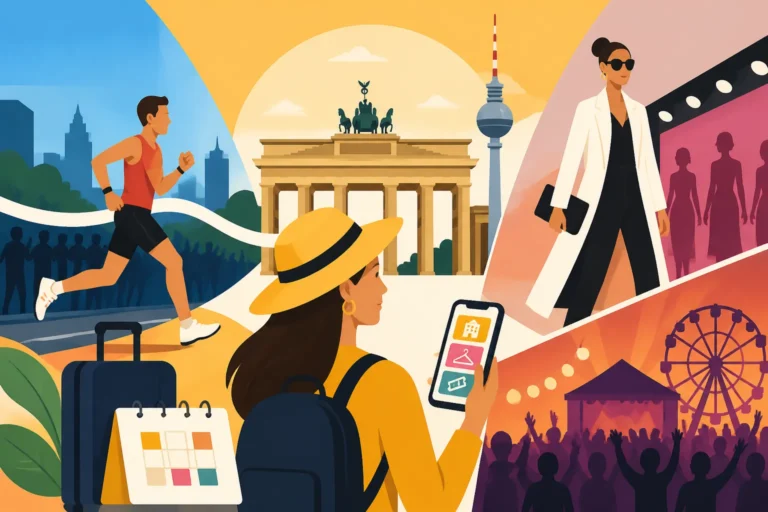
Berlin’s hotel and rental market is surprisingly tight. If you are visiting during major events like the Berlin Marathon or Fête de la Musique, prices will skyrocket. Always book in advance. For those who want a more localized experience, look for "Apart-Hotels" which give you a kitchen—handy for saving money by shopping at local markets.
If you are coming to Berlin for work or a longer study period, you might need to handle more administrative tasks. You can find information on What to Do When You’re Sick in Germany and Don’t Have a Doctor Yet if you happen to fall ill during your stay. Also, if you're exploring the wider region of Brandenburg, using Omio for regional train tickets is often cheaper than buying them at the station on the day.
Safety and What to Avoid
Berlin is generally very safe, but like any major city, it has its rough patches. Areas around major train stations (like Kottbusser Tor or Görlitzer Park) can feel intimidating at night due to drug dealing, though violent crime against tourists is rare. Use common sense, keep your belongings close in crowded U-Bahns, and you will be fine. If you ever find yourself in a bind, knowing the Emergency Numbers in Germany: Calling 112, Poison Control, and More is essential for peace of mind.
Ultimately, the "best" area is the one that makes you feel at home. Whether that’s a penthouse in Mitte or a shared flat in Neukölln, Berlin has a corner for everyone. Take your time, do your research, and don't be afraid to wander off the beaten path.
Disclaimer
The information provided in this guide is for informational purposes only. Travel conditions, neighborhood dynamics, and business availability in Berlin can change rapidly. Always verify the latest local regulations and safety advisories before your trip. The author and publisher are not responsible for any personal decisions or incidents occurring during your stay in Germany.