Pregnancy and Parental Leave: Healthcare Support Before and After Birth
Navigating pregnancy and early parenthood in Germany offers incredible medical support and robust legal protections. This comprehensive guide helps expat parents understand maternity leave laws, financial allowances, postnatal care, and how to effectively manage their growing family’s healthcare journey.
Disclosure: This post may contain affiliate links. We may earn a commission at no extra cost to you if you make a purchase through these links. Read full disclosure.
Prenatal Healthcare and Medical Monitoring in Germany
The Role of the Gynecologist and Midwife
In the German healthcare system, the journey of pregnancy is jointly managed by two highly respected professionals: the gynecologist (Frauenarzt or Gynäkologe) and the midwife (Hebamme). The moment you suspect you are pregnant, your very first step is to schedule an appointment with your gynecologist to confirm the pregnancy via ultrasound and blood tests. Throughout your pregnancy, you will visit the gynecologist every four weeks, increasing to every two weeks during the final trimester, to monitor the baby’s development, track your blood pressure, and conduct vital screenings. If you are newly arrived and haven’t secured a doctor yet, our guide on Women’s Health in Germany: Gynecologists, Maternity Care, and More will help you navigate this essential first step.
While the gynecologist handles the clinical and diagnostic side of your prenatal care, the midwife offers invaluable holistic, emotional, and practical support. In Germany, midwives do not just assist during the actual birth; they are deeply involved in prenatal counseling, teaching birthing classes (Geburtsvorbereitungskurs), and providing crucial postpartum care. A registered midwife can answer questions about nutrition, alleviate common pregnancy discomforts using natural remedies, and prepare you mentally for labor.
It is an open secret among expats and locals alike that Germany is currently experiencing a severe shortage of midwives. Finding an available Hebamme requires immense proactivity. You should ideally begin contacting local midwives or midwife practices (Hebammenpraxen) the moment your pregnancy is confirmed by a doctor, often as early as the sixth or seventh week. Waiting until your second trimester to begin the search frequently results in being placed on endless waitlists, leaving you without this vital pillar of support during your transition into parenthood.
The Mutterpass and Routine Checkups
Upon confirming your pregnancy, your gynecologist will issue you one of the most important documents you will carry in Germany: the Mutterpass (maternity log). This small, usually blue booklet is the central, physical repository for your entire prenatal medical history. It meticulously tracks every single doctor’s visit, recording your weight, blood pressure, iron levels, the baby’s heart rate, and the exact positioning of the fetus as the pregnancy progresses.
The Mutterpass is not a document you file away in a drawer at home; you are strictly advised to carry it with you at all times, everywhere you go. In the event of an unexpected medical emergency or a sudden onset of labor outside your home, paramedics and emergency room doctors will immediately ask for this booklet. It provides them with an instant, comprehensive overview of your pregnancy, ensuring that any emergency treatments administered are perfectly safe for both you and the baby.
Throughout the standard prenatal schedule, statutory health insurance covers three major, highly detailed ultrasound examinations, typically occurring around the 10th, 20th, and 30th weeks of pregnancy. During these milestones, the doctor will take precise measurements of the baby’s anatomy, check the volume of amniotic fluid, and assess the placenta’s function. The results of these major screenings, along with your blood type and immunity status for diseases like Rubella and Hepatitis B, are permanently recorded within the pages of your Mutterpass.
Statutory versus Private Insurance Coverage
The financial anxiety often associated with having a baby in many other countries is largely absent in Germany, thanks to its robust insurance frameworks. If you are enrolled in the statutory public health insurance system, all medically necessary prenatal care is fully covered. This includes your routine gynecologist visits, the three standard ultrasounds, all standard blood work, and the services of your midwife. You simply present your electronic health card, and you will not see a single invoice. You can review the baseline of this generous system in Public Health Insurance gesetzliche Krankenkasse: What It Covers and Costs.
However, public insurance strictly limits its coverage to what is deemed medically essential. If you want additional “curiosity” ultrasounds to see the baby more often, 3D/4D imaging, or specialized non-invasive prenatal testing (NIPT) without a prior medical indication of risk, you will have to pay for these elective services out of pocket. Many public patients happily pay these small private fees, but for expats seeking a more comprehensive, all-inclusive luxury experience, transitioning to the private sector is a popular choice.
Private health insurance provides a significantly broader scope of coverage during pregnancy. Premium providers like Ottonova frequently cover the costs of additional ultrasounds, advanced elective screenings, and holistic prenatal wellness treatments without the strict bureaucratic limitations of the public system. Furthermore, private policies often guarantee accommodation in a single or double room at the hospital after birth, along with exclusive treatment by the chief physician. If you are assessing your options, utilizing knowledgeable brokers like Feather Insurance can help you secure a policy that transforms your prenatal care from standard to exceptional.
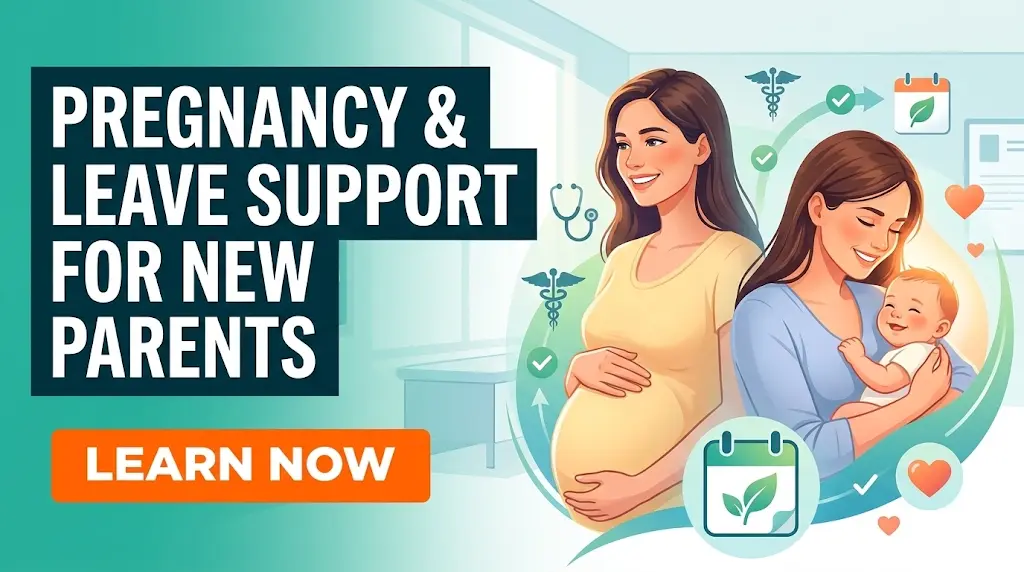
Maternity Leave Protections Mutterschutz
Legal Timeframes Before and After Delivery
Germany deeply values the physical health of expectant mothers, a principle codified in the Mutterschutzgesetz (Maternity Protection Act). This federal law provides a highly structured period of legally mandated maternity leave, commonly referred to as Mutterschutz. The standard protective period begins exactly six weeks before your estimated due date and extends for eight weeks after the actual birth of the child.
During the six weeks leading up to the birth, you are legally permitted to stop working. You can choose to continue working during this prenatal phase if you explicitly state your willingness to do so, and you can revoke this consent at any time without penalty. However, the eight weeks following the birth are absolute. This postnatal period is an absolute employment ban (absolutes Beschäftigungsverbot). Under no circumstances are you allowed to work during these eight weeks, even if you feel perfectly fine and wish to return to the office.
In special medical circumstances, this protective period is extended. If you experience a premature birth, deliver multiple babies (twins, triplets), or if your child is diagnosed with a disability shortly after birth, the postnatal protective period is automatically extended from eight weeks to twelve weeks. This legal framework ensures that mothers are given the uninterrupted time necessary to physically heal from childbirth and establish a secure initial bond with their newborn without facing any professional pressures.
Workplace Safety and Employment Rights
The Mutterschutzgesetz is not merely about taking time off; it actively regulates your daily safety while you are still on the job. The moment you inform your employer of your pregnancy, they are legally required to conduct a thorough risk assessment of your workplace. Pregnant women are strictly prohibited from working with hazardous chemicals, performing heavy physical labor, or working in environments with extreme heat, cold, or noise.
Furthermore, pregnant employees are protected against working overtime, working night shifts (between 8:00 PM and 6:00 AM), and working on Sundays or public holidays. If your current role inherently violates these safety standards—for example, if you are an intensive care nurse or a laboratory technician handling toxic substances—and your employer cannot reassign you to a safe, alternative desk role, they must issue a formal Beschäftigungsverbot (employment ban). In this scenario, you are sent home on full pay for the remainder of your pregnancy.
Alongside these physical protections, the law provides an ironclad defense against dismissal. From the moment your pregnancy begins until four months after the birth of your child, your employer cannot legally fire you, except in extremely rare cases involving severe corporate insolvency that require explicit government approval. This job security is a massive relief for career-driven expats, ensuring that starting a family does not derail your professional trajectory in Germany.
Financial Support During Mutterschutz
Taking time off work before and after birth does not mean taking a financial hit. During the entire 14-week Mutterschutz period, you are entitled to receive 100% of your average net salary, ensuring absolute financial stability during your physical recovery. This full income replacement is achieved through a combination of state support and employer contributions.
The primary payment is the Mutterschaftsgeld (maternity benefit), which is paid directly by your statutory health insurance provider. The health insurance contributes a fixed maximum amount of €13 per calendar day. If your standard net salary exceeds this €13 daily limit—which is the case for the vast majority of professionals—your employer is legally obligated to pay the difference. This employer top-up (Arbeitgeberzuschuss) guarantees that your bank account sees the exact same net income during your leave as it did when you were working.
For self-employed expats or freelancers who are privately insured, the financial mechanics differ slightly, as there is no corporate employer to provide the top-up. Privately insured mothers typically receive a one-time maternity grant from the Federal Office for Social Security, coupled with daily sickness benefits (Krankentagegeld) if they opted for that specific rider in their private policy. To understand how independent workers navigate these unique financial hurdles, review Health Insurance for Freelancers and Self-Employed: Navigating the System.
Parental Leave Elternzeit and Financial Aid Elterngeld
Requesting Elternzeit from Your Employer
Once the initial Mutterschutz recovery period concludes, the German system pivots to long-term family bonding through Elternzeit (parental leave). Elternzeit is an unpaid, legally protected leave of absence from work that can be claimed by both mothers and fathers. Every parent is entitled to take up to three years of Elternzeit per child. During these three years, your employment contract is essentially paused; your employer must keep your job (or an equivalent position) open for you until you return, and you remain fiercely protected against dismissal.
The flexibility of Elternzeit is remarkable. You do not have to take the three years all at once. You can split the leave into different periods, and you can even save up to 24 months of the leave to use at any point before the child’s eighth birthday—perhaps to help them transition into elementary school. Both parents can take Elternzeit simultaneously or alternate to ensure the child is cared for at home during their crucial early developmental years.
To secure this leave, you must formally notify your employer in writing. The strict legal requirement is that you must submit your Elternzeit request exactly seven weeks before you intend the leave to start. For mothers transitioning directly from Mutterschutz into Elternzeit, this means the application must be handed to HR within the first week after the baby is born. Missing this seven-week deadline can result in the employer legally delaying the start of your requested leave.
Calculating and Applying for Elterngeld
Because Elternzeit is legally unpaid leave, the German state steps in to provide financial sustenance through Elterngeld (parental allowance). This state-funded benefit is designed to partially compensate parents for the loss of income while they stay home to raise their child. The standard Basiselterngeld pays between 65% and 67% of your average net income from the twelve months preceding the birth. The payout is capped at a maximum of €1,800 per month, with a minimum guaranteed payment of €300 per month even for parents who had no prior income.
Parents can receive Basiselterngeld for up to 12 months. If both parents participate and take at least two months of leave (the so-called “partner months”), the total paid duration extends to 14 months. For families seeking a longer, more gradual transition back into the workforce, the state offers ElterngeldPlus. This variant spreads the financial support over a longer period, making it highly lucrative for parents who wish to work part-time while on leave.
To help visualize the difference, refer to this comparative breakdown:
| Feature | Basiselterngeld | ElterngeldPlus |
| Maximum Duration | Up to 12 months (14 with partner months) | Up to 24 months (28 with partner months) |
| Monthly Payment | 65% to 67% of prior net income | Exactly half of the calculated Basiselterngeld amount |
| Maximum Payout Limit | €1,800 per month | €900 per month |
| Working Part-time | Allowed, but income heavily reduces the payout | Highly encouraged; income has a less punitive effect on payouts |
Managing Finances and International Transfers
Applying for Elterngeld requires a significant amount of bureaucratic stamina. You must submit your child’s original birth certificate, twelve months of stamped payslips, confirmation letters from your health insurance, and detailed forms to your local Elterngeldstelle. Because the processing time can take several weeks or even months in busy expat hubs like Berlin or Munich, families must have enough liquid savings to float their expenses during the gap between the end of Mutterschutz and the first Elterngeld payout.
This financial transition phase can be particularly stressful if you still have financial obligations in your home country, such as a mortgage or student loans. When managing a reduced income on Elterngeld, you cannot afford to lose money to terrible banking exchange rates. Utilizing a borderless financial platform like Wise is an incredibly smart strategy for expats. Using Wise allows you to smoothly transfer your German state benefits to international accounts at the real mid-market exchange rate, saving your family hundreds of euros in hidden banking fees over the course of your parental leave.
Furthermore, if you are purchasing premium baby gear or specialized maternity wellness items that are not covered by your Ottonova or Feather Insurance private policies, handling those out-of-pocket costs requires efficient financial tools. Ensuring your cross-border banking is optimized before the baby arrives removes a massive layer of administrative stress, allowing you to focus entirely on your new family dynamic.
Postnatal Care and Pediatric Health Support
The Nachsorgehebamme Postpartum Midwife
The exceptional support of the German healthcare system does not vanish once you leave the hospital. In fact, it follows you directly into your living room through the services of the Nachsorgehebamme (postpartum care midwife). For the first twelve weeks after birth, you are entitled to have a midwife visit you at your home. During the first ten days, she can visit daily; after that, the visits taper off as you and the baby become more settled.
The postpartum midwife provides an incredibly comprehensive level of care. She will weigh the baby to ensure they are gaining enough weight, check the healing of the baby’s umbilical cord, and assist extensively with breastfeeding or bottle-feeding difficulties. For the mother, the midwife checks the involution of the uterus, monitors the healing of any surgical incisions or tearing, and watches closely for early signs of postpartum depression.
This at-home medical supervision is entirely covered by statutory health insurance and provides immense psychological relief to exhausted new parents. It prevents unnecessary trips to the clinic while you are still physically vulnerable.
Pediatrician Checkups The U Heft System
Parallel to the mother’s postnatal recovery, the newborn immediately enters Germany’s rigorous, highly structured pediatric monitoring system. Every child born in Germany is issued a yellow U-Heft (examination booklet). This booklet outlines a mandatory schedule of preventative developmental checkups, beginning with the U1, which is performed by the doctor or midwife within minutes of the birth in the delivery room.
The U2 checkup occurs between the third and tenth day of life. If you deliver in a hospital and stay for three days, the hospital pediatricians will perform the U2 before you are discharged. However, if you choose an outpatient birth (ambulante Geburt) and leave the hospital a few hours after delivery, you must have a private pediatrician (Kinderarzt) lined up in advance to perform the U2 at their clinic.
Securing a pediatrician in your neighborhood should be completed while you are still pregnant, as clinics frequently reach maximum capacity. The U-Heft tracks the child’s height, weight, reflexes, and vaccination schedule right up until they enter elementary school. It is an administrative cornerstone of German parenting.
Supplements and Maternal Wellness Recovery
German healthcare places a profound emphasis on the long-term physical rehabilitation of mothers. Recognizing that pregnancy and childbirth take a massive toll on the body’s core and pelvic floor, health insurance fully covers the cost of a Rückbildungskurs (postnatal recovery and pelvic floor gymnastics course). These specialized physical therapy classes usually begin six to eight weeks postpartum and are essential for preventing long-term incontinence and back issues.
Beyond physical therapy, maintaining maternal wellness requires aggressive nutritional replenishment. Sleep deprivation and breastfeeding rapidly deplete the body’s reserves of iron, Vitamin D, Omega-3 fatty acids, and essential B vitamins. While local German pharmacies offer basic postnatal vitamins, their selections can be expensive and limited compared to global markets.
Many health-conscious expat mothers prefer to take total control of their postnatal nutrition by sourcing highly specialized, high-quality supplements globally. Ordering comprehensive postnatal multivitamins, organic lactation teas, and targeted probiotics through international platforms like iHerb is a highly popular strategy. By optimizing your micronutrient intake, you provide your body with the exact fuel it needs to heal rapidly, a proactive approach that aligns perfectly with the philosophies discussed in Diet and Nutrition: German Foods and Staying Healthy as an Expat.
Conclusion
The German approach to pregnancy and parental leave is built on a foundation of profound legal protection, financial stability, and continuous, empathetic medical care. From the detailed tracking within the Mutterpass to the absolute job security guaranteed by the Mutterschutzgesetz, the system is explicitly designed to remove stress from expectant parents.
By understanding how to leverage the financial support of Elterngeld, utilizing the home-care expertise of the Nachsorgehebamme, and optimizing your private healthcare options through providers like Ottonova and Feather Insurance, you can transform an overwhelming transition into a period of joyful bonding. Armed with the right administrative knowledge and supported by efficient financial tools like Wise and nutritional platforms like iHerb, expat parents can confidently build a healthy, thriving family life in Germany.
References
Primary sources (official)
- Federal Ministry for Family Affairs, Senior Citizens, Women and Youth (BMFSFJ) – The Maternity Protection Act: https://www.bmbfsfj.bund.de/resource/blob/94398/1cf726867f2832166f693166b364ee6e/leitfaden-zum-mutterschutz-informationen-fuer-schwangere-und-stillende-data.pdf
- Familienportal des Bundes – Parental Allowance (Elterngeld) Overview: https://familienportal.de/familienportal/meta/languages/family-benefits/parental-allowance-141952
Other helpful sources
- Federal Centre for Health Education (BZgA) – Pregnancy and Childbirth: https://www.familienplanung.de/schwangerschaft/
Disclaimer
The information provided in this article is for general informational and educational purposes only and does not constitute professional medical, legal, or financial advice. German labor laws regarding Mutterschutz, the bureaucratic requirements for Elterngeld, and the specific coverage limits of statutory and private health insurance are highly complex and subject to continuous legislative updates. Always consult directly with your HR department, the local Elterngeldstelle, your specific health insurance provider, or a certified legal expert regarding your unique employment situation, financial eligibility, and medical needs in Germany.