How to Open a German Bank Account Before Arriving
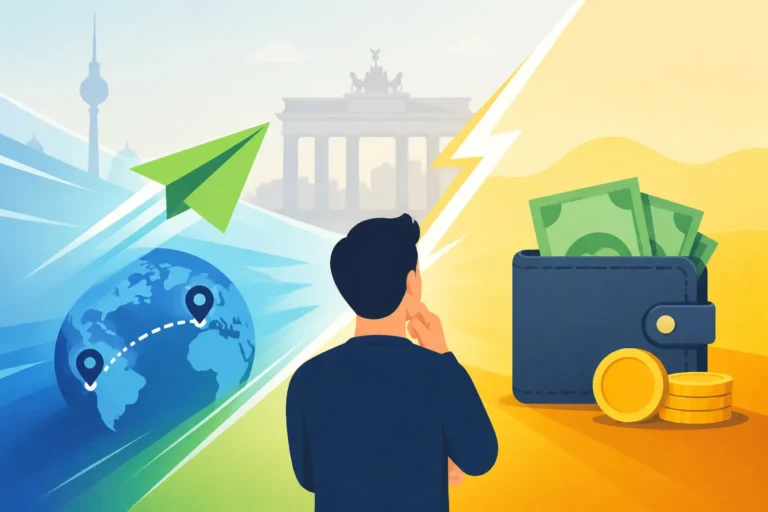
You are likely sitting in your home country right now, scrolling through rental listings in Berlin or Munich, only to realize that every landlord and utility provider demands a German IBAN before you even board your flight. I remember the paralyzing frustration of being told I couldn't get an apartment without a bank account, but couldn't get a bank account without a registered German address. This guide finally breaks that "Catch-22" and shows you exactly how to secure your German banking details while still in your living room abroad.
Disclosure: This post may contain affiliate links. We may earn a commission at no extra cost to you if you make a purchase through these links. Read full disclosure.
The German IBAN Dilemma Why Pre-Arrival Banking Matters
In many countries, you can simply walk into a bank with cash and a passport and walk out with an account. Germany, however, operates on a rigid system of "Anmeldung" or address registration. Traditionally, most banks will not even look at your application until you have that precious piece of paper from the local Bürgeramt. This creates a massive hurdle for expats who need to pay a rental deposit, set up a mobile phone contract, or show proof of funds for their visa application.
Without a local IBAN (International Bank Account Number), you will face "IBAN discrimination," where German automated systems for electricity, gym memberships, and even the mandatory public broadcasting fee refuse to accept non-German bank details. By opening an account before you arrive, you bypass the initial stress of carrying thousands of Euros in cash and ensure you can hit the ground running with a Money Matters in Germany: Complete Financial Guide for Expats already in place.
Furthermore, if you are moving for work, your employer will need your account details to process your first paycheck. If you are a student, you may be legally required to have a specific type of account to even qualify for your visa. Understanding the landscape of Best Banks in Germany for Expats: Low Fees and English Support is the first step in ensuring your transition is more of a gentle slide than a brick-wall collision with German bureaucracy.
Exploring Digital Neobanks The Easiest Path for Expats
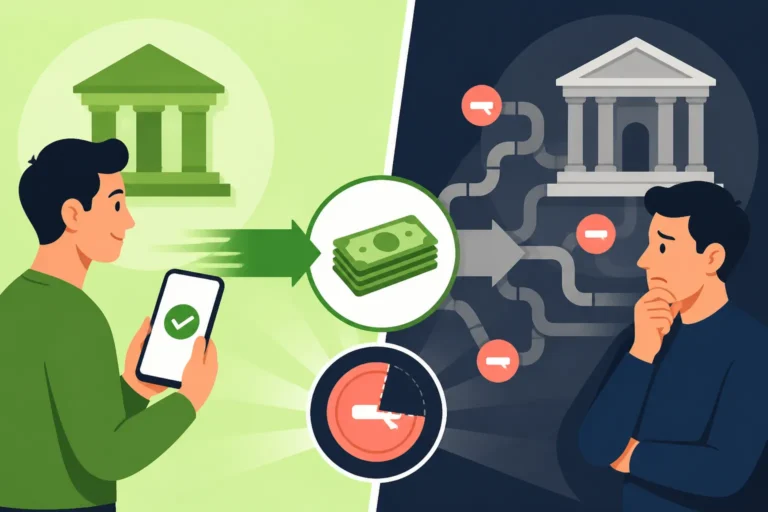
For the modern expat, the rise of digital-only banks—often called "neobanks"—has been a total game-changer. These institutions are designed for mobility and rarely require you to visit a physical branch or provide a German registration certificate upfront. In many cases, you can download an app, verify your identity via a video call, and have a functioning IBAN in under fifteen minutes.
N26 is perhaps the most famous example of this. They were among the first to offer a fully English-language interface and a sign-up process that caters specifically to people who haven't yet settled in Germany. You can often open an account using your current foreign address, provided you are a resident of a supported country. Once you land in Germany and complete your Registering Your Address (Anmeldung): Step-by-Step Guide, you simply update your address in the app to receive your physical debit card.
The primary benefit of using a neobank like N26 is the lack of "paperwork fatigue." You won't have to decipher complex German terms or wait for weeks for a letter to arrive in the mail. However, you should be aware that while these accounts are excellent for daily spending and paying bills, they don't always offer the full suite of services—like safety deposit boxes or complex investment products—that a traditional bank might. Still, as a bridge for your first six months, they are nearly unbeatable for speed and convenience.
International Transfer Solutions and Multi-Currency Accounts
If you aren't quite ready to commit to a full German bank but need a way to hold and send Euros without being murdered by exchange rates, international fintech solutions are your best friend. Many expats use Wise (formerly TransferWise) to bridge the gap between their home currency and their new life in the Eurozone.
Wise allows you to open a "multi-currency account" that provides you with local bank details for several different regions, including a Belgian or German IBAN. While a Belgian IBAN (starting with BE) is legally supposed to be accepted across the Eurozone under SEPA laws, having those details ready allows you to start Moving Money to Germany: Declaring Savings and Large Transfers well before your move date. This is crucial for paying those initial deposits which can often equal three months of "cold rent."
Using a service like Wise in conjunction with a local German account later on is a classic expat strategy. It allows you to move your savings into the Eurozone when the exchange rate is favorable, rather than being forced to convert your life savings during a market dip just because your rent is due. It also helps you avoid the hidden fees that traditional banks often tuck away in the exchange rate spread.
The Blocked Account Requirement for Students
If you are coming to Germany on a student visa, the "pre-arrival" banking question isn't just a matter of convenience—it is often a legal mandate. The German government requires many non-EU students to prove they have the financial means to support themselves. This is done through a "Sperrkonto" or blocked account.
You must deposit a specific amount—currently over 11,000 Euros—into this account before your visa interview. The bank then "blocks" this money and only releases a fixed monthly stipend to you once you arrive in the country. To understand the intricacies of this, you should read our guide on Student Visa Blocked Account (Sperrkonto): What It Is and How to Set It Up. This is one of the few instances where traditional German banks or specialized providers like Fintiba and Expatrio will allow you to open an account from abroad with zero residence history.
Even for students, having a secondary account for daily spending is wise. The blocked account is essentially a "holding tank" for your visa requirements, while an account with a neobank or a traditional bank will be where you actually manage your Cost of Living in Germany: Budgeting Guide for Expats on a day-to-day basis.
The VideoIdent Process Navigating Digital Verification
One of the most modern—and sometimes stressful—parts of opening a German account from abroad is the VideoIdent process. Since the bank cannot meet you in person to verify your passport, they use a secure video chat. An agent will ask you to hold your passport up to your camera, tilt it to show the holograms, and perhaps read out your passport number.
To make this go smoothly, you need three things: a rock-solid internet connection, your physical passport (not a copy), and a well-lit room. I’ve seen many expats get rejected during this stage simply because their room was too dark or their Wi-Fi cut out mid-call. If the agent cannot clearly see the security features of your ID, they are legally required to terminate the call for fraud prevention.
Once this verification is successful, your account is usually active within hours. This is the moment you finally get your German IBAN, which you can then use to sign up for everything from your future internet provider to German Money Matters: Using Cash, Cards, and Payment Apps solutions.
Comparing Your Pre-Arrival Banking Options
| Feature | Neobanks (e.g., N26) | Multi-Currency (e.g., Wise) | Traditional Banks |
|---|---|---|---|
| Ease of Opening | Very High (App-based) | Very High (Web-based) | Low (Usually requires residency) |
| English Support | Full Support | Full Support | Varies (Often limited) |
| Physical Card | Sent after registration | Sent to your current home | Sent after arrival/Anmeldung |
| Best For | Daily life and bills | Currency exchange | Long-term local credit history |
| Verification | VideoIdent | Document upload | PostIdent or In-Person |
Preparing for Post-Arrival Realities
Opening the account is only half the battle. Once you physically land in Germany, you will still need to handle the "physical" side of banking. This includes receiving your debit card—which Germans still call a "Girocard" or "EC-Karte"—and navigating the surprisingly cash-heavy culture. Even with a digital account, you will need to know the locations of compatible ATMs to avoid the €5 fees that some private machines charge. You can find more on this in our guide to Using ATMs in Germany: Tips to Avoid Extra Charges.
Another critical factor to consider is your creditworthiness. Germany uses a system called SCHUFA to track your financial reliability. While your new bank account won't automatically give you a high score, managing it well and avoiding overdrafts from day one is essential for your future. Landlords will eventually ask for a SCHUFA report before they let you sign a long-term lease, so starting your banking history early is a smart move. Check out All About SCHUFA: Building Credit as a Foreigner in Germany for a deeper dive into this unique system.
Tax Implications and Compliance for Newcomers
When you open a bank account in Germany, the bank is legally required to report certain information to the German tax authorities (Finanzamt). You will eventually be asked for your Tax ID (Steueridentifikationsnummer), which arrives in the mail a few weeks after your first address registration.
If you are an American expat, you face an additional layer of complexity due to FATCA. You must report your foreign bank accounts to the IRS if they exceed certain thresholds. This is where services like Taxes for Expats become invaluable. They specialize in helping Americans navigate the dual-reporting requirements of living in Germany. Similarly, once you start working and earning Euros, using a tool like Wundertax can help you claim back expenses related to your move—including some of the costs associated with setting up your new life.
Understanding the relationship between your bank account and your tax obligations is vital. Your bank will automatically withhold tax on any interest you earn unless you submit a "Freistellungsauftrag" (an exemption order). While interest rates aren't exactly sky-high right now, it’s a good habit to get into. For more on how your income is treated, read our breakdown of Understanding Your German Payslip: Gross vs Net Salary Explained.
Summary of Action Steps
To successfully open your account before you arrive, follow these steps:
- Choose your provider: Decide if a neobank like N26 or a transfer service like Wise fits your immediate needs.
- Gather your documents: Ensure your passport is valid for at least six months and have your current proof of address ready.
- Complete the VideoIdent: Find a quiet, bright spot with fast internet to talk to the verification agent.
- Fund the account: Use an international transfer to move enough money to cover your first month of expenses and rental deposit.
- Update upon arrival: As soon as you have your registration certificate, update your bank records to ensure your local credit history begins to build correctly.
Disclaimer
The information provided in this article is for informational purposes only and does not constitute financial, legal, or tax advice. Banking regulations and service offerings in Germany change frequently. Always consult with a qualified professional or the specific banking institution before making financial decisions.