How to Deal With Noisy Neighbors in a German Building
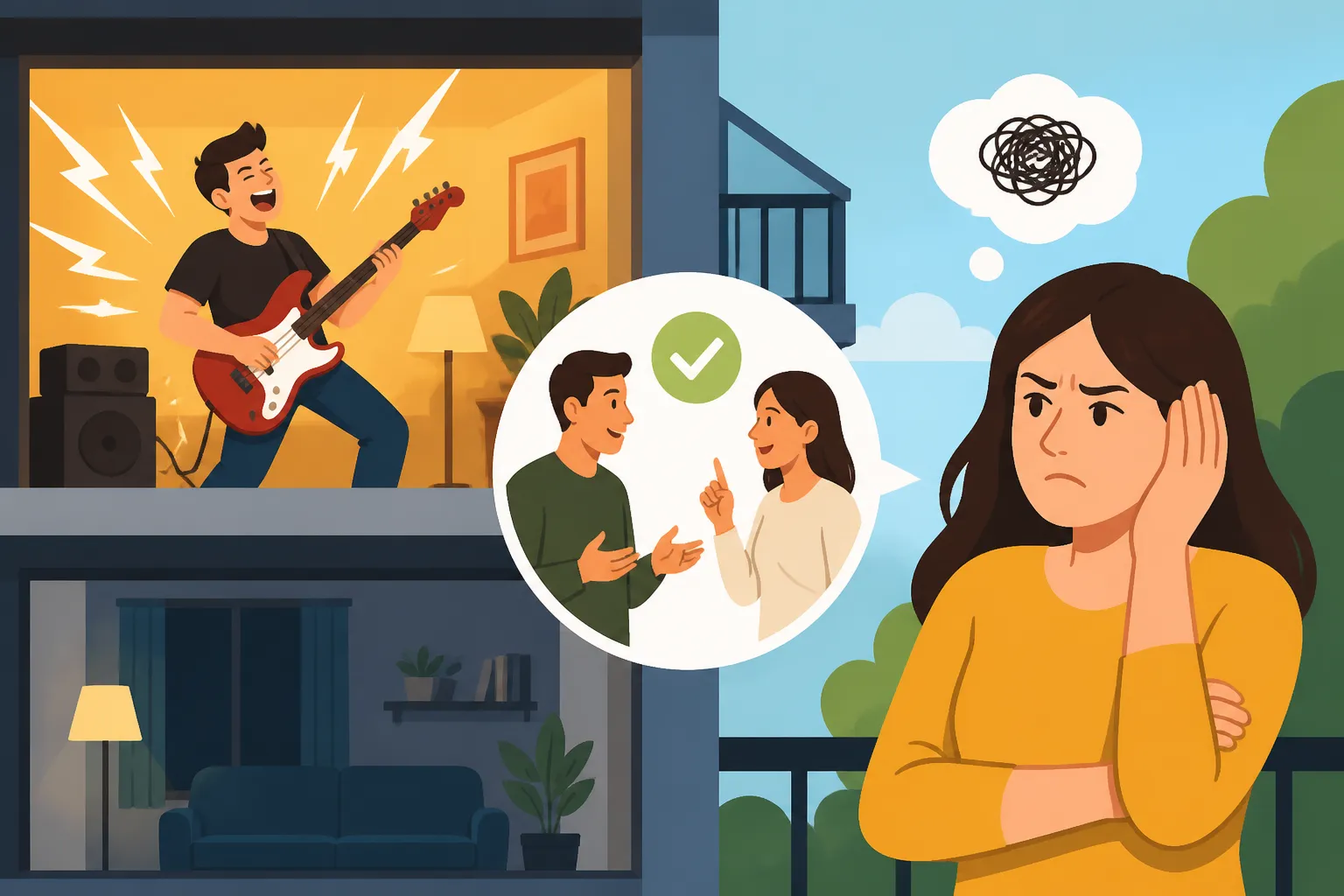
You’ve just moved into your dream Altbau in Berlin or a sleek modern flat in Munich, only to realize that your upstairs neighbor treats their living room like a bowling alley at 11:00 PM. I remember my first week in Hamburg when I dared to run my vacuum cleaner on a Sunday morning and was met with a series of rhythmic wall-pounds that made me think the building was collapsing. Navigating the rigid, often silent-heavy culture of German apartment living is a steep learning curve, but this guide will show you exactly how to handle noise disputes while keeping your sanity and your legal standing intact.
Disclosure: This post may contain affiliate links. We may earn a commission at no extra cost to you if you make a purchase through these links. Read full disclosure.
Understanding German Noise Culture and the Rule of Ruhezeit
In Germany, silence isn't just a preference; it is often a contractual and legal requirement. The most important word you need to learn is Ruhezeit, or quiet hours. These are designated periods when residents are expected to keep noise to a absolute minimum, often referred to as Zimmerlautstärke (room volume). This means that if your TV or conversation can be clearly heard through the walls by your neighbor, you are technically in violation of the house rules.
Most rental contracts will include a copy of the Hausordnung (house rules), which explicitly outlines when these quiet periods occur. Generally, night-time quiet hours (Nachtruhe) run from 10:00 PM to 6:00 AM or 7:00 AM. During this window, any loud music, shouting, or heavy housework is strictly forbidden. If you are currently browsing for a new home on Wunderflats or other mid-term housing platforms, always ask to see the Hausordnung before signing, as some older buildings have even stricter rules.
Beyond the nightly silence, there is the sacred Sonntag (Sunday). Sundays and public holidays are legally protected as days of rest across Germany. This means no drilling, no lawn mowing, and definitely no heavy furniture assembly. I’ve seen expats get into heated arguments with neighbors over simply hanging a picture frame on a Sunday afternoon. Understanding that this is a deeply ingrained cultural value—rather than just a neighbor being "difficult"—is the first step toward a peaceful resolution.
The Nuances of Zimmerlautstärke
The term Zimmerlautstärke is frequently cited in legal disputes but remains a bit of a grey area for newcomers. Legally, it means the noise should not penetrate the physical boundaries of your apartment at a level that significantly disturbs a person of average sensitivity. If you can hear the bass of a neighbor’s stereo vibrating your floorboards, they have exceeded Zimmerlautstärke.
In many German Tenant Rights and Laws: What Expats Need to Know discussions, the focus is on decibel levels, but in reality, it's about the "nature" of the noise. Sudden, sharp sounds like a hammer or a falling object are viewed much more harshly than the low hum of a refrigerator. If you find yourself on the receiving end of a noise complaint, the best thing to do is walk into your hallway; if you can hear your music through your own front door, you’re likely over the limit.
Midday Peace and Regional Variations
Some older rental agreements still include a Mittagsruhe, or midday rest period, typically between 1:00 PM and 3:00 PM. While this has become less common in modern city contracts, it is still very much alive in many residential areas and smaller towns. If your building has a high population of retirees, expect the Mittagsruhe to be observed with religious fervor.
When Registering Your Address (Anmeldung): Step-by-Step Guide in a new district, it’s worth asking your local Bürgeramt or even a friendly neighbor about the local customs. In some states, like Bavaria, the interpretation of noise can be much stricter than in the more liberal neighborhoods of Berlin or Leipzig. Being aware of these regional nuances prevents you from becoming the "noisy foreigner" archetype in your building.
Common Noise Disputes and the Social Reality of Apartment Living
Not all noise is treated equally under German law. One of the biggest shocks for expats is the legal protection afforded to children. If your neighbor’s toddler is screaming at 2:00 AM, the law generally views this as "socially adequate" noise. You cannot legally force a neighbor to keep a baby quiet, and attempting to do so through the landlord usually leads nowhere.
On the other hand, lifestyle noises like loud parties, musical instrument practice beyond two hours a day, or barking dogs are much easier to contest. If you are a musician, it is highly recommended to check How to Understand a German Rental Contract (Mietvertrag) specifically for clauses regarding practice hours. Most courts allow for 1.5 to 2 hours of music per day, provided it isn't during the Nachtruhe.
If you’re struggling with the transition and find the silence of German winters isolating, you’re not alone; many people find that Dealing with Homesickness Abroad: Tips for Expats in Germany is exacerbated by the feeling that they have to tiptoe around their own home. However, finding a balance is possible once you know which noises are protected and which are not.
The Washing Machine and Showering Dilemma
A common myth among expats is that you aren't allowed to shower after 10:00 PM. This is false. German courts have ruled repeatedly that residents are allowed to shower or bathe at any time, as this is a basic human need. However, they do suggest keeping the shower to under 30 minutes if it's late at night to be considerate of the plumbing noise.
Washing machines are a slightly different story. While you are technically allowed to run a machine if you work odd hours, the vibration can be a major nuisance in older buildings. If your machine is particularly loud, try to avoid running it during the night or on Sundays. If you need to order noise-dampening pads for your appliances, you can easily find them on Amazon Germany to prevent a conflict before it starts.
DIY Projects and Renovation Noise
In Germany, the "Do-It-Yourself" culture is huge, but it is strictly regulated. If a neighbor is renovating their entire kitchen, they are generally allowed to make noise during the day (excluding Sundays). However, they are often required to post a notice in the hallway (Treppenhaus) informing other residents of the duration of the work.
If you are the one doing the work, always put up a polite note in German a few days in advance. It’s a small gesture that goes a long way in Coping with Culture Shock: Adjusting to Life in Germany. A simple "Sorry for the noise on Tuesday while I install my kitchen" can turn a potential enemy into a sympathetic neighbor.
Step-by-Step Guide to Resolving Noise Issues
When the noise becomes unbearable, your instinct might be to call the police immediately. In Germany, this is usually considered an extreme escalation and should be your last resort. The culture prizes direct, polite communication followed by a very specific administrative process.
The first step should always be the "friendly knock." Germans often value directness. I’ve found that many neighbors aren't even aware the sound is carrying. A polite, "Guten Abend, would you mind turning the music down a little? It’s quite loud in my bedroom," works about 70% of the time. If your German isn't quite there yet, you can use a translation app on your phone with a local SIM from Airalo to ensure your message is clear.
If the direct approach fails, you must move to the administrative phase. This is where the infamous German "Lärmprotokoll" comes in. Without this document, neither your landlord nor a court will take your complaint seriously. You need to meticulously record every instance of noise for at least two to four weeks before taking further action.
Creating a Valid Lärmprotokoll
A noise log isn't just a list of "they were loud on Tuesday." It needs to be a structured table that includes the date, the exact start and end time, the type of noise, and how it affected you (e.g., "could not sleep," "vibrations felt in the living room"). It is also helpful to have a witness—perhaps another neighbor or a friend—sign off on particularly egregious entries.
| Date | Start Time | End Time | Type of Noise | Intensity/Impact |
|---|---|---|---|---|
| Oct 12 | 22:45 | 01:30 | Loud Bass/Music | Prevented sleep; walls vibrating |
| Oct 13 | 14:00 | 16:00 | Power Drilling | During Mittagsruhe; couldn't work |
| Oct 18 | 23:30 | 00:15 | Shouting/Party | Disturbed Nachtruhe; woke up kids |
Once you have this log, you should send a formal letter (Einschreiben – registered mail) to your landlord or the Hausverwaltung. This letter should clearly state that the noise is a breach of your contract and that you expect them to intervene within a reasonable timeframe.
Involving the Hausverwaltung and Landlord
The landlord has a legal obligation to ensure that you can use your rented space without significant disturbance. If they receive a valid Lärmprotokoll, they are typically required to issue an Abmahnung (formal warning) to the noisy neighbor. If the neighbor receives multiple warnings and the noise continues, the landlord may eventually have grounds for an extraordinary termination of their lease.
While waiting for the landlord to act, you might want to look into Finding English-Speaking Services (Doctors, Plumbers, etc.) in Germany if the stress of the situation is affecting your health. Some expats even consult a lawyer through a Mieterverein (Tenants' Association), which is highly recommended for any long-term rental dispute.
The Legal Route and Mietminderung
If the noise is persistent and the landlord fails to act, you may be entitled to a Mietminderung (rent reduction). In Germany, if the "living value" of your apartment is reduced due to noise, you can legally pay less rent. This is a powerful tool, but it is also a legal minefield. Never simply stop paying a portion of your rent without professional legal advice.
Typically, rent reductions for noise range from 5% to 20%, depending on the severity. For example, if there is construction noise in the building that wasn't disclosed, a 10% reduction is common. If there is a nightclub downstairs that keeps you awake every night, it could be much higher. Before taking this step, ensure your Security Deposits (Kaution) in Germany: Getting It Back and Protecting Yourself status isn't jeopardized by a claim of "unpaid rent."
When to Call the Police and Emergency Noise Handling
There are times when the "polite knock" isn't an option—such as a massive, aggressive party at 3:00 AM. In these cases, you can call the police (non-emergency number if possible, or 110 for active disturbances). In Germany, the police take Nachtruhe seriously. They will usually show up, tell the residents to be quiet, and may even confiscate sound equipment if they have to return a second time.
However, be warned: calling the police will likely destroy any chance of a friendly relationship with that neighbor. Use it only when necessary. If you are worried about the legal implications of calling the authorities, checking Home and Liability Insurance in Germany (Haftpflicht and Hausrat) is a good idea, as some legal insurance packages cover neighbor disputes.
Dealing with Commercial or Street Noise
If the noise isn't coming from a neighbor but from a nearby bar, a construction site, or a tram line, your options are different. You generally cannot complain about noise that was "obvious" when you moved in. If you moved into an apartment directly above a pub, the courts will expect you to tolerate a certain level of noise.
However, if a new source of noise appears after you move in, you may still have grounds for a rent reduction or a complaint to the city’s Ordnungsamt (Public Order Office). They regulate commercial noise levels and can issue heavy fines to businesses that violate local ordinances.
Practical Tips for Soundproofing Your Life
While you fight the legal and administrative battles, you still need to live your life. Many expats invest in heavy "acoustic curtains" from Amazon Germany which can significantly dampen street noise and hallway clatter. Using "white noise" machines or high-quality earplugs can also be a literal lifesaver during a long dispute.
If the noise is coming from the floor, thick rugs with felt underlays are surprisingly effective. If you are currently in a temporary setup and looking for a more permanent, quiet location, utilize resources like Finding an Apartment in Germany: Portals and Process to target top-floor apartments (Dachgeschoss) where you won't have anyone walking above you.
Summary of Tenant Rights Regarding Noise
Navigating the German system requires a mix of cultural empathy and rigid adherence to bureaucracy. You have the right to a quiet home, but you must prove that this right is being violated through a Lärmprotokoll. You also have the responsibility to follow the Hausordnung yourself.
| Situation | Legal Status | Recommended Action |
|---|---|---|
| Crying Baby | Protected | Noise-canceling headphones; Patience |
| Party during Nachtruhe | Illegal | Friendly knock; then Police (110) |
| Sunday Drilling | Illegal | Remind neighbor of the law; House rules |
| Music at 4:00 PM | Legal (up to 2 hrs) | Close your windows; Polite request |
| Persistent Dog Barking | Illegal (if excessive) | Document in Lärmprotokoll; Landlord |
Dealing with neighbors is never easy, but in Germany, the rules are at least clear. By staying calm, documenting everything, and knowing your rights, you can ensure that your home remains the sanctuary it’s supposed to be.
Disclaimer
This article is for informational purposes only and does not constitute professional legal advice. German rental laws are complex and subject to change. For specific legal disputes, it is highly recommended to join a local Mieterverein (Tenants' Association) or consult a qualified German attorney to protect your rights.