Finding an Apartment in Germany: Portals and Process
Picture this: you’ve refreshed a listing site at midnight, sent forty polite messages, and heard nothing back. Or you got a viewing, only to find sixty other people queued on the stairwell. This guide explains how apartment hunting in Germany actually works. It covers which portals to use, what landlords expect, and how to move from first search to signed lease without losing your mind.
Disclosure: This post may contain affiliate links. We may earn a commission at no extra cost to you if you make a purchase through these links. Read full disclosure.
Why the German Rental Market Feels Rigged Against Newcomers
When I first moved here, I assumed apartment hunting would feel like it did back home. You browse, you call, you view, you sign. In Germany, the steps look similar on paper, but the competition and the paperwork turn it into something closer to a job application. Knowing why it works this way won’t make it painless. It will stop you from taking the silence personally.
Supply, Demand, and the Viewing Queue
In cities like Berlin, Munich, Hamburg, Frankfurt and Cologne, good apartments at fair rents are scarce. A decent two-room flat near an U-Bahn line can draw hundreds of inquiries within hours of going live. Many landlords and agents cope by switching off the listing once they have enough messages. That is why the ad you saved this morning has vanished by lunchtime.
Group viewings, called Massenbesichtigungen, are the result. You arrive at the agreed time and find a line of hopefuls already holding folders. The agent walks everyone through in waves. Afterwards, the landlord chooses based on documents, not charm. It feels impersonal because it is impersonal. The landlord is managing risk at scale.
Smaller cities and towns are a different story. In Leipzig, Dortmund, Magdeburg or much of the Ruhr, you may get a private viewing and a real conversation. Being flexible about location is often the single biggest lever you have.
What Landlords Actually Worry About
German tenancy law is protective of tenants. Unlimited leases are the norm, and removing a tenant who stops paying can be slow and expensive. So landlords screen hard at the start. They want proof that you earn enough, that you’ve paid rent reliably before, and that you’ll stay put.
As a newcomer, you may have no German credit history, no previous German landlord, and a work contract that’s still in its probation period. None of that disqualifies you, but you have to compensate with a tidy, complete application. I cover exactly what goes in it further down. For the full list, see SCHUFA and Documents Landlords Want in Germany.
The Main Apartment Portals Compared
There is no single “right” site. Most successful hunters run alerts on three or four portals at once and check them obsessively in the first weeks.
ImmobilienScout24, Immowelt and the Big Listing Sites
ImmobilienScout24 is the giant. Most agents and property management companies post there, and its search filters are excellent. You can set rent ceilings, room counts, balcony, fitted kitchen and more. Its instant email and push alerts matter, because speed wins. The site offers a paid membership that lets you contact listers earlier and show a verified profile. Some hunters find it worthwhile in very tight markets and others never bother. Check the provider’s own page for what’s currently included and what it costs.
Immowelt and its sister brand Immonet carry many overlapping listings, plus some that never make it to ImmobilienScout24. It’s worth running a parallel alert there, especially outside the big metros. Don’t ignore the websites of large housing companies and municipal housing associations, either. In Berlin, the state-owned Wohnungsbaugesellschaften post apartments directly on their own sites. Some of them require a housing entitlement certificate, which most new arrivals won’t have yet.
A practical point: many listings are written in German shorthand. “3-Zi., 78 m², EBK, Blk., 2. OG” packs a lot of detail into very little space. If that looks like code, Understanding Apartment Listings: Decoding Abbreviations (2-Zi, EBK, etc.) will translate it line by line.
WG-Gesucht and Kleinanzeigen for Rooms and Private Deals
WG-Gesucht started as the go-to site for flatshare rooms. It also carries full apartments and temporary sublets, called Zwischenmiete. For a newcomer, a WG room or a sublet is often the fastest way to get a registered address. With that address, you can then hunt for a long-term place properly. The catch is the WG casting. Existing flatmates interview you, and they care about personality as much as payslips. The full dynamic is explained in Flatshares (WGs) in Germany: How to Find and Live in a Shared Apartment.
Kleinanzeigen, the classifieds platform formerly known as eBay Kleinanzeigen, has private rental ads mixed in with used sofas and bicycles. You’ll occasionally find a gem from a private landlord who never uses the big portals. Kleinanzeigen is also where a lot of scams live, so read the scam section below before sending anyone money.
Furnished Platforms for Your First Months
Furnished, flexible rentals are a bridge rather than a destination. Wunderflats specialises in furnished apartments rented for a month or longer. Many of its listings allow the Anmeldung, which is the whole point for a newcomer. Check each listing, because not every furnished rental lets you register. HousingAnywhere is popular with students and young professionals for similar mid-term stays. Expect to pay a premium compared with a long-term unfurnished flat. You’re paying for convenience, furniture and flexibility. Fees and pricing structures vary by platform and listing, so compare total monthly cost on each provider’s page.
When I arrived, I took a furnished place for my first months. It meant I could attend viewings in person, open a bank account and collect payslips. That way I was a far stronger candidate by the time I applied for my long-term flat. More on this route in Short-Term and Furnished Rentals in Germany.
| Portal | Best For | Typical Lister | Allows Anmeldung | Watch Out For |
|---|---|---|---|---|
| ImmobilienScout24 | Long-term unfurnished flats | Agents, property managers, private owners | Usually yes | Huge competition, optional paid tier |
| Immowelt and Immonet | Parallel search, regional listings | Agents and private owners | Usually yes | Duplicate ads across sites |
| WG-Gesucht | Flatshare rooms, sublets, some flats | Flatmates and tenants subletting | Often, ask first | Fake listings, WG casting pressure |
| Kleinanzeigen | Private landlord deals | Private individuals | Varies | Highest scam risk |
| Wunderflats | Furnished stays of a month or more | Landlords and furnished-apartment operators | Many listings, check each | Higher monthly cost |
| HousingAnywhere | Students and mid-term stays | Landlords and tenants | Varies by listing | Read cancellation terms carefully |
| Housing company websites | Affordable long-term flats | Municipal and large landlords | Yes | Some require a WBS |
Setting Up Your Search Before You Land
The hunt starts well before your first viewing. The people who sign leases quickly are rarely luckier than everyone else. They’re simply ready to respond within minutes, with documents attached.
Reading Listings Without Getting Lost
The single most confusing thing for newcomers is the rent itself. Kaltmiete is the base rent without heating or utilities. Nebenkosten covers building costs like water, rubbish collection, caretaker and often heating prepayments. Warmmiete is roughly the total you’ll actually transfer each month, though electricity usually comes on top. Always budget against the warm figure. A cheap Kaltmiete can hide steep service charges. The full breakdown is in Understanding German Rental Costs: Kaltmiete, Warmmiete, Nebenkosten.
Also look for the word “provisionsfrei.” When the landlord commissions an agent, the landlord pays that agent, not you. If someone demands a commission from you for a flat the landlord listed through them, ask questions. Note whether the kitchen is included, too. “Ohne EBK” means you may be walking into a room with pipes sticking out of the wall and nothing else.
Building Your Bewerbungsmappe
Your application folder, the Bewerbungsmappe, is your weapon. Prepare it as a single PDF and as a printed set for viewings. A typical folder contains:
- A short cover letter introducing yourself, your job, and why you want this flat.
- A copy of your passport and residence permit or visa.
- Your employment contract or a letter from your employer confirming salary and start date.
- Your most recent payslips, or bank statements if you’ve only just started.
- A SCHUFA credit report, or an explanation that you’re new to Germany.
- A Mietschuldenfreiheitsbescheinigung, a letter from your current or previous landlord confirming you owe no rent. A reference from a landlord abroad, translated if possible, can help here.
- A Mieterselbstauskunft, the tenant self-disclosure form many landlords provide.
If you’re newly arrived without a SCHUFA history, don’t panic. Explain it in your cover letter and lean on your employment contract. Some newcomers also offer a guarantor or a larger savings statement. For tips on wording the letter so it gets read rather than skimmed, see How to Write a German Rental Application That Stands Out.
Staying Reachable From Day One
Here’s a problem nobody warns you about. Agents call back from German numbers and expect you to pick up. Portals send verification codes by SMS. You’ll be navigating to viewings across unfamiliar neighbourhoods on public transport. If you’re relying on hotel Wi-Fi, you’ll miss things.
Many people get a German prepaid SIM, but some providers want an address and ID verification that’s awkward before your Anmeldung. A travel eSIM such as Airalo can bridge the first days for mobile data, maps and messaging. Install it before you fly so you land connected. It’s data-focused, so you’ll still want a German number for calls and SMS codes once you can get one. Check the provider’s own page for current plans and coverage.
The Process From Alert to Signed Lease
Once you’re set up, the actual process follows a fairly predictable rhythm.
Step by Step
- Set instant alerts on at least two or three portals, filtered tightly by rent ceiling, district and room count.
- Reply within minutes, not hours, using a short personalised message in German if you can. Mention when you can view and attach or offer your documents.
- Confirm the viewing appointment, called a Besichtigung, and plan your route with time to spare. Arriving late is a quiet disqualifier.
- Attend the viewing with your printed folder, ask your questions, and tell the agent clearly that you’re interested.
- Send your full application the same day, ideally within an hour or two of leaving.
- Follow up politely if you haven’t heard back after a few days. One message is fine, but repeated chasing isn’t.
- Review the lease, called the Mietvertrag, carefully before signing. Check the rent, the deposit, notice terms and any clauses on rent increases or renovation.
- Pay the deposit and first rent only to the account named in the signed contract.
- Attend the handover, document the condition of the flat, and collect your keys.
- Ask your landlord for the Wohnungsgeberbestätigung and register your address at the Bürgeramt.
Surviving the Viewing
At a group viewing, you have maybe a minute of the agent’s attention. Use it well. Greet them, give your name, hand over your folder if they accept paper, and say something specific: “I work at a company in Mitte and would love to cycle in from here.” It’s small, but it sticks.
Look beyond the paint. Check window frames for mould, run the taps, look at the condition of the bathroom, and ask about the heating type and the age of the Nebenkosten statement. Ask whether the kitchen belongs to the landlord or the outgoing tenant. Outgoing tenants sometimes want you to buy their kitchen or furniture, which is called an Ablöse, and you’re under no obligation to agree. If you’d like to practise the conversation before the real thing, see Flat Hunting in German: Rehearsing the Besichtigung Conversation.
One personal tip: dress like you’re going to a casual office meeting. Neat, unflashy and organised is the impression you want. German landlords are not looking for exciting tenants. They’re looking for boring, reliable ones.
Signing, Handover, and Registration
Read the Mietvertrag slowly, with a translation tool if needed. Watch for staggered rent increases, called Staffelmiete, or index-linked rent, called Indexmiete. Check minimum lease terms and clauses about cosmetic repairs when you leave. If something feels off, ask before signing. Once it’s signed, it’s binding. The key clauses are covered in How to Understand a German Rental Contract (Mietvertrag).
The deposit, or Kaution, is capped by law. You’re entitled to pay it in instalments, and it should be held separately from the landlord’s own money. For the rules on how it must be held and how to get it back, read The Rental Deposit (Kaution) in Germany: Rules and Return.
At handover, walk through every room with the landlord and fill in a handover protocol. Photograph scratches, stains and meter readings. This is your protection at move-out. Then get the Wohnungsgeberbestätigung, the landlord’s confirmation that you’ve moved in. You need it for the Anmeldung, and the Anmeldung unlocks almost everything else. The Wohnungsgeberbestätigung Explained walks through what it must contain.
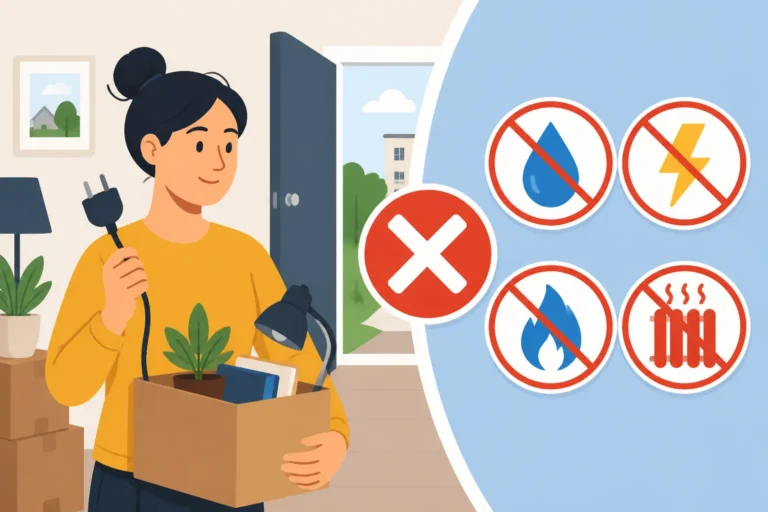
If your new flat comes with no kitchen and bare wires hanging where the lamps should be, you’re not alone. Many people order basics like ceiling lights, curtain rods and a few kitchen appliances from Amazon Germany to get through the first weeks. Then they hunt for second-hand furniture locally. The bigger picture is in Furnishing a German Apartment and the Empty-Kitchen Problem.
Avoiding Scams and Costly Mistakes
Desperation is exactly what scammers count on. The tighter the market, the more convincing the fake listings become.
Red Flags
- The rent is far below anything comparable in the same district.
- The “landlord” is abroad and can’t show you the flat, but offers to post the keys after payment.
- You’re asked to pay a deposit or “reservation fee” before any viewing or signed contract.
- Payment is requested by money transfer services, gift cards or crypto rather than to a German bank account.
- The listing photos appear elsewhere online under a different address.
- Pressure tactics, such as “five other people want it, decide in an hour.”
The golden rule is simple: never pay anything for a flat you haven’t seen in person, or via a trusted live video tour, and never pay before you have a signed contract. Some scammers also pose as booking platforms and send fake confirmation emails. Always log in to the real platform yourself rather than clicking links. More real-world examples are in How to Spot Rental Scams in Germany Before Paying.
Mistakes I See Expats Make
The most common mistake is searching only in the most famous neighbourhoods. Everyone wants Kreuzberg, Schwabing or the Belgian Quarter. Look one or two S-Bahn stops further out and the competition can drop sharply.
The second is waiting until the documents are perfect before applying. Send what you have, then explain what’s missing and when it’s coming. A fast, honest application beats a perfect one that arrives tomorrow.
The third is underestimating time. In big cities, finding a long-term flat can take weeks to months. Plan for a bridge solution so you’re never forced into a bad lease out of panic. A furnished stay, a sublet or a WG room gives you breathing room, a registered address, and the chance to hunt with a clear head.
Finally, keep your sense of humour. Every expat I know has a story about the flat with the bathtub in the kitchen, or the viewing where the queue went round the block. You’ll find your place. It just rarely happens on the first try.
Disclaimer
This article is for general informational purposes only and does not constitute professional advice. Laws, prices and regulations vary by location and change over time. Consult a qualified professional for guidance on your specific situation.