How to Spot Rental Scams in Germany Before Paying
Finding a place to live in a German city right now feels like trying to win the lottery while blindfolded. I remember sitting in a tiny hostel in Munich, refreshing property portals every thirty seconds, feeling that rising panic that I would never find a home before my visa paperwork was due. This guide explains exactly how to identify rental scams so you can navigate the German housing market without losing your deposit to a fraudster.
Disclosure: This post may contain affiliate links. We may earn a commission at no extra cost to you if you make a purchase through these links. Read full disclosure.
The Psychology of the German Rental Scam
The German housing market is currently defined by an extreme supply-and-demand imbalance. In cities like Berlin, Munich, Hamburg, and Stuttgart, a single listing can receive hundreds of inquiries within the first hour. Scammers understand this pressure perfectly. They know that as an expat, you are likely unfamiliar with the local laws, perhaps a bit desperate to secure an address for your The Anmeldung: Registering Your Address in Germany, and often willing to overlook red flags if it means finally ending your search.
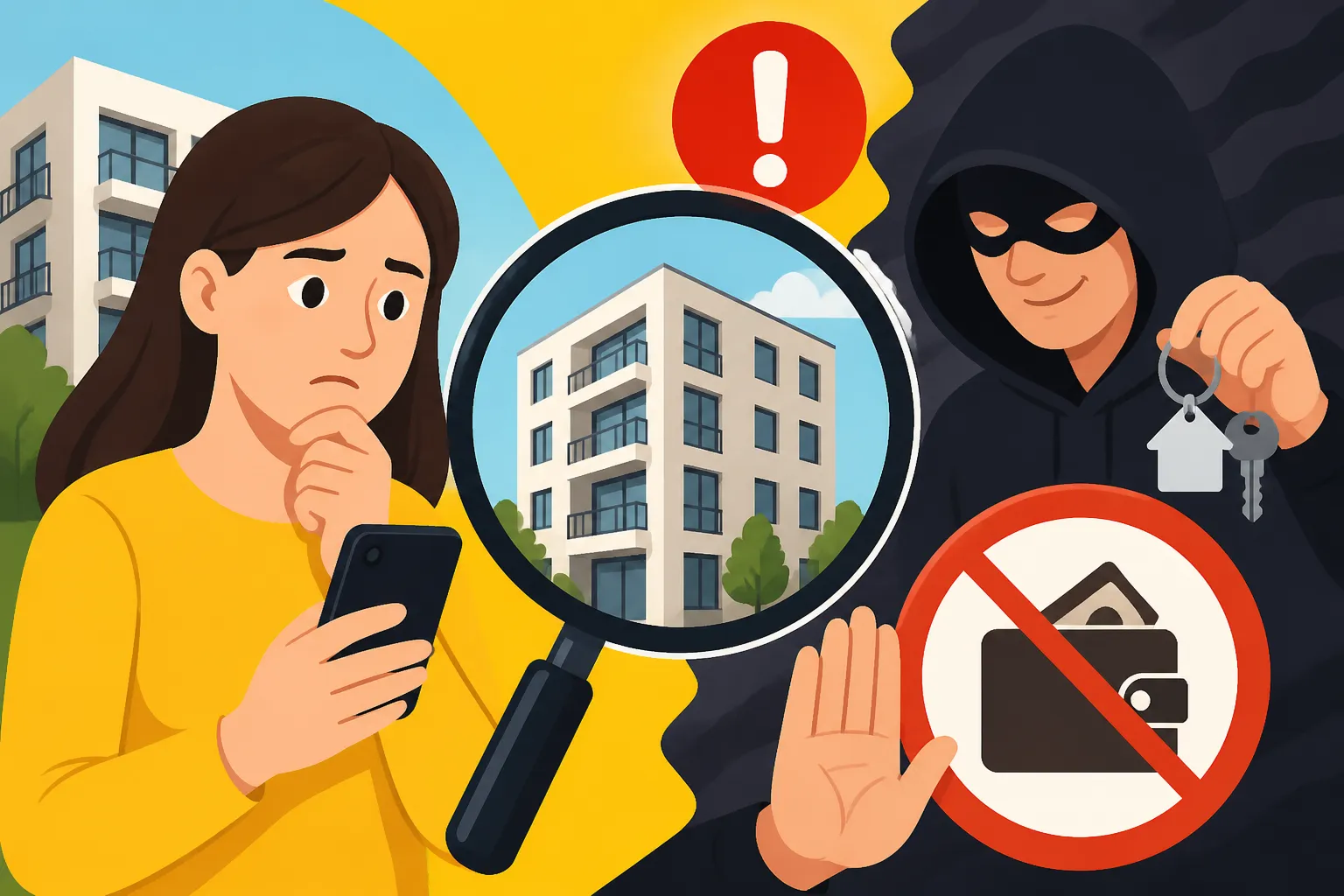
Scammers operate on the principle of "forced urgency." They want to move the transaction along as quickly as possible before your logic kicks in. They will often present themselves as kind, professional individuals who are simply looking for a "reliable" tenant to take care of their beloved home while they are away. This emotional manipulation is designed to lower your guard. However, in the German rental world, if a deal feels like a miracle, it is almost certainly a trap.
Common Red Flags in Listing Details
The first line of defense is the listing itself. While professional scammers are getting better at cloning real ads, there are specific markers that should immediately trigger your "too good to be true" alarm.
The Price-to-Location Disparity
Germany has a complex rental pricing system involving "Kaltmiete" (base rent) and "Warmmiete" (rent including utilities). If you see a fully furnished, two-bedroom apartment in the center of Berlin’s Mitte or Munich’s Maxvorstadt for €700 including utilities, walk away. You can research the local "Mietspiegel" (rent index) to see the average prices for specific neighborhoods. Scammers use low prices to attract a high volume of victims quickly. They are banking on you being so excited about the "deal" that you stop asking questions.
High-End Professional Photography
Most private German landlords take mediocre photos of their apartments. If a listing looks like it was pulled from an interior design magazine or a five-star hotel brochure—complete with staged fruit bowls and perfect lighting—be cautious. Scammers often steal photos from Wunderflats or high-end vacation rental sites to lure people in. You can use a reverse image search on these photos; if the "apartment in Cologne" shows up as a "luxury condo in Barcelona" on another site, it is a scam.
The "I am Abroad" Narrative
This is the classic German rental scam trope. The "landlord" will claim they are a doctor, a researcher, or an engineer currently working in the UK, Scandinavia, or the USA. They will explain that they cannot meet you in person for a flat viewing because of their distance. They might even send you a scanned copy of a passport or a fake work ID to prove their identity. Never trust a scan of an ID; scammers use IDs they have stolen from previous victims to build a fake sense of trust with new ones.
| Feature | Legitimate Listing | Potential Scam Listing |
|---|---|---|
| Viewings | Mandatory in-person or live video tours | Claims "landlord is abroad" and cannot show the flat |
| Payment | Deposit paid after signing the contract | Deposit or "reservation fee" required before viewing |
| Photos | Realistic, sometimes amateurish photos | Perfect, high-end, or stock-like photography |
| Communication | Usually through the portal or official email | Moves quickly to WhatsApp or Telegram |
| Price | Matches local market rates (Mietspiegel) | Significantly lower than neighborhood average |
Sophisticated Digital Tactics Used by Scammers
As expats become more aware of basic scams, fraudsters have evolved their methods. They now use sophisticated digital tools to appear legitimate, often mimicking well-known brands to siphon off your cash.
Fake Escrow and Platform Integration
A common tactic is the fake Airbnb or Booking.com integration. The scammer will tell you that the transaction is "secured" by a well-known third-party platform. They will send you a link to a website that looks exactly like Airbnb, complete with reviews and a payment portal. However, these are "phishing" sites. They are designed to steal your credit card information or convince you to send a bank transfer to a "trust account."
Real platforms like Airbnb do not handle long-term German residential leases. If a landlord insists on using an external payment link, it is a scam. Always check the URL of any site you are sent. When you are busy setting up your life, perhaps using Airalo to keep your data active while moving around, it is easy to miss a slight misspelling in a domain name like "air-bnb-germany-secure.com."
Identity Theft and Document Requests
Before you even pay money, a scammer might try to steal your identity. They will ask for a copy of your passport, your work contract, and your SCHUFA and Documents Landlords Want in Germany report. While legitimate landlords do eventually need these, you should never send them before you have seen the apartment and met the landlord (or a verified agency representative).
Once a scammer has your passport scan, they can use it to scam the next person, pretending to be you. If you must send documents, use a watermark that says "ONLY FOR RENTAL APPLICATION [DATE]" across the middle of the image. This makes the document less useful for identity thieves.
Secure Ways to Search and Verify
While the market is tough, there are ways to find a home safely. Knowledge of the standard German process is your best protection. In a standard Finding an Apartment in Germany: Portals and Process, you should never be asked for money before you have a signed contract and the keys are in your hand—or at least until you have physically entered the property.
Stick to Verified Platforms
Using reputable sites like ImmoScout24, Immowelt, or Wunderflats for mid-term stays provides a layer of security. While scams still exist on these platforms, they are moderated more strictly. Look for listings that have been active for a reasonable amount of time or from accounts with a history of listings. If you are looking for more flexibility while you search for a long-term home, furnished providers can be a safer bridge, even if they are more expensive.
The Importance of the "Besichtigung"
In Germany, the in-person viewing (Besichtigung) is sacred. It is almost unheard of for a legitimate landlord to rent to someone they haven't met. If you are currently outside of Germany, you should find temporary accommodation first rather than trying to sign a long-term lease from abroad. Use your first few weeks to visit apartments in person. If you can't be there, ask a friend or hire a local service to attend the viewing for you. If the "landlord" makes excuses as to why a viewing isn't possible, stop communicating immediately.
Understanding Payment Norms
The standard procedure for paying a "Kaution" (security deposit) and the first month's rent is via bank transfer (SEPA) after the contract is signed by both parties. Never, under any circumstances, pay via Western Union, MoneyGram, or Bitcoin. Also, be wary of "cash in hand" requests during a viewing. If you are buying furniture or appliances from a previous tenant, which is common in Germany, ensure you get a written receipt for every Euro spent. You might find yourself ordering new items from Amazon Germany once you move in, but never pay for the "privilege" of an apartment with a gift card or an untraceable transfer.
What to Do If You Suspect a Scam or Have Been Victimized
If you realize you are talking to a scammer, the best thing to do is cut off all contact. Do not try to "expose" them or argue with them; they are professional criminals who may use your information to harass you.
- Report the Listing: Use the "Report" button on the property portal. This helps the platform's security team take down the ad before someone else falls for it.
- Contact Your Bank: If you have already sent money, contact your bank immediately. While SEPA transfers are hard to reverse, there is a small window where a "recall" might be possible if the fraud is reported quickly.
- File a Police Report: In Germany, you can file a report ("Anzeige") at your local "Polizeidienststelle" or often online through the "Internetwache" of the respective federal state. You will need this report for any insurance claims or if you need to prove your identity was stolen.
- Legal Insurance: If you have Liability Insurance (Haftpflicht): The Most Important Insurance in Germany? or legal insurance (Rechtsschutzversicherung), contact them to see if they can provide advice on recovering lost funds.
Navigating the search for a Finding a Hausarzt (Family Doctor) in Germany or a new apartment is stressful enough without the threat of fraud. By staying calm, insisting on in-person viewings, and never paying money upfront, you can protect yourself from the most common traps. Remember, a legitimate landlord wants a reliable tenant just as much as you want a reliable home. They will be happy to follow the standard legal procedures.
Frequently Asked Questions About German Rental Scams
Can I trust a landlord who shows me their ID?
No. Scammers frequently use high-quality scans of IDs they have stolen from other expats. Seeing an ID scan via email or WhatsApp proves nothing. Only an in-person meeting where you see the physical document is reliable.
Is it safe to pay a deposit through a "secure" link if the landlord says it's for my protection?
No. This is a classic phishing tactic. Legitimate rental transactions in Germany happen through standard bank transfers to a German (DE) IBAN after the contract is signed.
What if they send me a contract that looks official?
A piece of paper is easy to fake. In Germany, a contract is only the beginning of the legal process. You also need a Wohnungsgeberbestätigung Explained to register your address. If they won't provide this, they aren't a legal landlord.
Are all furnished apartments scams?
Not at all. Services like Wunderflats are perfectly legitimate and very helpful for newcomers. The key is using a verified platform with a clear dispute resolution process rather than a random ad on social media.
Searching for a home in a new country is a marathon, not a sprint. Take your time, trust your gut, and don't let the pressure of the Cost of Living in Germany: Budgeting Guide for Expats force you into a bad financial decision. You will find a place, but it’s better to spend a few extra weeks in a hostel than to lose thousands of Euros to a scammer.
Disclaimer
This article is for informational purposes only and does not constitute legal advice. The German housing market and its regulations are subject to change, and individual circumstances may vary. Always consult with a legal professional or a registered tenant association (Mieterverein) before signing contracts or transferring large sums of money. No responsibility is taken for the accuracy of external links or the services provided by third-party brands.