Understanding German Rental Costs: Kaltmiete, Warmmiete, Nebenkosten
Navigating the German housing market often feels like trying to solve a puzzle where the instructions are written in a secret code. I remember standing in a small studio in Neukölln years ago, convinced I had found a steal at 600 Euros, only to realize later that the "real" price was nearly 850. This guide breaks down exactly how to decode these costs so you never face that same shock.
Disclosure: This post may contain affiliate links. We may earn a commission at no extra cost to you if you make a purchase through these links. Read full disclosure.
The Foundation of German Rent: Kaltmiete vs. Warmmiete
When you start scrolling through German real estate portals, the first thing you will notice is two distinct price points for every listing. Understanding the difference between these two is the single most important lesson for any newcomer. In the German system, "Kaltmiete" refers to the base rent or "cold" rent. This is essentially what you pay for the privilege of occupying the four walls of the apartment. It does not include any of the costs associated with actually living in the space, such as heating, water, or trash collection. Landlords and property managers use this figure as the baseline for calculating rent increases and as the "profit" portion of the rental income.
The "Warmmiete," or "warm" rent, is the figure you actually need to care about for your monthly budget. This is the sum of the cold rent plus the "Nebenkosten" (operating costs). It is crucial to remember that the Warmmiete is almost always a prepayment (Vorauszahlung). You aren't necessarily paying exactly what you use each month; rather, you are paying an estimate based on the previous tenant’s usage or the building's average. At the end of the year, you will receive a reconciliation statement that determines if you paid too much or too little.
Understanding this distinction is vital when Finding an Apartment in Germany: Best Websites and Tips for Expats. If you only budget for the cold rent, you will find yourself in a precarious financial situation within the first thirty days. The gap between cold and warm rent can range from 150 to 400 Euros depending on the size of the flat and the energy efficiency of the building. Always look for the total warm price to understand your true cost of living.
Decoding Kaltmiete (Net Cold Rent)
The Kaltmiete is the amount that remains static in your contract unless there is a formal rent increase (Mieterhöhung). In many German cities, this figure is regulated by the "Mietspiegel," a local rent index that sets limits on how much a landlord can charge per square meter based on the apartment's age, location, and amenities. When you sign a Understanding German Rental Contracts: Key Terms and Conditions, the Kaltmiete is the number that dictates your security deposit. Usually, a landlord will ask for three months of Kaltmiete as a deposit.
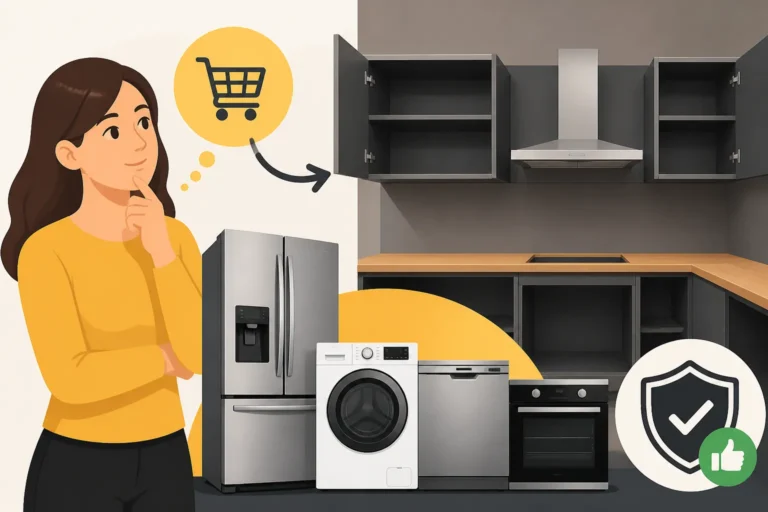
It is important to know that the Kaltmiete is purely for the space. If the apartment comes with a fitted kitchen or a parking spot, sometimes these are listed as separate surcharges on top of the Kaltmiete, though often they are bundled in. If you are comparing two apartments, always check if the Kaltmiete includes "Einbauküche" (EBK). In Germany, it is common to find apartments that are completely empty—no cupboards, no stove, and sometimes even no light fixtures. You might end up spending quite a bit on Amazon Germany just to get basic lighting and kitchen essentials when you first move in.
Decoding Warmmiete (Total Warm Rent)
The Warmmiete is your monthly cash outflow to the landlord. It is the number that most expats find more familiar, but with a German twist. Because it includes those prepayments for utilities, the Warmmiete can actually fluctuate if the landlord realizes halfway through the year that energy prices have spiked. However, most of the time, it remains a fixed monthly payment to your landlord's bank account via SEPA transfer.
One major trap for foreigners is assuming that Warmmiete means "all-inclusive." In 95% of cases, Warmmiete does not include your personal electricity bill or your internet. It covers the costs of the building and the heating, but the electricity that runs your toaster and your laptop is a separate contract you must set up yourself. If you are looking for a truly all-inclusive experience where you don't have to worry about separate bills, platforms like Wunderflats are an excellent option. They specialize in furnished, mid-term rentals where the price you see is exactly what you pay, including electricity and Wi-Fi.
Why the Gap Matters for Your Budget
The difference between these two figures is where most people get caught. I once knew an expat who thought they had a 200 Euro "buffer" in their monthly budget, only to realize that the "Nebenkosten" consumed that entire amount. When calculating your Cost of Living in Germany: Budgeting Guide for Expats, you should generally assume that the operating costs will add about 25% to 30% to your cold rent.
If you are moving into an older building (Altbau) with high ceilings and old windows, the gap between cold and warm rent will be much wider because heating costs are significantly higher. Conversely, a new build (Neubau) with modern insulation might have a smaller gap because it is much more energy-efficient. Before signing anything, ask for the "Energieausweis" (Energy Certificate), which tells you how much energy the building consumes. This document is a legal requirement and can save you hundreds of Euros in the long run.
Nebenkosten: The "Hidden" Costs of Living
The term "Nebenkosten" is often used interchangeably with "Betriebskosten," though technically, Betriebskosten are a subset of the operating costs that the landlord is legally allowed to pass on to the tenant. These aren't just arbitrary fees; they are strictly regulated by German law. If a landlord wants to charge you for something not listed in the "Betriebskostenverordnung," they generally cannot do so unless specifically agreed upon in the contract.
When you see your list of Household Bills in Germany: Understanding Nebenkosten and Monthly Costs, you will see items that might seem strange. You are paying for things like "Grundsteuer" (property tax), chimney sweeping, and even the insurance the landlord takes out on the building. It feels unfair to pay for the landlord's tax, but in Germany, this is standard practice. You are essentially paying for every service that keeps the building functioning and safe.
Mandatory Operating Costs (Betriebskosten)
These are the non-negotiable costs associated with the building's maintenance. They include water usage, sewage, trash collection (Müllabfuhr), and street cleaning. If your building has a garden, you will pay for "Gartenpflege," even if you never step foot in it. If there is a "Hausmeister" (caretaker), their salary is split among all tenants based on the size of their apartments.
Other common items include:
- Building Cleaning: If you don't have to mop the stairs yourself every week (a tradition in some older areas), you are likely paying for a cleaning service.
- Lift Maintenance: Even if you live on the ground floor, you often still have to contribute to the elevator's upkeep.
- Lighting: This refers to the electricity used in common areas like the hallway and basement.
- Property Insurance: Coverage against fire, water damage, and storms.
Heating and Hot Water (Heizkosten)
This is the "Warm" part of your Warmmiete. In Germany, heating is a serious expense, especially given the long, dark winters. Most apartments use central heating (Zentralheizung) or district heating (Fernwärme). The landlord is required by law to bill at least 50% to 70% of these costs based on your actual consumption, measured by small meters on your radiators. The rest is divided among all tenants based on the floor area of their flats.
Because of this, your habits matter. If you leave the windows open while the heaters are on "5," you are in for a very expensive surprise at the end of the year. To keep these costs in check, many expats use smart home gadgets found on Amazon Germany to monitor temperatures or set timers. It is also worth checking Staying Fit in Germany: Joining Gyms, Pools, and Sports Clubs because many people find they save on their own hot water bills by showering at the gym!
What's Typically Not in the Nebenkosten
As mentioned earlier, two major items are almost never included in the Nebenkosten: your personal electricity (Haushaltsstrom) and your internet connection. You are responsible for finding a provider and signing a contract for these. This can be a headache when you first arrive and don't have a German bank account yet.
For internet, while you wait weeks for a technician to install your DSL or fiber line, I highly recommend using Airalo for an e-SIM. It provides immediate data so you can stay connected, look up Emergency Numbers in Germany: Calling 112, Poison Control, and More, and navigate your new neighborhood without hunting for unreliable public Wi-Fi. Also, the "Rundfunkbeitrag" (TV and Radio Tax) is never included; this is a separate mandatory fee of roughly 18.36 Euros per month per household that you will receive a letter about shortly after your Anmeldung (Address Registration) vs Visa: Why Both Are Needed in Germany.
The Annual Settlement: Nebenkostenabrechnung
Once a year, usually in the summer, you will receive a thick envelope from your landlord. This is the "Nebenkostenabrechnung." It is a detailed breakdown of every cent spent on the building during the previous calendar year. This document compares your total prepayments against the actual costs incurred. If you see a negative number, congratulations—you get a refund! If the number is positive, you have a "Nachzahlung," meaning you owe the landlord more money.
I have seen people receive bills for over 1,000 Euros because they didn't realize their heating habits were so inefficient or because energy prices skyrocketed. It is a stressful moment for every expat. If you are worried about these fluctuations, using Wunderflats for your initial months in Germany can be a great way to avoid this specific piece of bureaucracy, as their prices are often truly flat-rate.
How the Prepayment System Works
The prepayment system is designed to "smooth out" the costs of living throughout the year. You pay the same amount in July as you do in January, even though you aren't using your heaters in the summer. The landlord holds this money in a separate account and uses it to pay the utility companies.
When you first move in, the landlord sets the prepayment based on the previous tenant. If that person was a single professional who was never home, and you are a family of four who works from home, your actual usage will be much higher. In your first year, it is wise to set aside an extra 50 Euros a month in a savings account just in case. You can find many budgeting tools and calculators on Amazon Germany or via mobile apps to help track this.
The Dreaded Nachzahlung (Back-payments)
If your actual costs were higher than your prepayments, you usually have 30 days to pay the difference. This is also when the landlord will likely inform you that your monthly "Warmmiete" is increasing for the next year to prevent another large back-payment. It is a legal process, and you generally cannot refuse it if the costs are legitimate.
However, do not just pay blindly. Errors in these statements are incredibly common. Sometimes landlords accidentally include repair costs (which they are supposed to pay for out of the cold rent) or they miscalculate the "Verteilerschlüssel" (the formula used to divide costs among tenants). If the bill looks suspiciously high, you have the right to inspect the original invoices at the landlord's office.
Checking Your Statement for Errors
You have twelve months from the day you receive the statement to object to it. I highly recommend joining a "Mieterverein" (Tenants' Association). For a small annual fee, they provide legal insurance and experts who will review your Nebenkostenabrechnung for free. They find mistakes in a staggering number of cases.
Common errors to look for include:
- Administrative Costs: Landlords cannot charge you for their own office work or property management fees.
- Repairs: If a pipe burst in the hallway, that is a repair (Instandsetzung) and belongs to the landlord, not the operating costs.
- Vacant Flats: You should not be paying the share of trash collection for an empty apartment next door.
- Timing: If the landlord sends the statement more than 12 months after the end of the billing period, they may lose the right to claim a back-payment.
| Expense Type | Included in Warmmiete? | Who You Pay | Notes |
|---|---|---|---|
| Kaltmiete | Yes | Landlord | The base rent for the space. |
| Heating/Water | Usually | Landlord | Part of the Nebenkosten estimate. |
| Trash/Cleaning | Yes | Landlord | Mandatory building operating costs. |
| Electricity | Rarely | Utility Company | You must sign a separate contract. |
| Internet/Phone | No | Provider | Use Airalo for data while you wait for setup. |
| TV Tax (GEZ) | No | ARD/ZDF/Dradio | Mandatory €18.36 per household. |
Other Essential Living Expenses and Hidden Fees
Beyond the rent itself, there are several "secondary" costs that will eat into your budget. When people talk about Cost of Living Comparison: Germany vs UK/USA/Canada, they often forget things like the mandatory liability insurance or the cost of furnishing an empty flat. In Germany, "Haftpflichtversicherung" (Personal Liability Insurance) is not legally mandatory, but it is culturally mandatory. Almost every landlord will ask if you have it. It covers you if you accidentally damage the apartment, like dropping a heavy pot on the expensive floor tiles.
Another major expense is the "Kaution" or security deposit. This is almost always three months of cold rent. If your Kaltmiete is 1,000 Euros, you need 3,000 Euros ready to go before you even get the keys. This is a massive upfront hit to your savings. Make sure you understand the rules for Security Deposits (Kaution) in Germany: Getting It Back and Protecting Yourself so you don't lose that money when you eventually move out.
Connectivity: Internet and Mobile Data
In Germany, getting internet installed is notoriously slow. It can take anywhere from two to six weeks for a technician to show up. During this dark age, you will rely heavily on your mobile data. This is where Airalo becomes a lifesaver. You can download an e-SIM immediately and avoid the high roaming charges from your home country or the stress of finding a shop that will sell a SIM card to someone without a permanent residence permit yet.
Once you are settled, a home internet contract will cost between 30 and 50 Euros per month. Be careful with contract lengths; most German providers love 24-month contracts that are very hard to break if you decide to leave the country early. Always look for "monatlich kündbar" (monthly cancelable) options, even if they have a higher setup fee. You can find routers and signal boosters on Amazon Germany if your Altbau walls are too thick for the standard Wi-Fi signal.
The Broadcast Fee (Rundfunkbeitrag)
You will hear people complain about this constantly. The "Rundfunkbeitrag" is a mandatory fee that every household in Germany must pay, regardless of whether you own a TV or even speak German. It funds public broadcasting services. It is currently around 18.36 Euros per month. One person per household must register and pay; if you live in a flatshare (WG), you can split the cost with your roommates. Do not ignore the letters they send you; they have the power to freeze your bank account if you don't pay.
Electricity (Strom): Your Personal Contract
Unlike the heating, which is usually managed by the landlord, you are responsible for your own electricity. When you move in, you are automatically put on the "Grundversorgung" (basic supply) by the local provider (like Vattenfall in Berlin or SWM in Munich). This is the most expensive rate. You should immediately go online and switch to a cheaper provider.
To sign up, you will need your meter number (Zählernummer) and the meter reading (Zählerstand) from the day you received the keys. This information should be in your Apartment Handover Protocol: Documenting Condition When Moving In/Out. Expect to pay about 50 to 80 Euros per month for a one or two-person household. Again, this is a prepayment system; at the end of the year, you'll get a statement from the electricity company just like the one from your landlord.
Strategies for Navigating the Market and Managing Costs
The German rental market is incredibly competitive, especially in cities like Berlin, Munich, and Hamburg. Because the costs are so structured, you need to have your finances in perfect order before you even apply. Landlords want to see that your "Warmmiete" does not exceed 30% to 40% of your net monthly income. If you are looking for English-Friendly Hospitals in Germany: Where to Find International Clinics or other services, you’ll find that being in a well-connected (and thus more expensive) area is often worth the extra rent.
If the "permanent" rental market feels too daunting at first, many expats choose to stay in a "Zwischenmiete" (sublet) or a serviced apartment first. This gives you time to get your The SCHUFA Credit Score in Germany: How It Works established and your paperwork in order. Platforms like Wunderflats are ideal for this transition period because they allow you to book a place online before you even land in Germany, often with much less paperwork than a traditional landlord requires.
Temporary Solutions for Newcomers
When you first arrive, you might not have the "Schufa" (credit report) or the three months of German payslips that landlords demand. Staying in a furnished apartment via Wunderflats allows you to register your address (Anmeldung), which is the key to unlocking everything else in Germany—from opening a bank account to getting a tax ID.
These apartments are more expensive than a long-term Kaltmiete, but when you factor in the cost of buying furniture, setting up internet, and the lack of a "Nachzahlung" risk, they are often a smart financial move for the first 3 to 6 months. It takes the pressure off the apartment hunt and lets you explore different neighborhoods before committing to a two-year contract.
Understanding the Mietspiegel (Rent Index)
If you think your Kaltmiete is too high, you can check the "Mietspiegel" for your city. This is an official table that shows the "fair" price for an apartment based on its quality and location. If your rent is more than 10% above the local comparable rent, you might be able to use the "Mietpreisbremse" (Rent Brake) law to force a reduction. This is a complex legal area, so this is another reason to join a Tenants' Association as soon as you move in.
Tips for Keeping Utility Costs Low
To avoid a massive bill in the summer, you need to adopt German "Lüften" culture. This means "Stoßlüften"—opening your windows wide for 5-10 minutes twice a day to exchange the air, rather than leaving them tilted (auf Kipp) all day. Leaving them tilted lets heat escape and can cause mold growth around the window frame, which the landlord might try to charge you for.
Other tips include:
- Lower the Temp: Reducing your thermostat by just 1 degree can save 6% on heating costs.
- LED Bulbs: Replace any old bulbs with LEDs from Amazon Germany.
- Water Savers: Install a water-saving showerhead.
- Unplug: German electricity prices are among the highest in Europe; don't leave appliances on standby.
Preparing Your Rental Application Finances
To win an apartment in Germany, you need to be faster and more prepared than the fifty other people at the viewing. This means having a "Bewerbungsmappe" (application folder) ready to hand over. Inside, you should have your proof of income, a copy of your ID, your Schufa report, and a "Mietschuldenfreiheitsbescheinigung"—a letter from your previous landlord confirming you don't owe them any rent.
If you are a student or a freelancer with fluctuating income, you might need a "Bürgschaft" (guarantor). This is a person (usually living in Germany) who signs a document promising to pay your rent if you cannot. Without these documents, even if you have the cash for the Warmmiete, you will likely be ignored by major property management companies.
The Kaution (Security Deposit)
Legally, the landlord must put your Kaution into a special savings account that is separate from their own money. You are entitled to the interest earned on that money, though in recent years interest rates have been so low that it’s negligible. You can also ask to pay the deposit in three monthly installments, which is a legal right in Germany. This can help ease the burden of the Moving Furniture and Belongings: Tips for an Easy Move to Germany costs.
Financial Proof and SCHUFA
Your Schufa score is the gatekeeper of your German life. It tracks your payment history. As a newcomer, your score will be "empty," which some landlords find risky. Providing a bank statement showing significant savings can sometimes bypass this, or using a service like Wunderflats which is more accustomed to working with international professionals who are still building their German credit history.
Budgeting for the First Month
Your first month in Germany will be your most expensive month. Between the security deposit, the first month's Warmmiete, the cost of an e-SIM from Airalo, and the inevitable trip to Amazon Germany or IKEA to buy a bed and light bulbs, you should have at least 5,000 to 7,000 Euros in liquid savings if you are moving into an unfurnished flat. If you choose a furnished option, your upfront costs are lower, but your monthly outflow will be higher. Plan accordingly!
Disclaimer
This guide is for informational purposes only and does not constitute legal or financial advice. Rental laws and utility prices in Germany can change frequently. Always consult with a qualified legal professional or a tenant association (Mieterverein) before signing any contracts or disputing rental charges.