How to Get a WBS (Housing Entitlement Certificate) in Germany
Finding an affordable flat in Germany often feels like competing in a marathon where everyone else has a head start and better shoes. I still remember staring at my first rent invoice in Berlin, wondering how a "normal" salary was supposed to cover such astronomical costs while still leaving room for groceries. This guide breaks down the WBS (Wohnberechtigungsschein), a golden ticket to social housing that can significantly lower your monthly expenses.
Disclosure: This post may contain affiliate links. We may earn a commission at no extra cost to you if you make a purchase through these links. Read full disclosure.
What is a WBS and Why Do You Actually Need One
The Wohnberechtigungsschein, or WBS, is an official document that proves you are eligible to move into a "socially subsidized" apartment. In Germany, the state subsidizes certain housing projects to keep rents low for people with low to middle incomes. These apartments are price-bound, meaning the landlord cannot charge the market rate. When you are scrolling through housing portals and see the dreaded sentence "WBS erforderlich," it means the landlord is legally forbidden from renting that flat to anyone who does not hold this specific certificate.
I learned the hard way that without this paper, about 30% of the affordable listings in major cities are completely off-limits to you. The gap between a standard flat and a WBS-restricted flat can be hundreds of euros a month. This is particularly relevant when you are trying to Understanding German Rental Costs: Kaltmiete, Warmmiete, Nebenkosten, as the base rent for social housing is strictly regulated by the government. The WBS is not just for people who are unemployed; many students, freelancers, and even young professionals qualify because the income thresholds are more generous than you might expect.
Having a WBS does not mean the government hands you a set of keys. It simply gives you the right to apply for these specific, cheaper apartments. Think of it as a VIP pass to a very crowded club; you still have to stand in line, but at least you are allowed at the door. If you are currently in a high-stress transition phase, perhaps using an eSIM from Airalo to stay connected while hunting for a signal in a new neighborhood, getting your WBS should be one of your top administrative priorities alongside your residence permit.
Eligibility Criteria Who Can Get the Golden Ticket
The most important factor for WBS eligibility is your household income. This is where things get a bit "German"—it is not just about what you earned last month, but your projected total income for the next twelve months. The authorities look at your gross income and then apply various deductions for taxes, social security, and family allowances. Each federal state (Bundesland) has its own limits. For instance, the income ceiling in North Rhine-Westphalia might differ significantly from the limits in Bavaria or Berlin.
Beyond income, your residency status is a non-negotiable hurdle. To qualify, you generally need to have a residence permit that is valid for at least one year from the date of your application. If you are currently navigating the complexities of Residence Permits in Germany (Aufenthaltstitel): Types Overview, keep a close eye on your expiration dates. Many expats find themselves in a "Catch-22" where they need a long-term permit for the WBS, but they need the WBS to find the affordable housing that allows them to stay long-term. If you have a temporary permit or a What Is a Fiktionsbescheinigung and How to Get One?, you may face more scrutiny at the housing office (Wohnungsamt).
Household size is the third pillar of eligibility. A single person is entitled to a one-room flat (or a two-room flat under certain conditions), while a couple or a family with children is entitled to more space. The income limits also scale upward with every additional person in the household. This is why it is often beneficial for families to apply together, especially when you are also looking into Family Health Insurance: Adding Your Spouse and Kids to Your Plan, as the system views the household as a single economic unit.
| Household Composition | Typical Income Limit (Annual Gross approx.) | Room Entitlement |
|---|---|---|
| 1 Person | €16,800 – €20,000 | 1 – 2 Rooms |
| 2 Persons | €25,200 – €30,000 | 2 – 3 Rooms |
| 3 Persons (incl. 1 child) | €32,000 – €38,000 | 3 Rooms |
| Each Additional Child | + €5,000 – €7,000 | + 1 Room |
Note: These figures are estimates. Berlin recently increased its limits to include "middle-income" brackets (WBS 140 or WBS 160), meaning even those earning significantly more can sometimes qualify.
The Step by Step Application Process The Bureaucracy Maze
The first step is finding your local Wohnungsamt. In large cities like Berlin, this is usually tied to your specific district (Bezirk). You cannot just go to any office; you must apply in the district where you are currently registered or where you intend to move. This brings us to the first piece of mandatory paperwork: your registration certificate. If you haven't done this yet, you need to prioritize How to Get a Meldebescheinigung in Germany because without it, the housing office won't even talk to you.
Next comes the mountain of documents. You will need to provide proof of income for every person in your household for the last 12 months. This includes salary slips, freelance tax assessments, or proof of government benefits. If you are a freelancer, the office will likely ask for your latest tax assessment from The Finanzamt: Dealing With German Tax Authorities. I highly recommend buying a sturdy accordion folder from Amazon Germany to keep these documents organized; the last thing you want is to reach the front of a three-hour queue only to realize you forgot a copy of your employment contract.
The application form itself is usually titled "Antrag auf Ausstellung eines Wohnberechtigungsscheins." It is a multi-page document that asks for your living history, your current rent, and why you need a WBS. If you have a specific urgency—like a medical condition or an overcrowded living situation—you can apply for a "WBS mit Dringlichkeit" (with urgency), which often comes with a "Special Requirement" (Besonderer Wohnbedarf) stamp. This stamp acts like a turbocharger for your application, putting you at the top of the list for many state-owned housing companies. Once you submit everything, there is usually a small processing fee, typically between €10 and €20, and then the long wait begins. Processing can take anywhere from two weeks to three months depending on the city's backlog.
Navigating the Social Housing Market Once You Have Your WBS
Once that precious piece of paper arrives in your mailbox, the real work starts. A WBS is valid for one year and only within the federal state where it was issued. If you get a WBS in Berlin, you cannot use it to rent a social apartment in Potsdam (Brandenburg). You must now actively search for listings that specify "WBS required." When Finding an Apartment in Germany: Best Websites and Tips for Expats, you should use the filter settings on sites like Immobilienscout24 or Immowelt to only show WBS-eligible flats.
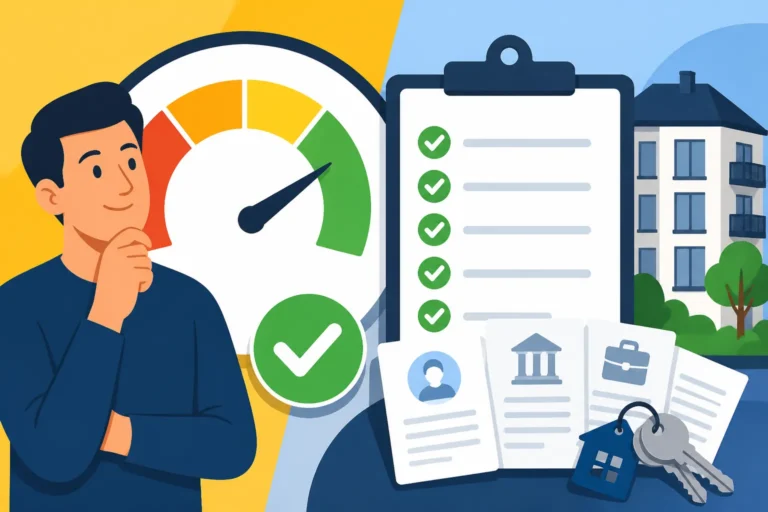
You should also look directly at the websites of municipal housing companies (Städtische Wohnungsbaugesellschaften). In Berlin, companies like Degewo, Howoge, and Gesobau manage tens of thousands of these apartments. They are generally much more "expat-friendly" than private landlords, provided your paperwork is perfect. When applying, you will still need to provide your full dossier, including the WBS, your ID, and your credit score. If you are unsure about your credit standing, you should look into How to Get a SCHUFA Certificate for Renting in Germany as early as possible.
Be prepared for intense competition. Even with a WBS, you might find yourself at a viewing with fifty other people. To stand out, you need to know How to Write a German Rental Application That Stands Out, emphasizing your stability and long-term intentions in Germany. If the search becomes overwhelming and you need a place to stay while waiting for a social flat to open up, you might consider Short-Term and Furnished Rentals in Germany as a temporary solution. Platforms like Wunderflats offer furnished apartments that can bridge the gap while you navigate the slower pace of the social housing market. Remember, the WBS is a marathon, not a sprint, but the reward of a stabilized, affordable home in a central location is worth every bit of the administrative headache.
Disclaimer
The information provided in this guide is for informational purposes only and does not constitute legal or professional financial advice. Immigration laws and housing regulations in Germany are subject to frequent changes. Always verify requirements with the official website of your local Wohnungsamt or consult with a qualified legal professional before making significant financial or residency decisions.