How to Get a SCHUFA Certificate for Renting in Germany
Trying to find an apartment in a major German city feels like participating in a high-stakes hunger games where the prize is a 30-square-meter studio with a kitchen you have to buy yourself. I remember standing in a rainy Berlin queue with sixty other people, clutching a plastic folder like it was a sacred relic, only to realize I didn't have the one document every landlord actually cared about. This guide will walk you through exactly how to get a SCHUFA certificate for renting, even if you just stepped off the plane yesterday.
Disclosure: This post may contain affiliate links. We may earn a commission at no extra cost to you if you make a purchase through these links. Read full disclosure.
Why the SCHUFA Certificate is the Gatekeeper of German Housing
If you are new to the country, the word "SCHUFA" will quickly become the bane of your existence. It refers to the Schutzgemeinschaft für allgemeine Kreditsicherung, which is a private credit agency that tracks your financial reliability in Germany. Think of it as a financial "reputation" score. German landlords are notoriously risk-averse; they don't just want to know if you have money, they want proof that you have a history of paying your bills on time.
The irony of the system is a classic German "Catch-22." You need a Registering Your Address (Anmeldung): Step-by-Step Guide to open a bank account, you need a bank account to start a financial history, and you need that history to get a SCHUFA score to find an apartment. However, most landlords won't even look at your application without a SCHUFA-BonitätsCheck. This creates a massive hurdle for expats.
When you first arrive, you might find it easier to book temporary, furnished accommodation through platforms like Wunderflats, which are often more flexible with newcomers who are still waiting for their first official credit records to generate. This gives you a "home base" to complete your registration and start the clock on your credit history.
The Different Types of SCHUFA Reports
One of the biggest mistakes expats make is ordering the wrong document. There are actually two different versions of your credit report, and using the wrong one can either waste your time or expose too much of your private data to a stranger.
The Free Datenkopie nach Art. 15 DS-GVO
Under European law (GDPR), every resident is entitled to one free copy of their stored data per year. This is called the Datenkopie. While it is tempting to use this because it is free, it is not designed for landlords. It contains every single piece of data SCHUFA has on you: every bank account you’ve opened, every mobile contract you’ve inquired about, and every credit card limit you have.
Handing this to a landlord is a major privacy risk. Furthermore, it often takes several weeks to arrive by post, which is a lifetime in a competitive housing market. It is, however, excellent for your own records to ensure there are no errors in your file. If you want to check your standing before applying, you should look into How to Get a Free SCHUFA Report in Germany for your personal use.
The SCHUFA-BonitätsCheck for Landlords
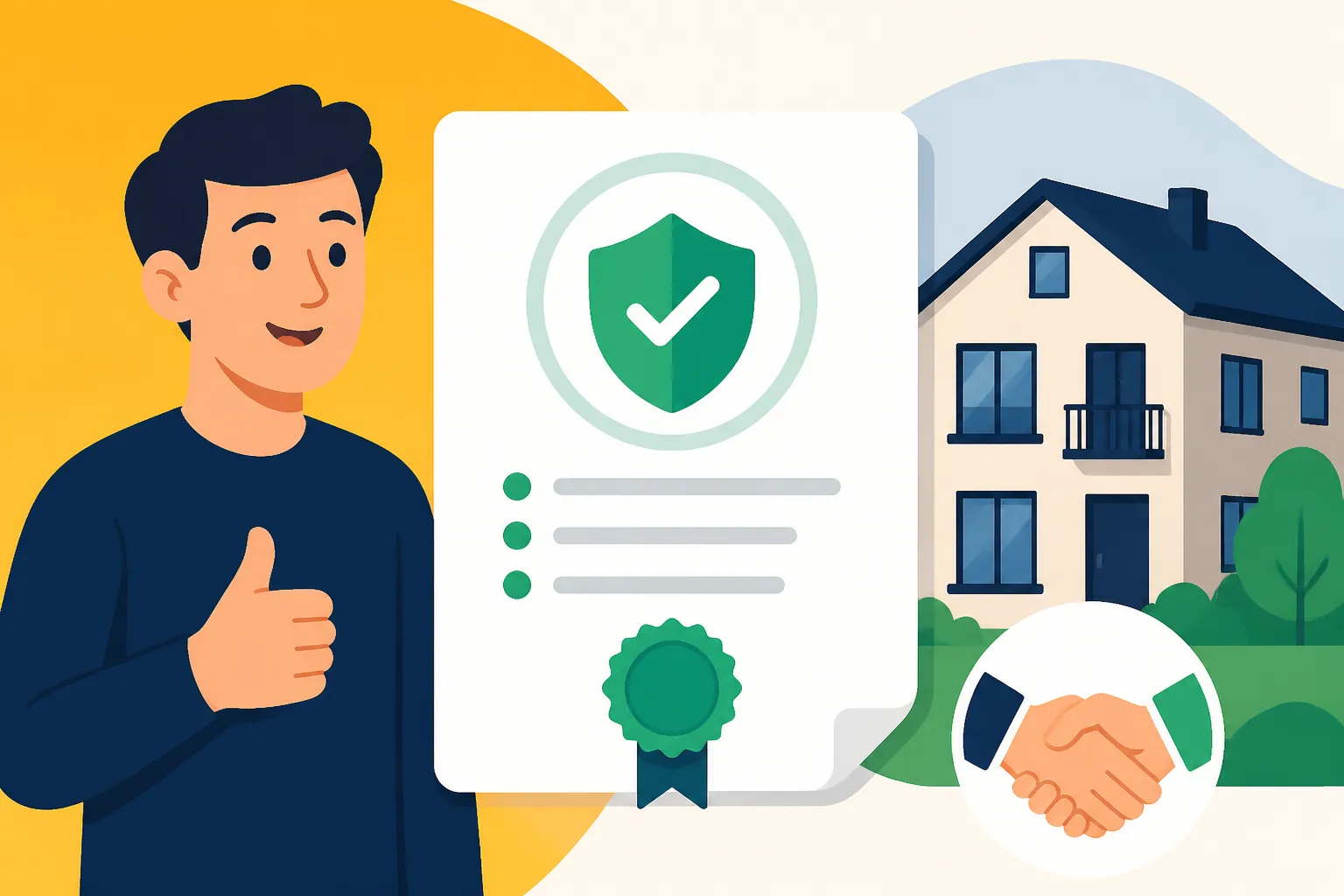
This is the "Golden Ticket." It costs €29.95 and is specifically designed for the rental market. It is a two-page document. The first page is what you give to the landlord; it simply states that "only positive information is available" or lists any major defaults. It hides your specific bank balances and contract details. The second page is for your eyes only.
| Feature | Free Datenkopie (GDPR) | Paid BonitätsCheck |
|---|---|---|
| Cost | €0.00 | €29.95 |
| Delivery Time | 1 to 4 weeks via post | Instant (digital) or same-day (bank) |
| Privacy | Lists every financial detail | Only states creditworthiness |
| Accepted by Landlords | Sometimes (often rejected) | Universally accepted |
| Best For | Personal auditing | Rental applications |
How to Get Your SCHUFA Certificate Instantly
In a market where apartments are gone in hours, waiting for the mail is not an option. You need that PDF ready to go the moment you leave a viewing. There are three main ways to get the paid version immediately.
Ordering Online via MeineSCHUFA
The most direct way is through the official SCHUFA website. You will need a German bank account to pay the fee. If you haven't managed to open one yet, you might need to check out Best Banks in Germany for Expats: Low Fees and English Support to find an expat-friendly option that doesn't require a long history. Once you pay, you can usually download the certificate as a PDF immediately.
Getting It at a Local Bank Branch
If you are in a rush and don't want to deal with online verification, you can walk into select branches of Postbank or Volksbank. Many of these branches have terminals specifically for SCHUFA. You bring your ID (Passport) for identification, pay the fee at the counter or machine, and they print the official certificate on security paper right there. It’s a very satisfying feeling to walk out with that physical paper in hand.
Integration with Rental Portals
Many popular rental websites now have a "one-click" SCHUFA option. While convenient, be aware that these are usually just third-party portals to the same €29.95 service. If you are already using a platform to search for Finding an Apartment in Germany: Best Websites and Tips for Expats, check if they offer a bundle. Just ensure the document you receive is the official "BonitätsCheck" and not a generic "credit score" from a different agency, as landlords specifically ask for SCHUFA.
What to Do If You Are a Brand New Expat
This is the most frustrating scenario. You go to order your SCHUFA, and the system tells you they have "no data" on you. If you have been in the country for less than six weeks, this is common. To the German system, you don't exist yet.
The "Negative" SCHUFA Report
Even if you have no history, you can still generate a report. It will essentially be a blank page that says "No negative information known." For many landlords, this is actually acceptable for a newcomer. It proves you haven't already defaulted on a bill in the short time you've been here.
Alternative Proof of Creditworthiness
If your SCHUFA is empty, you must supplement your application with other "trust" documents. You should always include your work contract showing your salary. If you are a student, you will need a Student Visa Blocked Account (Sperrkonto): What It Is and How to Set It Up or a letter of guarantee from a parent.
I often suggest that new arrivals stay in a furnished apartment through a service like Wunderflats for the first 3 to 6 months. These providers are accustomed to international tenants and often accept bank statements from your home country or a LinkedIn profile as a "proxy" for the SCHUFA until you’ve been in Germany long enough to build a local score.
Maintaining Your Score While Apartment Hunting
Your SCHUFA score is fragile. Every time you apply for a loan or open a new credit-based account, it can take a small hit. When you are moving, you are often buying things for your new place. If you are ordering furniture from Amazon Germany on a "pay later" scheme or financing a new TV, these actions are reported to SCHUFA.
Too many "inquiries" in a short period can make you look desperate for credit, which lowers your score. To keep your record clean during your apartment search:
- Avoid opening multiple Opening a Bank Account in Germany: Step-by-Step for Newcomers at the same time.
- Be careful with mobile phone contracts. A failed credit check for a high-end smartphone can stay on your record.
- If you need data the moment you land, consider using an eSIM provider like Airalo. It’s a prepaid service, meaning there is no credit check involved, and it keeps you connected while you wait for your official German residency and bank details to finalize.
Once you finally secure a place, you will likely need to deal with Security Deposits (Kaution) in Germany: Getting It Back and Protecting Yourself. Having a high SCHUFA score can sometimes even help you negotiate a "Kaution" insurance policy instead of paying three months' rent upfront in cash.
Troubleshooting Common SCHUFA Issues
Sometimes, the system fails. I’ve seen expats get denied because their name was misspelled in a bank's database, creating a "split" file.
Identification Failures
If you are ordering online and the system can't verify you, it’s usually because your address registration hasn't filtered through to the credit agencies yet. If this happens, don't keep clicking "Submit." You’ll end up with multiple inquiries. Instead, use the PostIdent method or go to a physical bank branch as mentioned earlier.
Dealing with Errors
If you get your report and see a debt you don't recognize, you must dispute it immediately. This often happens with old gym memberships or internet providers. If you moved and didn't properly close an account, they might have sent bills to your old address. This is why Apartment Hunting Scams in Germany: Red Flags and How to Avoid Them often target people who are desperate and don't have their paperwork in order—staying vigilant about your official records is your best defense.
The "Schufa-Basis-Score"
When you look at your private copy, you will see a percentage. 97% is good. 90% is worrying. Anything below 80% is a major red flag for landlords. Note that no one ever has 100% because the system assumes there is always a tiny statistical risk that a human might stop paying bills. Don't panic if you are at 98%; that is considered "perfect" in the eyes of a property manager.
Building Your Expat Rental Folder
The SCHUFA is the centerpiece, but it’s not the whole story. To win an apartment in a city like Munich or Hamburg, you should have a "Bewerbungsmappe" (application folder) ready to hand over at the end of the viewing.
Your folder should contain:
- The SCHUFA-BonitätsCheck (the 1-page version).
- Copies of your last three months of payslips (Gehaltsnachweise).
- A copy of your ID or Passport and your residence permit.
- A Mietschuldenfreiheitsbescheinigung (a document from your previous landlord stating you don't owe rent).
- A short, friendly cover letter with a photo of you (and your pet, if they are cute and well-behaved).
If you are moving from abroad and don't have a previous German landlord, you can ask your current landlord back home to sign a simple English statement, though you may need to provide a How to Get a Certified Translation for German Immigration if the landlord is particularly traditional.
Having these documents ready, specifically a fresh SCHUFA report not older than 60 days, shows the landlord that you understand the "rules" of the German system. It signals that you are an "integrated" expat who won't be a headache to manage.
The process of Understanding German Rental Contracts: Key Terms and Conditions is complex enough without having to worry about your creditworthiness. By securing your SCHUFA early, you remove the biggest obstacle to your new life in Germany.
Whether you are looking at Living in Berlin: Expat Guide to Neighborhoods and Lifestyle or a quiet town in the Black Forest, that little piece of paper is your ticket to a place you can finally call home. It might feel like a bureaucratic hurdle, but once you have it, you'll be on equal footing with every local applicant in the room.
Disclaimer
The information provided in this article is for general informational purposes only and does not constitute legal or financial advice. Credit laws and agency policies in Germany are subject to change. Always verify the latest requirements with official sources such as the SCHUFA website or a qualified legal professional before making financial decisions.