Bavaria for Travelers: Munich, the Alps, and Beyond
Oh, Bavaria! Just the name itself conjures up images of majestic castles, towering Alps, crystal-clear lakes, and yes, plenty of lederhosen and dirndls. It's a region that utterly captivates visitors, offering an incredible blend of natural beauty, rich history, and vibrant culture. But for newcomers, the sheer variety can feel a bit overwhelming – where do you even begin with so much to see and do? I remember my first time trying to map out a Bavarian adventure, feeling like I needed a year, not a week! This guide is here to cut through that overwhelm, giving you a truly comprehensive roadmap to exploring Bavaria, from its bustling capital city to its serene alpine retreats and all the enchanting places in between.
Disclosure: This post may contain affiliate links. We may earn a commission at no extra cost to you if you make a purchase through these links. Read full disclosure.
Munich: The Heartbeat of Bavaria
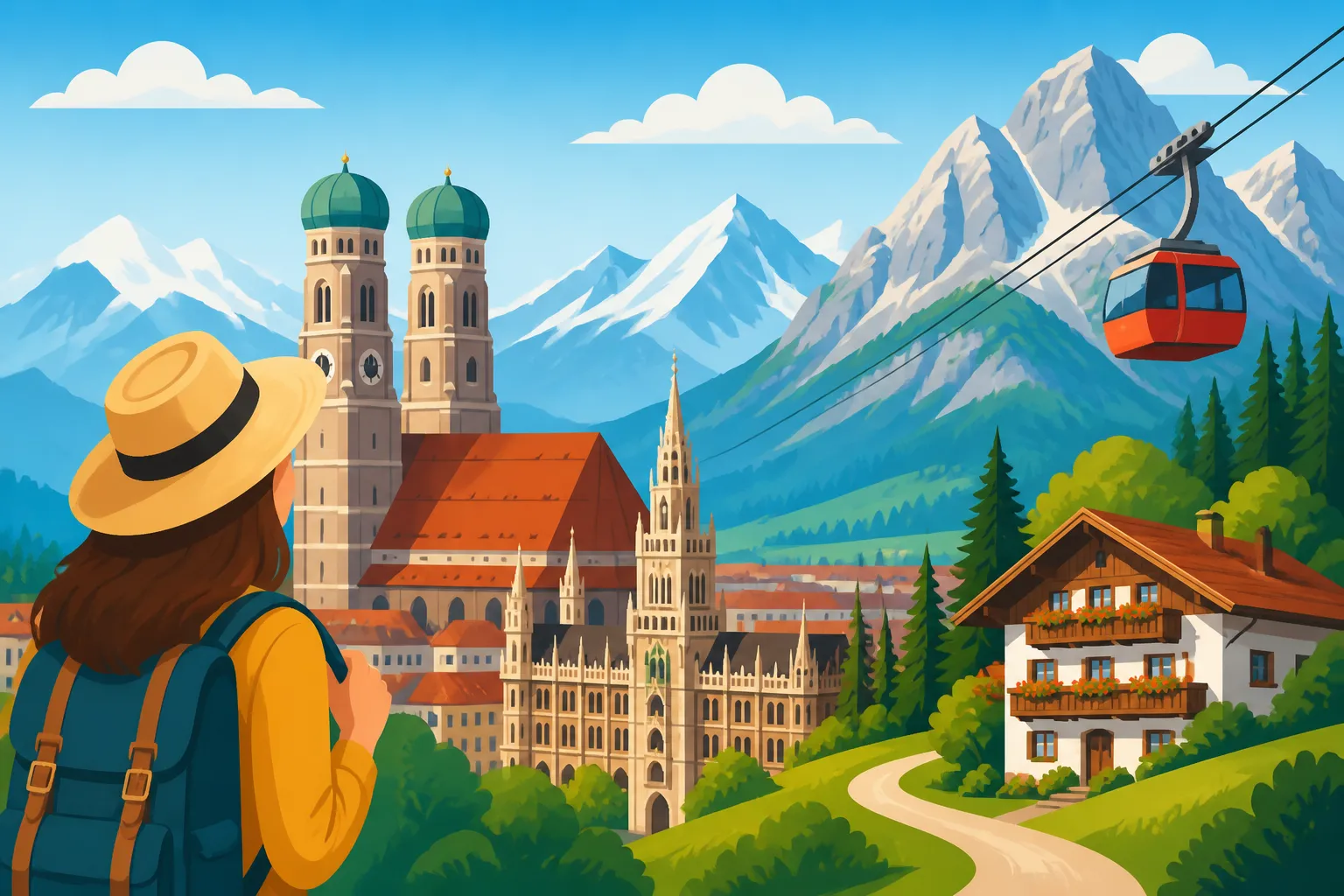
Munich, or München as the locals call it, is so much more than just the capital of Bavaria; it's the beating heart of the region, a city that effortlessly blends centuries of history with a modern, cosmopolitan flair. It’s often the first stop for many travelers, and for good reason. From grand royal residences to lively beer gardens and world-class museums, Munich offers a rich tapestry of experiences that can keep you enthralled for days on end. It’s a city where you can start your day with a traditional Weißwurst breakfast, spend the afternoon admiring Renaissance art, and cap off the evening clinking steins with new friends.
Iconic Sights and Sounds in the Capital
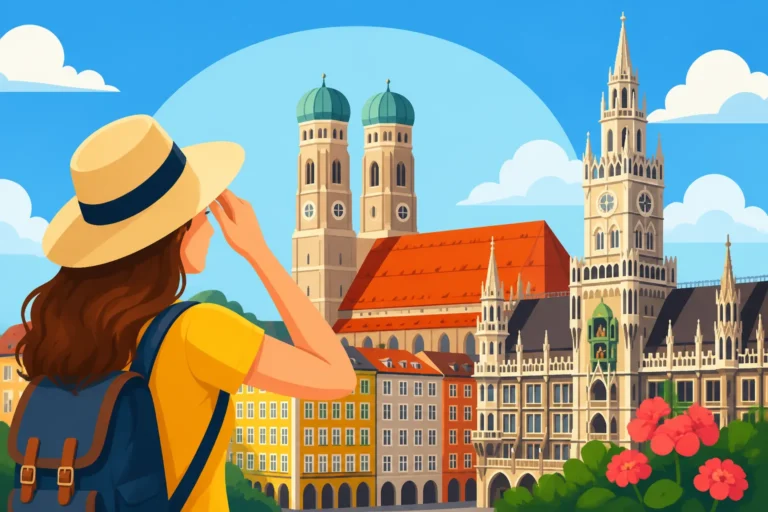
You simply can't visit Munich without a pilgrimage to Marienplatz, the city's central square. This is where you'll find the magnificent New Town Hall (Neues Rathaus) with its famous Glockenspiel, a mechanical clock that reenacts historical events with life-sized figures several times a day. Trust me, even after seeing it a few times, it never loses its charm. Just a stone's throw away is the Viktualienmarkt, a vibrant outdoor market that's a feast for the senses. It’s the perfect place to grab some local cheeses, fresh produce, or a snack from one of the many stalls. I always recommend grabbing a coffee and just soaking in the bustling atmosphere.
For a taste of traditional Bavarian hospitality, the Hofbräuhaus is an absolute must-visit. It's one of the oldest and most famous beer halls in the world, and while it might be touristy, the lively atmosphere, traditional music, and enormous steins of beer are an experience unto themselves. Then, when you need a breath of fresh air, the English Garden (Englischer Garten) awaits. Larger than New York's Central Park, this sprawling urban oasis is perfect for a stroll, a picnic, or even watching the famous river surfers on the Eisbach wave. You'll find beer gardens dotted throughout, offering a relaxed spot to unwind after all that sightseeing.
Navigating Munich's Public Transport
Getting around Munich is remarkably straightforward, thanks to its efficient public transport system, the MVV. This network seamlessly connects the U-Bahn (subway), S-Bahn (commuter trains), trams, and buses, making it incredibly easy to reach all corners of the city and beyond. When you first arrive, it might seem a bit daunting with all the different zones and ticket options, but once you get the hang of it, you’ll be zipping around like a local.
For visitors, a day ticket or a group day ticket (if you're traveling with friends or family) often makes the most sense, offering unlimited travel within your chosen zones for a set period. If you’re planning to explore more of Germany by train, you might consider how the national Deutschland-Ticket could fit into your travel plans, though for purely local Munich travel, the MVV's own options are generally best. You can easily purchase tickets from machines at U-Bahn and S-Bahn stations, often with English language options, or via the MVV app. Just remember to validate your ticket before your journey – a small but crucial step to avoid an unexpected fine.
Munich Beyond Oktoberfest
While many people associate Munich solely with Oktoberfest, the city's vibrant cultural calendar stretches far beyond this famous beer festival. Of course, if you're visiting in late September or early October, Oktoberfest in Munich: A First-Timer's Guide is an unparalleled experience, a joyful celebration of Bavarian culture. But fear not if your trip doesn't align with the Wiesn!
In the lead-up to Christmas, Munich transforms into a winter wonderland with a plethora of enchanting Germany's Best Christmas Markets: Where to Go. The Christkindlmarkt at Marienplatz is the most famous, but smaller, more intimate markets can be found across the city, each with its unique charm. Spring brings delightful Frühlingsfest (Spring Festival) which is like a mini-Oktoberfest, and throughout the year, Munich boasts an impressive array of cultural performances, from world-class opera at the Bavarian State Opera to classical concerts and vibrant theater productions. Exploring different neighborhoods like the bohemian Schwabing with its art nouveau buildings and independent boutiques, or the trendy Glockenbachviertel known for its lively nightlife and diverse culinary scene, reveals the many facets of this dynamic city.
The Bavarian Alps: Majestic Peaks and Serene Lakes
Leaving the urban sprawl behind, you'll find yourself transported into a postcard-perfect landscape as you head south towards the Bavarian Alps. This region is a true paradise for nature lovers, offering dramatic mountain vistas, pristine glacial lakes, and charming villages nestled in valleys. Whether you're an avid hiker, a keen skier, or simply someone who appreciates breathtaking scenery, the Alps in Bavaria deliver an unforgettable experience. The air is crisper here, the pace of life a little slower, and the views, well, they're simply unparalleled.
Gateway Towns: Garmisch-Partenkirchen and Berchtesgaden
When planning your Alpine adventure, two towns often stand out as ideal bases: Garmisch-Partenkirchen and Berchtesgaden. Garmisch-Partenkirchen, a charming amalgamation of two historic villages, is renowned for being a year-round resort town. In winter, it's a major hub for skiing and snowboarding, boasting slopes that cater to all skill levels. In summer, the area transforms into a hiker's paradise, with countless trails winding through lush meadows and up challenging peaks. From here, you can easily access the Zugspitze, Germany's highest mountain, via a cogwheel train or cable car, offering panoramic views that stretch for miles across four countries. Don't miss the dramatic Partnach Gorge (Partnachklamm), a stunning natural canyon carved by the Partnach River, which is truly spectacular in any season.
Further east, close to the Austrian border, lies Berchtesgaden, a town steeped in history and surrounded by arguably some of Germany's most stunning landscapes. It’s less about the bustling slopes and more about tranquil beauty and poignant history. Berchtesgaden is the gateway to the Berchtesgaden National Park and offers its own array of activities. Both towns provide ample Accommodation in Germany: Hotels, Pensionen, and Hostels options, from cozy family-run guesthouses to more upscale resorts, making them excellent choices for an extended stay.
Königssee and the Berchtesgaden National Park
The crown jewel of the Berchtesgaden region is undoubtedly Königssee, often called Germany's most beautiful lake. This deep, fjord-like lake, nestled between towering cliffs, is so pristine that only electric-powered boats are allowed on its emerald waters. A boat cruise across Königssee to St. Bartholomew's Church is a quintessential Bavarian experience. As you glide across the lake, the boat driver often stops to play a trumpet, demonstrating the incredible echo that bounces off the steep rock faces. The red-domed church, set against the backdrop of the Watzmann mountain, is truly idyllic.
Beyond the lake, Berchtesgaden National Park offers a wealth of opportunities for exploration. It's Germany's only Alpine national park, dedicated to preserving its unique ecosystem. Here, you'll find well-marked hiking trails ranging from gentle strolls through valleys to challenging climbs up peaks like the Watzmann. You could also explore the Salzbergwerk Berchtesgaden, a historic salt mine where you can don traditional miners' overalls and slide down wooden chutes deep into the mountain – a surprisingly fun and educational experience for all ages. For those interested in a deeper understanding of the area's natural beauty and conservation efforts, GetYourGuide often offers guided tours and excursions for Königssee and the surrounding National Park.
Alpine Activities for Every Season
The Bavarian Alps are truly a year-round destination, each season offering its own unique charm and array of activities. In summer, the mountains come alive with a kaleidoscope of wildflowers, inviting visitors to embark on countless adventures. Hiking is paramount, with trails suitable for every fitness level, from leisurely walks around serene lakes like Lake Eibsee (near Garmisch) to challenging multi-day treks. Cycling is also incredibly popular, with dedicated paths winding through valleys and scenic routes for mountain biking. The region's many lakes become inviting spots for swimming, paddleboarding, or simply relaxing by the shore, basking in the sun.
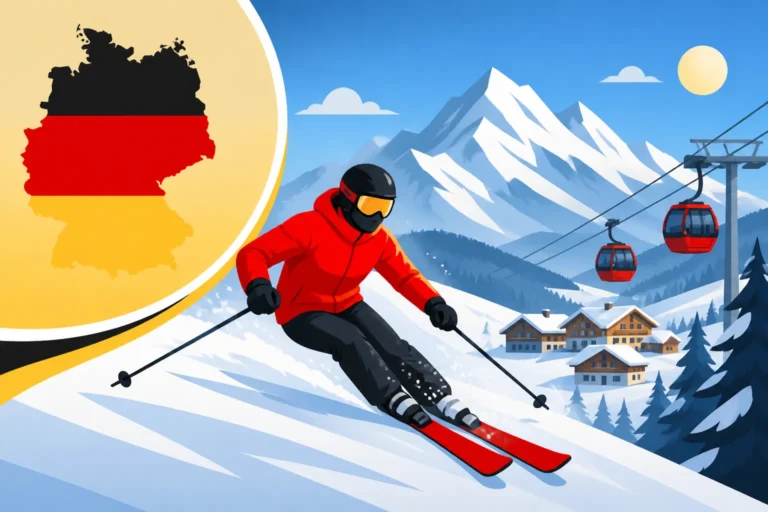
When winter descends, the landscape transforms into a snowy wonderland, perfect for winter sports enthusiasts. Skiing and snowboarding dominate, with numerous resorts offering perfectly groomed slopes, world-class facilities, and cozy Hütten (mountain huts) for warming up with a hot chocolate or Glühwein. Cross-country skiing, snowshoeing, and tobogganing are also widely available. Even if you're not into intense sports, the crisp air, snow-covered pines, and charming Germany's Best Christmas Markets: Where to Go in the mountain villages make for a magical winter escape. For families, many resorts offer specific programs and easy slopes, ensuring that even the youngest travelers can enjoy the snow.
Fairytale Castles and Historic Royalty
Bavaria is perhaps most famous for its extraordinary castles, seemingly plucked from the pages of a fairytale. These architectural marvels are not just stone structures; they are monuments to the romantic vision and sometimes eccentric dreams of Bavaria's past monarchs, particularly King Ludwig II. Visiting these magnificent palaces is like stepping back in time, offering a glimpse into a world of opulence, artistry, and dramatic history. They are truly iconic symbols of Germany, drawing visitors from across the globe.
Neuschwanstein and Hohenschwangau: Ludwig II's Legacy
Undoubtedly the most famous and photographed castle in Germany, Neuschwanstein Castle is the quintessential fairytale edifice, perched dramatically on a rugged hill above the village of Hohenschwangau. Commissioned by King Ludwig II of Bavaria, often dubbed the "Fairytale King," it was intended as his private refuge and a homage to the operas of Richard Wagner. Its stunning Romanesque Revival architecture, intricate interiors, and breathtaking location have captivated imaginations worldwide, even inspiring Walt Disney's Sleeping Beauty Castle.
Just a short walk below Neuschwanstein lies Hohenschwangau Castle, Ludwig's childhood home, a neo-Gothic palace built by his father, King Maximilian II. While Neuschwanstein often steals the spotlight, Hohenschwangau offers a more intimate and historically grounded experience, allowing visitors to see where Ludwig spent his formative years. To make the most of your visit, it's highly recommended to book tickets in advance, especially during peak season, as they are time-slotted. You can often book combined tickets for both castles. Transportation to Neuschwanstein from the ticket center involves either a pleasant walk, a bus ride, or a horse-drawn carriage. Many visitors choose to base themselves in nearby Füssen or take a Best Day Trips From Munich tour to visit these iconic landmarks.
Linderhof and Herrenchiemsee: Hidden Gems
While Neuschwanstein is undeniably grand, King Ludwig II had other, equally stunning, but perhaps less crowded, palaces to his name. Linderhof Palace is the smallest of his three main castles and the only one he lived to see completed. Nestled in a secluded valley, it's a jewel box of Rococo architecture, heavily influenced by the Palace of Versailles but on a more intimate scale. Its elaborate gardens, complete with a stunning grotto where Ludwig famously recreated scenes from Wagnerian operas, are as captivating as the palace itself. This place offers a more personal insight into the king's reclusive and artistic inclinations.
Then there's Herrenchiemsee Palace, Ludwig's grandest, albeit unfinished, project. Located on an island in the picturesque Chiemsee lake (Bavaria's largest lake), it was intended to be a direct replica of Versailles, even featuring a Hall of Mirrors grander than its French counterpart. The journey to Herrenchiemsee is part of the experience, involving a boat ride across the tranquil lake, which itself offers spectacular views. This palace stands as a testament to Ludwig’s boundless ambition and his profound admiration for French absolutism. Visiting these castles offers a fantastic contrast to the more famous Neuschwanstein, providing a deeper dive into the king's architectural fantasies. GetYourGuide often features tours that combine these lesser-known, but equally fascinating, royal residences.
Medieval Towns and Fortresses
Beyond the royal palaces, Bavaria is also home to a wealth of incredibly preserved medieval towns and formidable fortresses that whisper tales of knights, merchants, and ancient trade routes. These towns offer a different kind of historical immersion, allowing you to wander cobbled streets, admire half-timbered houses, and feel the weight of centuries of history underfoot.
One of the most famous examples is Rothenburg ob der Tauber, often considered the crown jewel of Germany's Romantic Road. With its complete medieval walls, charming towers, and picturesque town square, it truly feels like a step back in time. While undeniably popular, especially with international tourists, it retains an undeniable magic, particularly in the quieter mornings or evenings. Another delightful medieval town is Dinkelsbühl, which also boasts an intact town wall and a charming old town, often cited as a less crowded alternative to Rothenburg. For those who appreciate military architecture, the Burghausen Castle complex, stretching for over a kilometer along a ridge, holds the record as the longest castle complex in the world. Exploring its multiple courtyards, towers, and museums offers a fascinating look into medieval defensive strategies and aristocratic life. These towns are perfect for leisurely exploration, souvenir shopping, and enjoying traditional Bavarian hospitality in a historic setting.
Bavarian Culture: Food, Festivals, and Traditions
To truly understand Bavaria, you need to immerse yourself in its distinctive culture, which is deeply rooted in tradition, community, and a hearty appreciation for life's simple pleasures. This means delving into its rich culinary scene, participating in its lively festivals, and understanding the customs that shape daily life. It’s a culture that’s proud of its heritage, yet welcoming to outsiders eager to share in the experience.
Culinary Delights: From Weißwurst to Schäufele
Bavarian cuisine is hearty, flavorful, and deeply satisfying, designed to warm you up after a long day in the mountains or complement a stein of beer. You simply cannot leave Bavaria without trying some of its iconic dishes. The Weißwurst, a traditional white sausage typically eaten before noon, served with sweet mustard, a pretzel (Brezn), and a Weißbier, is a breakfast staple. It's a delightful experience and a truly unique way to start your day. For something more substantial, look for Schäufele (roasted pork shoulder with crispy crackling), Schweinebraten (roast pork), or Obatzda (a spicy cheese spread) often served with fresh radishes and bread.
The region is also famous for its Käsespätzle (a delicious German macaroni and cheese), and of course, a variety of Knödel (dumplings), both savory and sweet. Don’t forget the pretzels – Bavarian pretzels are a culinary art form in themselves, larger and chewier than their counterparts elsewhere. You’ll find these delicious treats everywhere, from bustling city restaurants to cozy rural inns and lively beer gardens. For more specific recommendations, check out our guide on German Regional Dishes Every Visitor Should Try. While traditional cuisine is meat-heavy, modern Bavaria is also catching up with trends, and you can find delicious vegetarian and even vegan options in most larger cities and tourist areas.
The Beer Culture: Breweries and Beer Gardens
If Bavaria has a national drink, it's undoubtedly beer. Bavarian beer culture is legendary, deeply ingrained in the social fabric and celebrated with passion. The strict Reinheitsgebot (German Purity Law) ensures that Bavarian beers are of the highest quality, brewed using only water, malt, hops, and yeast. You'll encounter a fantastic variety of styles, from the light and refreshing Helles to the cloudy, yeasty Weißbier (wheat beer), and the darker, maltier Dunkel.
No trip to Munich or indeed, any Bavarian town, is complete without a visit to a traditional beer garden (Biergarten). These outdoor havens, often shaded by chestnut trees, are places where people of all ages gather to enjoy beer, food, and good company. You can bring your own food to many of them, or purchase traditional snacks from their stalls. Beyond the famous Hofbräuhaus, explore gems like Augustiner-Keller or Hirschgarten in Munich. Many smaller towns also boast their own local breweries and charming beer gardens, offering a more authentic, less touristy experience. Delve deeper into this topic with our article on German Beer Culture: Styles, Beer Gardens, and Breweries.
Traditional Festivals and Events
Bavarians love a good celebration, and their calendar is packed with festivals and events that showcase their rich traditions. The most famous, of course, is Oktoberfest, a massive beer festival held annually in Munich, attracting millions of visitors. It's a riot of sound, color, and joyous celebration, where visitors don traditional attire (Dirndl for women, Lederhosen for men) and enjoy massive steins of specially brewed Oktoberfest beer.
But there are many other festivals to experience. In spring, before Oktoberfest, Munich hosts the Starkbierfest (Strong Beer Festival), a slightly less crowded but equally spirited event celebrating special strong beers. Throughout the year, almost every town and village will have its own local Volksfeste (folk festivals), often featuring amusement rides, traditional music, and local delicacies. The pre-Christmas period transforms the region with a myriad of enchanting Germany's Best Christmas Markets: Where to Go, offering festive lights, mulled wine (Glühwein), and artisan crafts. These festivals are a fantastic way to experience authentic Bavarian hospitality and immerse yourself in local customs.
Planning Your Bavarian Adventure: Practical Tips
Now that you're brimming with ideas for your Bavarian escapade, let's talk practicalities. Planning a trip to a foreign country, even one as organized as Germany, can have its quirks. From figuring out how to get from point A to point B to knowing what to pack, a little preparation goes a long way in ensuring a smooth and enjoyable journey. After all, nobody wants to spend their precious vacation time stressing over logistics!
Getting Around Bavaria: Train, Bus, and Car
Bavaria offers excellent transportation options, whether you prefer the convenience of public transport or the flexibility of a private vehicle. The German national railway, Deutsche Bahn (DB), provides extensive train connections throughout Bavaria, linking major cities like Munich and Nuremberg with smaller towns and even many alpine villages. For budget-conscious travelers or those exploring a specific region, the Bayern Ticket is an absolute lifesaver – it offers unlimited travel on regional trains and most public transport within Bavaria for a single day, often a great deal for groups. For longer journeys across Germany or international routes, checking High-Speed Trains in Germany (ICE): Deutsche Bahn Routes and Savings can help you find the best options.
If trains don't reach your exact destination, or you're looking for an even more economical option, intercity bus services like FlixBus connect many Bavarian towns. However, for true flexibility, especially when exploring the more remote areas of the Alps or the Romantic Road, Renting a Car and Driving on the Autobahn is often the best choice. This allows you to explore at your own pace, stop for impromptu photo ops, and access places not served by public transport. When comparing different travel options and booking tickets for trains or buses, I often find Omio incredibly helpful for seeing all possibilities in one place and comparing prices.
Accommodation Options for Every Budget
Finding the right place to lay your head is crucial for a comfortable trip, and Bavaria offers a wide range of accommodation to suit every preference and budget. In cities like Munich, you’ll find everything from luxurious five-star hotels and well-known international chains to charming boutique hotels and modern hostels. If you prefer a more local experience, consider a traditional guesthouse, known as a Gasthof or Pension, especially outside the major urban centers. These often offer cozy rooms, hearty breakfasts, and a real taste of Bavarian hospitality.
For families or those planning a longer stay, self-catering apartments through platforms like Airbnb are popular, giving you the freedom to cook your own meals and have more space. When planning your trip, I highly recommend checking out Booking.com. It's my go-to for finding a wide variety of accommodation, from hotels to apartments, and reading real reviews to ensure I pick the perfect spot. Booking in advance, especially during peak seasons like summer, Oktoberfest, or the Christmas market period, is always a wise move to secure the best locations and prices.
Best Time to Visit and Essential Packing
Deciding when to visit Bavaria largely depends on what kind of experience you're seeking, as each season brings its own unique flavor. Summer (June to August) is wonderfully warm, perfect for hiking, lake activities, and enjoying beer gardens. However, it's also peak tourist season, meaning larger crowds and higher prices. Autumn (September to October) offers beautiful foliage, especially in the mountains, and milder temperatures, plus the excitement of Oktoberfest. Winter (November to March) transforms Bavaria into a magical wonderland, ideal for skiing, snowboarding, and soaking in the festive atmosphere of the Christmas markets. Spring (April to May) sees the landscape burst into bloom, offering pleasant weather for sightseeing before the summer rush.
Regardless of the season, layers are always your friend in Bavaria, as mountain weather can change quickly. Even in summer, evenings can be cool, especially at higher elevations. Comfortable walking shoes are a must, as you’ll likely be doing a lot of exploring. If visiting in winter, warm, waterproof clothing, hats, gloves, and sturdy boots are essential. And, of course, don’t forget a camera to capture all those breathtaking views! For more general information on planning your trip, including safety and connectivity, our Travel Logistics in Germany: Money, Safety, and Connectivity guide is a valuable resource.
Disclaimer
Please note that while this guide aims to provide accurate and up-to-date information, circumstances such as travel regulations, opening hours, and local conditions can change. It is always advisable to check the latest information from official sources before making your travel plans.