Karneval and Fasching in Germany: Cologne and the Rhineland
Alright, fellow expat, if you've been living in Germany for a while, you've probably heard hushed whispers about "the fifth season" or seen bewildered tourists asking about people dressed in outlandish costumes. You might even have stumbled upon a random Tuesday in February where half the city seemed to be on holiday, leaving you utterly confused. This guide is for you. We'll demystify the wild, wonderful, and sometimes utterly bonkers world of Karneval and Fasching, focusing on its spiritual home, the Rhineland, and equip you with everything you need to dive headfirst into the fun.
Disclosure: This post may contain affiliate links. We may earn a commission at no extra cost to you if you make a purchase through these links. Read full disclosure.
Decoding the Jargon: Karneval, Fasching, and Fastnacht
One of the first hurdles you’ll encounter when trying to understand Germany’s pre-Lenten celebrations is the sheer variety of names. It’s not just one thing; it's a regional phenomenon with different names, subtle traditions, and local quirks. This can be incredibly perplexing, even for Germans themselves depending on where they grew up!
Regional Terminology and Origins
Let's break down the main terms: Karneval, Fasching, and Fastnacht. While they all refer to the same festive period before the start of Lent, their usage is highly geographical. Karneval is the term predominantly used in the Rhineland, particularly in cities like Cologne, Düsseldorf, and Mainz. Its roots are thought to be from the Latin "carne vale," meaning "farewell to meat," signifying the indulgence before the fasting period of Lent. This part of Germany, historically Catholic, has cultivated a vibrant, often irreverent culture around this celebration, which many see as a temporary escape from everyday life and authority.
Move east and south, particularly into Bavaria and Austria, and you’ll primarily hear Fasching. The word itself is believed to derive from "Fastenschank," referring to the last serving of alcoholic beverages before Lent. Here, the celebrations often lean into masked balls and parades with a slightly more traditional, almost Alpine feel compared to the boisterous street parties of the Rhineland.
Then there’s Fastnacht (or sometimes Fasnacht), which you’ll find in southwestern Germany, especially in Baden-Württemberg, parts of Hesse, and Switzerland. This term also relates to "Fasching" but often carries an older, more pagan undertone with its traditions. The Schwäbisch-Alemannische Fasnet, for instance, is distinct with its wooden masks, elaborate traditional costumes, and ancient rituals designed to drive out winter spirits. It’s a fascinating contrast to the Rhineland's more contemporary, often satirical, approach.
The "Fifth Season" and Its Significance
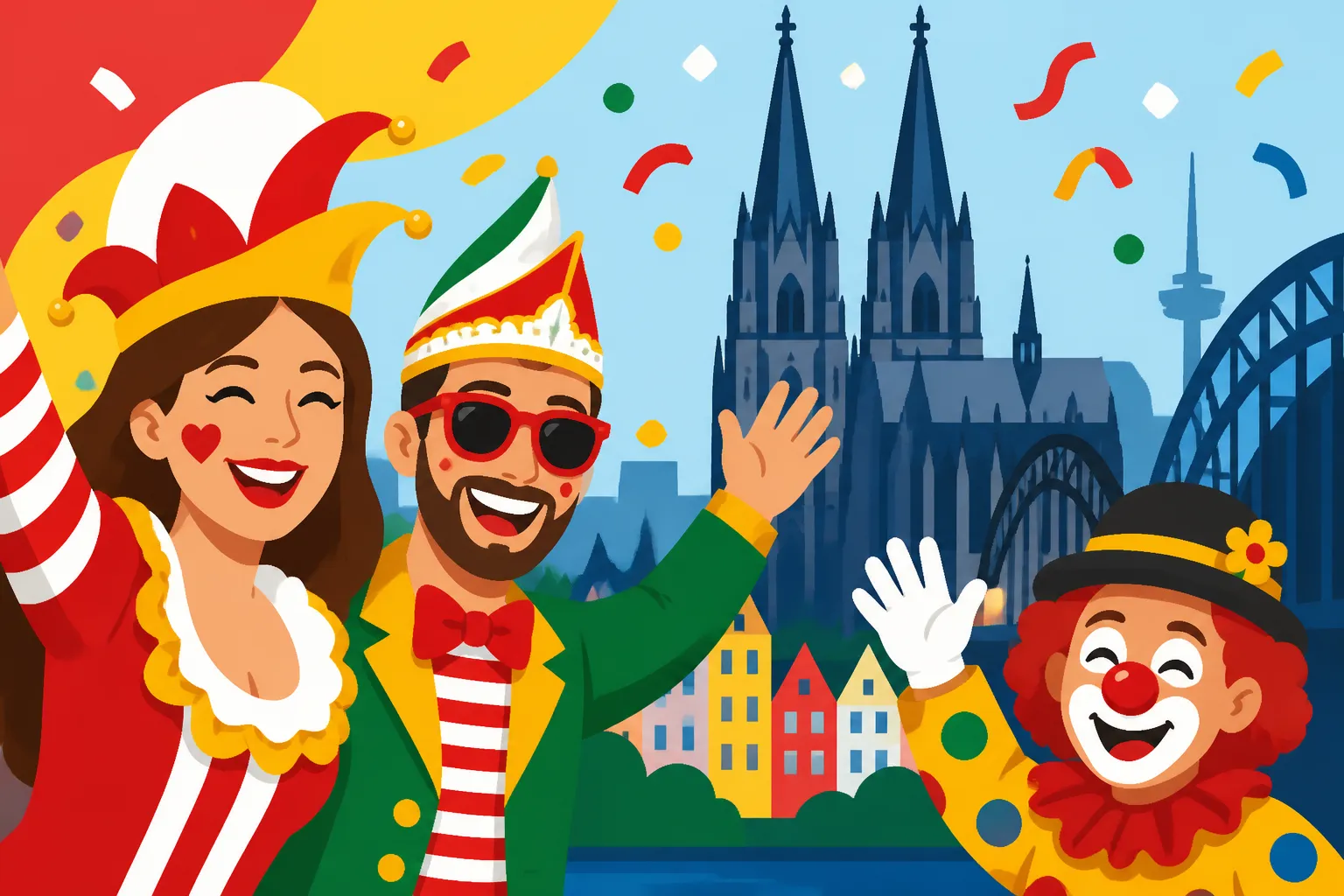
Regardless of the name, this period is often referred to as the "fifth season" in Germany. It’s a time when social norms are playfully turned on their head, when people dress up, sing, dance, and generally let loose before the reflective period of Lent begins. This isn't just about partying; it has deep cultural and historical significance, often reflecting local identity and community spirit. For many, it's a profound cultural experience that unites people across generations, offering a sense of belonging and shared heritage.
Historically, these celebrations were a way for ordinary people to blow off steam, mock authority, and revel in excess before the strictures of Lent. Even today, you’ll find elements of political satire and social commentary embedded in the parades and songs, especially in the Rhineland. It’s a unique blend of historical tradition, religious observance, and pure unadulterated fun.
The Epicenter: Cologne Karneval
If you want to experience the true heart of German Karneval, Cologne (Köln) is the place to be. It’s not just a party; it’s a way of life, an intrinsic part of the city’s identity that begins not in February, but officially on the 11th of November at 11:11 AM. From that moment, the "fifth season" is declared open, and the city hums with anticipation.
The Opening Ceremony on November 11th
While the main street celebrations occur in February or March, the start of Karneval on November 11th is a significant event in Cologne. Thousands gather at Heumarkt and Alter Markt, often already in costume, to witness the official opening. This isn't just a quaint tradition; it's a major party in its own right, setting the stage for the months to come. The "Dreigestirn" – the Prince, the Farmer, and the Maiden (often a man in drag) – who lead the official celebrations, are formally introduced, and the first Karneval songs of the season fill the air. It’s a preview of the joyous chaos to come, a kind of cultural primer for anyone new to the scene. Many expats find this early kickoff a bit confusing, wondering if they’ve missed something, but it’s really just the ceremonial start, akin to the first few flakes of snow before a blizzard.
Weiberfastnacht: The Women’s Day Takeover
The really big party kicks off in the run-up to Lent, specifically on "Weiberfastnacht," which translates literally to "Women's Carnival Night" or "Fat Thursday." This is typically the Thursday before Ash Wednesday, and it's a day of delightful anarchy. In Cologne, women take playful control. The tradition involves women cutting off men’s ties (as a symbol of male power) and demanding a kiss in return. Don't worry, it's all in good fun, but men are wise to wear an old tie that day! The streets fill with costumed revelers from early morning, and public life grinds to a halt as celebrations spill out of bars and onto the streets. It’s a fantastic day to experience the unbridled joy and community spirit of Karneval, as the city transforms into one giant outdoor party. You'll see groups of friends, colleagues, and families, all dressed up and ready to sing and dance.
Rosenmontag: The Grand Parade
The absolute highlight of Cologne Karneval is the "Rosenmontag" (Rose Monday) parade. This magnificent spectacle, usually held on the Monday before Ash Wednesday, is one of the largest and oldest carnival parades in the world. It features elaborate floats, marching bands, dancers, and the Dreigestirn, who throw sweets (Kamelle) and flowers (Strüßjer) to the cheering crowds. The floats often depict satirical takes on current political events, both national and international, as well as local Cologne humor.
Finding a good spot along the parade route can be competitive, so arriving early is crucial. Many people even set up chairs and small tables hours beforehand, often bringing their own food and drinks to make a day of it. The atmosphere is electric, with people singing along to Karneval songs, shouting "Alaaf!" (the Cologne Karneval cheer), and scrambling for the thrown goodies. It's truly a once-in-a-lifetime experience. For transportation, check local services like Deutsche Bahn or regional networks for schedules and potential disruptions; Omio can be a great resource for planning your journey into and out of Cologne during this busy period, especially if you're coming from another German city.
The Aftermath: Veilchendienstag and Ash Wednesday
The festivities don't end with Rosenmontag, but they do start to wind down. "Veilchendienstag" (Shrove Tuesday or Violet Tuesday) still sees plenty of activity, particularly in local neighborhoods, with smaller parades and traditional burning of the "Nubbel" – a straw figure that symbolizes all the sins committed during Karneval. This act ritually absolves everyone before Lent. The final day is "Aschermittwoch" (Ash Wednesday), which marks the official end of Karneval and the beginning of Lent. On this day, many Cologners traditionally eat fish, often gathering in restaurants for a quiet, reflective meal to contrast the preceding days of excess. It's a sudden shift from chaos to calm, a stark reminder of the tradition's religious roots.
Rhineland Rivals: Düsseldorf, Mainz, and Beyond
While Cologne holds a special place in the hearts of Karneval enthusiasts, it's far from the only city in the Rhineland to host spectacular celebrations. Düsseldorf and Mainz, in particular, offer their own unique flavors of this festive season, each with distinct traditions, cheers, and local quirks.
Düsseldorf: The Elegant and Satirical Celebration
Just a short train ride north of Cologne, Düsseldorf offers a Karneval experience that many describe as more elegant, yet equally satirical and politically sharp. The Düsseldorfers famously use the cheer "Helau!" instead of Cologne’s "Alaaf!" – a friendly rivalry that runs deep. Their Rosenmontag parade is also renowned for its elaborate floats, often featuring incredibly pointed and unflinching political caricatures. While Cologne’s satire tends to be a bit more jovial, Düsseldorf’s can be quite biting, earning it a reputation for being one of the most politically charged carnival parades.
The old town, or "Altstadt," of Düsseldorf, known as the "longest bar in the world" due to its dense concentration of pubs, becomes the epicentre of street parties throughout the carnival days. Costumes are just as elaborate as in Cologne, and the atmosphere is electric. Public transport will be your best friend here, as driving or parking is virtually impossible during peak times. Look up local transport details in advance to avoid last-minute stress.
Mainz: The Traditional and Political Fastnacht
South of Cologne, on the Rhine, lies Mainz, where the celebration is called "Mainzer Fastnacht." This city boasts an incredibly rich and ancient carnival tradition, with a stronger emphasis on traditional elements and organized "sitzungen" (sitting sessions) that feature speeches, songs, and satirical acts. The Mainzer Fastnacht is highly organized, with numerous carnival clubs (Fastnachtsvereine) planning events meticulously. Their cheer is also "Helau!"
The Mainzer Rosenmontag parade is another grand affair, famous for its intricate historical and political floats and its unique characters. One of the most iconic figures is the "Mainzer Narr" (Mainz Fool), who embodies the spirit of carnival with witty commentary and self-deprecating humor. The city's main squares, particularly the Schillerplatz, become vibrant hubs of activity. For visitors, diving into a Sitzung can offer a different, more structured, yet equally entertaining insight into German carnival culture. Booking accommodation via platforms like Booking.com well in advance is highly recommended for any of these major cities, as hotels fill up quickly and prices soar.
Bonn: A More Laid-Back but Lively Option
Bonn, the former capital, offers a slightly more relaxed but still incredibly lively Karneval experience. It’s a good option if you want to be close to the action of the Rhineland but prefer a slightly less overwhelming crowd than Cologne or Düsseldorf. Bonn's "Bonna" and "Prinz" lead their own parade, and the city's market square often becomes a central point for celebrations. Many students in Bonn embrace Karneval with gusto, adding a youthful energy to the traditional festivities. It’s also quite accessible by train, making it an easy day trip if you’re staying in Cologne or Düsseldorf, and can be a great place to experience the street party vibe without the intense congestion.
Key Dates and the Calendar of Merriment
Understanding the timeline of Karneval (or Fasching/Fastnacht) is crucial for planning your visit. While the official start is November 11th, the "hot phase" or "street carnival" typically runs for six days, culminating on Ash Wednesday. These dates are movable, as they are tied to the Christian calendar and the date of Easter.
The "Hot Phase": From Weiberfastnacht to Ash Wednesday
The most intense period of celebration, when schools are often closed and many businesses operate on reduced hours or shut down completely, usually unfolds as follows:
- Weiberfastnacht (Fat Thursday): This is the official start of the street carnival, usually held on the Thursday before Ash Wednesday. It's characterized by women playfully cutting men's ties, widespread costume-wearing, and parties kicking off early in the day in public spaces and bars.
- Nelkensamstag (Carnation Saturday): This Saturday often features smaller, local parades in neighborhoods and suburbs. It's a great day to experience a more community-focused carnival, often with families and children participating.
- Tulpensonntag (Tulip Sunday): Similar to Saturday, many towns and districts will have their own parades and street parties. The atmosphere remains festive, serving as a warm-up for the main event.
- Rosenmontag (Rose Monday): This is the absolute peak of the street carnival in the Rhineland, especially in Cologne, Düsseldorf, and Mainz, with the grand, elaborate parades. It’s a public holiday in many carnival-celebrating regions, and businesses often close.
- Veilchendienstag (Shrove Tuesday/Violet Tuesday): The last day of indulgence before Lent. Smaller parades and the traditional "Nubbelverbrennung" (burning of the Nubbel) take place in many areas, symbolizing the end of the festivities.
- Aschermittwoch (Ash Wednesday): The official end of Karneval and the beginning of the Lenten fasting period. The mood shifts dramatically; it’s a day of quiet reflection, often marked by traditional fish dinners.
Planning Around Movable Dates
Because these dates are tied to Easter, they shift each year. For instance, in 2025, Weiberfastnacht falls on February 27th, and Rosenmontag on March 3rd. In 2026, Weiberfastnacht is on February 12th, and Rosenmontag on February 16th. Always double-check the specific dates for the year you plan to visit. A quick search for "Karneval dates [year]" will give you the precise calendar.
It's paramount to plan your travel and accommodation far in advance, especially for Rosenmontag. Hotels, especially in Cologne, book up months ahead, and prices skyrocket. Checking platforms like Booking.com or smaller local guesthouses can help, but expect high demand. Similarly, train tickets, particularly for flexible options, might become scarce.
Here's a quick overview of the key days for the "hot phase":
| Day | German Name | Typical Activities | Main Cities |
|---|---|---|---|
| Thursday | Weiberfastnacht | Women's power day, tie-cutting, street parties, bars open early | All Rhineland |
| Saturday | Nelkensamstag | Smaller local parades, neighborhood parties | Local areas |
| Sunday | Tulpensonntag | Community parades, continued street festivities | Local areas |
| Monday | Rosenmontag | Grand Parades (Cologne, Düsseldorf, Mainz), major public holiday in carnival regions | Cologne, Düsseldorf, Mainz |
| Tuesday | Veilchendienstag | Smaller parades, Nubbelverbrennung (burning effigy), final parties | Local areas |
| Wednesday | Aschermittwoch | End of Carnival, quiet reflection, traditional fish meals | All Germany |
Practical Tips for Expats: Embracing the Chaos
Experiencing Karneval or Fasching as an expat can be exhilarating, but it also requires a bit of preparation. From figuring out what to wear to navigating the crowds, here’s how to make the most of this unique German tradition.
The All-Important Costume
First things first: a costume is absolutely essential. You'll feel incredibly out of place if you don't dress up, and quite frankly, you'll miss out on half the fun. Germans go all out, from elaborate group costumes to simple but effective individual outfits. Anything goes, from superheroes and animals to historical figures and whimsical creatures. There's no judgment, only encouragement.
You can buy costumes at specialized Karneval shops, especially prevalent from November onwards, or even at larger supermarkets and department stores in the weeks leading up to the main event. For unique finds, check out second-hand shops or even consider making your own. Don't forget accessories like wigs, face paint, and quirky hats. A small bag to collect "Kamelle" (sweets) is also a good idea if you plan to attend a parade!
Food, Drink, and "Bützen"
Food during Karneval is typically hearty and easy to eat on the go. Think Mettbrötchen (raw minced pork sandwich – yes, really!), Reibekuchen (potato pancakes), sausages, and plenty of baked goods like Krapfen or Berliners (jelly-filled donuts). Don't expect gourmet dining; this is about sustained energy for partying!
When it comes to drinks, Kölsch is king in Cologne, served in small, slender glasses called Stangen. In Düsseldorf, it's Altbier, a darker, top-fermented beer. These are often consumed in copious amounts. Expect friendly "Bützen" (small pecks on the cheek) from strangers; it's a common, innocent tradition during Karneval, a sign of shared festivity, not flirtation. But remember to respect personal boundaries, always.
Accommodation and Transportation
As mentioned, securing accommodation can be a challenge. If you plan to stay in the heart of the action (e.g., Cologne's city center), book via sites like Booking.com as soon as dates are announced for the following year. Consider staying slightly outside the city center and using public transport, which runs extensively, though often with diversions due to parades.
Public transportation is by far the best way to get around. Trains, trams, and buses will be packed, but they are reliable. Check the local transport association websites (e.g., KVB in Cologne, Rheinbahn in Düsseldorf) for special Karneval schedules, route changes, and ticket options. Day passes or multi-day tickets are usually the most convenient. Using services like Omio to plan your arrival and departure from the region can also save you a lot of hassle. Private cars are a no-go in city centers during the main parade days.
Safety and Security
With large crowds and ample alcohol consumption, it's wise to be mindful of your safety.
- Stay in groups: It's always safer and more fun to celebrate with friends.
- Watch your belongings: Pickpocketing can occur in dense crowds. Keep valuables secure and out of sight.
- Drink responsibly: Pace yourself and stay hydrated.
- Know your route home: Plan how you'll get back to your accommodation beforehand, and make sure your phone is charged.
- Emergency numbers: Know the German emergency number (112 for police and ambulance).
For a broader understanding of how public holidays impact everyday life in Germany, you might find our guide on German Public Holidays: How They Affect Life and Work helpful. Also, general Staying Safe in Germany: Common-Sense Tips for Travelers can offer broader insights.
Navigating the Crowds and Logistics
The sheer volume of people descending on cities like Cologne during Karneval can be overwhelming. Don't underestimate the crowds; prepare yourself for a joyous, yet very densely packed, experience.
Pre-Booking and Planning Ahead
This cannot be stressed enough: book everything in advance. This includes your train tickets (especially if using Deutsche Bahn), your hotel or Airbnb (Booking.com is your friend here, but alternatives like local guesthouses exist), and any specific party tickets you might want. Many of the famous "Sitzungen" or indoor costume balls sell out months, even a year, in advance. GetYourGuide might offer some curated experiences or special access to parties, which could be a good option if you're looking for something specific and less chaotic than the street parties.
Consider arriving a day or two before the main events (Weiberfastnacht or Rosenmontag) to get your bearings, explore the city before the major crowds descend, and perhaps pick up any last-minute costume items.
Public Transport as Your Best Friend
Forget driving or taxis during the main Karneval days. City centers will be largely closed to traffic, and roads will be packed. Public transport is the only sensible option. Purchase a multi-day pass if you plan to be there for several days, or a day ticket if just for one. Remember, these will be crowded too, but generally efficient.
Cologne’s public transport company, KVB, usually provides specific information for Karneval, including extra services and route diversions. Check their website a few weeks before your visit. For longer distances between cities like Cologne, Düsseldorf, or Mainz, regional trains are your best bet. Omio can assist with journey planning and ticket booking across these routes. If you're a keen planner, a look into Public Transport Tickets and Passes: Navigating German Transit Systems could be beneficial.
Embrace the Atmosphere and Go with the Flow
Karneval is about letting loose and immersing yourself in the joyful, sometimes slightly chaotic, atmosphere. Don't be afraid to sing along (even if you don't know the words!), dance in the streets, and shout "Alaaf!" or "Helau!" The energy is infectious.
While it's important to be prepared, also be ready to go with the flow. Plans might change due to crowds, or you might stumble upon an unexpected party in a small side street that becomes the highlight of your day. It’s a truly unique cultural experience, a time when the German reputation for strictness and order takes a joyful hiatus. It’s a chance to see a different, more exuberant side of the country. For general tips on how to interact in social situations, our guide on German Etiquette and Social Life for Visitors can be a useful read, even though Karneval has its own relaxed rules!
Disclaimer
The information provided in this guide is for general informational purposes only and does not constitute professional advice. While we strive to provide accurate and up-to-date information, local regulations, event schedules, and conditions can change rapidly. Always check official sources and local advisories before making travel plans or engaging in activities. We do not endorse any specific brand or service mentioned, and any recommendations are based on general expat experience and user feedback. Participants are advised to exercise personal responsibility and caution, especially regarding alcohol consumption and personal safety in large crowds.